
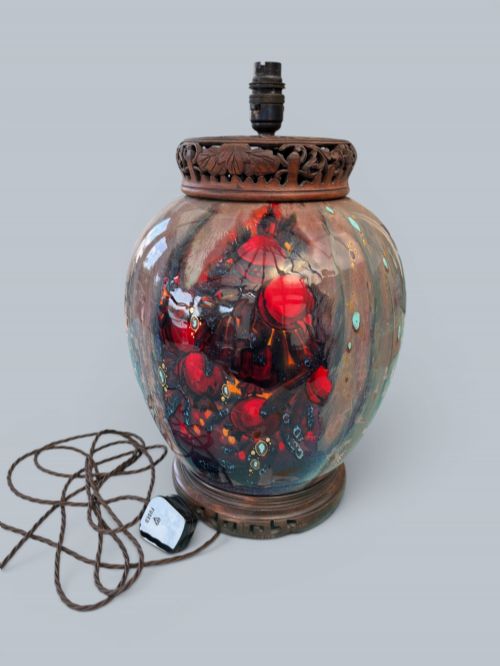
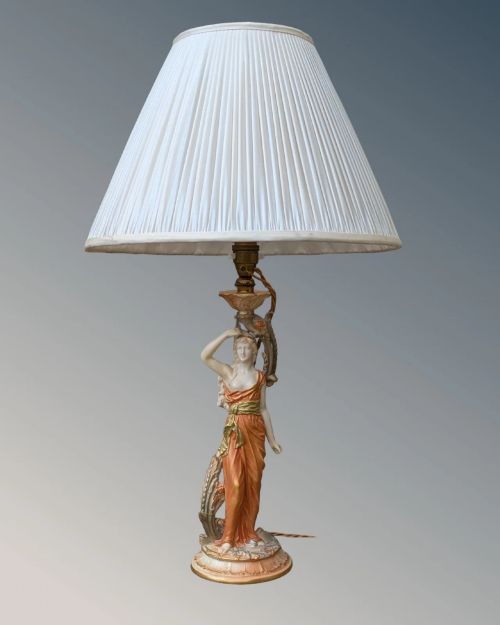


Vintage Ceramic Lamp Base
These vintage ceramic lamp base pieces transform historic vessels and figures into functional lighting, offering a tangible connection to 19th-century and earlier craftsmanship.
Vintage Ceramic Lamp Base
A vintage ceramic lamp base repurposes historical pottery, porcelain, and earthenware into domestic lighting. Buyers examine these objects to find character and individuality for interior spaces.
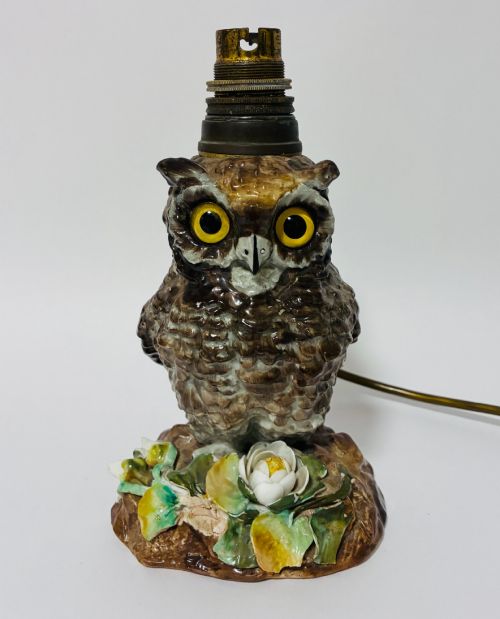
The selections span distinct periods, incorporating 18th-century Delft and Japanese Imari alongside Victorian figural and oil lamp variations. Chinese export ceramics and ginger jars frequently appear converted for modern utility.
Makers and workshops range from European factories like Royal Worcester and Moorcroft to Asian export traditions, providing diverse aesthetic choices within a single category.
Materials and construction
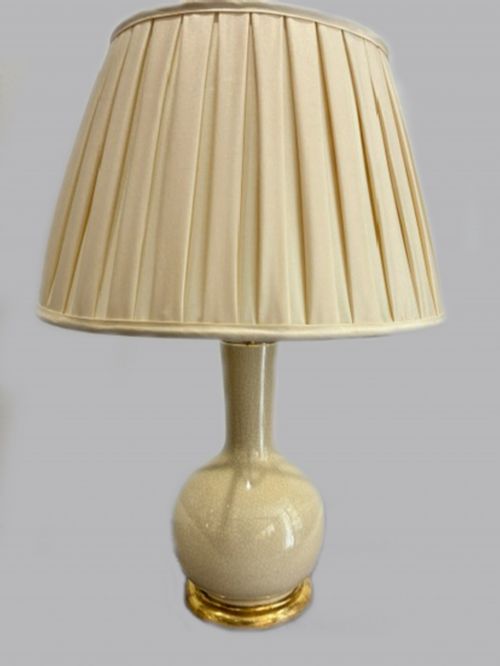
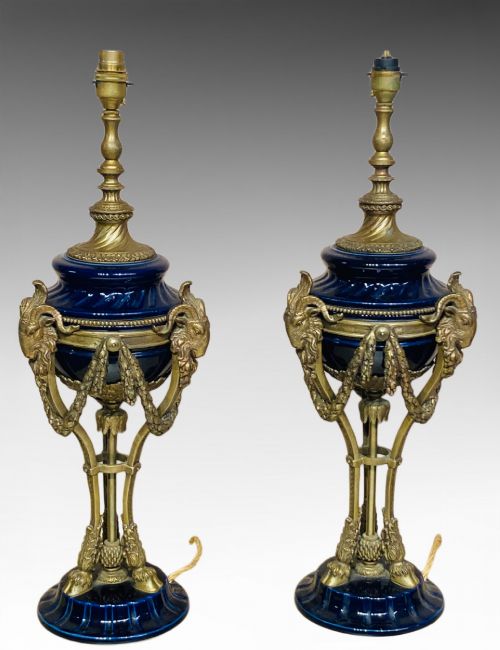
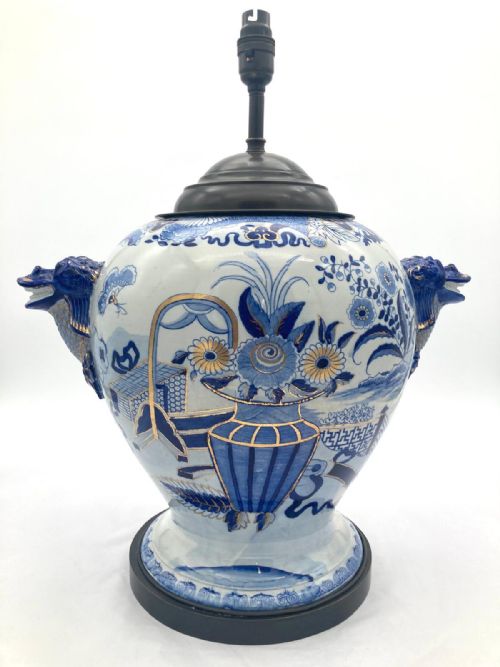
Potters shaped these bodies from ceramic, porcelain, earthenware, and ironstone, often applying hand-painted glazes, blue and white pigments, or crackleware finishes. Many pieces integrate brass, ormolu, and gilt bronze mounts to secure electrical fittings or elevate the base.
Conversion from earlier vessels, vases, and oil lamps typically involves drilling the ceramic body or adding fitted metal collars without disturbing the original decorative surface.
Listings feature ceramics spanning the 18th, 19th, and early 20th centuries, alongside materials such as porcelain, earthenware, brass, and gilt bronze.
Assessing the pieces
Superior examples combine intact, high-period ceramic bodies with specialist ormolu or brass mounts that complement the original glaze. The crispness of hand-painted detail on Satsuma, Famille Rose, or Delft surfaces distinguishes finer output from standard production.
The integrity of the conversion matters significantly; professional mounting preserves the balance of the vase while securing the electrical components safely within the historic structure.
Hicks and Meigh·Moorcroft·Royal Worcester·Ernst Bohne and Sohn·Royal Doulton
The Vintage Ceramic Lamp Base Glossary
- Ormolu
- Gilded bronze mounts applied to furniture and ceramics, providing decorative accents and structural support during the 18th and 19th centuries.
- Crackleware
- Pottery featuring a network of fine cracks in the glaze, deliberately produced during the firing process for decorative effect.
- Famille Verte
- A Chinese porcelain palette dominated by green enamel colours, developed during the Qing dynasty and popular in later export wares.
- Imari
- Japanese export porcelain decorated in underglaze blue and overglaze red, gold, and other colours, originating from the Arita area.
Vintage Ceramic Lamp Base: Frequently Asked Questions
What periods do these lamp bases cover?
The selection spans from the 18th century through the Victorian era up to the 1930s Art Deco period. Many pieces incorporate older Asian ceramics mounted in Europe during the 19th century.
Stylistic cues such as brass mounts, hand-painted glazes, and maker marks help narrow down the exact decade of production.
Are these lamps converted from original vases?
Many examples began life as ginger jars, tobacco jars, or decorative vases before receiving electrical fittings. This practice of adaptive reuse allows historic porcelain to function practically in modern rooms.
Look for evidence of professional mounting that respects the original glaze and form of the ceramic vessel.
How do I identify Chinese export porcelain?
Chinese export pieces often feature Famille Rose, Famille Verte, or blue and white designs created specifically for Western markets. These items frequently display crackleware glazes or unmounted jar forms later adapted into lighting.
Examining the weight of the ceramic and the application of the pigments reveals traditional kiln techniques from the 18th and 19th centuries.