


Vintage Ceramic Jardiniere
A vintage ceramic jardiniere brings sculptural planting indoors, housing ferns and flowering pots with the heft of earthenware and porcelain.
Vintage Ceramic Jardiniere
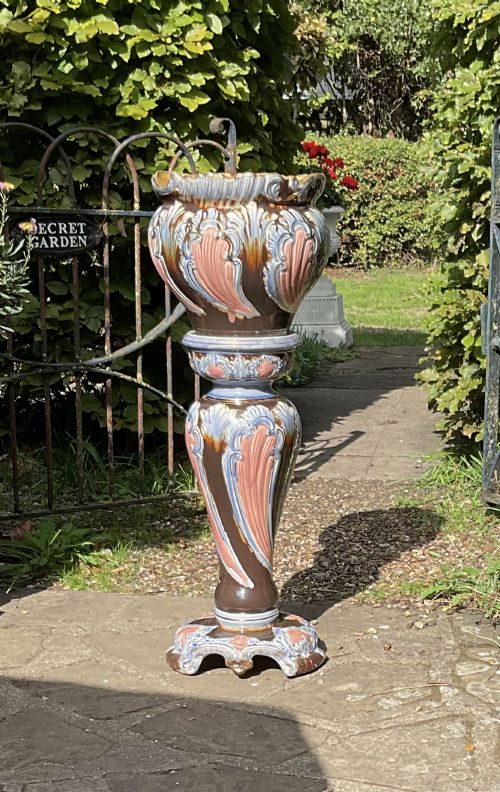
A vintage ceramic jardiniere serves as an ornamental plant holder or cachepot, designed to sit directly on tables, pedestals or the floor. The listings here gather pieces from the nineteenth century through the interwar decades, spanning Victorian, Edwardian, Art Nouveau and Art Deco tastes.
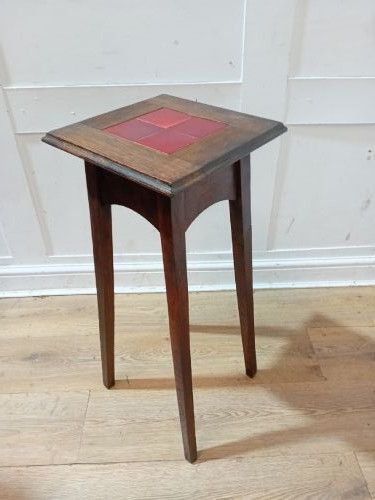
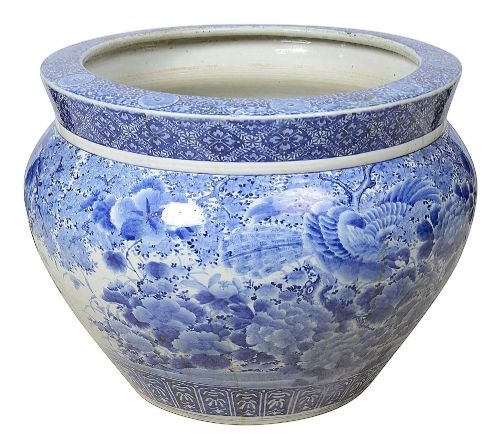
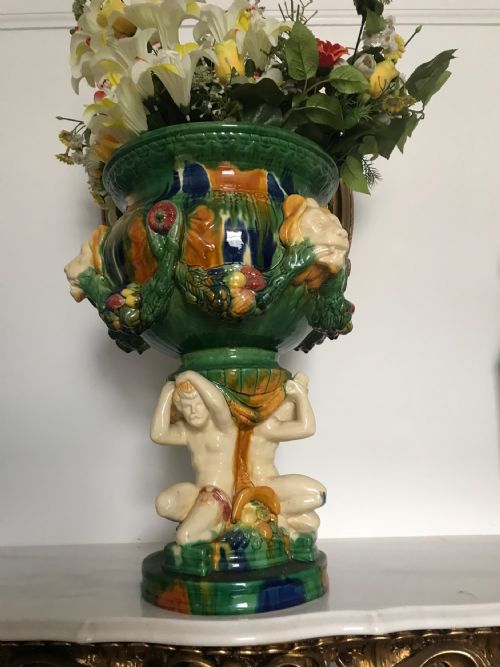
The forms range from compact tabletop cache pots to massive majolica vessels on figural stands, alongside Japanese blue and white porcelain and stoneware imports. Many examples function as centrepiece bowls or pair with stands and plant frames to elevate indoor foliage.
How they were made
Potters shaped these vessels from earthenware, stoneware, terracotta and porcelain, applying glazes that vary from salt-glazed textures to high-gloss painted surfaces. Workshops utilised hand-thrown techniques, mould-casting and applied relief decorations such as lions' heads, naturalistic branches and figurative scenes.
Specialised decorative methods define the periods, including Majolica tin-glazes, transfer-printed blue and white patterns, and Hadley Ware painting. Gilt accents and silver-plated stands frequently accompany the ceramic bodies.
The listings here feature stoneware, terracotta and porcelain across Victorian, Arts and Crafts and Art Deco styles.
What varies in quality
Quality rests in the crispness of moulded relief work, the depth and consistency of the glaze, and the artistic ambition of the painted or modelled details. Pieces bearing named studio artists or established factories display superior control over their ceramic medium.
The presence of matching original stands, figural bases or companion pairs elevates the stature of a vessel, distinguishing standard utilitarian planters from exhibition-grade centrepieces.
Royal Doulton·Doulton Lambeth·Royal Worcester·Enoch Wood And Sons·Julius Dressler·Makuzu Kozan II
The Vintage Ceramic Jardiniere Glossary
- Jardiniere
- An ornamental pot or receptacle for holding flowers or plants. They typically lack drainage holes, functioning primarily as a decorative outer container or cachepot.
- Majolica
- A type of earthenware decorated with opaque coloured glazes over an absorbent tin-glazed body. It became popular during the nineteenth century for vibrant, sculptural plant containers.
- Cache pot
- A decorative flowerpot cover designed to conceal a plain inner plant pot and catch drainage water. French for hiding pot.
- Faience
- Tin-glazed earthenware produced in Europe, often associated with art pottery traditions of the late nineteenth century. It exhibits rich surface painting and tactile glazes.
- Imari
- Japanese porcelain decorated in underglaze blue and overglaze iron red, gold and black. These export wares appeared frequently in Western interiors during the nineteenth century.
Vintage Ceramic Jardiniere: Frequently Asked Questions
How do I use a jardiniere safely?
Place a plastic saucer or a smaller waterproof inner pot inside the vessel to protect the porous ceramic or earthenware body from standing water.
Keep the jardiniere on a stable surface such as a side table, plant stand or protected floor area to support its considerable weight when filled.
Can these planters stay outdoors?
Most antique ceramic and porcelain jardinieres are designed for indoor use in conservatories, orangeries or parlours where they are sheltered from frost.
Terracotta and salt-glazed stoneware can endure milder patio conditions, but freezing temperatures risk cracking glazed or earthenware bodies.
How do I distinguish Victorian from Art Deco pieces?
Victorian examples lean towards ornate naturalistic motifs, Majolica glazes, heavy relief decoration and classical revival styles like Italian Renaissance.
Art Deco vessels favour clean lines, stylised forms, gres ceramic bodies and bold geometric or simplified figural presence.
What is the difference between a jardiniere and a cachepot?
A cachepot is generally smaller and acts specifically as an outer sleeve to hide a plain growing pot.
A jardiniere often describes larger, more substantial vessels that can stand independently on pedestals or function as significant room centrepieces.