
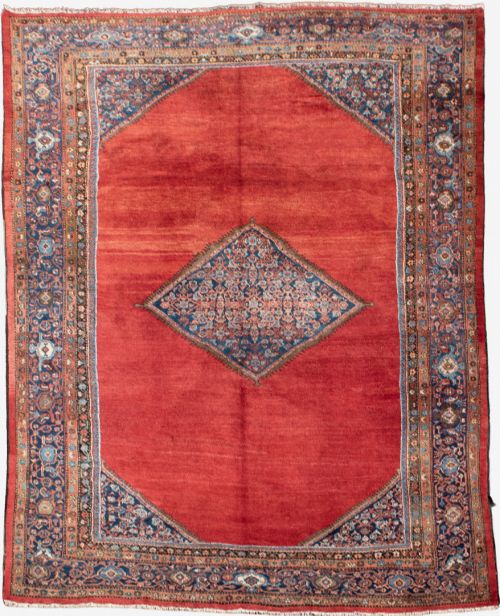
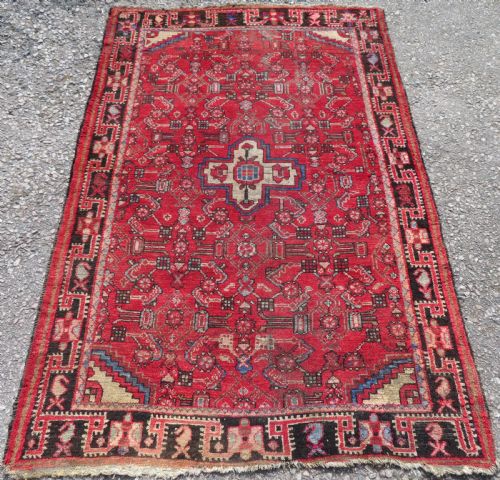
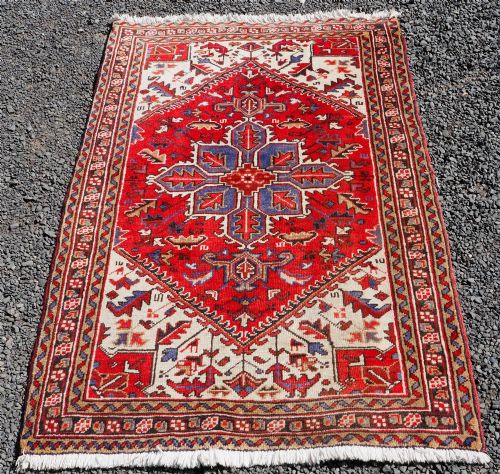
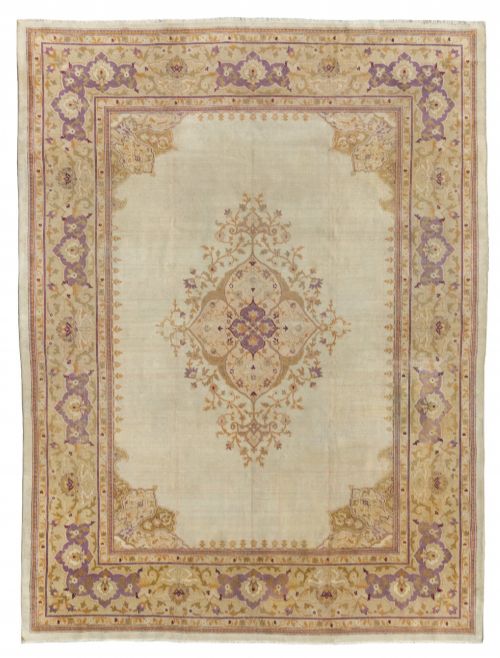
Vintage Central Medallion Rug
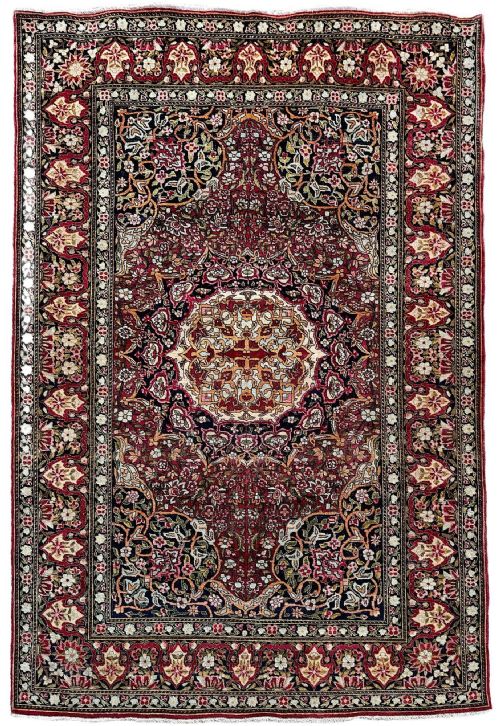
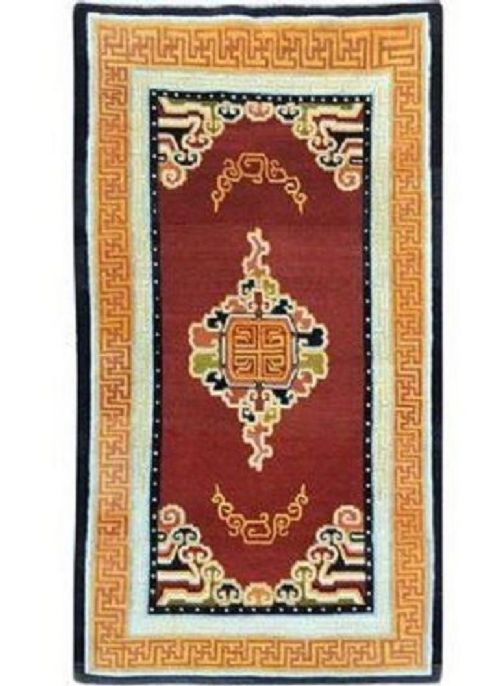
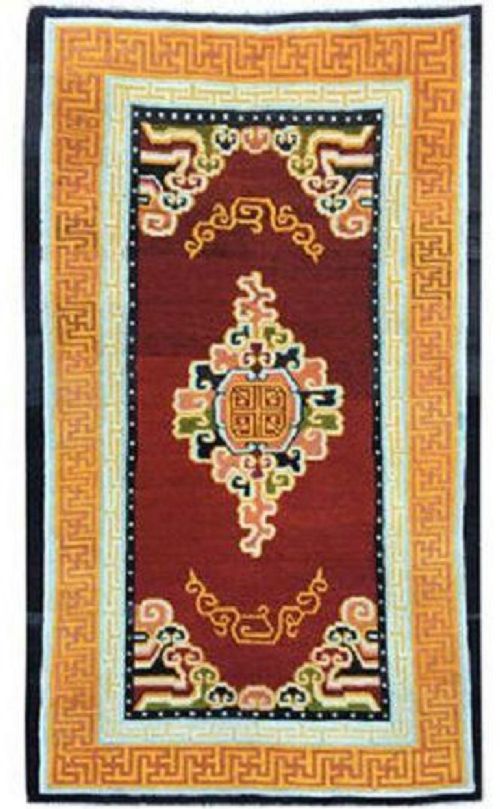
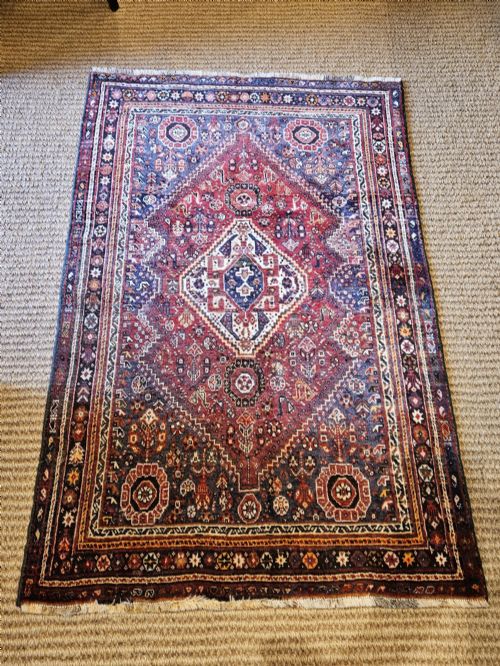
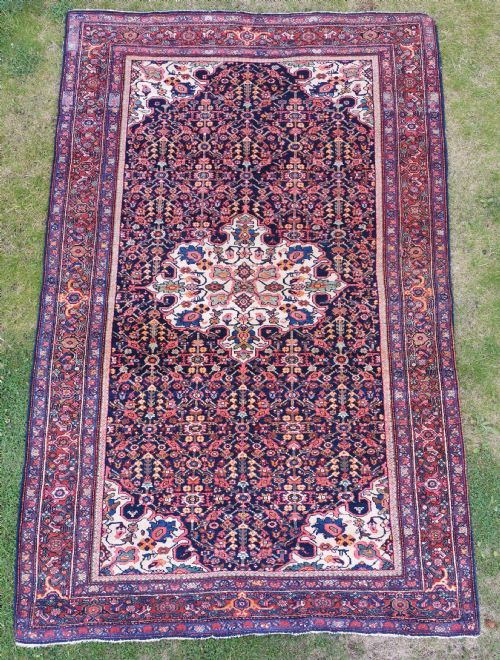
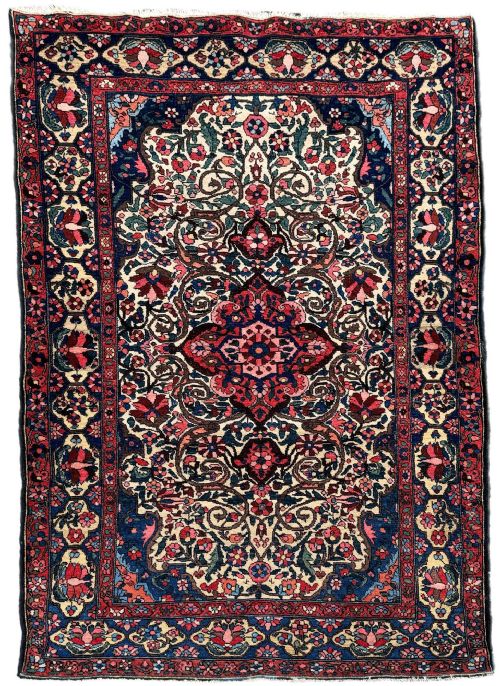
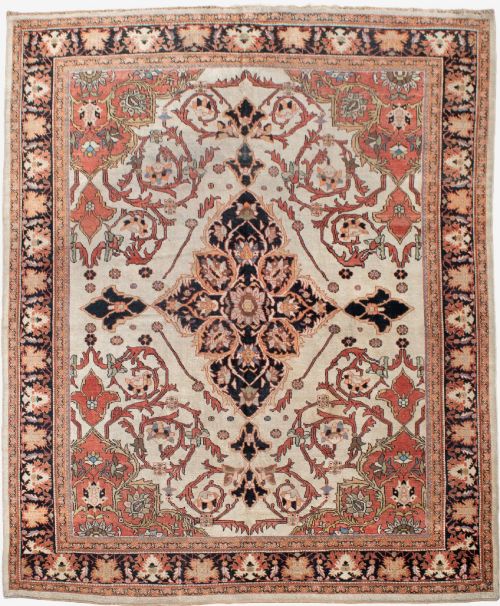
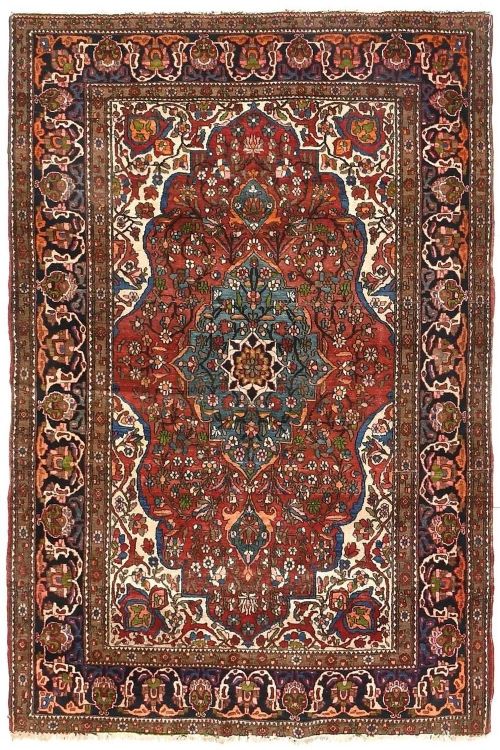
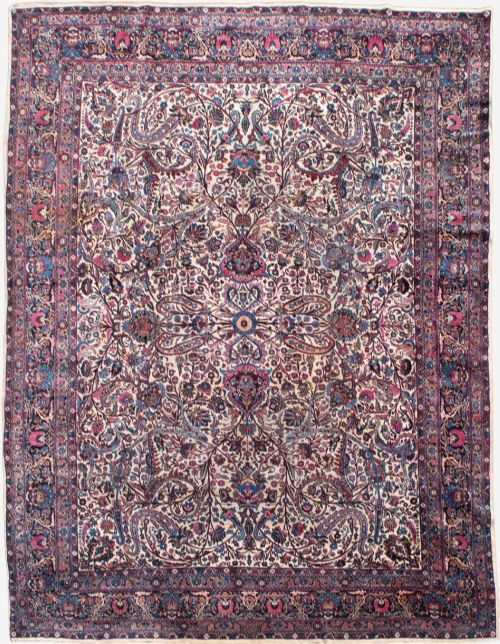
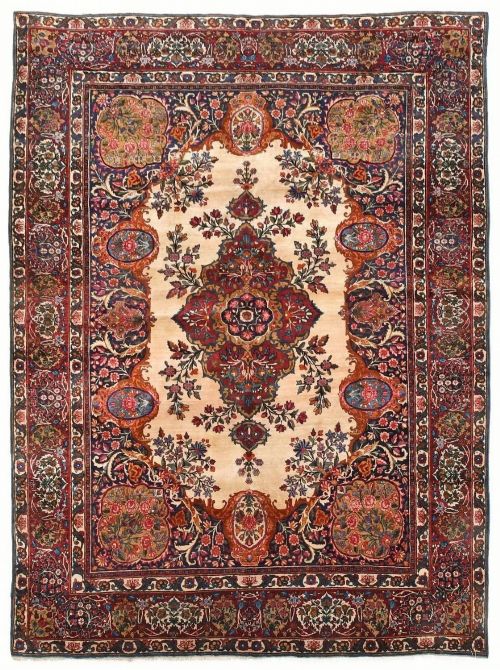
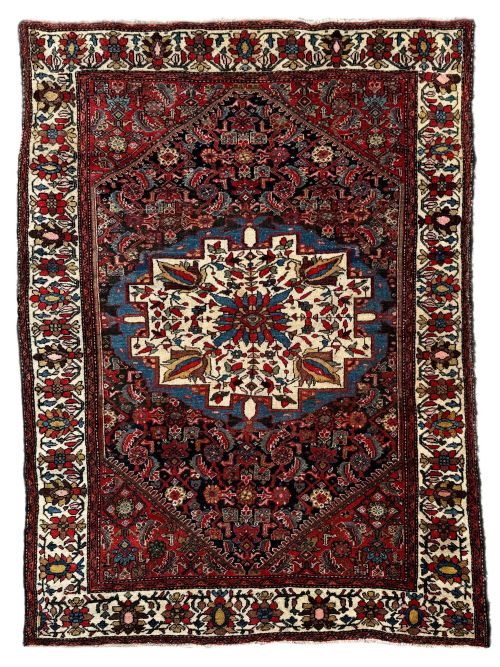
A vintage central medallion rug brings centuries of weaving heritage into a room, offering a distinct focal point through time-tested geometric or floral motifs.
Vintage Central Medallion Rug
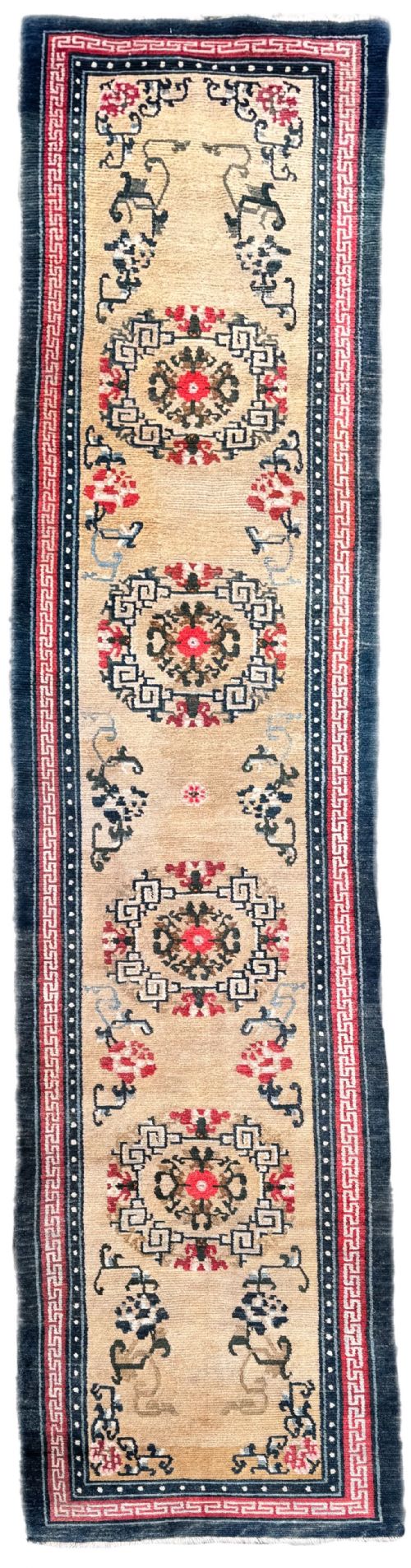
The selections available here range from compact area rugs and runners to room-sized carpets dating from the nineteenth and early twentieth centuries. Buyers encounter specific regional origins such as Isfahan, Kirman, Tabriz, and Oushak among the pieces.
Makers utilised traditional formats including flatweaves, kilims, and piled wool textiles, often integrating camel hair or silk. Each piece reflects the specific decorative vocabulary of its originating district.
How they were made
Weavers constructed these textiles primarily using wool, cotton foundations, and occasionally silk or camel hair. These natural fibres provide both structural resilience and distinct tactile qualities across different regional traditions.
Production methods rely on hand-knotting or flatweaving techniques passed down through generations in workshops and tribal communities. The density of the knots and the preparation of the materials determine the weight and drape of each rug.
Listings span periods from the nineteenth century through the 1930s, utilising wool, cotton, silk, and camel hair.
What varies in quality
The sophistication of the design execution and the precision of the central medallion proportions distinguish different examples. Finer pieces demonstrate careful symmetry and harmonious colour distribution across the field and borders.
Knot density and material selection dictate the structural longevity of the textile. Superior handling of wool and silk yields a denser, more resilient pile that retains definition over decades of use.
The Vintage Central Medallion Rug Glossary
- Medallion
- The central ornamental motif positioned in the middle of the rug field. It serves as the primary visual anchor for the entire composition.
- Spandrels
- The triangular corner pieces situated in the corners of the field surrounding the central medallion. They balance the geometry of the central design.
- Foundation
- The underlying structure of warp and weft threads that supports the pile knots. Cotton and wool are traditional materials for this framework.
- Pile
- The upright yarn surface of the rug formed by knotted threads. Its height and density affect the texture and durability of the piece.
- Warp
- The vertical threads stretched lengthwise on the loom before weaving begins. The fringe typically forms from the exposed ends of these threads.
Vintage Central Medallion Rug: Frequently Asked Questions
How do I style a medallion rug?
Position the piece so the central motif sits unobstructed beneath a coffee table or in an open floor space. This allows the primary geometry to anchor the room's furniture arrangement.
Combine the rug with neutral furnishings to let the traditional colours and patterns stand out without visual competition.
Where were these rugs made?
The pieces originate from various weaving centres across Persia, Anatolia, and Tibet. Specific towns and tribal regions impart distinct design characteristics to each textile.
Districts such as Kirman, Tabriz, Isfahan, and Oushak developed unique palettes and medallion structures that identify their geographic roots.
What materials are used?
Makers constructed these floor coverings predominantly using wool for the pile and cotton for the foundation threads. Some examples incorporate silk highlights or camel hair for added texture.
These natural organic materials contribute to the longevity and ageing process of the textile over time.
How do I determine the age?
Dating relies on stylistic indicators, structural construction methods, and materials recorded from specific production periods. Nineteenth and early twentieth-century examples display specific regional dye usage and weave densities.
Comparing the border designs and knotting style against established regional archives helps narrow down the era of manufacture.