



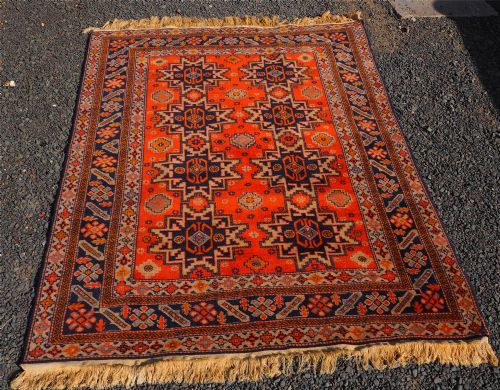
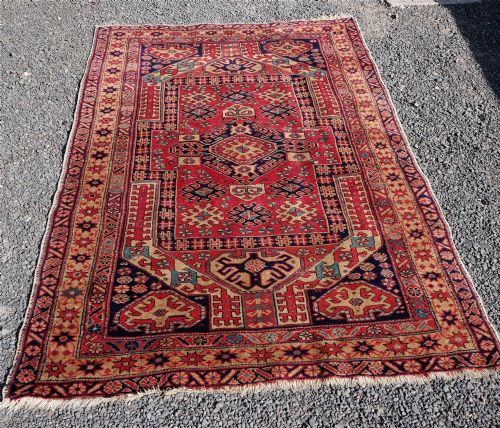
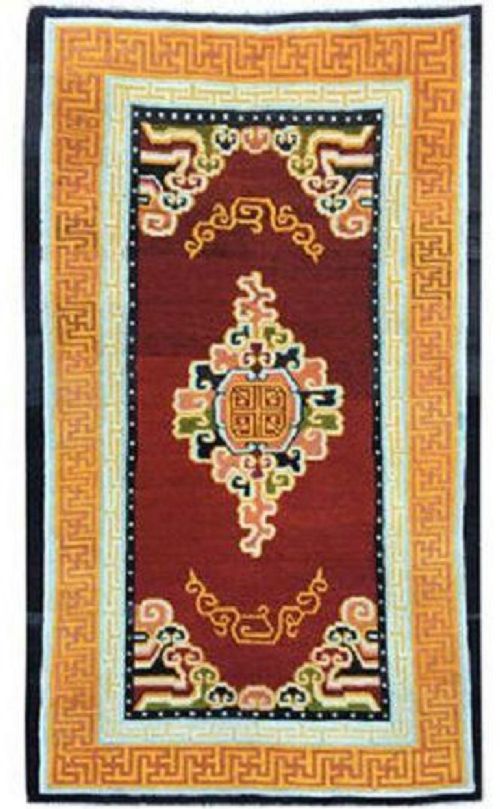
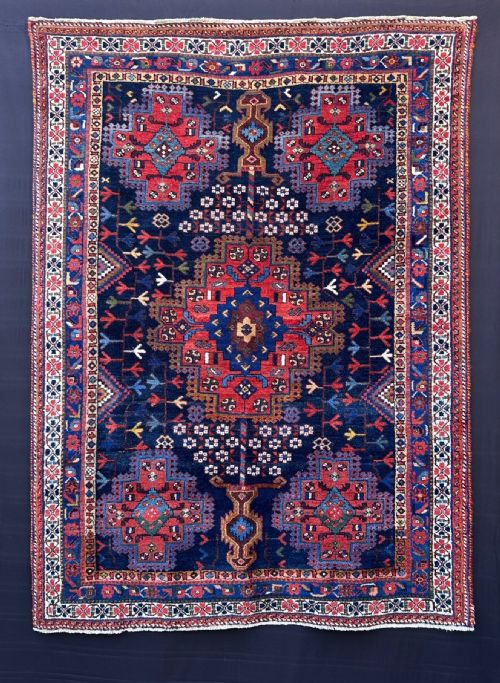
Woven Oriental Area Carpet
A woven oriental area carpet brings centuries of textile artistry and rich dye traditions directly to your floor.
Woven Oriental Area Carpet
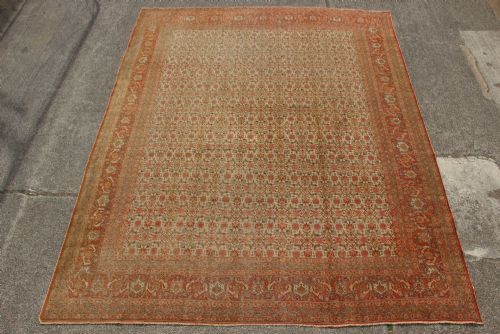
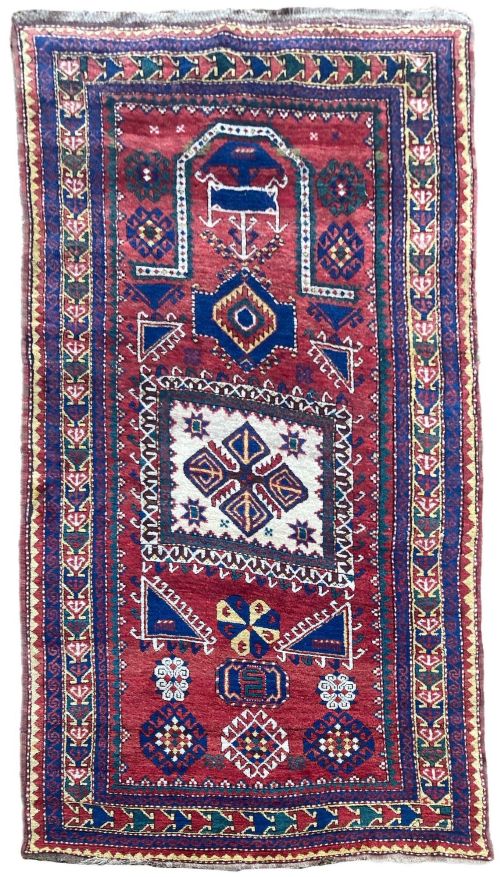
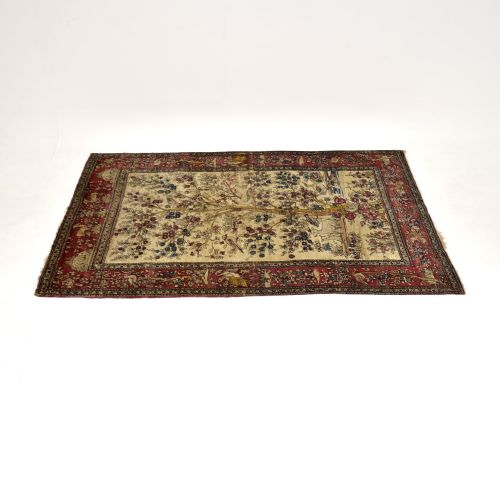
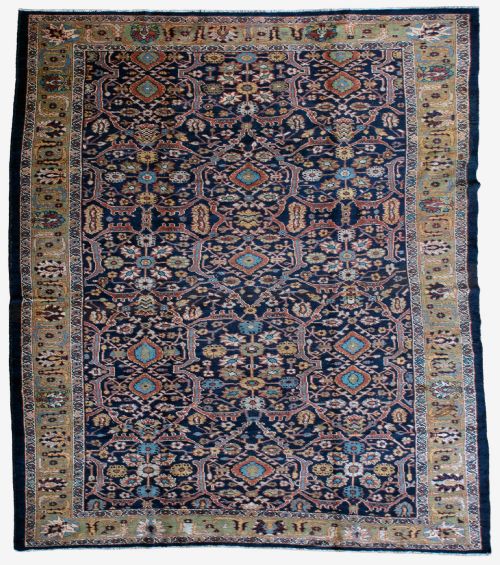
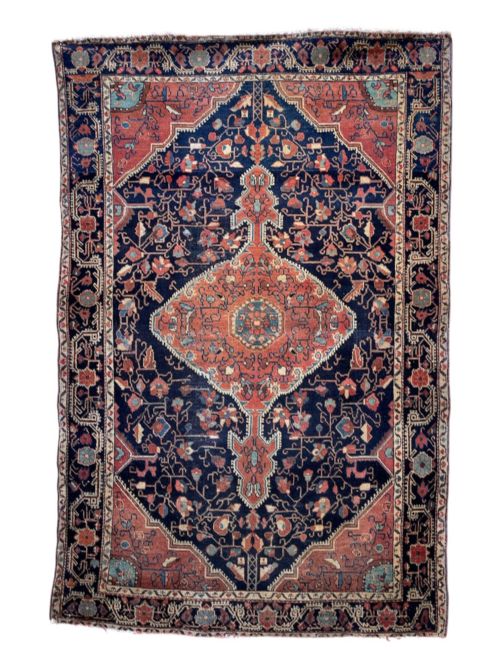
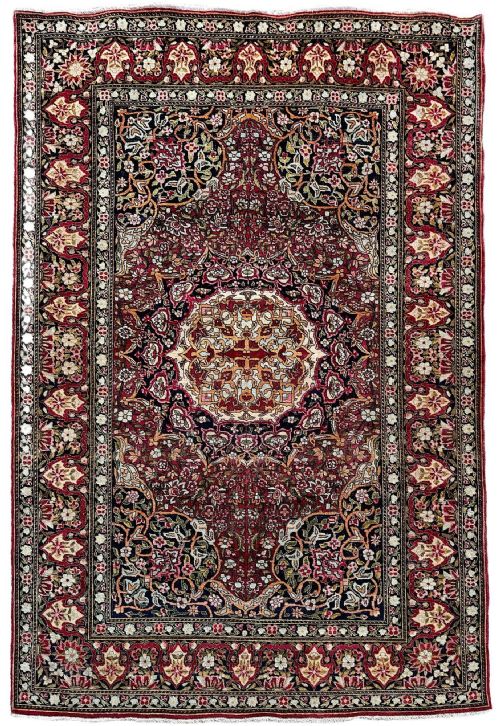
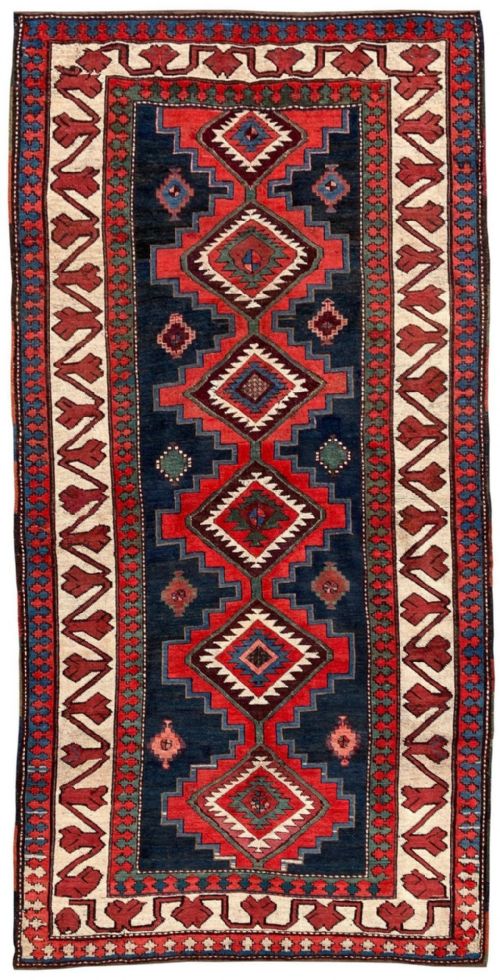
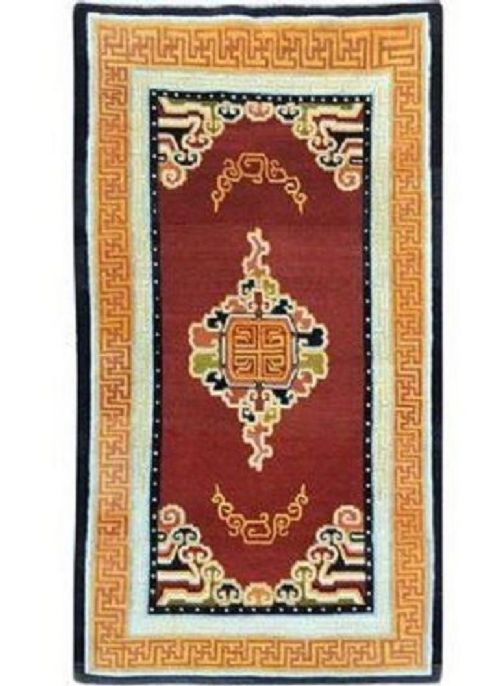
A woven oriental area carpet covers everything from large room-sized floor coverings to smaller hearth-sized pieces originating across Persia, the Caucasus, Tibet, and neighbouring regions. When searching this phrase, a buyer encounters diverse regional types including Heriz, Kazak, Khamseh, and Bakhtiar village weaves.
The majority of pieces seen on this page span the late nineteenth century through to the early decades of the twentieth century. These floor coverings arrive in various formats such as runners, prayer rugs, and substantial main carpets displaying traditional geometric medallions or curvilinear floral motifs.
Materials and Construction
Makers utilised natural materials, relying primarily on wool for the pile alongside cotton foundations and occasional hand-spun wool fibres. Silk highlights appear in specific urban pieces, adding subtle sheen and textural contrast to the wool ground.
Weavers knotted the pile by hand onto warp and weft threads, creating dense structures designed to withstand decades of use. Natural dyestuffs produced the characteristic deep rusts, indigos, and mellow background hues seen across these regional traditions.
Some weavers playfully incorporated tiny accidental misplaced knots into geometric borders, leaving a secret signature of human handwork on the floor.
Quality Variations
Quality rests in the precision of the knotting, the fineness of the wool, and the complexity of the design execution. Urban workshops achieved intricate curves and detailed botanical layouts, whereas tribal pieces showcase robust geometric clarity and expressive asymmetry.
The integrity of the foundation and the preservation of the original borders and selvages determine the structural success of a carpet. Subtle variations in saturation and natural dye shifts indicate the use of traditional immersion dyeing methods rather than synthetic colourants.
The Woven Oriental Area Carpet Glossary
- Pile
- The upright yarn loops that form the tactile surface of the carpet. This layer absorbs foot traffic and displays the woven pattern.
- Medallion
- A central ornamental motif positioned in the middle of the carpet field. It often anchors the surrounding geometric or floral composition.
- Selvage
- The reinforced outer edge binding running parallel to the length of the rug. It prevents the side cords from fraying.
- Warp
- The vertical foundation threads stretched lengthwise on the loom before knotting begins. Weft threads are subsequently passed across them.
- Prayer Rug
- A smaller format rug featuring a mihrab or arch design indicating the direction of prayer. These pieces were traditionally utilised for personal devotion.
Woven Oriental Area Carpet: Frequently Asked Questions
How do I clean a woven oriental area carpet?
Regular gentle vacuuming without a beater bar removes surface dust and grit from the pile. Professional specialist cleaning remains essential for deep washing to protect natural wool and historic dyes.
Avoid chemical spot treatments or saturated home washing methods. Water retention can weaken cotton foundations and cause fugitive historical colours to bleed.
Where were these carpets originally made?
These textiles originated across distinct geographical areas including village and nomadic regions of Persia, the Caucasus, and Tibet. Each producing centre developed unique design vocabularies and colour palettes.
Weavers in areas such as Heriz, Kazak, and Bakhtiar passed down specific knotting techniques and tribal motifs through generations, making regional attribution possible.
How do I date an antique carpet?
Dating relies on stylistic analysis, material composition, and structural characteristics observed in the foundation and knot structure. The transition from natural to early synthetic dyes helps narrow the production era.
Comparative study of regional motifs and provenance markers provides a reliable timeframe, usually spanning the nineteenth and early twentieth centuries.
Are these carpets suitable for heavy foot traffic?
Hand-knotted wool construction provides exceptional durability and resilience for daily residential use. Dense pile and sturdy foundations allow these textiles to withstand years of movement.
Utilising a quality underlay prevents slipping and cushions the foundation fibres against premature wear on hard timber or stone floors.