

Vintage Cellarette
A vintage cellarette is a dedicated storage vessel for wine and spirits designed to keep bottles secure and cool.
Vintage Cellarette
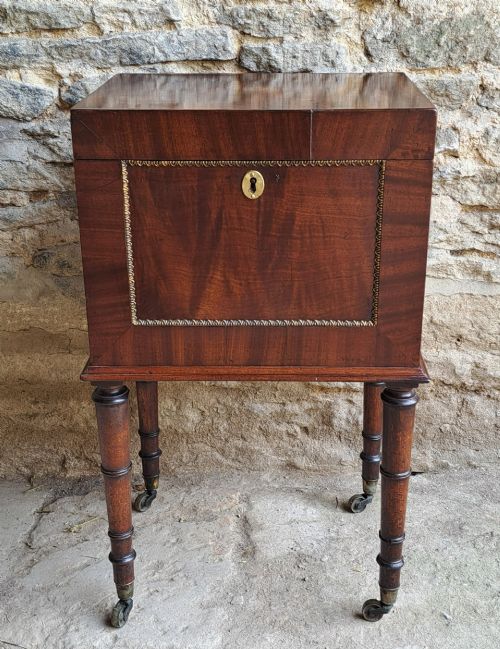
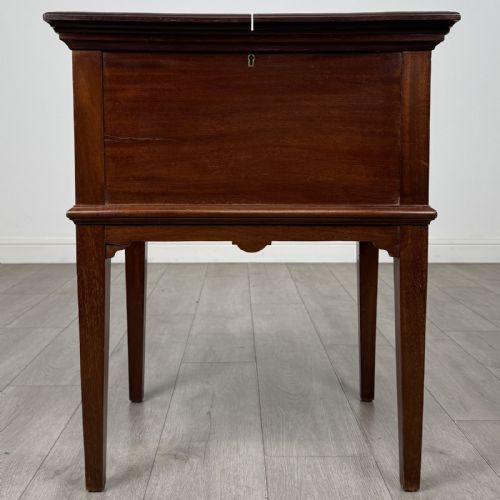
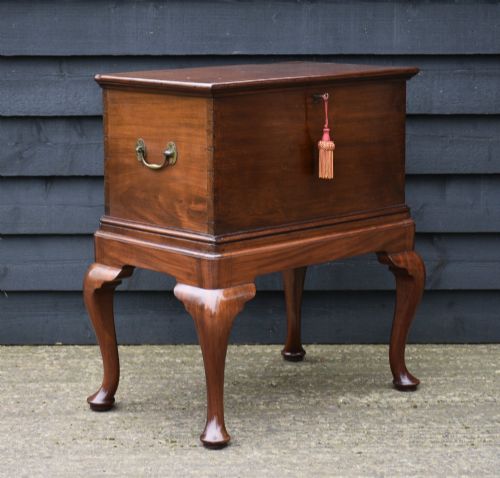
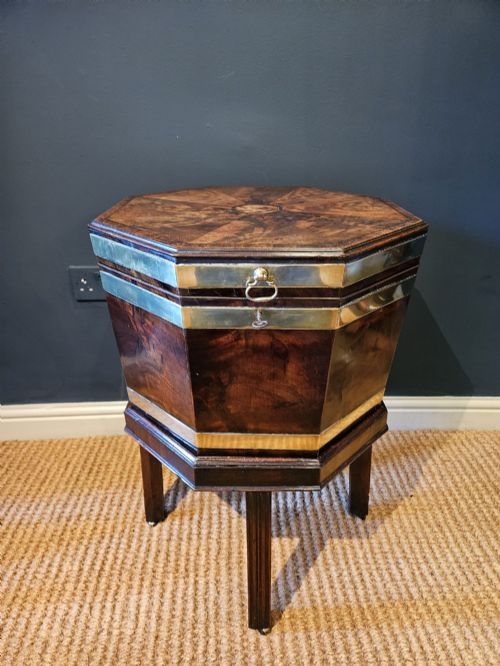
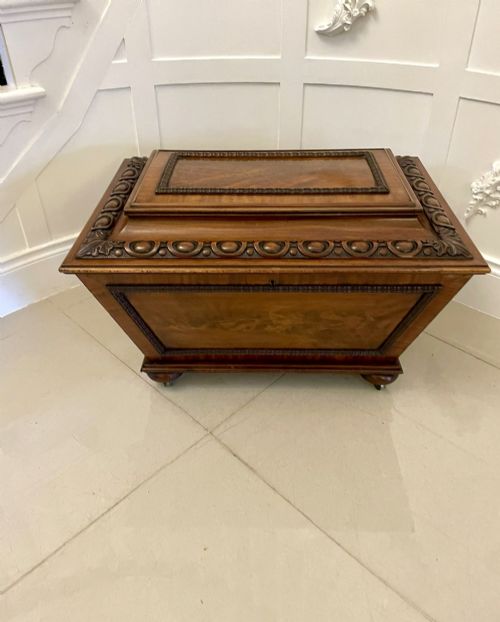
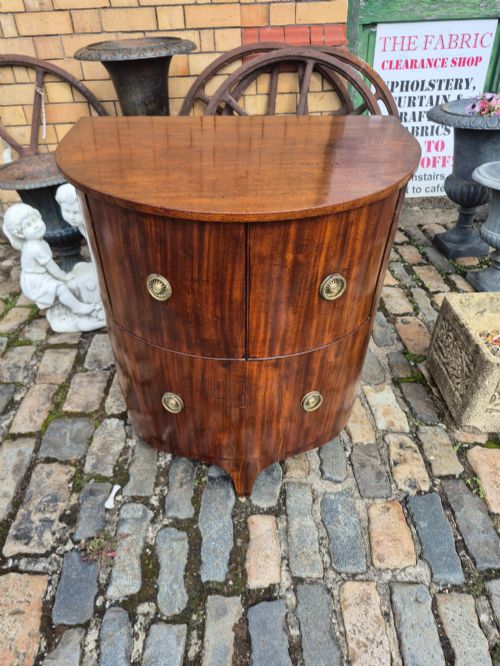
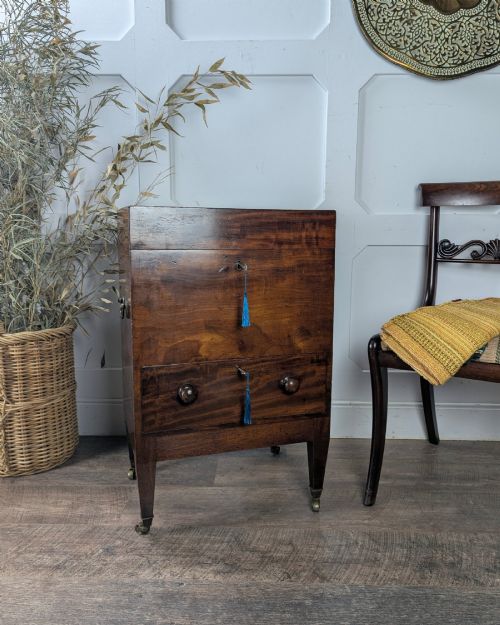
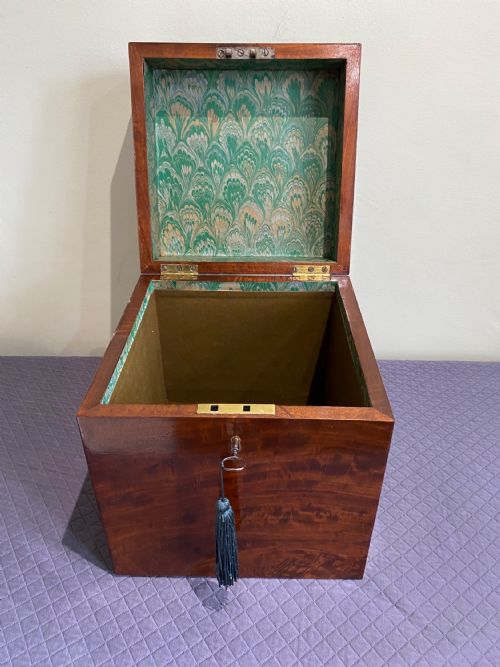
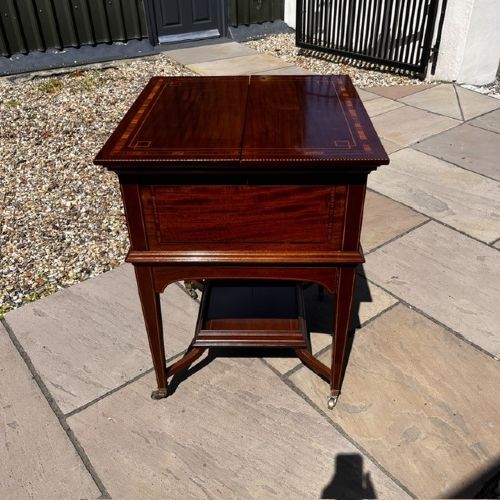
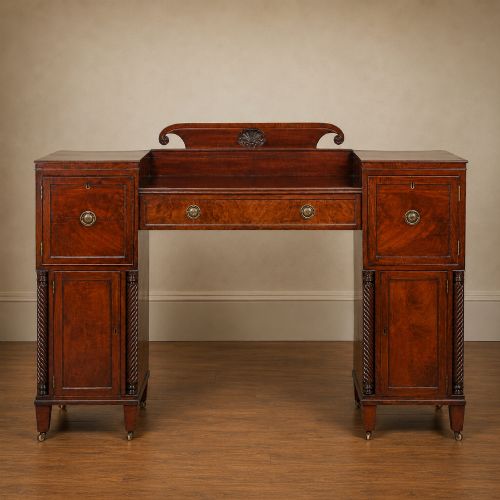
A vintage cellarette serves as a specialised container for holding wine and spirits, appearing across periods from the eighteenth century through the Edwardian era. These pieces manifest primarily as mahogany boxes on stands, sarcophagus-shaped receptacles, or pedestal wine coolers.
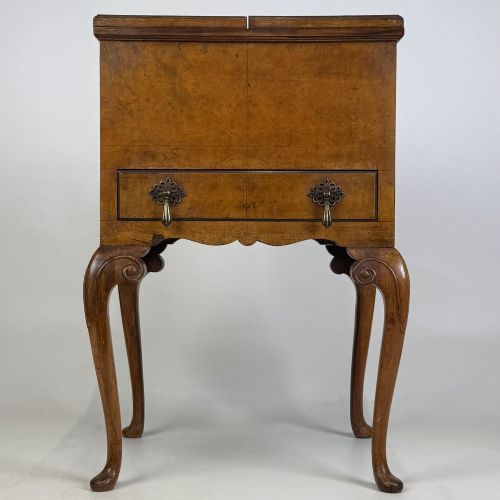
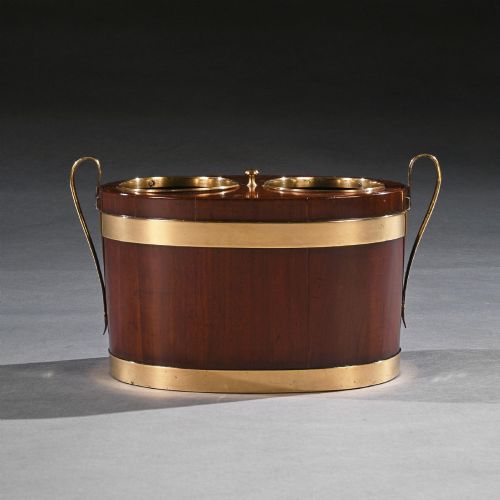
Buyers will encounter forms ranging from George III brass-bound ovals to later Edwardian drinks cabinets and walnut decanter boxes. Many incorporate internal divisions originally intended for cooling bottles with ice or securing individual decanters.
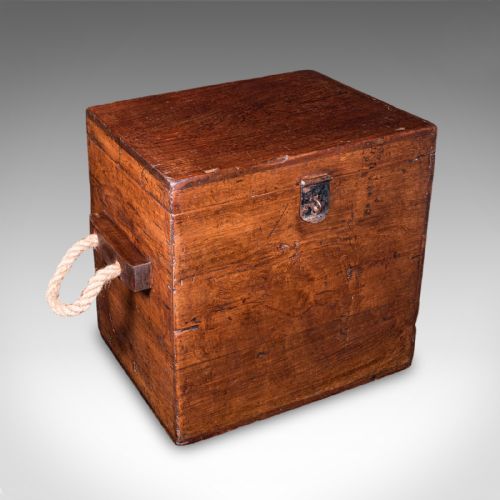
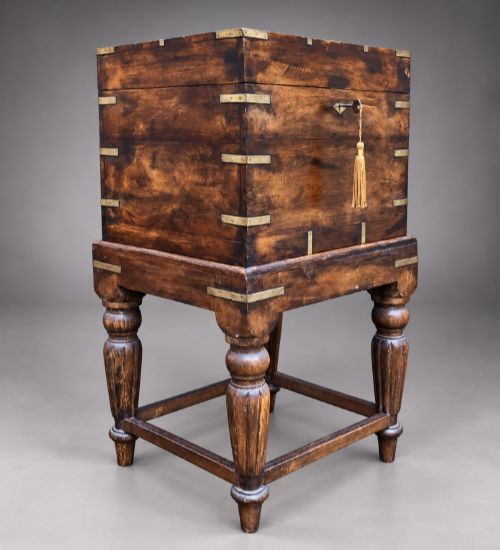
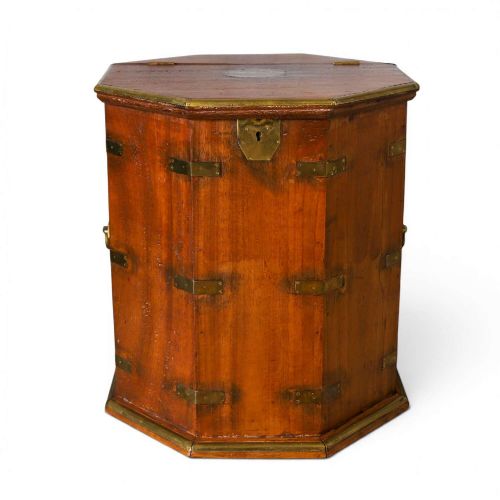
The selection includes variations such as Anglo-Indian wine chests, campaign boxes with hinged lift-up lids, and occasional tables adapted for bottle storage. Each type reflects the shifting domestic habits surrounding hospitality and beverage storage across successive British eras.
Materials and construction
Cabinetmakers relied heavily on dense hardwoods, employing mahogany, walnut, and burr walnut for structural integrity and rich grain patterns. Satinwood frequently appears as a contrasting inlay material on later Edwardian and revival pieces.
Metalwork played a functional structural role, seen in the heavy brass binding and carrying handles fitted to George III and Regency examples. Interior fittings often combined lead linings for ice retention with precision-divided wooden frames for glass decanters.
Vintage Cellarette Retail Price Guide 2026
Typical asking prices for vintage cellarette among the pieces listed under this phrase on Sellingantiques today, from the lower quarter to the upper quarter. They describe what is for sale here now, not the wider market.
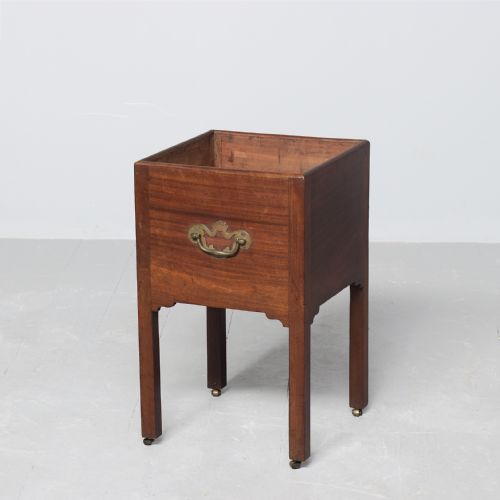
Some nineteenth-century cellarettes doubled as indoor planters or jardinières when the dining room drinks service concluded for the evening.
Assessing the craftsmanship
Quality rests in the selection of timber figures, such as highly figured mahogany or burr walnut veneers, paired with crispness in carved details like paw feet or reeded mouldings. Superior examples retain their original internal divisions, lead linings, and brass hardware rather than later replacements.
The precision of the joinery determines durability, particularly in the construction of heavy storage boxes and sarcophagus bodies that must bear the weight of glass and liquid. Finer pieces demonstrate meticulous attention to internal compartments, hidden drawers, and lock mechanisms.
Gillingtons·Freemans of Norwich
The Vintage Cellarette Glossary
- Cellarette
- A lockable container or cabinet specifically designed for holding wine bottles and spirits within a dining room. They emerged in various forms, including freestanding pedestals, box chests on stands, and sarcophagus shapes.
- Sarcophagus
- A monumental cabinet style shaped like an ancient stone coffin, popular for Regency and late Georgian wine coolers. These heavy pieces often feature scrolled feet and carved lion paw supports.
- Tantalus
- A locking wooden frame holding decanters visible to the eye but inaccessible without a key. This device prevented unauthorized access to liquor by servants or guests.
- Brass bound
- The reinforcement of wooden box edges and corners with flat brass straps secured by screws. This technique provided structural durability for pieces subjected to movement or heavy use.
Vintage Cellarette: Frequently Asked Questions
What is a vintage cellarette used for?
These vessels were originally designed to hold wine bottles and spirits close to the dining table, often containing lead-lined interiors packed with ice to chill the contents.
Today, they function as decorative storage units for modern wine collections, decanters, and glassware within living spaces.
How do I distinguish a cellarette from a regular box?
True cellarettes feature internal divisions, racks, or fitted partitions specifically dimensioned to cradle wine bottles securely during storage.
Many also include metal linings or drainage plugs designed to manage melting ice from the cooling process.
Where were cellarettes placed in a home?
They typically stood beneath sideboard tables or in the corners of formal dining rooms where hosts served wine to guests.
Smaller box forms were frequently placed upon floor-standing tables or low side cabinets for easy access.
How do I care for mahogany and walnut cellarettes?
Maintain the wood by applying traditional beeswax periodically to nourish the grain and prevent the surface from drying out.
Keep the furniture away from direct sunlight and steady heat sources to protect the antique polish and prevent timber splitting.