
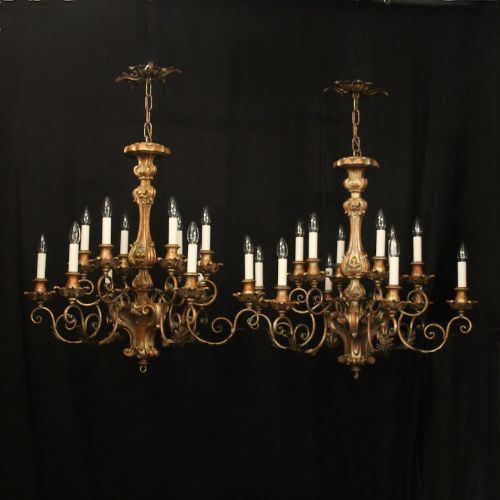
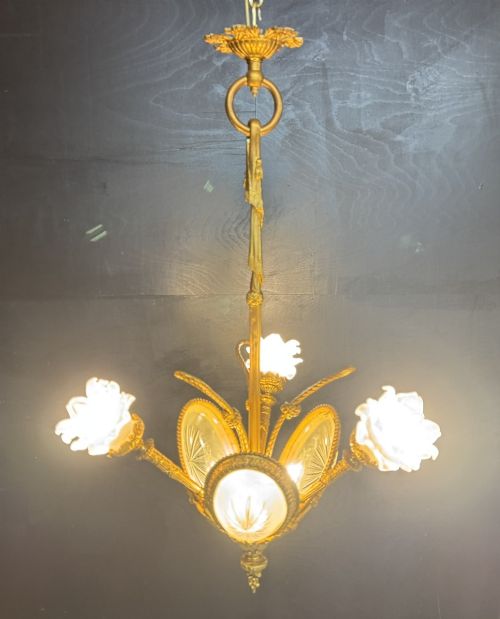
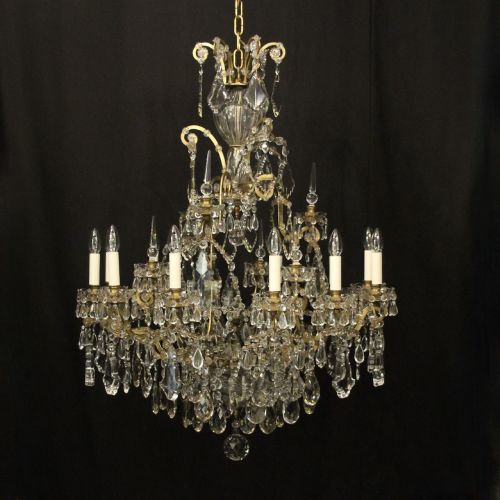
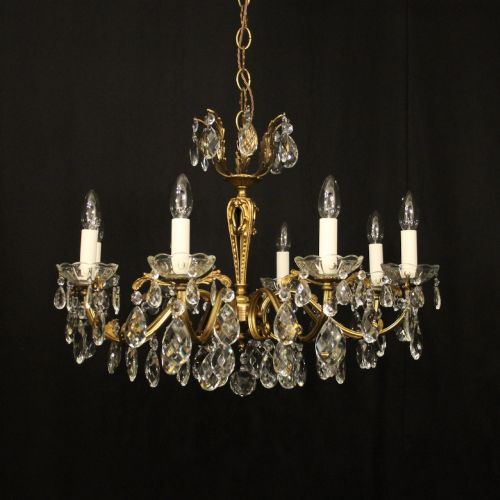
Vintage Ceiling Lighting
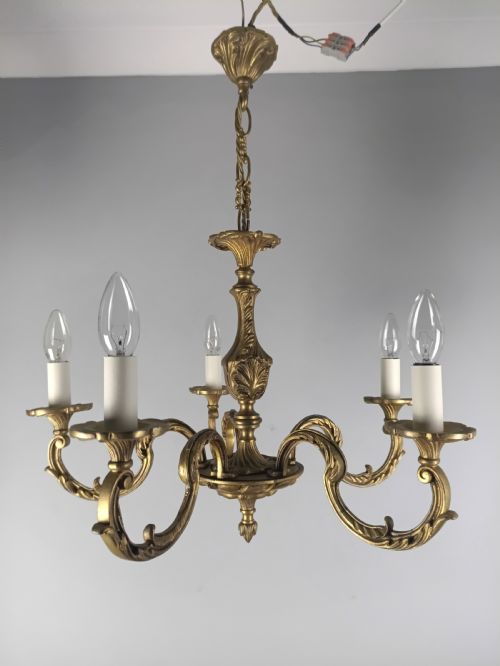
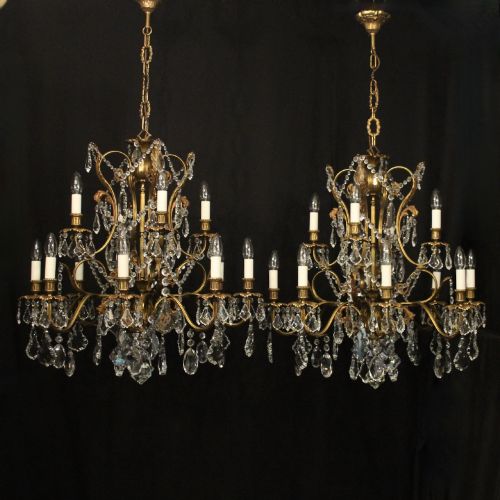
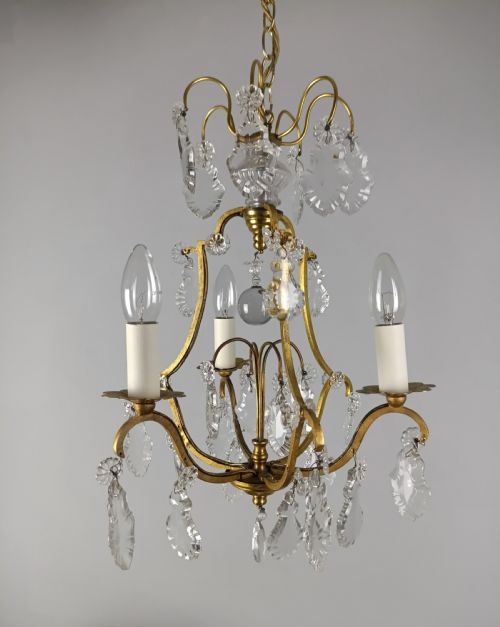
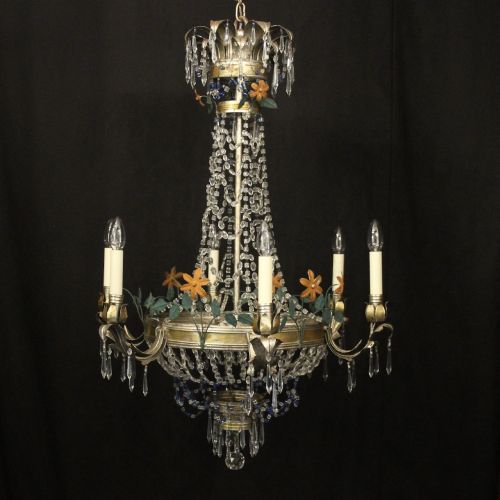
When you select vintage ceiling lighting, you choose overhead fixtures in brass, bronze, crystal and glass that illuminate rooms with historical presence.
Vintage Ceiling Lighting
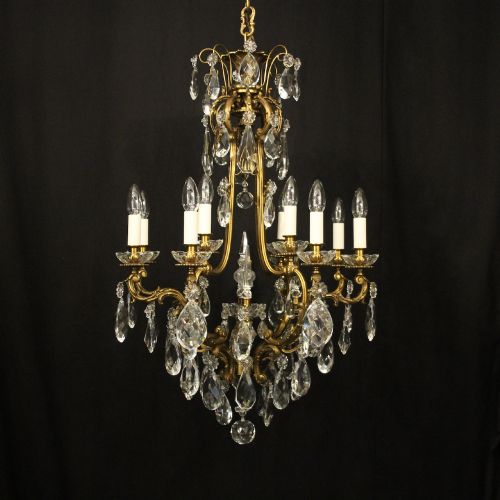
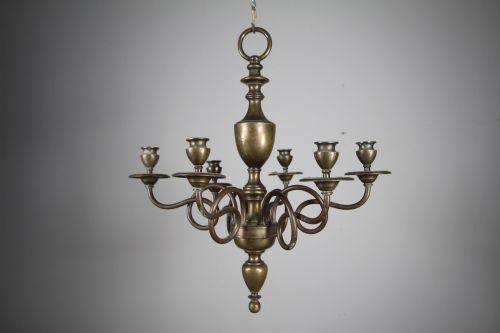
When you search for vintage ceiling lighting, you encounter overhead illumination spanning from the late nineteenth century through to the art deco period. The selection includes chandeliers, pendant lights, hall lanterns and flush ceiling lights originating predominantly from French, English, Italian and Dutch workshops.
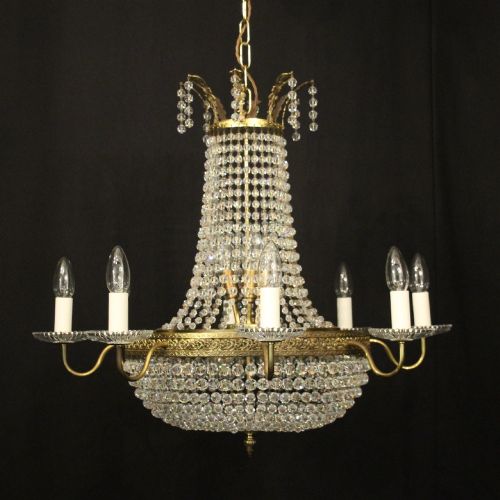
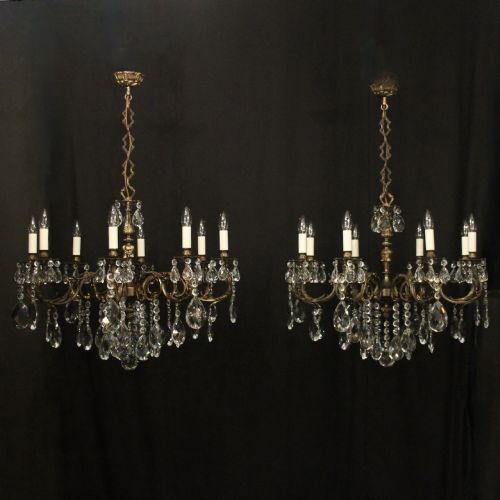
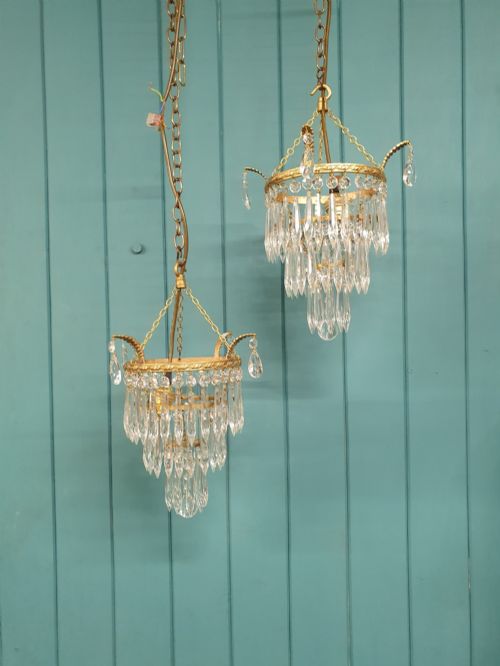
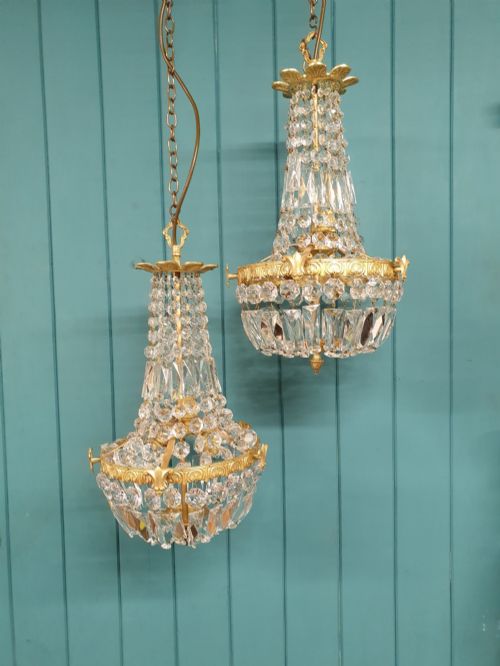
The most common forms on this page are multi-light chandeliers and crystal-adorned fixtures dating from the nineteen-twenties and nineteen-thirties. Alongside these, buyers find period lanterns and specialised architectural ceiling fixtures executed in brass, copper and bronze.
Materials and construction methods
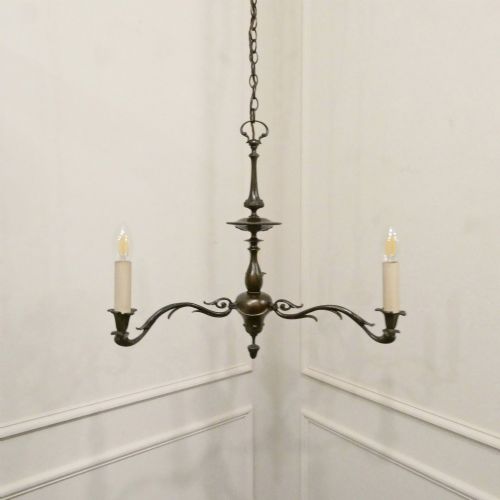
Metals form the structural backbone of these pieces, utilising cast brass, gilt bronze, copper and silvered gilt metal. Artisans shaped these components through traditional foundry casting and hand-finishing, applying gilt layers or maintaining natural patinas on the metal surfaces.
Glass and crystal elements rely on manual cutting and moulding techniques to refract light effectively. Drop crystals, tent formations and waterfall arrangements are suspended from metal frames using wire attachments, while glass shades and plafonniers incorporate pressed or hand-blown techniques typical of early twentieth-century glasshouses.
The listings feature French, English, and Italian pieces spanning the nineteenth century through the art deco period in brass, bronze, and crystal.
Factors determining quality
The precision of metal casting and the clarity of the crystal separate finer examples from standard production. Superior fixtures display crisp relief work on bronze and brass components, alongside high lead content in cut glass that maximises refractive brilliance.
Complexity of design and structural integrity also dictate the tier of a piece. Multi-tier arrangements, such as complex tent and waterfall chandeliers, require meticulous hand-assembly of numerous individual crystal drops to achieve balanced symmetry.
Charles Schneider·Degué
The Vintage Ceiling Lighting Glossary
- Chandelier
- A branched ornamental light fixture suspended from the ceiling designed to hold multiple bulbs or candles. These fixtures utilise arms radiating from a central stem.
- Plafonnier
- A shallow bowl-shaped glass ceiling light mounted flush or close to the ceiling surface. This French style gained popularity during the art deco period.
- Tent and waterfall
- A specific chandelier configuration where crystal strands form an upper triangular tent above a cascading lower shower of drops. This arrangement reflects maximum light across a room.
- Hall lantern
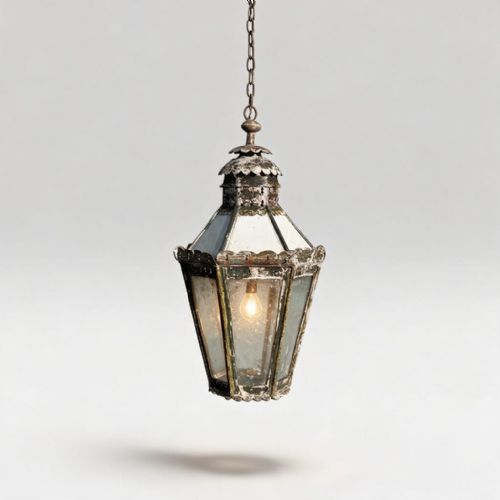
- An enclosed hanging light fixture traditionally used in entranceways and corridors. They feature glazed panels set within metal frames of brass, copper or bronze.
- Gilt bronze
- Metalwork coated with a thin layer of gold using mercury amalgamation or electroplating techniques. This finish protects the underlying bronze while providing a rich golden lustre.
Vintage Ceiling Lighting: Frequently Asked Questions
How do I choose the right size?
Consider the dimensions of your room and the height of your ceiling when selecting a fixture. Larger multi-light chandeliers require adequate clearance and floor space to hang proportionately without dominating the room.
S Smaller pendant lights or flush ceiling fixtures suit compact spaces or lower ceilings where hanging height is restricted.
Are these lights compatible with modern wiring?
Most antique and vintage fixtures can be adapted to meet contemporary electrical standards by a qualified electrician. Rewiring ensures safe installation while preserving the original metalwork and glass components.
It is advisable to check the internal lamp holders and drop rods during installation to confirm they accommodate standard modern bulbs.
How do I identify the period of a fixture?
Dating relies on stylistic markers such as the geometric lines of art deco pieces or the ornate rococo revival details of nineteenth-century designs. Examining the type of metal casting, wiring channels and fastening methods provides further clues.
Comparing the construction techniques with documented examples from specific eras helps confirm the likely decade of manufacture.