
Cut Crystal Ceiling Pendant
These cut crystal ceiling pendant pieces catch the light and anchor a room, bringing period character to ceilings through faceted glass and brass.
Cut Crystal Ceiling Pendant
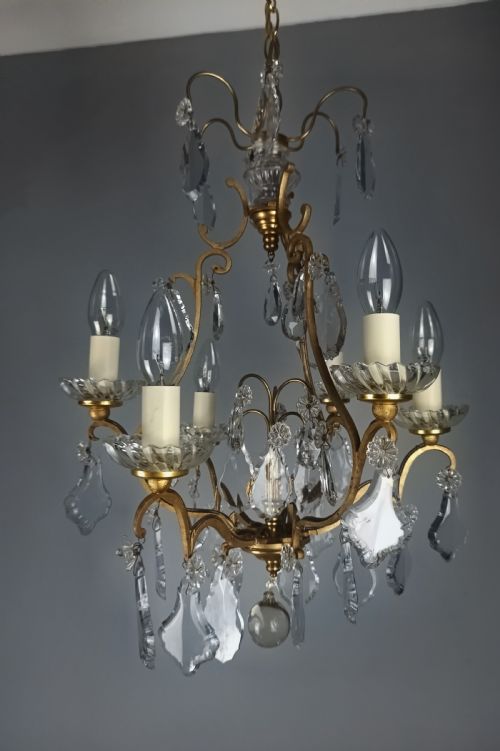
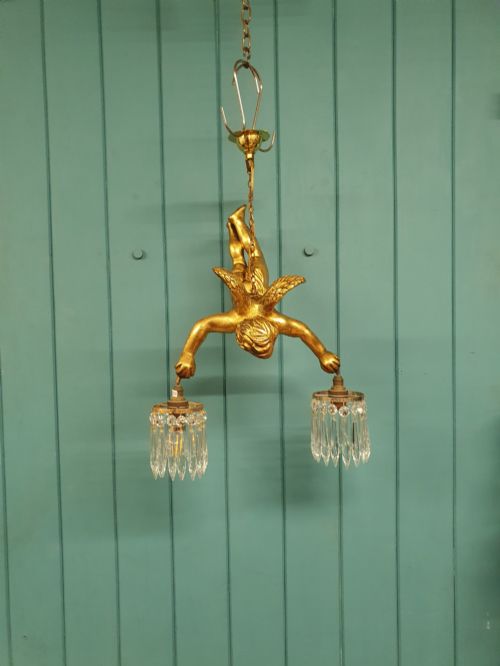
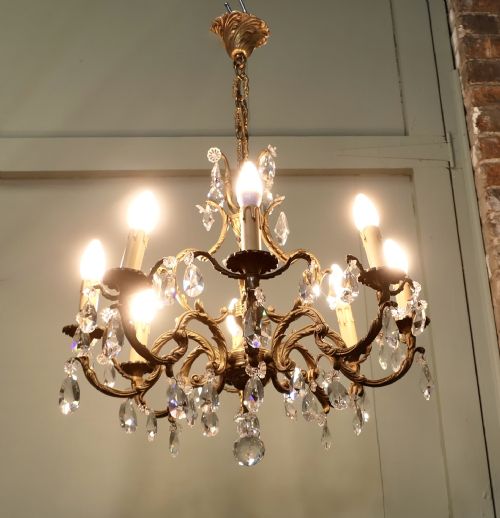
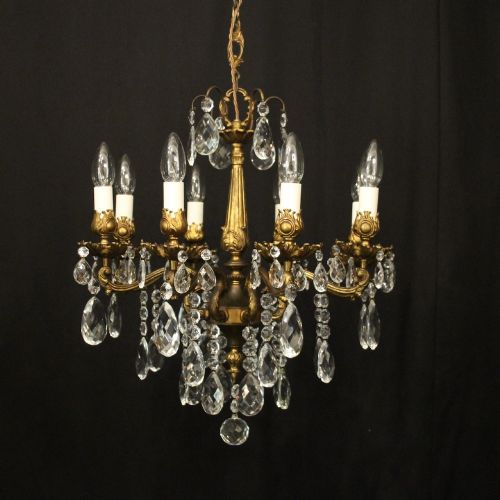
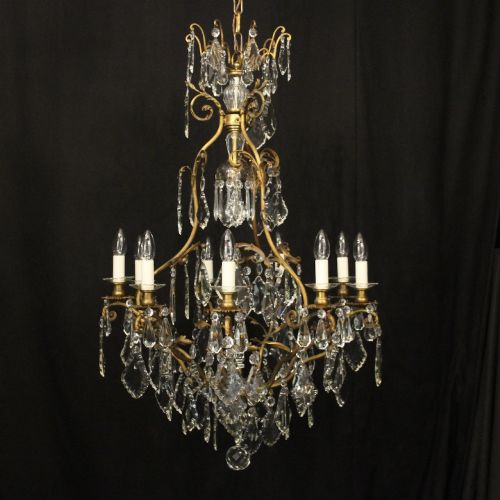
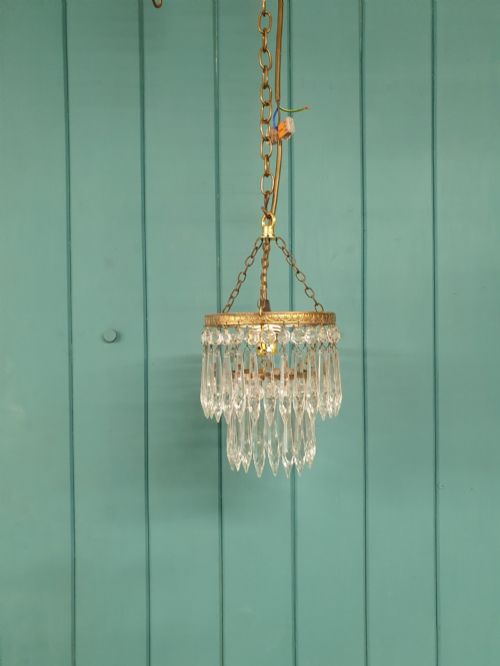
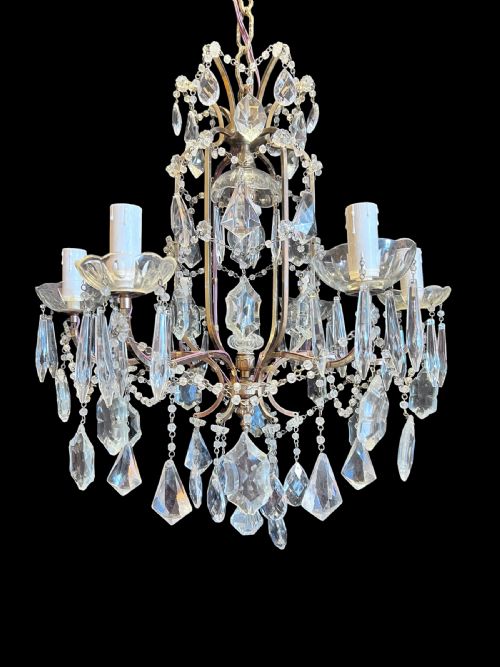
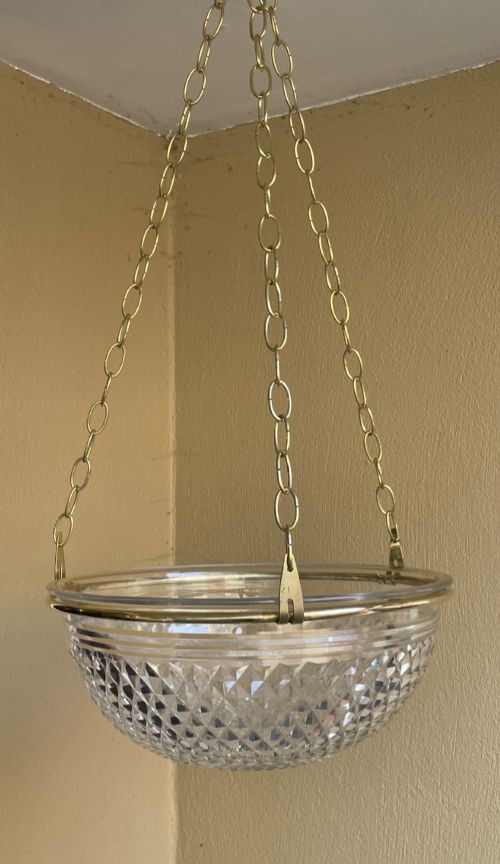
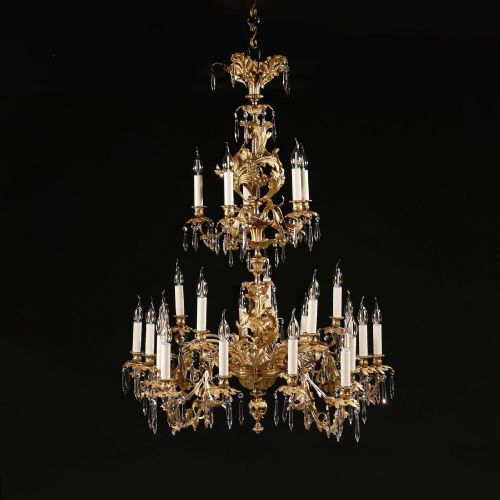
A cut crystal ceiling pendant brings together faceted glass elements and metal mounts to illuminate interior spaces. When exploring this phrase, buyers encounter various forms ranging from compact Edwardian plafonniers to elaborate multi-arm French chandeliers spanning the nineteenth and twentieth centuries.
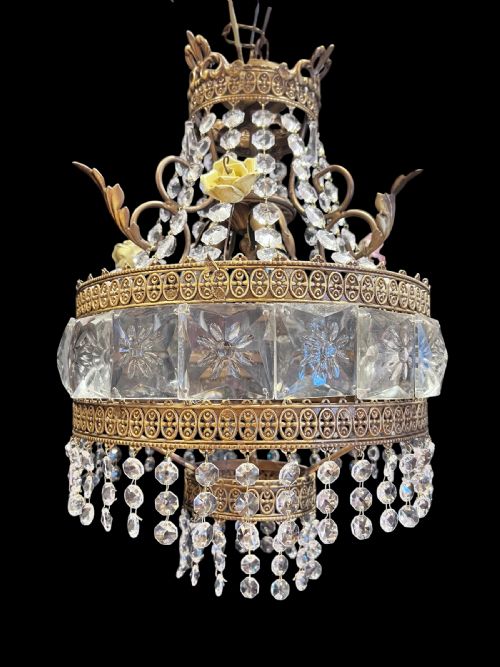
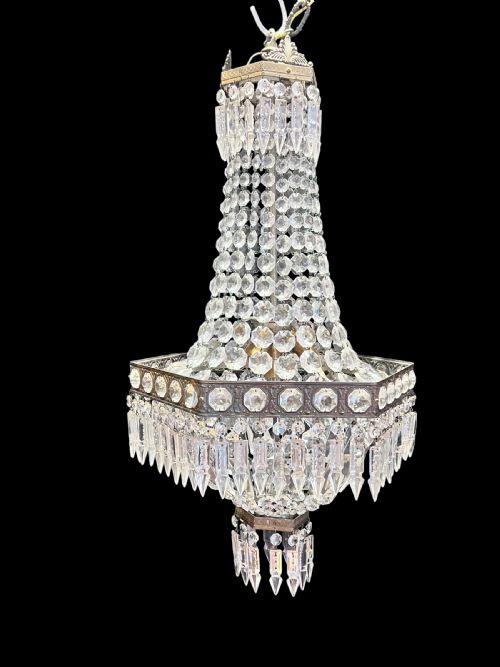
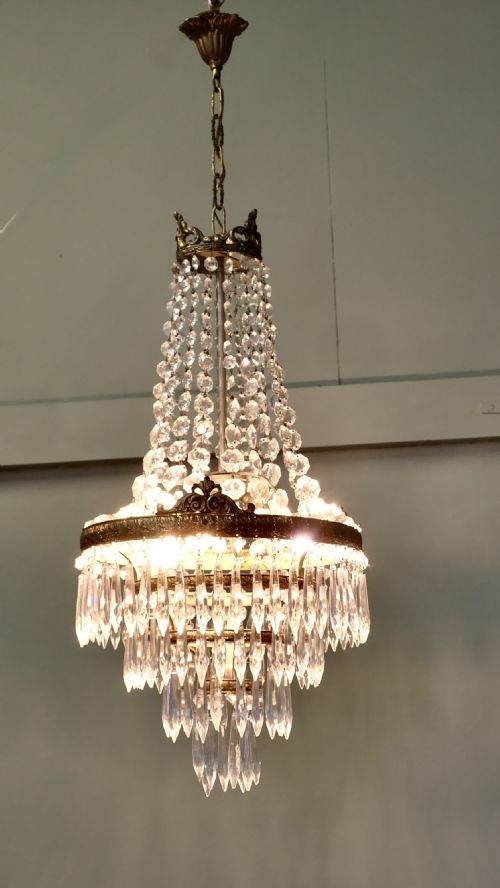
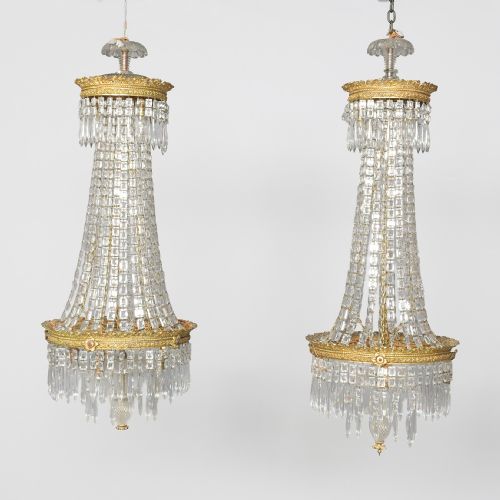
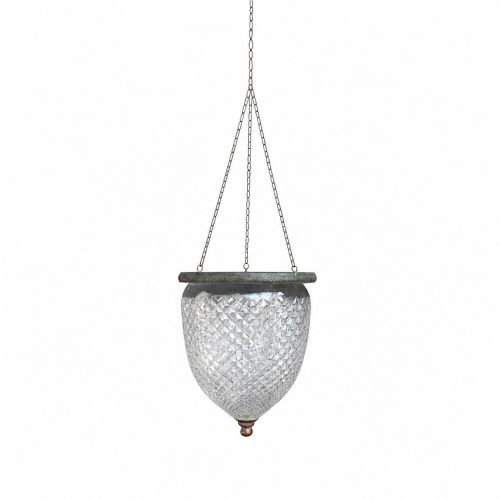
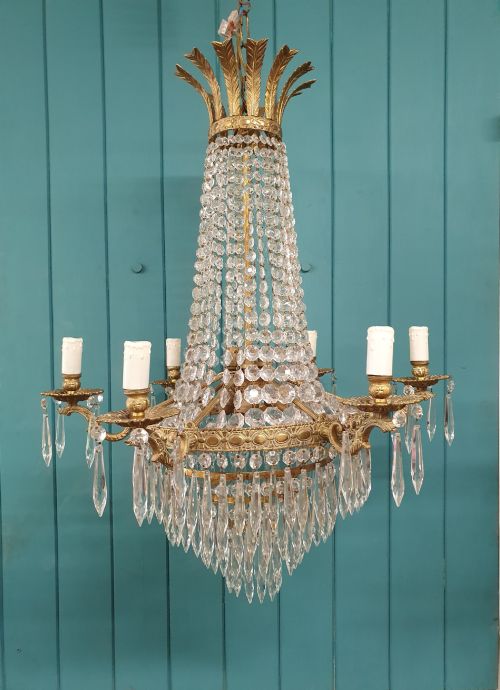
Smaller single-light fixtures and dome or spike chandeliers frequently appear alongside grander tent and bag configurations. These lighting pieces originate from diverse stylistic traditions including French Chateau, Italian Rococo Revival, and Louis Revival movements.
The selection encompasses diverse metal frames paired with cut glass drops, lustres, and beads. Surviving examples demonstrate how lighting design evolved from candle-lit brass frameworks to wired electrical configurations during the early twentieth century.
Materials and construction methods
Makers constructed the structural frameworks primarily from brass, bronze, and gilt metal, often employing silver or gold gilding for decorative effect. These metallic components provide the rigid skeleton required to support suspended glass elements.
Craftsmen shaped crystal and glass components through cutting and faceting techniques to maximise light refraction. Elements such as drops, lustres, beads, and spikes were then attached to frames using wire linkages or integrated directly into galleries.
Some Edwardian brass frames hide fierce lion masks among the crystal drops.
Assessing quality in period lighting
Quality differentiates through the precision of glass cutting and the clarity of the crystal material itself. Superior examples feature deep, sharp facets that refract light cleanly, whereas simpler pieces utilise plain pressed glass.
The sophistication of the metalwork influences overall distinction, seen in cast brass mounts with detailed decoration like lion masks or floral motifs compared to basic spun metal galleries. Harmony between the glass drop configuration and the supporting frame defines the integrity of the design.
The Cut Crystal Ceiling Pendant Glossary
- Plafonnier
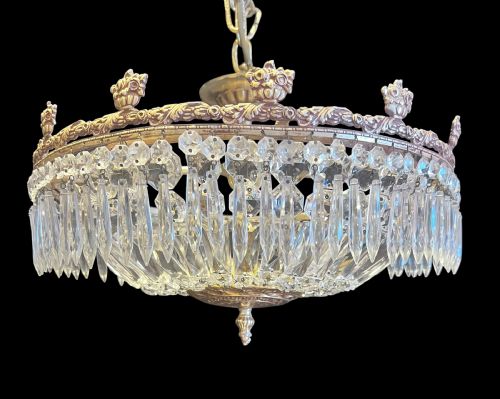
- A ceiling light fitting that sits relatively flat against the ceiling surface. These fixtures often feature glass shades held by metal galleries.
- Tent and bag chandelier
- A lighting form defined by an upper triangular tent of strung crystal beads falling to a lower bag-shaped cluster of drops. This configuration creates a dense cascade of faceted glass.
- Lustre
- A hanging glass pendant cut with facets to catch and reflect light. Lustres are suspended from chandelier arms and frames.
- Gallery
- The metal ring or mount that secures a glass shade or bowl to the ceiling fixture. Original galleries often feature decorative cast patterns.
- Spike chandelier
- A compact hanging light featuring upward or outward pointing glass spikes radiating from a central frame. These fixtures are typical of Edwardian production.
Cut Crystal Ceiling Pendant: Frequently Asked Questions
What periods do these pendants come from?
The pieces span the Victorian era, the Edwardian period, and the early twentieth century up to around 1930. Surviving examples reflect design influences from the nineteenth century through to the interwar years.
Stylistic revivals such as Louis XV and Italian Rococo heavily inform the appearance of many chandeliers and ceiling lights from these decades.
How were these lights originally powered?
Earlier examples were designed for candles, utilising drip pans and sconces to catch wax from burning tallow or paraffin. Mid to late nineteenth and early twentieth century fixtures transitioned to accommodate gas or electricity.
Many surviving pieces have since been rewired with modern electrical flex to meet contemporary safety standards while retaining their period frames.
What is the difference between a plafonnier and a chandelier?
A plafonnier mounts close to the ceiling as a flush or semi-flush dome or bowl light, making it suitable for rooms with lower ceiling heights. Chandeliers suspend lower into the space on chains or rods using multiple arms or hanging crystal drops.
Both categories utilise cut glass and crystal elements, but their architectural footprint within a room differs significantly.
How do I choose the right size pendant?
Selection depends on the proportions of the room and the height of the ceiling. Compact spike and dome fixtures measuring under a foot suit smaller spaces or hallways.
Multi-arm chandeliers and tent and bag configurations spanning over two feet require larger rooms with adequate vertical clearance to hang effectively.