


Vintage Cast Iron Seat
These vintage cast iron seat examples span rugged industrial stools and ornate garden benches, offering robust utility and botanical detail.
Vintage Cast Iron Seat
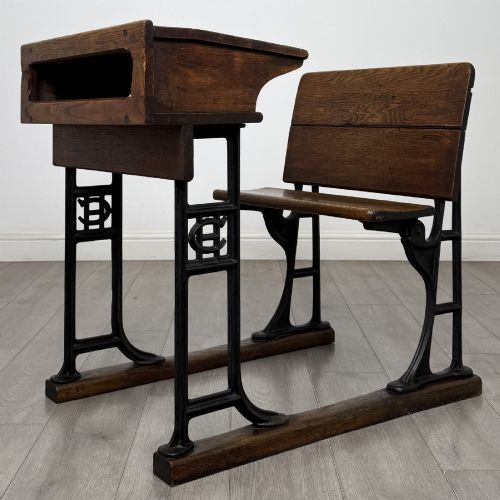
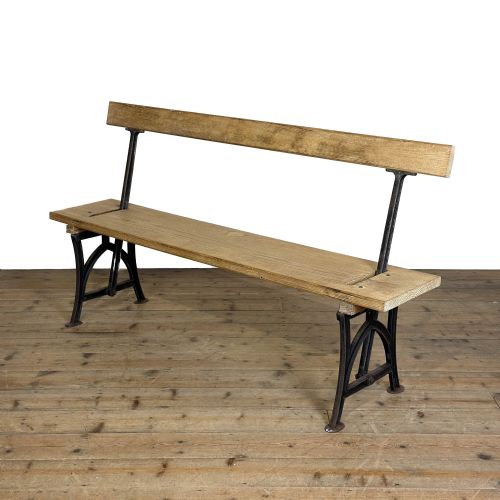
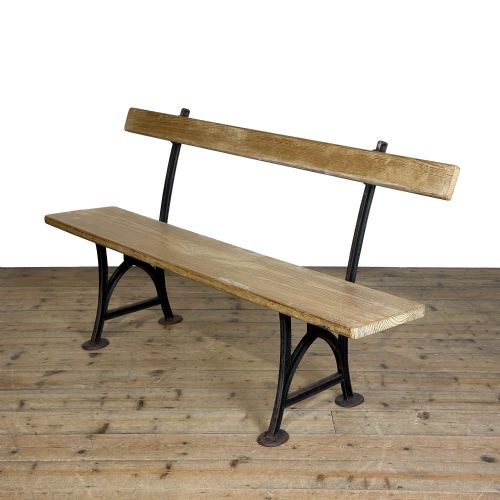
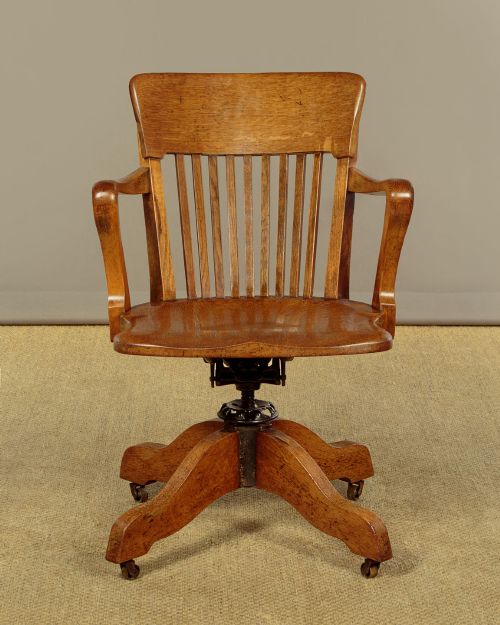
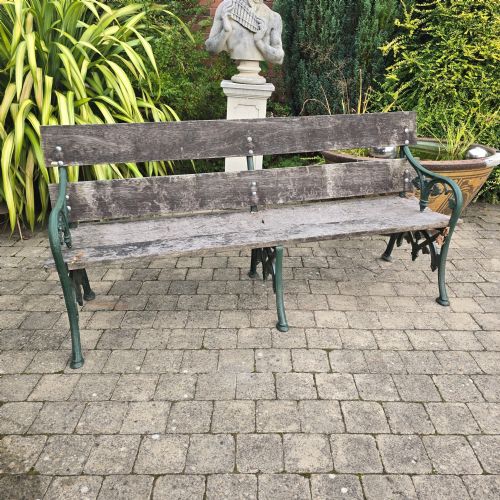
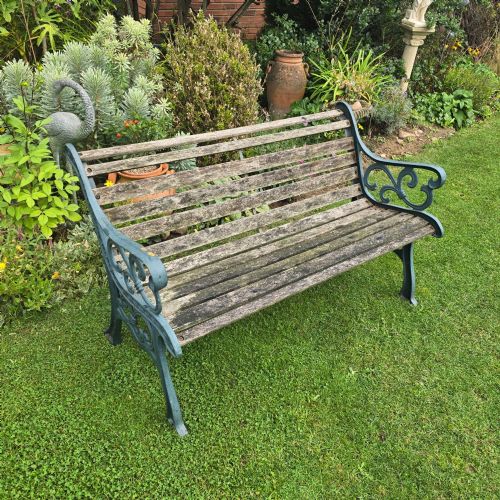
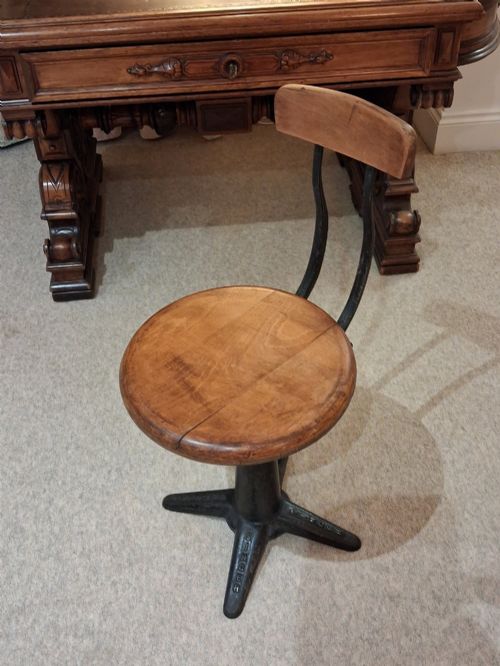
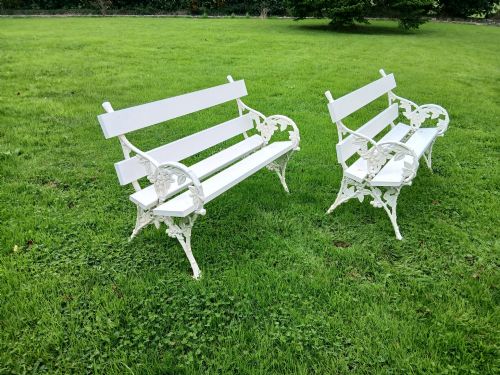
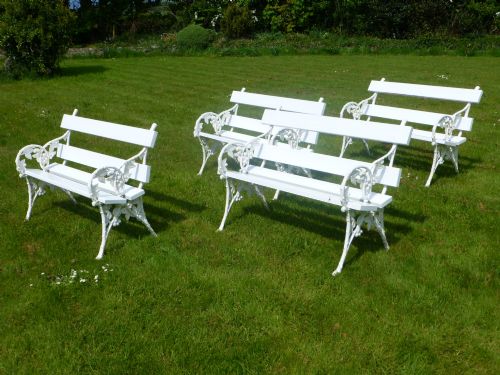
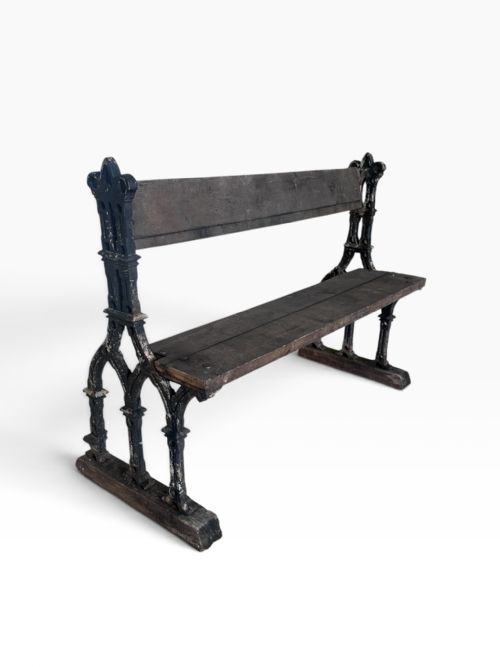
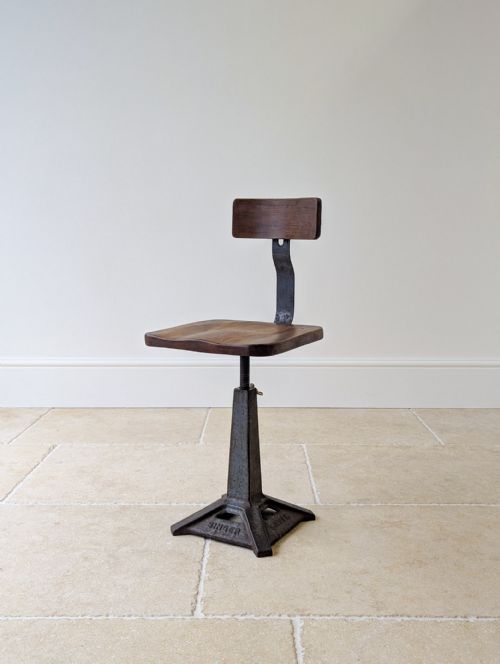
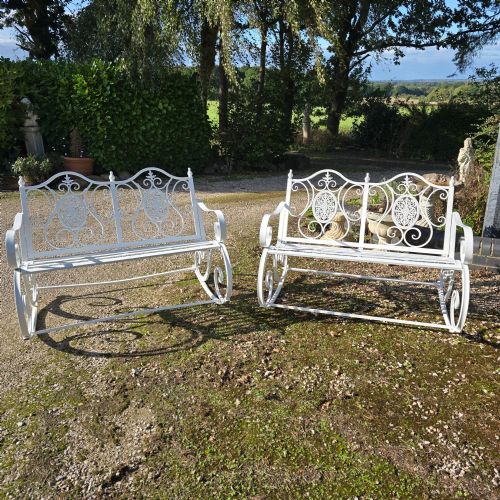
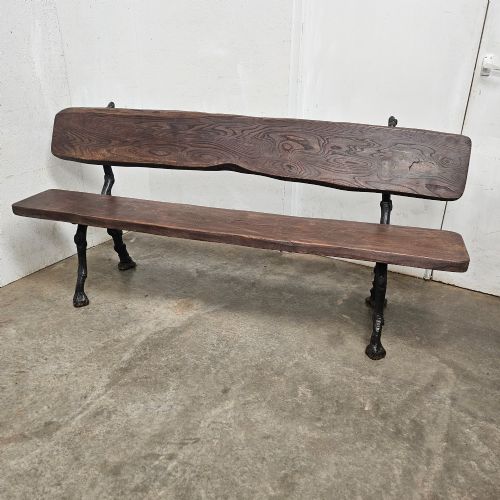
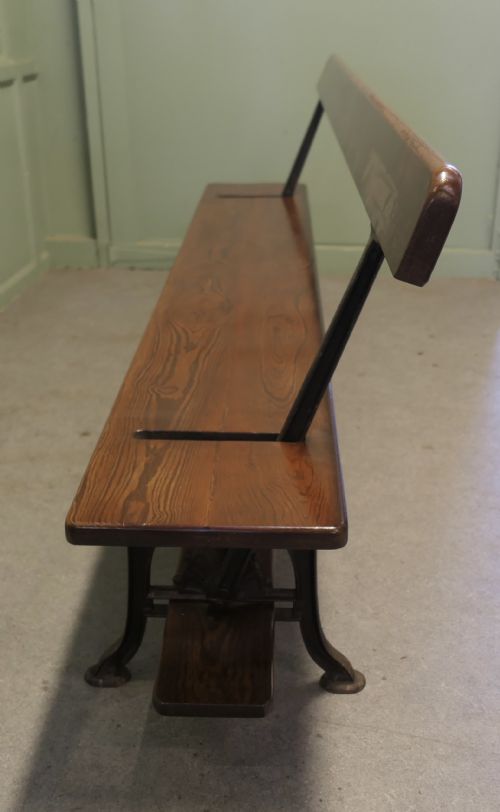
A vintage cast iron seat typically takes the form of a garden bench, an industrial stool, or an occasional chair originating from the nineteenth and early twentieth centuries. These pieces combine heavy metal frames with timber slats, pitch pine tops, or matching cast iron components designed for outdoor lawns or factory floors.
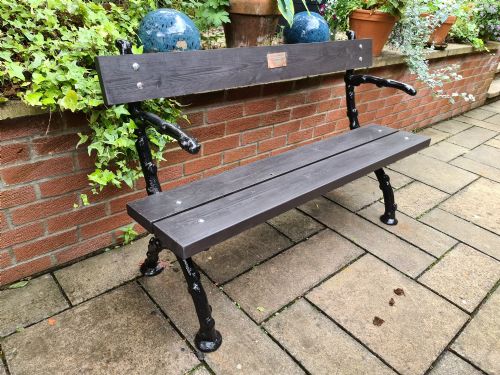
The most common examples encountered on this page are Victorian garden benches and industrial workshop seating from the nineteen-thirties. Buyers often find decorative patterns such as blackberry and leaf motifs, faux bois branch designs, and strapwork alongside utilitarian revolving stools.
Originating from British foundries, French bistros, and maritime contexts like ships and tramways, these items bridge domestic leisure and heavy industry. They suit conservatories, gardens, and modern workspaces alike.
Materials and Casting Techniques
Makers poured molten iron into sand moulds to create intricate openwork backs, lion masks, shell forms, and structural bench ends. This casting process allowed for precise botanical details like veins on leaves and textured bark simulations on faux bois pieces.
Wood elements such as elm, pitch pine, oak, and general timber slats were bolted directly into the metal frames to provide usable surfaces for sitting. Wrought iron and steel also appear in strapwork and adjustable mechanisms, complementing the rigid cast iron bases.
Vintage Cast Iron Seat Retail Price Guide 2026
Typical asking prices for vintage cast iron seat among the pieces listed under this phrase on Sellingantiques today, from the lower quarter to the upper quarter. They describe what is for sale here now, not the wider market.
Listings feature nineteen-century and early twentieth-century items constructed from cast iron, wrought iron, pitch pine, elm, and marble.
Distinctions in Quality
Quality in a vintage cast iron seat rests on the crispness of the foundry work and the attribution to known makers such as Coalbrookdale, Falkirk, or Singer. Sharp relief in leaf patterns and animal motifs distinguishes superior castings from worn or later reproductions.
The integrity of the marriage between the metal frame and the wooden components dictates the overall standard of survival. Original timber or accurately replaced pitch pine and elm that respect the period proportions maintain the piece's structural harmony.
Falkirk Carron Foundry·Christopher Dresser·Rubery Owen·Coalbrookdale·Singer·Evertaut
The Vintage Cast Iron Seat Glossary
- Faux bois
- A technique mimicking wood grain and branches in cast iron or concrete. Victorian makers utilised this naturalistic style extensively for garden benches.
- Strapwork
- Flat bands of metal interwoven or riveted to form geometric patterns. This technique appears frequently on nineteenth-century garden bench frames.
- Foundry
- A workshop where metal is melted and poured into moulds. Famous examples include Coalbrookdale and Falkirk, which produced marked outdoor seating.
- Pitch pine
- A durable, resinous wood frequently used for workshop stool tops and bench slats. It withstands heavy industrial and outdoor use.
Vintage Cast Iron Seat: Frequently Asked Questions
How do I maintain a cast iron garden seat?
Keep the metal clean and protect it with suitable paint or wax to prevent rust accumulation from outdoor exposure. Regularly check the bolts securing the wooden slats to the iron frame.
Store the pieces under cover during harsh winter months to preserve the timber components and the integrity of the original paint finishes.
Are these seats suitable for indoor use?
Many industrial stools, revolving workshop chairs, and salon seats integrate seamlessly into interior dining spaces and studies. Their robust metal structures provide sturdy, distinctive seating for modern rooms.
Garden benches with heavy cast iron ends also find places in large hallways and conservatories when paired with appropriate floor protection.
How can I identify a Victorian piece?
Victorian examples often feature registration marks, specific foundry stamps like Coalbrookdale, or naturalistic motifs such as ferns, grapes, and faux bois branch work. The weight and density of the nineteenth-century iron differ noticeably from later twentieth-century castings.
Construction methods, including hand-cut bolts and specific wood types like pitch pine or elm, help confirm the nineteenth-century timeline.
What is the difference between bench ends and a complete seat?
Bench ends are the cast iron side supports sold separately or restored with newly cut timber slats, whereas a complete seat includes its original wooden or iron seating surface.
Complete pieces retain their factory-fitted timber and overall historical configuration, while bench ends allow for custom timber lengths during restoration.