


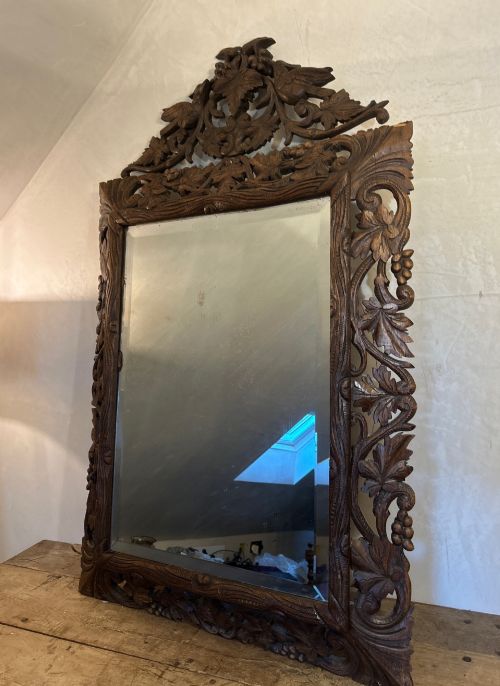
Vintage Carved Wood Frame
A vintage carved wood frame brings warmth and texture to a room, enclosing mirrors and pictures with centuries of craftsmanship.
Vintage Carved Wood Frame
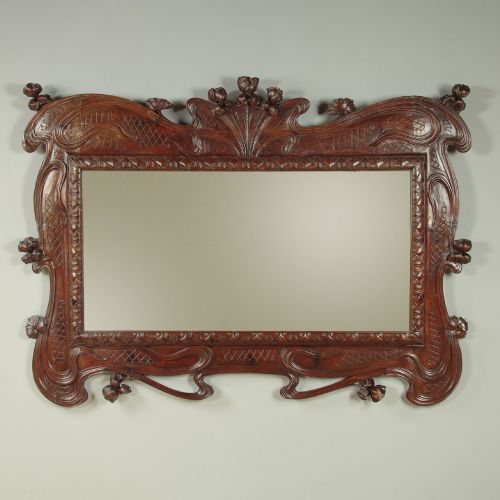
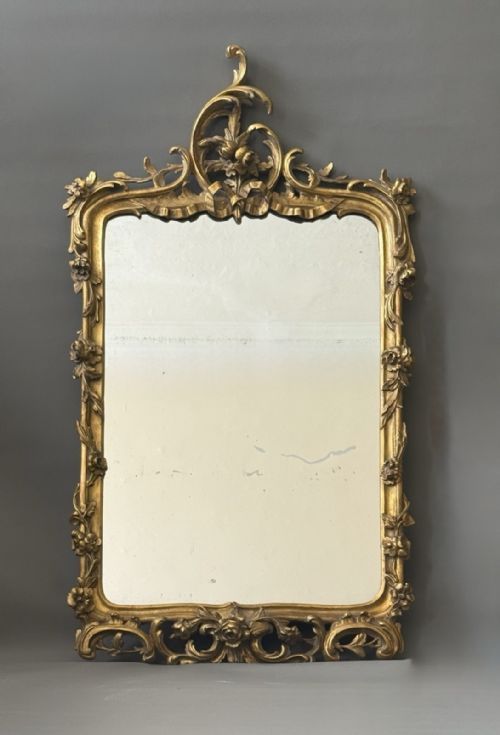
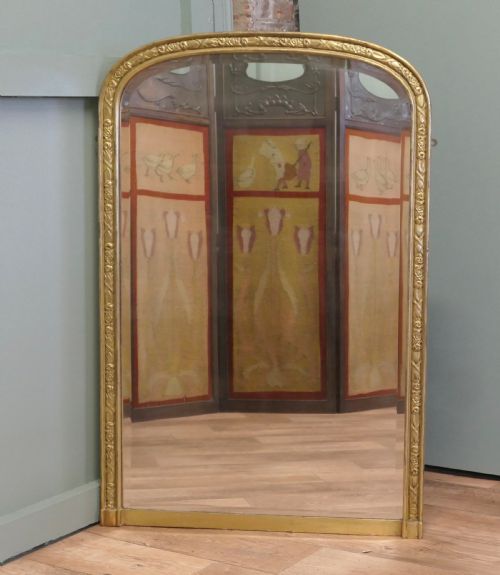
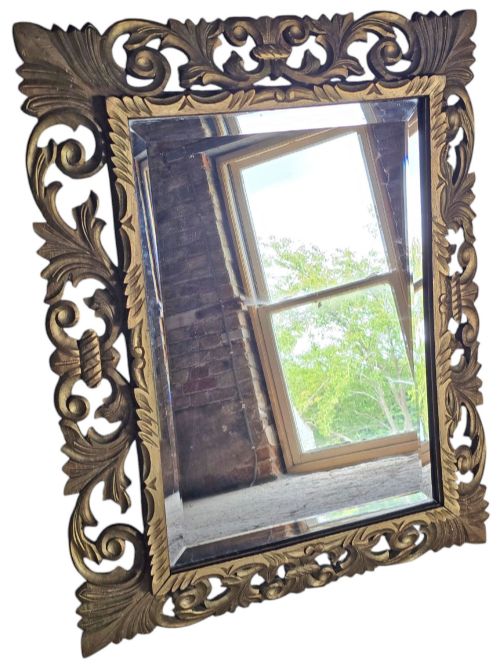
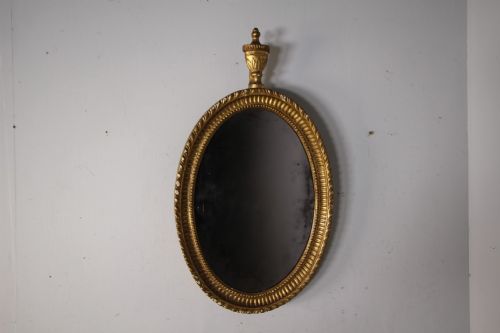
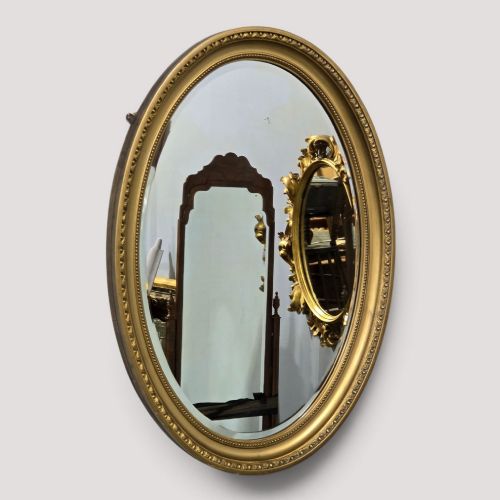
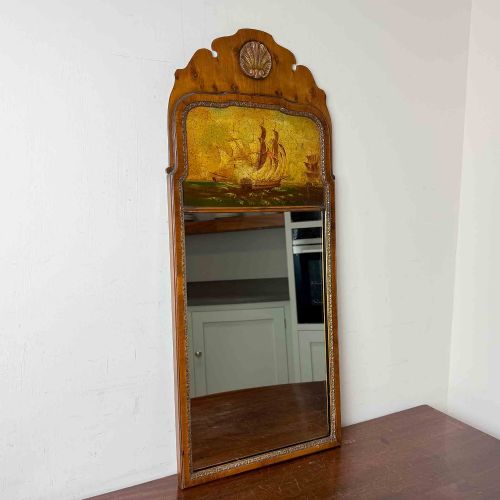
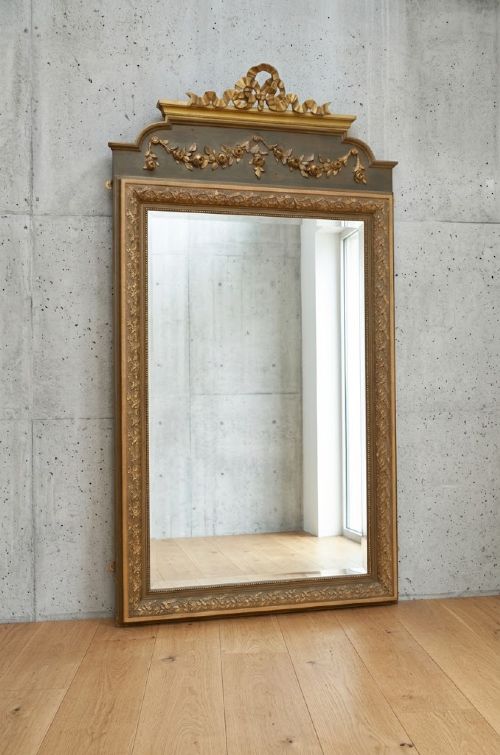
When you search for a vintage carved wood frame, you find an array of surrounds primarily housing wall mirrors, overmantels, and pictures from the eighteenth century through to the early twentieth century. The selection spans domestic English oak and mahogany alongside ornate continental giltwood pieces influenced by French Rococo and Louis Philippe styles.
Mirrors dominate the selection, appearing in substantial country house proportions as well as smaller boudoir formats. These items range from simple timber mouldings to elaborate sculptural creations featuring ribbon crests and floral motifs.
The material origins vary from provincial bleached oak to refined walnut and gilded gesso surfaces. Buyers encounter both British craftsmanship and continental imports, particularly from French and Italian workshops.
Materials and methods of construction
Carving timber requires seasoned hardwoods such as oak, mahogany, walnut, and beech, which are shaped by hand with chisels and gouges to create deep relief patterns. The grain of the wood dictates the crispness of the carved acanthus leaves, vines, and geometric borders.
Giltwood pieces combine a carved wooden or gesso base with thin layers of gold leaf applied over a prepared ground. Artisans use water gilding and oil gilding techniques to achieve a bright metallic finish that reflects candlelight and daylight.
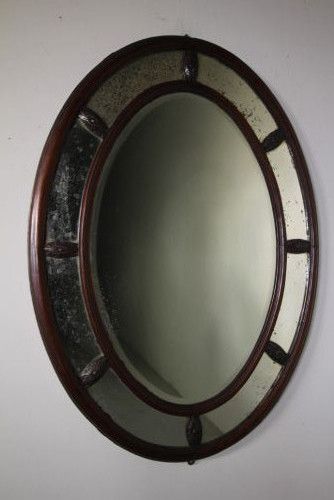
Mirrors within these frames utilise antique glass plates, sometimes featuring foxed mercury backing or bevelled edges held in place by wooden backs and securing pins.
Listings feature nineteenth and early twentieth-century oak, mahogany, and walnut alongside gilded gesso finishes.
Distinctions in quality
The depth and sharpness of the hand carving separate standard commercial mouldings from masterworks. Crisp undercut foliage and well-defined symmetry indicate skilled hand labour rather than mechanical mass production.
The integrity of the gilded or polished surface determines visual success, with superior pieces showing harmonious ageing of the gold leaf and gesso over the wooden substrate. Original glass plates with authentic foxing add historical depth compared to modern replacements.
Structural joinery in the underlying timber frame ensures stability across large dimensions, preventing warping or separation at the mitred corners.
The Vintage Carved Wood Frame Glossary
- Giltwood
- Wood that has been coated with gold leaf or gold dust using sizing or water gilding techniques. This finish provides a luminous surface popular in formal nineteenth-century interiors.
- Gesso
- A plaster mixture applied to wood frames as a smooth base for subsequent gilding or painting. Artisans mould or carve into this layer to create intricate relief decoration.
- Overmantel
- A large mirror or frame designed to sit directly above a fireplace mantelpiece. These pieces often feature landscape proportions to fit the architectural space.
- Foxed glass
- Mirror plate displaying age-related spots, oxidation, and discolouration in the backing layer. This characteristic indicates genuine antique provenance.
- Parcel gilt
- An object decorated with gilt highlights on specific carved details while leaving the underlying wood grain visible elsewhere. This technique contrasts the natural timber colour with bright gold.
Vintage Carved Wood Frame: Frequently Asked Questions
How do I hang a heavy carved wood frame?
Heavy carved frames require secure fixings into wall studs or solid masonry using rated mirror plates and heavy-duty screws. Professional installation protects both the wall structure and the antique joinery.
Distributing the weight evenly across two suspension points prevents twisting of the wooden mitres over time.
Can I clean a gilded wood frame?
Gilded surfaces demand gentle dusting with a soft, dry brush to remove particulate matter without disturbing the delicate gold leaf. Moisture and chemical cleaners damage the underlying gesso.
Professional conservation is necessary if flaking occurs along the carved relief.
How do I date a carved wooden frame?
Dating relies on stylistic clues such as the symmetry of Rococo scrollwork, the robust proportions of Victorian oak, or the clean lines of Art Nouveau plant motifs. Tool marks on the reverse timber and the composition of the gesso provide further evidence of period manufacture.
Secondary woods used in the backing structure help confirm the geographic origin and era.
Are original mirror plates common?
Many frames retain their original mercury or silvered glass plates, often identifiable by slight distortions, hand-bevelying, and foxing. Replacements occur when historical glass suffered breakage.
Original plates contribute significantly to the authenticity and visual character of the piece.