
Carved Oval Mirror
A carved oval mirror brings rhythm and softness to a room through sculpted timber and curving glass.
Carved Oval Mirror
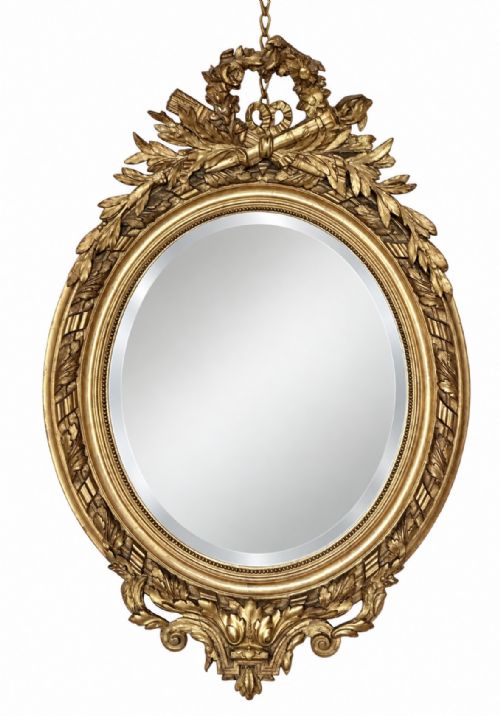
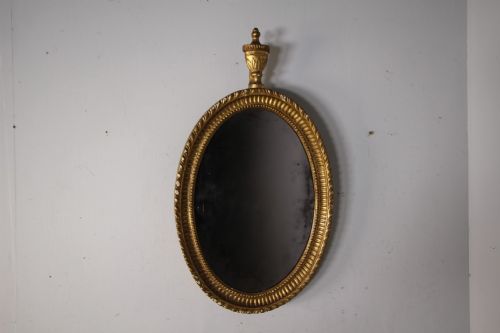
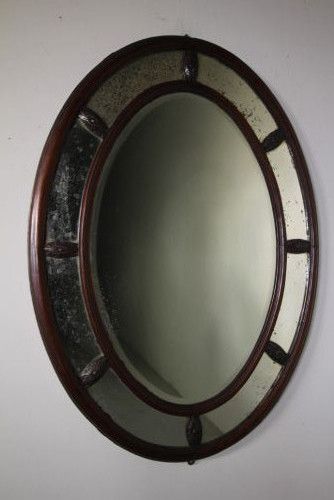
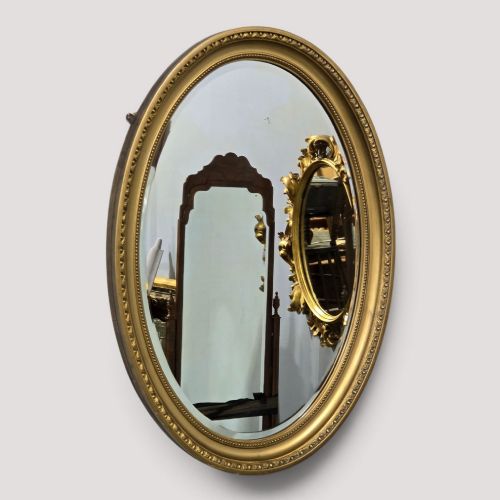
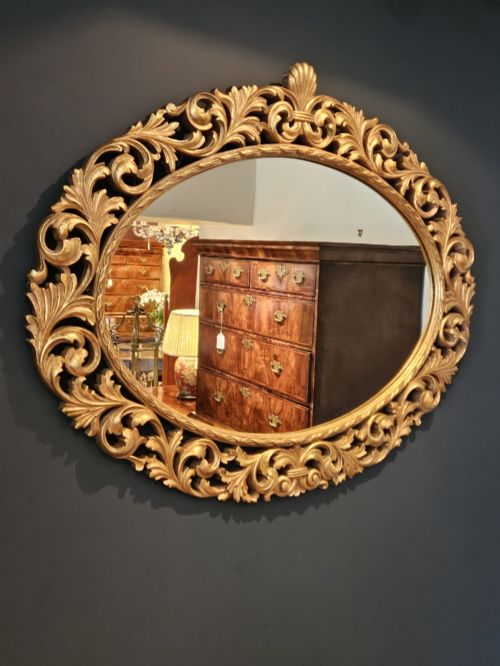
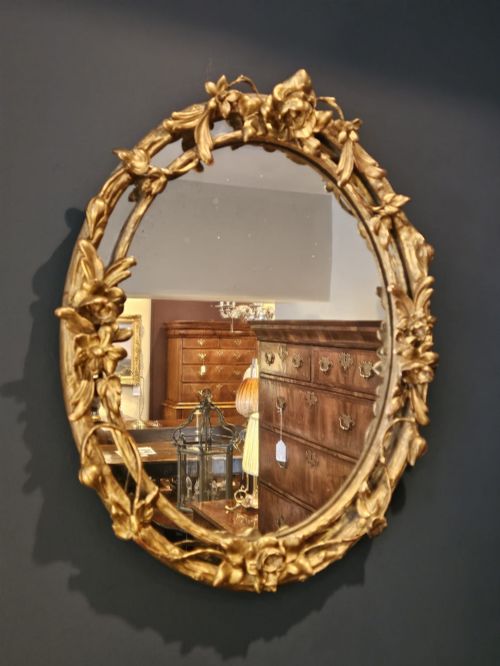
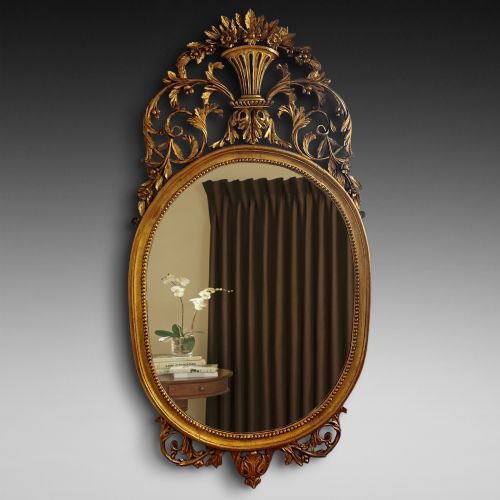
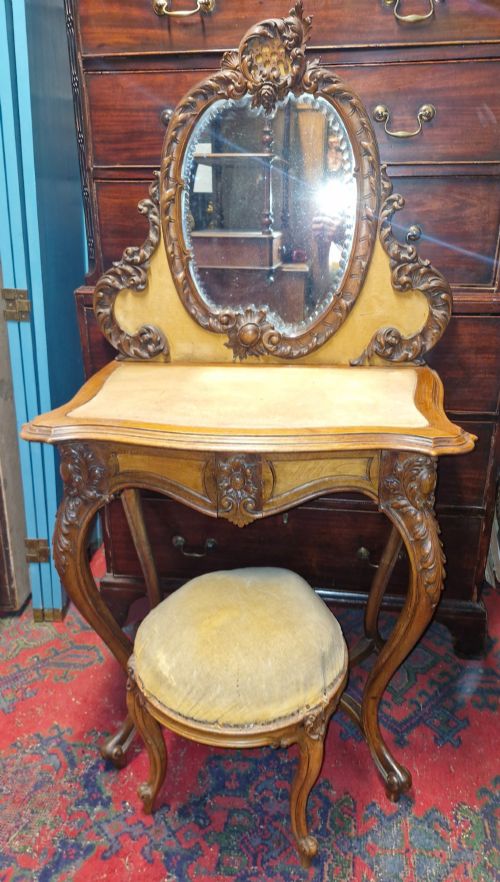
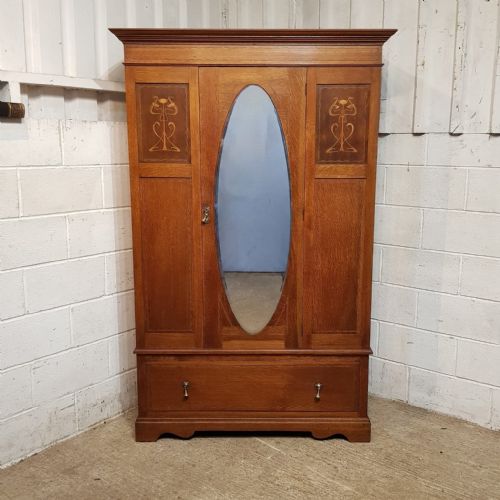
When searching for a carved oval mirror, a buyer encounters wall-hanging and table-standing pieces spanning the eighteenth, nineteenth, and early twentieth centuries. These works include domestic country house timber frames and ornate reception room gilt pieces.
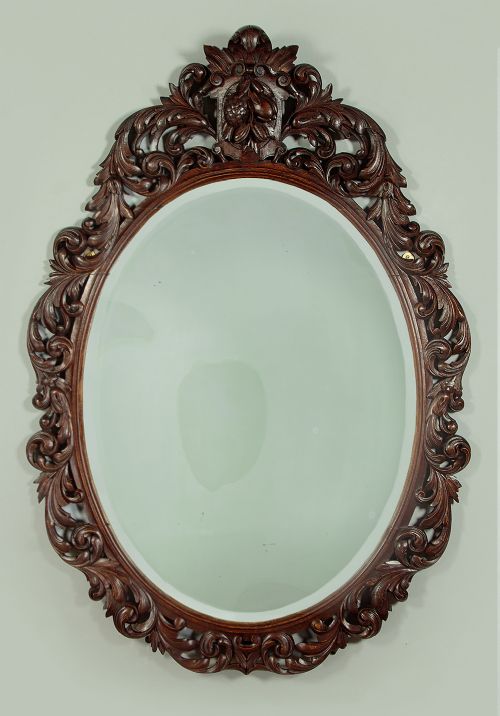
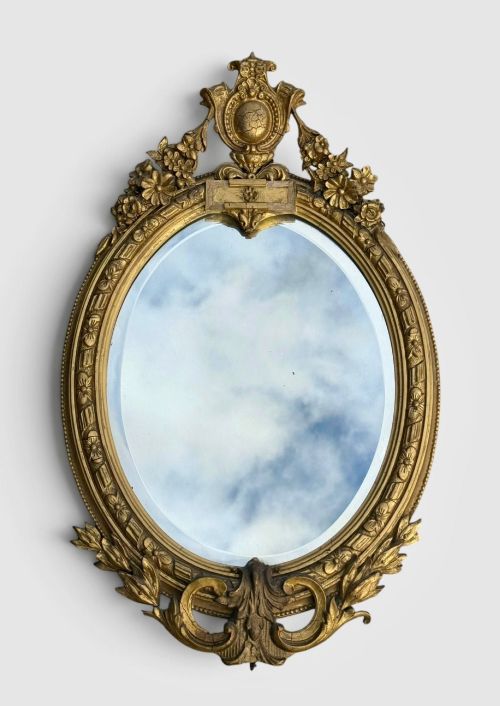
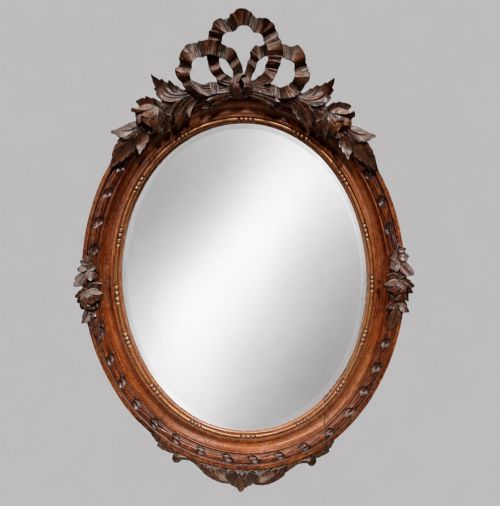
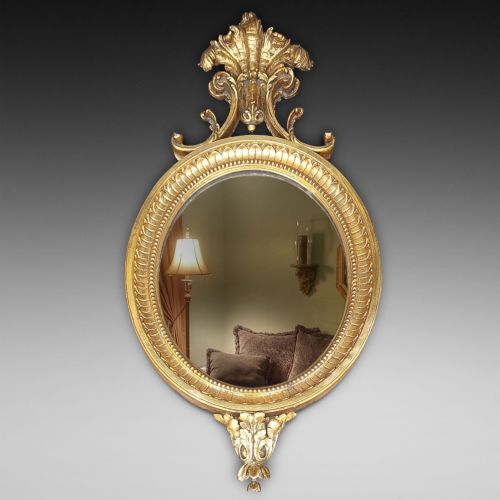
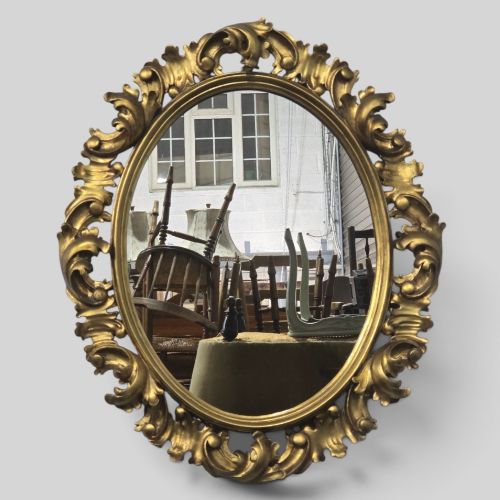
The most common examples on this page date from the nineteenth century, reflecting Victorian, Regency, and Rococo Revival tastes. Styles range from simple carved oak surrounds to elaborate giltwood and gesso frames decorated with leaves, scrolls, and crests.
Materials and Carving
Frames are constructed from solid timbers such as oak, mahogany, walnut, and pine, often shaped by hand chisels. Many pieces receive a layer of gesso over the wood before being gilded with gold leaf or painted.
Mirrors utilise silvered or early mercury glass plates, sometimes held within rebated frames secured by wooden backs. Decorative elements like vine leaves, ribbons, and floral swags are carved directly into the timber or modelled in gesso.
Listings feature oak, mahogany, walnut, and pine frames alongside giltwood and gesso pieces spanning the eighteenth to early twentieth centuries.
Craft and Depth
The distinction between tiers rests upon the crispness of the hand carving and the depth of the relief work. Skilled hands produce undercut foliage and balanced symmetry that catch candlelight or daylight naturally.
Surface finish also separates pieces, with original water gilding and genuine period mercury plates holding greater integrity than later repainting or modern replacement glass.
The Carved Oval Mirror Glossary
- Gesso
- A plaster-like mixture applied to wood frames to provide a smooth surface for gilding or painting. It is built up in layers and can be deeply carved once dry.
- Giltwood
- Timber that has been coated in gold leaf or gold paint. This technique was widely utilised across Georgian and Victorian decorative frames.
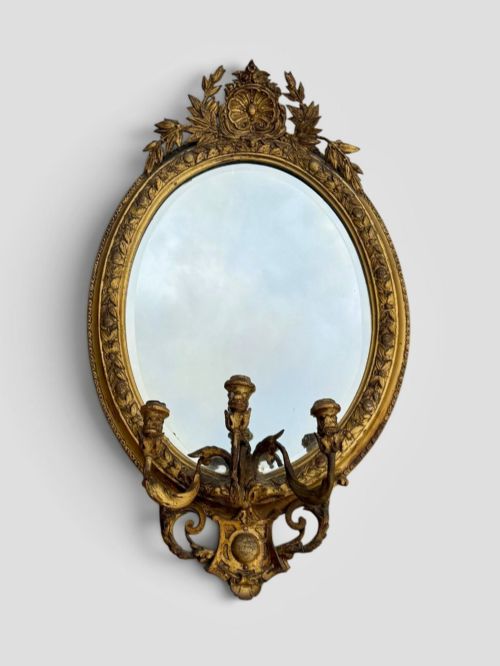
- Girandole
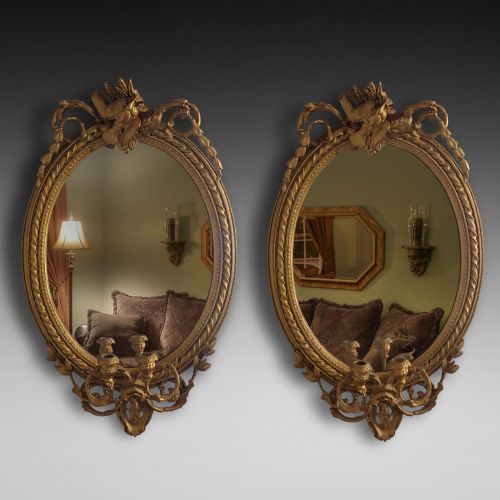
- A wall mirror featuring attached candle sconces or arms. The reflective glass multiplies the candlelight within the room.
- Mercury Plate
- An older type of mirror glass made using a tin-amalgam backing. It frequently exhibits characteristic dark spots and soft reflections.
- Rococo Revival
- A nineteenth-century design movement imitating the exuberant scrolls, asymmetry, and natural motifs of the eighteenth-century French style.
Carved Oval Mirror: Frequently Asked Questions
Where should I hang an oval wall mirror?
These pieces suit spaces above mantelpieces, console tables, or sideboards where the curved frame softens vertical architectural lines.
They also function effectively in hallways or dressing areas, reflecting light into narrower interior passages.
How do I identify a nineteenth-century frame?
Nineteenth-century frames often combine moulded gesso over timber bases with specific revival motifs like Rococo scrolls or vine leaves. Examining the backboards, fixings, and wear patterns helps confirm the period.
Original mercury glass plates also point toward nineteenth-century or earlier manufacture.
Did these mirrors always have candle sconces?
Only specific models designated as girandoles included integrated candle arms for illuminating dark rooms. Standard wall mirrors relied entirely on existing ambient daylight or candle stands placed nearby.
The presence of sconce fixings indicates a girandole origin.
How do I care for antique gilt surfaces?
Giltwood and gesso surfaces require gentle dusting with a soft, dry brush rather than chemical cleaning products. Moisture damages fragile gold leaf and underlying plaster.
Keeping the mirror away from direct heat sources and damp walls preserves the finish.