
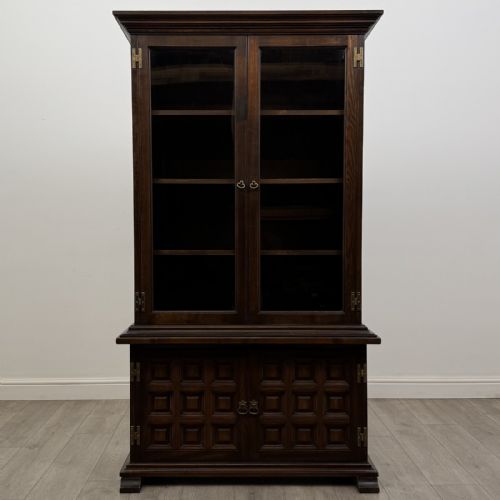
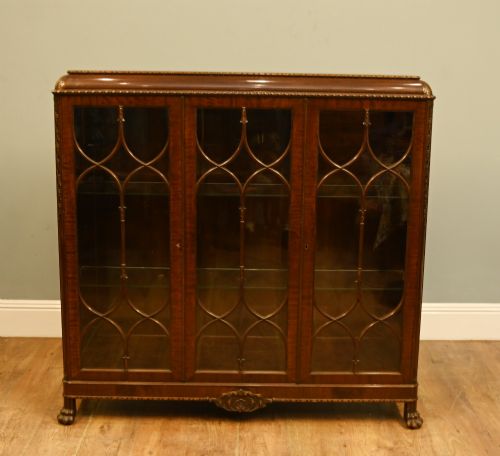
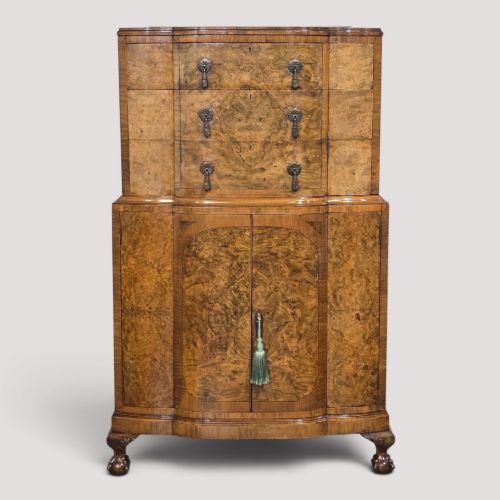
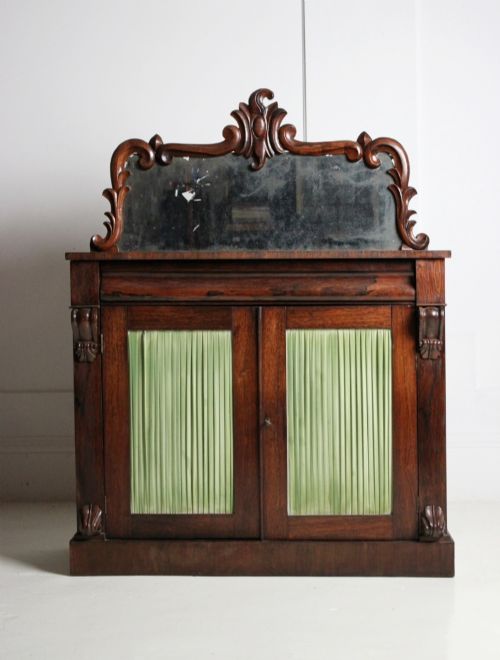
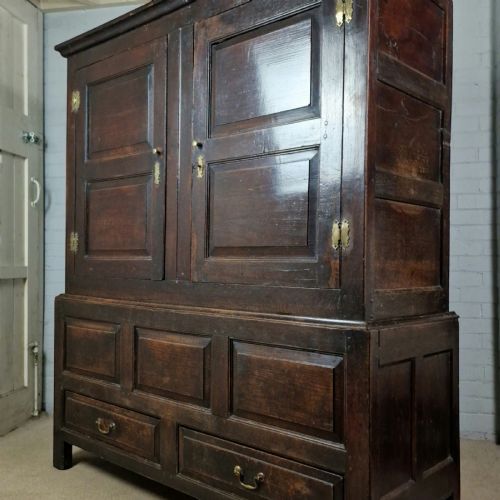
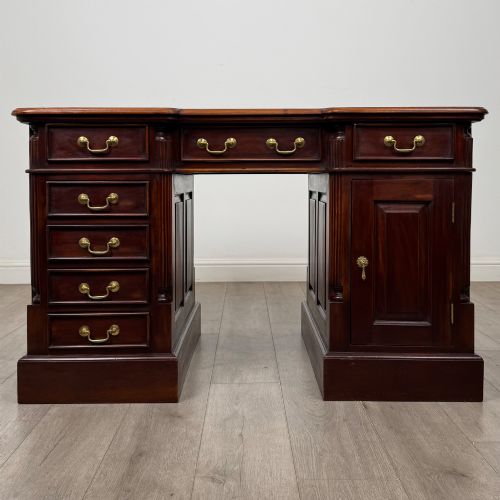
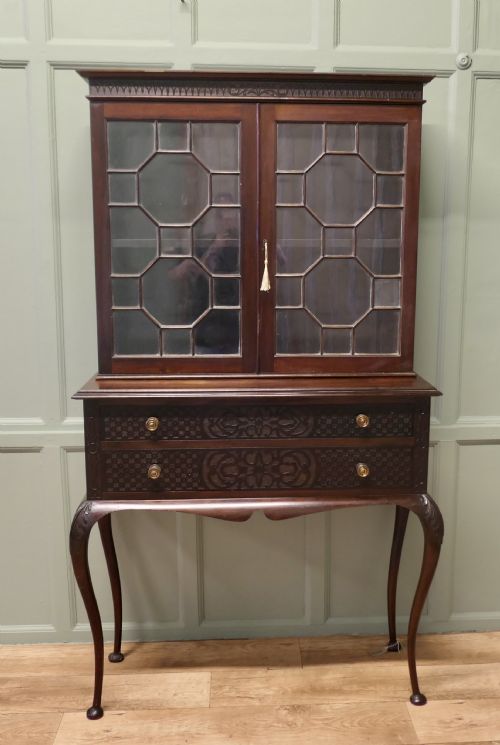
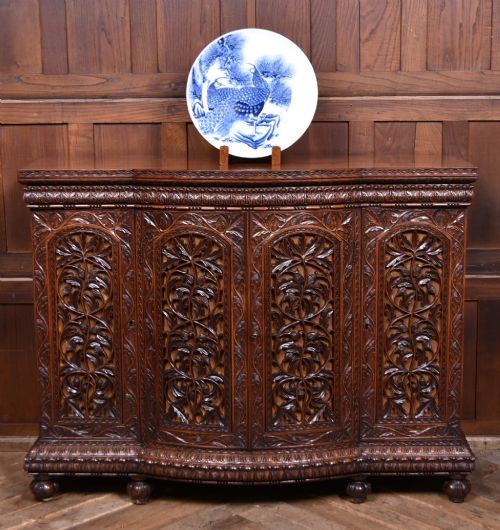
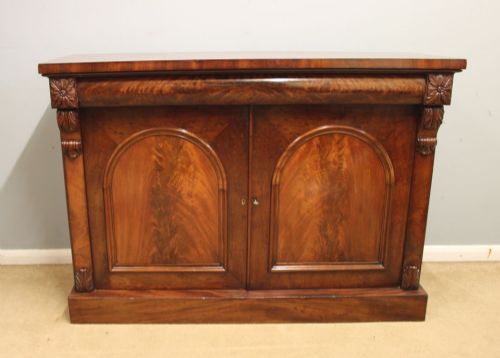
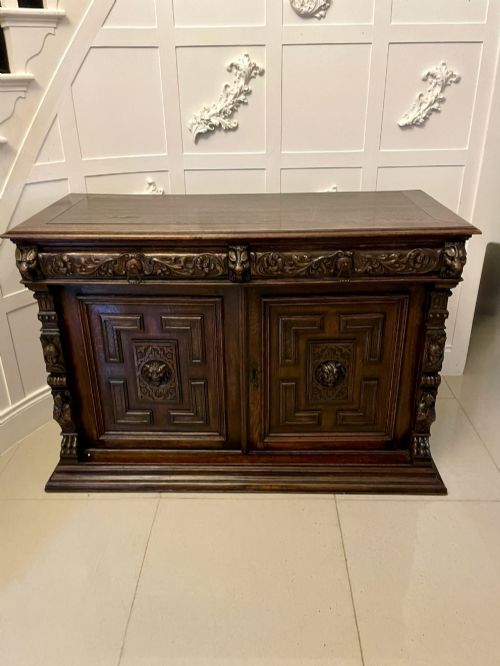
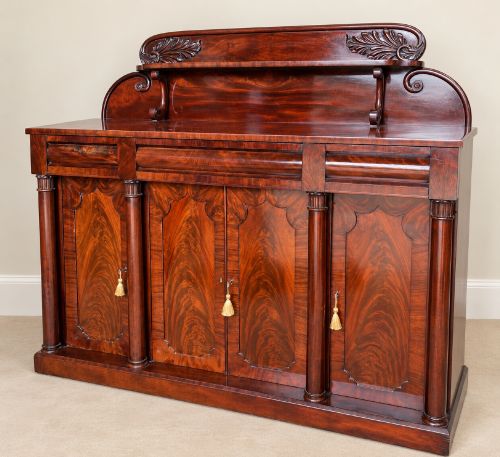


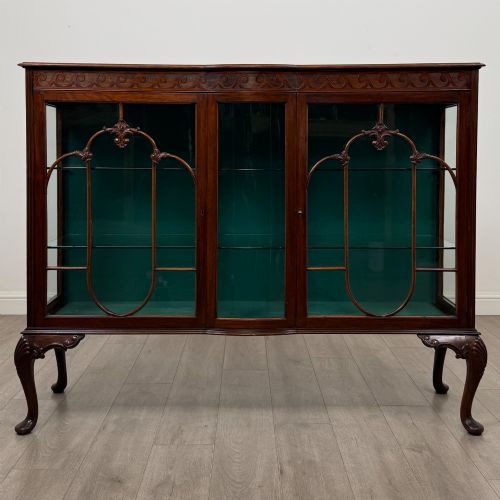
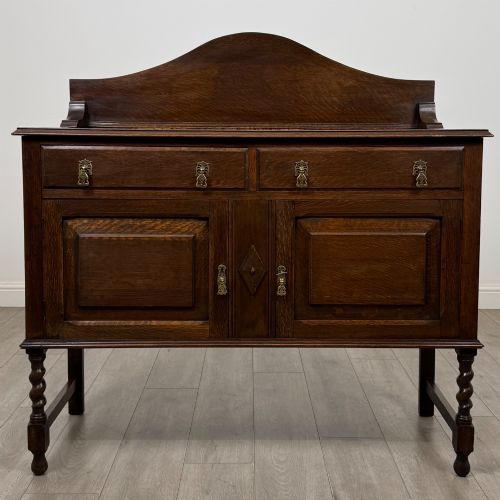
Vintage Carved Wood Cupboard
These vintage carved wood cupboard pieces offer storage built with solid character, drawing collectors who value practical timber work.
Vintage Carved Wood Cupboard
When you search for a vintage carved wood cupboard, you examine storage items spanning the eighteenth century through to the 1930s. The selection contains sideboards, bedside cabinets, display cases, bookcases, and wardrobes originating across various historical periods.
Oak and mahogany dominate the offerings, frequently showing revival styles such as Jacobean, Chippendale, and Queen Anne. Pieces range from British oak sideboards with barley twist legs to French provincial buffets and Indian reclaimed teak storage units.
How they were made
Cabinet makers utilised dense hardwoods including oak, mahogany, walnut, and teak, shaping them with hand chisels for deep relief carving. Brass handles, iron hinges, and glass panels were integrated into the timber structures to form functional doors and display compartments.
Surfaces received wax, polish, or lacquer finishes to protect the grain, while specialised techniques like tramp art or applied mouldings created texture on the exterior panels.
A Chinese mahjong set hides inside its own fitted wooden cabinet, ready for an impromptu gaming session after dinner.
What varies in quality
The degree of hand carving defines the upper tier of these pieces, separating utilitarian storage from statement furniture. Crisp lines in the timber relief and deep undercutting show superior workshop skill.
Choice of timber grain also separates standard builds from finer examples, particularly in figured walnut or burr veneers and dense quartersawn oak. Construction integrity relies on pegged joints and solid backboards rather than modern laminates.
The Vintage Carved Wood Cupboard Glossary
- Barley twist
- A turned wooden column resembling a spiralling rope, commonly found on Edwardian furniture legs and supports. This decorative woodworking technique added vertical emphasis to sideboards and cabinets.
- Chiffonier
- A compact sideboard featuring a low cupboard base topped with a raised shelf tier. These items gained popularity during the Victorian period for dining room storage.
- Almirah
- A freestanding cupboard or wardrobe originating from the Indian subcontinent, typically constructed from heavy teak. These storage units often display substantial relief carving and traditional panel doors.
- Tramp art
- A style of woodwork created by chip-carving small pieces of salvaged timber, such as cigar boxes, into geometric relief patterns. Folk artisans utilised pocket knives to layer wooden chips into decorative frames and panels.
Vintage Carved Wood Cupboard: Frequently Asked Questions
How do I clean a carved wood cabinet?
Dust the carved recesses regularly using a soft natural bristle brush to prevent particle buildup in the grain. Apply a quality beeswax periodically to nourish the timber and maintain the surface sheen.
Avoid silicone-based sprays or excessive moisture, which can degrade antique polishes and warp the timber panels over time.
Where should I place a heavy oak sideboard?
Position the piece against a stable interior wall away from direct sunlight and heat sources to prevent wood splitting. Ensure the floor is level so the heavy doors swing true and close properly within their frames.
Allow clearance around the furniture to showcase the carved details and accommodate any protruding handles or hinges.
How do I date an antique wooden cupboard?
Examine the construction methods, tool marks on interior boards, and hardware types to determine the manufacturing era. Hand-sawn timber and forged iron hinges point towards earlier periods, while machine-cut screws suggest twentieth-century production.
Compare the stylistic motifs, such as Jacobean revival strapwork or Art Nouveau curves, with known design periods to narrow down the decade.
Can I use a bedside cabinet in a hallway?
Compact cabinets designed for bedrooms function well in narrow hallways to hold post, keys, and everyday items. Their modest footprint provides enclosed storage without blocking walking routes.
Pair the cabinet with a small mirror or wall hanging to complete an entryway arrangement that matches the timber tone.