




Vintage Carved Walnut Bed
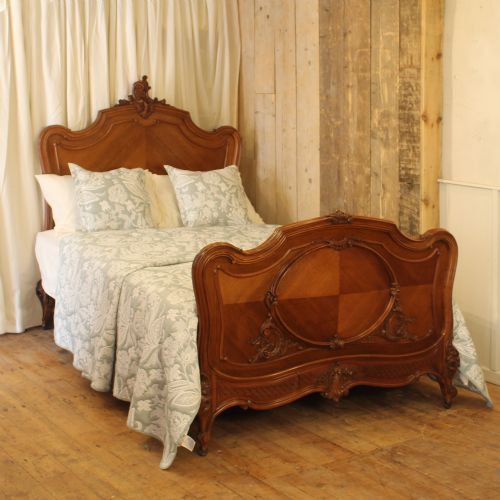
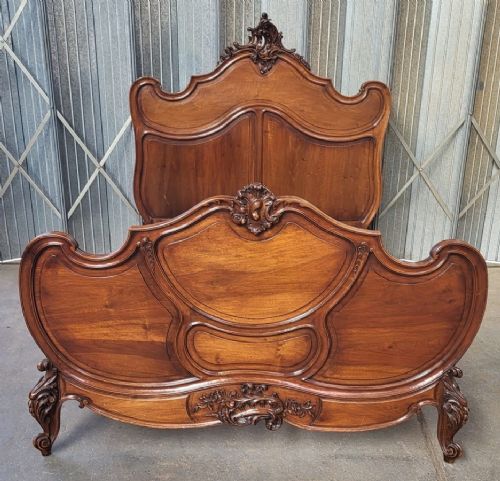
When you search for a vintage carved walnut bed, you are looking at solid timber and rich veneers shaped into grand French and Victorian frames.
Vintage Carved Walnut Bed
A vintage carved walnut bed brings heavy timber frames, deep mouldings, and ornate headboards into a modern bedroom. When you search for a vintage carved walnut bed, you encounter pieces spanning the Victorian era through the early twentieth century.
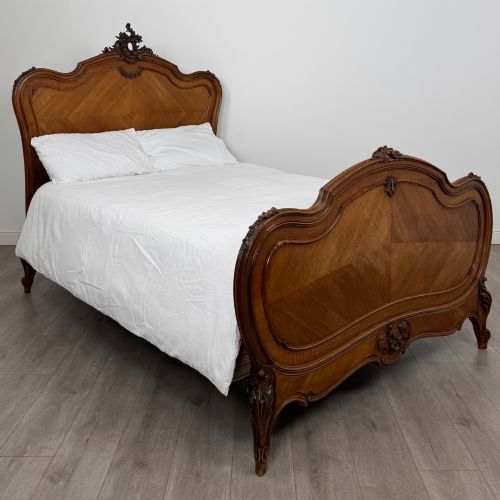
The selections on this page lean heavily toward French chateau and Louis XV styles, alongside simpler Edwardian and Art Deco forms. Double, king, and single sizes appear regularly, often accompanied by matching bedside cabinets or daybeds.
Makers shaped these frames from solid wood and figured veneers, applying heavy relief carving to footboards and crestings. The resulting structures range from modest single frames to expansive emperor and king-sized sleeping quarters.
Materials and construction
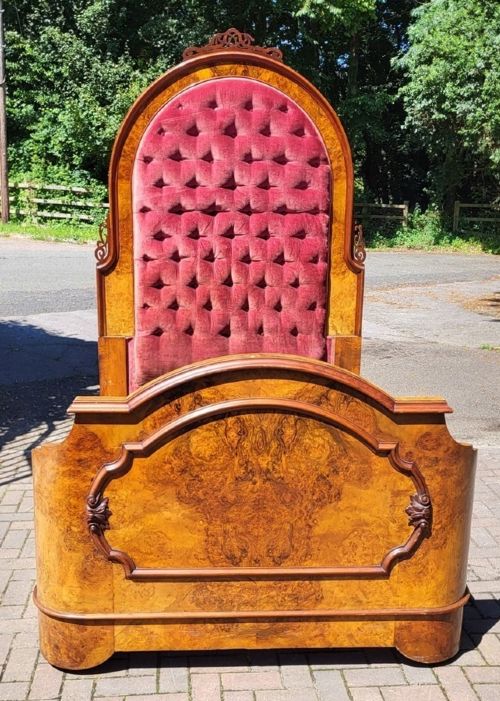
Cabinetmakers utilised solid walnut and decorative burr walnut veneers applied over secondary timbers to construct these substantial frames. The natural grain patterns dictated how artisans laid the veneers across large headboard panels.
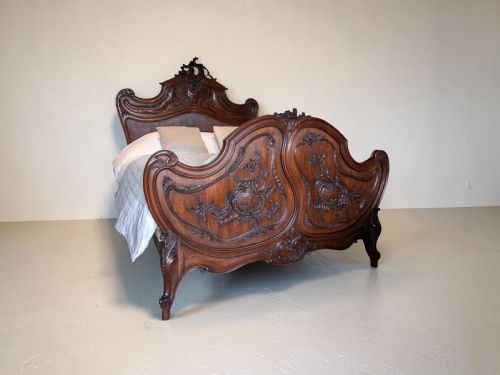
Chisels and gouges shaped the intricate foliage, scrolls, and shell motifs characteristic of French Rococo and Louis XV revivals. Metal elements such as brass detailing and button-back upholstery completed the upholstered headboards and footboards.
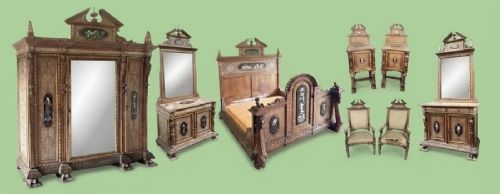
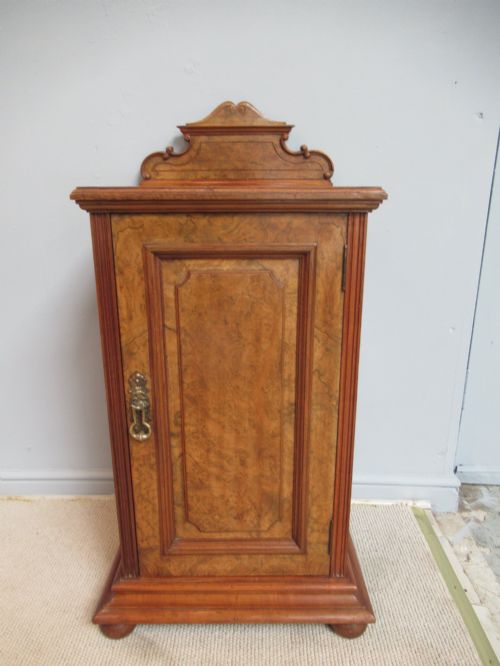
Several beds come with matching bedside cabinets, ensuring your midnight glass of water rests in historical harmony.
Assessing quality in carved walnut beds
The depth and crispness of the hand-carved relief work separate standard production pieces from finer workshop commissions. Sharp undercut foliage and symmetrical scrollwork indicate a skilled hand at the bench.
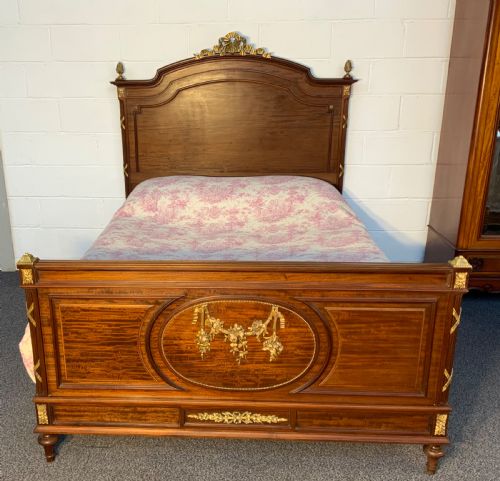
The choice of timber grain also dictates distinction, with highly figured burr walnut veneers commanding greater visual presence than plain timber surfaces. Furthermore, the integration of matching side cabinets and intact original brass hardware elevates the cohesion of the suite.
Waring & Gillows
The Vintage Carved Walnut Bed Glossary
- Burr walnut
- A veneer taken from the wart-like growths on walnut trees, producing a highly swirling, mottled grain pattern. Cabinetmakers prized this material for prominent headboard panels.
- Louis XV style
- A revived eighteenth-century French design aesthetic characterised by asymmetrical curves, cabriole lines, and organic floral carving. Many nineteenth-century beds adopt this ornamental vocabulary.
- Bedstead
- A framework of wood or metal that supports a mattress and spring system, distinguished from modern integrated bed frames by its distinct headboard and footboard structure.
- Daybed
- A piece of furniture serving as both a sofa and a bed, often featuring upholstered ends and low backs derived from French window seat designs.
- Veneer
- A thin slice of ornamental wood glued over a sounder but less decorative base timber to present an elaborate exterior surface.
Vintage Carved Walnut Bed: Frequently Asked Questions
How do I choose the right size?
These listings include single, double, king, and emperor sizes originating from various European and English workshops. Check your bedroom dimensions carefully, as carved crestings and protruding footboards add extra length to standard mattress sizes.
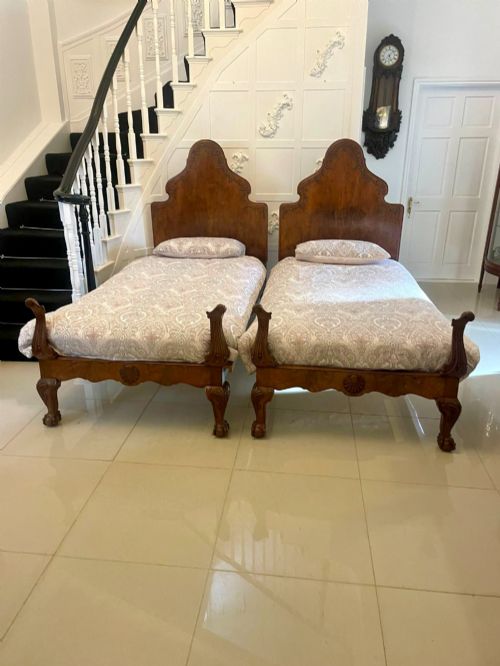
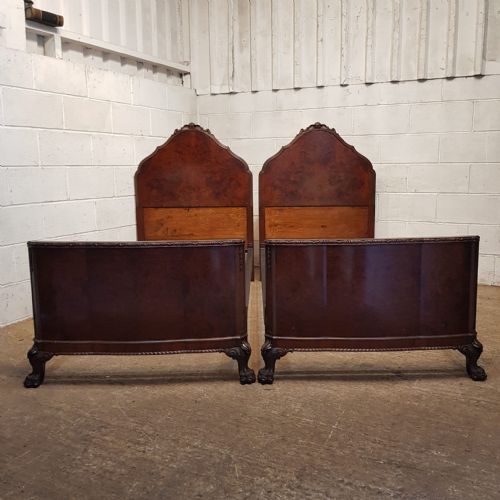
Consider whether you need matching bedside cabinets or footstools, which often accompany larger king-sized French suites. Single beds frequently appear in pairs, making them suitable for guest rooms.
Are modern mattresses compatible with these beds?
Most antique wooden bedsteads require custom slat systems or base adaptations to support contemporary standard mattresses. Because historical dimensions vary from modern sizing conventions, measure the internal rails before purchasing.
Professional upholsterers can also adjust internal support ledges safely without altering the exterior carved walnut appearance of the antique frame.
How do I care for walnut wood?
Maintain walnut surfaces by dusting regularly with a soft, dry cloth and avoiding direct sunlight that fades the timber. Natural wax polishes applied sparingly help nourish the grain and protect vintage finishes.
Keep these heavy wooden frames away from direct heat sources to prevent the burr veneers from drying out or lifting over time.
How do I identify French revival styles?
Look for characteristic design markers such as cabriole legs, C-scrolls, acanthus leaf carvings, and gilded or polished walnut finishes. Louis XV and Rococo revival pieces emphasise flowing, organic asymmetry rather than rigid geometric lines.
Victorian and Edwardian British pieces tend to feature more restrained mouldings, darker timber tones, and button-backed upholstery.