



French Wood Bed Frame
Sourcing a genuine french wood bed frame brings nineteenth-century chateau elegance and provincial charm directly into the bedroom.
French Wood Bed Frame
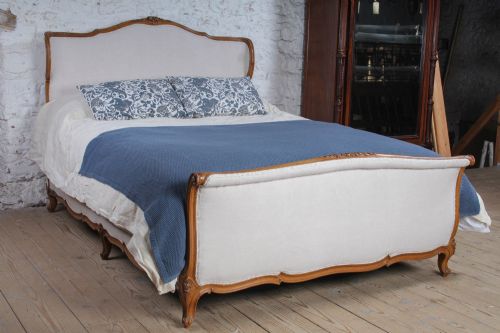
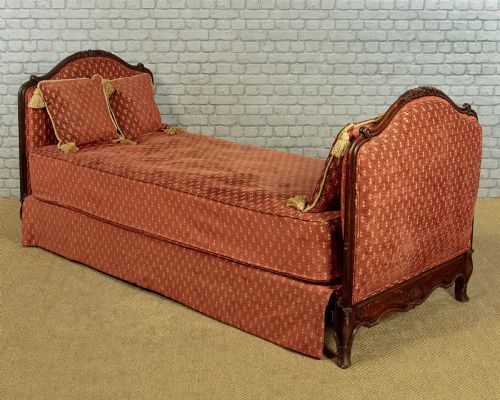
A french wood bed frame encompasses substantial bedsteads, double beds, kingsize platforms, and daybeds originating across the nineteenth and early twentieth centuries. Pieces span nineteenth-century walnut builds alongside Edwardian and 1920s examples reflecting classic continental tastes.
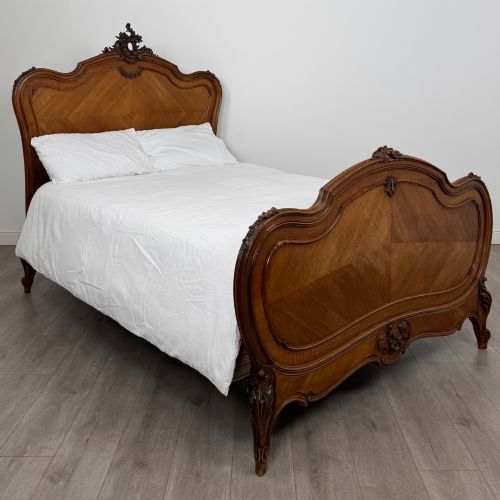
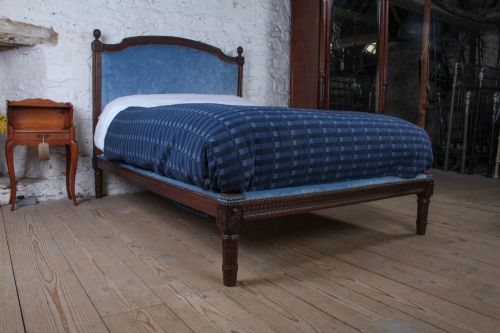
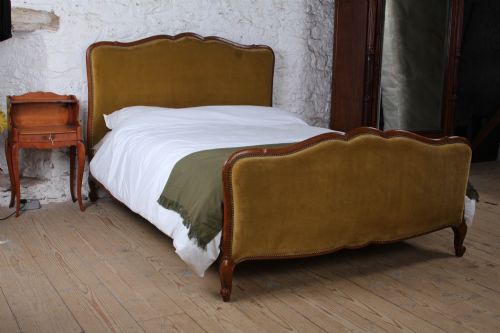
Designs draw heavily on traditional aesthetics including Louis XV, Louis XVI, Empire, and provincial styles. Many feature carved woodwork, low-end layouts, or upholstered headboards tailored for modern mattress sizes.
How they were made
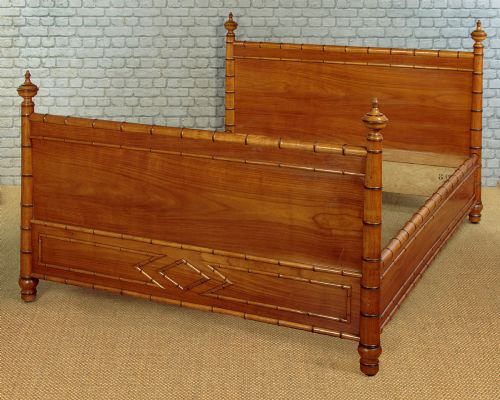
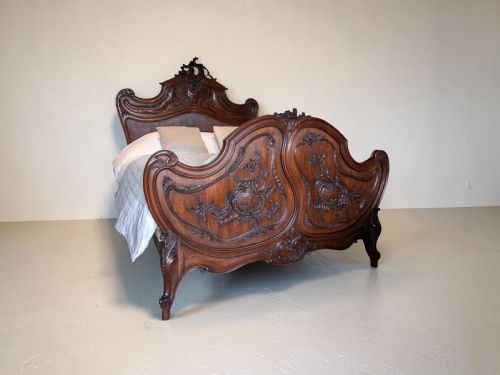
Cabinetmakers utilised solid timbers such as walnut, mahogany, oak, and general hardwoods to construct sturdy bed frames. Traditional joinery supported elaborate hand-carved ornamentation, faux bamboo turnings, and applied mouldings.
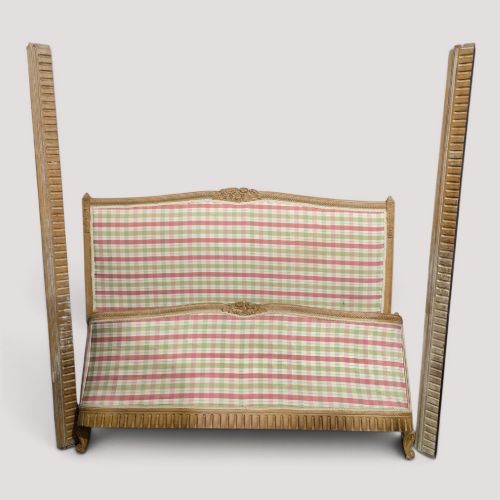
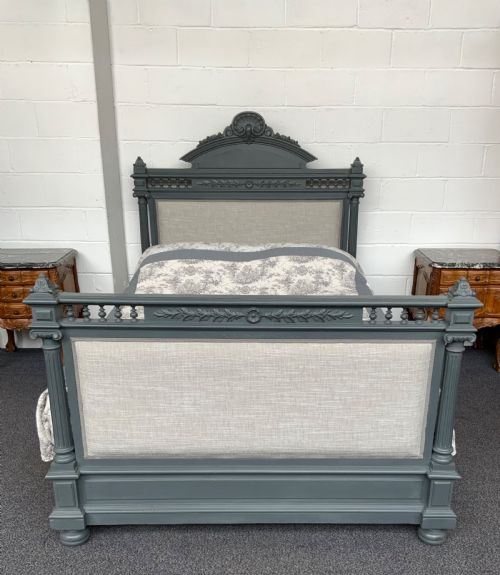
Surfaces received various historic finishes ranging from clear polish on natural grain to painted, limed, bleached, or gilt treatments. Many frames incorporate contemporary fabric upholstery or cane panels integrated into the headboards.
One notable bed frame comes with a cinematic provenance straight from the set of the television series The Great.
What varies in quality
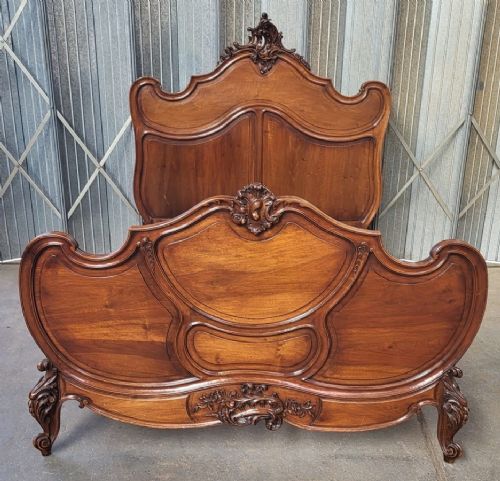
Superior examples display crisp, deeply articulated hand-carving in the timber rather than shallow or mechanical shaping. The depth and precision of decorative motifs, whether rococo scrolls or classical columns, dictate the tier of craftsmanship.
The integrity of the structural wood and the quality of applied finishes, such as original gesso work or hand-applied paint, separate standard pieces from exceptional ones. Cohesion between matching side rails, footboards, and headboards maintains historical authenticity.
The French Wood Bed Frame Glossary
- Bedstead
- A framework of a bed consisting of posts, headboard, and rails designed to support a mattress and base. These structures often display regional carving styles.
- Louis XV Style
- A design movement characterised by asymmetrical curves, naturalistic floral motifs, and cabriole lines. This aesthetic strongly influences eighteenth and nineteenth-century French bed frames.
- Daybed
- A long seat that functions as a bed for reclining or sleeping during the day. Early twentieth-century versions frequently feature decorative upholstered backs.
- Giltwood
- Timber coated with a thin layer of gold leaf or gilt paint to create a metallic sheen. It appears on finer revival frames and decorative daybeds.
- Faux Bamboo
- Wood turned and carved to imitate natural bamboo stalks. This technique gained popularity during the late nineteenth century.
French Wood Bed Frame: Frequently Asked Questions
What sizes are available in these bed frames?
The selection includes double, kingsize, and emperor dimensions alongside single beds and daybeds. Many antique frames are adapted or built generously to accommodate modern mattress widths.
Buyers will find variations ranging from compact nineteenth-century double frames to large kingsize structures suitable for spacious rooms.
How do I identify the period of a wooden bed?
Dating relies on stylistic clues, timber choice, and construction methods visible in the headboard and rails. Victorian and nineteenth-century examples often showcase heavier carved walnut, while 1920s pieces lean towards limed or painted finishes.
Examining the joinery and any decorative hardware provides further context regarding the manufacturing era.
Do these frames require special mattresses?
Many listings include platform bases or side irons designed to support standard modern mattresses. Some low-end or custom French sizes may require careful measurement to ensure a flush fit within the wooden rails.
Checking internal dimensions helps determine whether standard bedding will sit comfortably inside the frame.
Are painted finishes original to the timber?
Historic painted, limed, or bleached treatments appear alongside natural mahogany and walnut surfaces. Some pieces retain aged painted patinas, while others feature newer decorative applications.
Reviewing the surface description clarifies whether the finish reflects period-correct techniques or modern upholstery updates.