

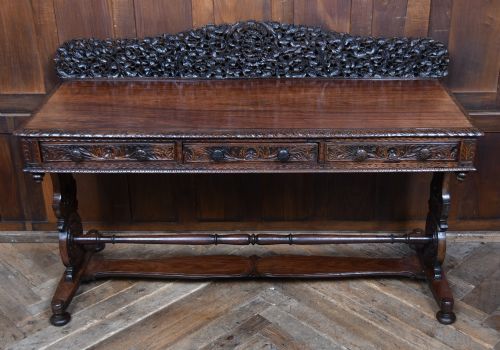
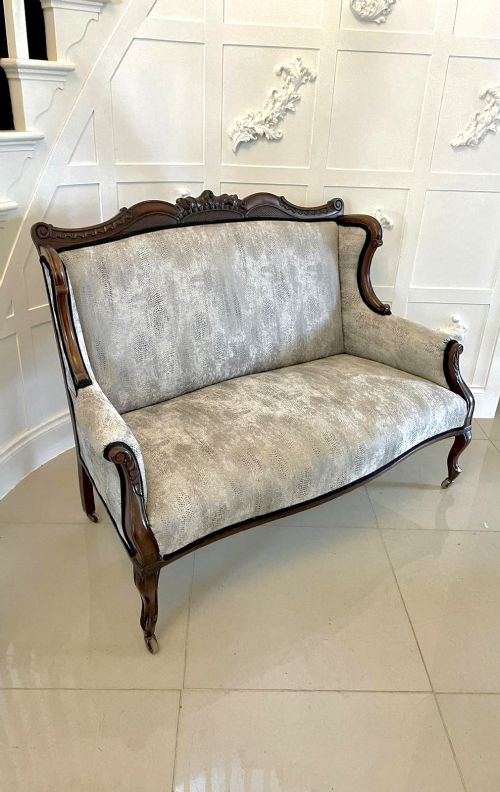
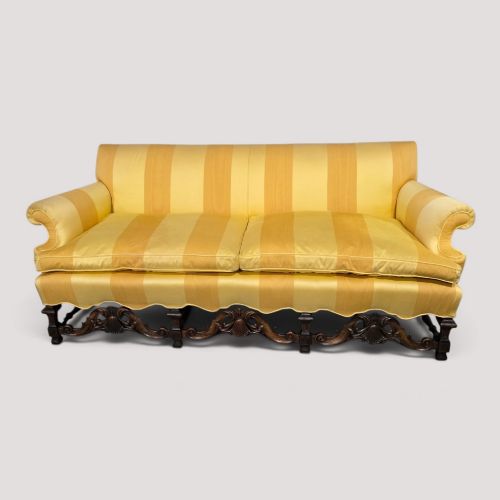
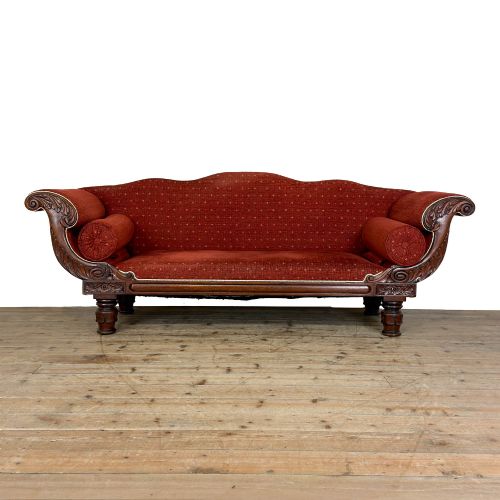
Vintage Carved Sofa
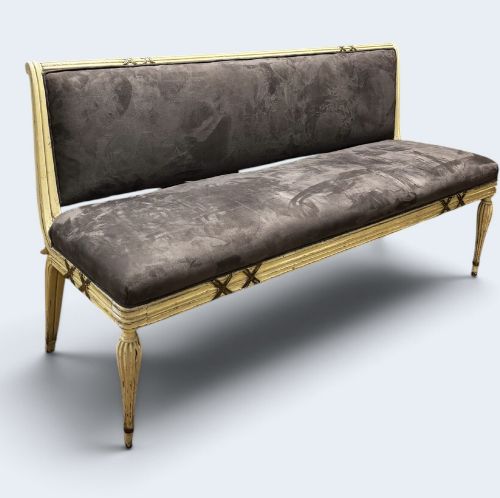
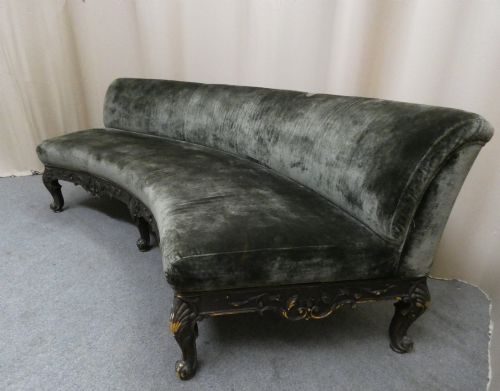
A vintage carved sofa brings substantial timber frames and period upholstery together to anchor a traditional room with character.
Vintage Carved Sofa
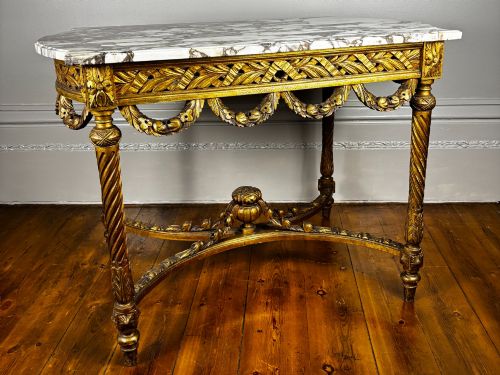
A vintage carved sofa encompasses substantial wooden seating spanning the nineteenth century through the interwar decades. Buyers seeking a vintage carved sofa encounter styles ranging from Victorian mahogany frames to French Louis-inspired giltwood and cane designs.
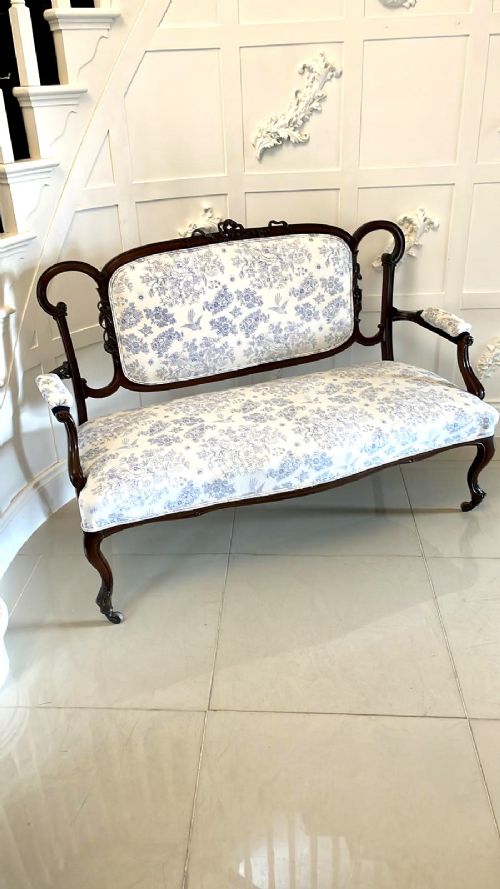
The selection includes specific forms such as French bergères, camel back seats, and scroll-end settees alongside revival pieces. Walnut, oak, and mahogany provide the structural framework for these diverse historical profiles.
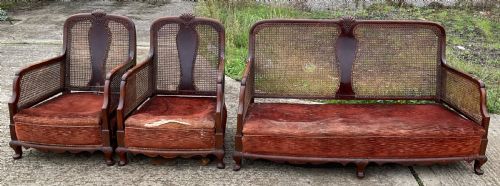
Origin points stretch from local Victorian workshops to continental European studios and colonial centres like India. Pieces emerge in various configurations, from two-seater settees to larger suites featuring detailed woodwork.
Construction materials and techniques
Makers utilised dense hardwoods such as mahogany, walnut, oak, and padouk to build sturdy structural frames capable of supporting elaborate hand-carved details. Brass mounts, cane work, and giltwood finishes often supplemented the primary timber construction.
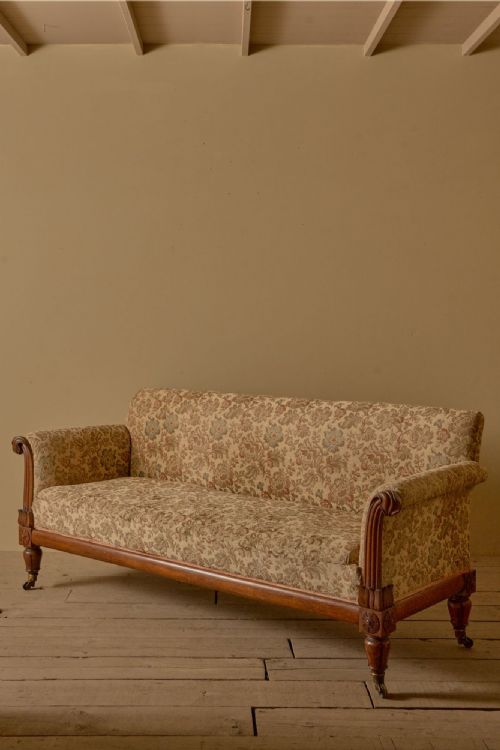
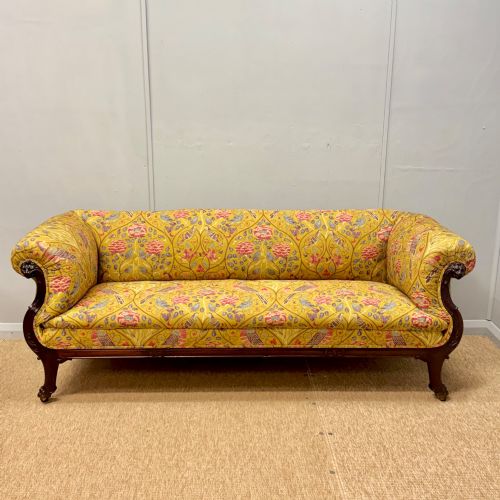
Upholstery techniques combined traditional stuffing methods with tactile coverings including quilted William Morris fabrics, silk, and loose feather cushions. Joinery relied on time-tested mortise and tenon methods to ensure frame longevity.
Vintage Carved Sofa Retail Price Guide 2026
Typical asking prices for vintage carved sofa among the pieces listed under this phrase on Sellingantiques today, from the lower quarter to the upper quarter. They describe what is for sale here now, not the wider market.
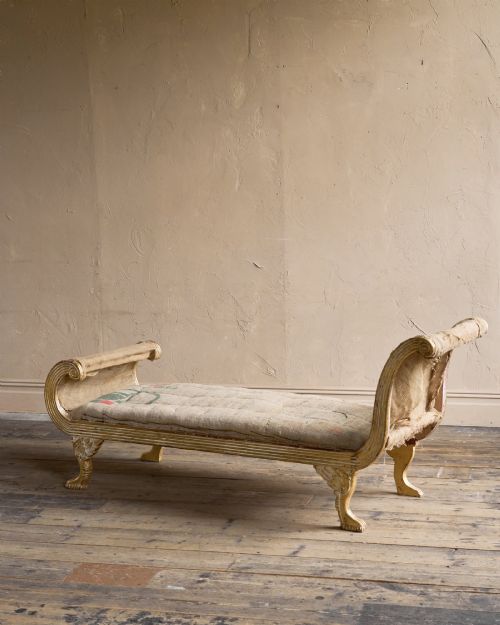
Lion masks peer fiercely from Regency scroll ends while quiet cane work breathes through interwar frames.
Distinctions in craftsmanship and materials
Superior examples display crisp, deep hand-carving directly into the solid wood frame rather than applied mouldings or shallow incisions. The crispness of acanthus leaves, lion masks, or floral motifs signals the skill of the original artisan.
Frame integrity depends upon the selection of well-seasoned hardwoods and the tightness of the structural joints. Original cane work in pristine condition or high-grade period upholstery elevates the overall execution of the piece.
Howard & Sons Ramsden
The Vintage Carved Sofa Glossary
- Bergère
- An enclosed upholstered armchair or sofa with wooden sides, frequently incorporating woven cane panels. This French seating form gained popularity for its combination of architectural woodwork and padded comfort.
- Canapé
- The traditional French term for a decorative sofa or settee, often built in specific historical revival styles like Louis XV or Louis XVI. These seats feature exposed carved wooden frames and upholstered backs.
- Giltwood
- Timber treated with a thin layer of gold leaf or metallic gilt gesso to create a brilliant decorative surface. It appears frequently on formal continental European seating frames.
- Padouk
- A heavy, durable tropical hardwood with a reddish hue utilised in colonial furniture making. Its dense grain allows for intricate carving without splintering.
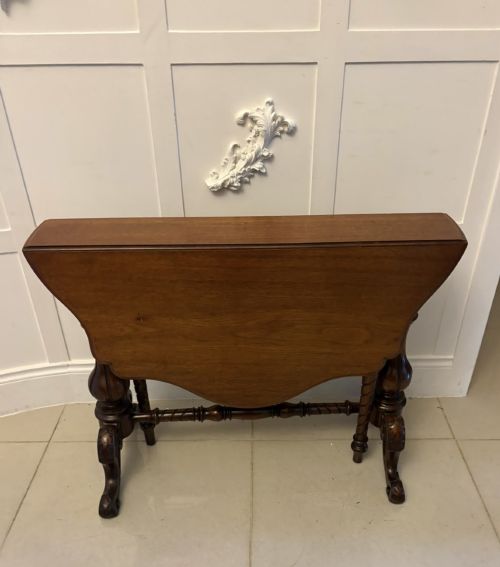
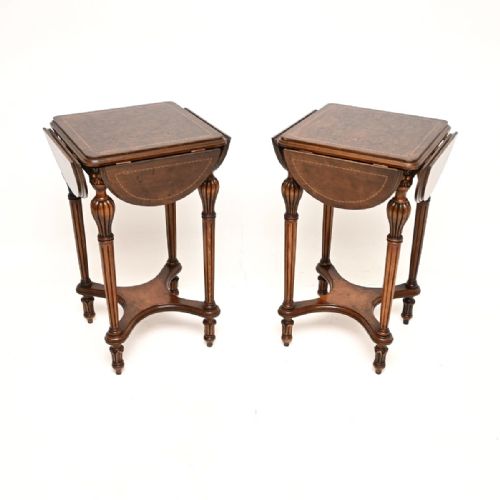
- Sutherland table
- A narrow drop-leaf table designed to fold flat when not in use, supported by pivoting gate legs. While distinct from seating, this form frequently appears alongside period sofas in historic interiors.
Vintage Carved Sofa: Frequently Asked Questions
What is a vintage carved sofa?
A vintage carved sofa is a period seating piece featuring a solid wood frame embellished with hand-carved ornamentation. These items originate from the nineteenth and early twentieth centuries.
They reflect historical design movements including Victorian, Edwardian, and French revival styles. Each piece combines structural timberwork with traditional upholstery or cane panels.
How do I identify the period?
Period identification relies upon examining the timber species, carved motifs, and construction methods. Victorian pieces often use heavy mahogany or walnut with deep, robust ornamentation.
Edwardian and later interwar items frequently display lighter mahogany or oak frames with refined cabriole legs or subtle inlay work. Stylistic cues like Louis XV curves or Regency lion masks further clarify the date.
Are these sofas comfortable?
Comfort varies depending upon the internal padding materials and the depth of the seat frame. Many examples utilise traditional sprung foundations and feather cushions.
Some decorative showpieces prioritise formal posture over deep lounging. Buyers should assess the depth and cushioning style relative to daily sitting habits.
How do I style one at home?
Pairing a carved wood sofa with neutral walls allows the intricate timber details and fabric textures to stand out. Mixing period seating with contemporary tables creates a balanced interior.
Consider the scale of the room, as high backs and scroll ends require adequate physical space. Complementary lighting helps highlight the carved wooden elements.