


Vintage Carved Figurines
Vintage carved figurines bring character to a room through regional craft traditions and varied materials spanning multiple centuries.
Vintage Carved Figurines
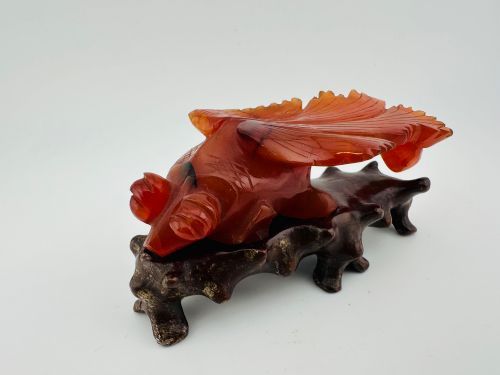
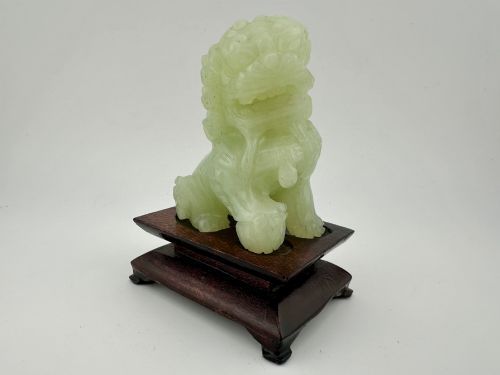
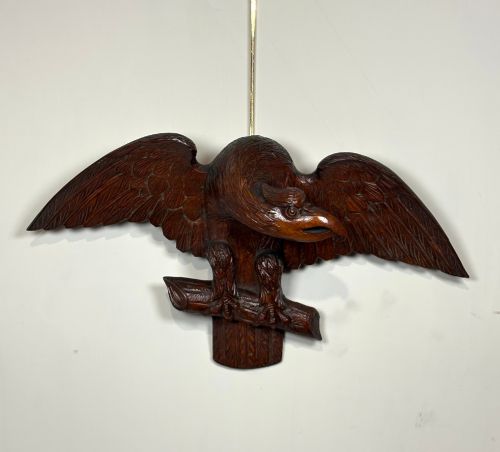
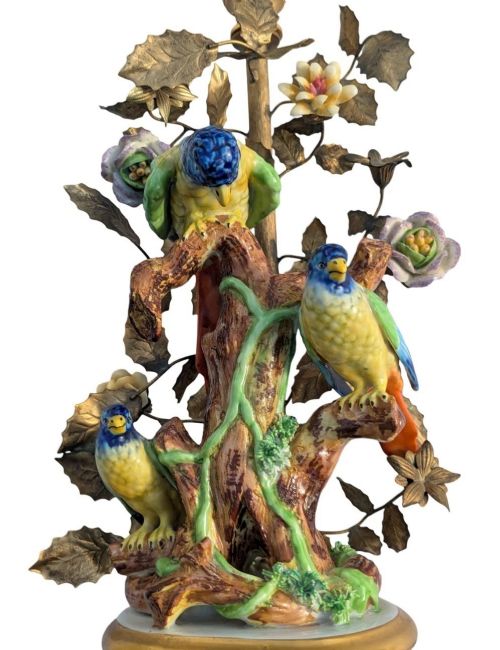
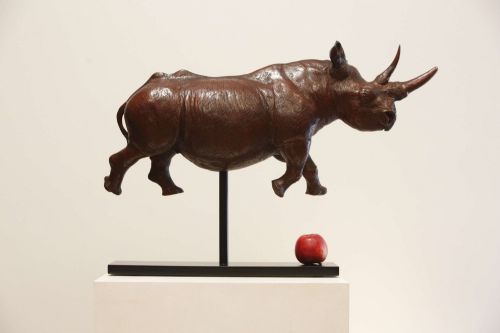
Vintage carved figurines encompass a diverse array of small sculptural objects produced across the nineteenth and twentieth centuries. These pieces range from European folk art and Black Forest animal carvings to Asian hardwood figures and classical busts.
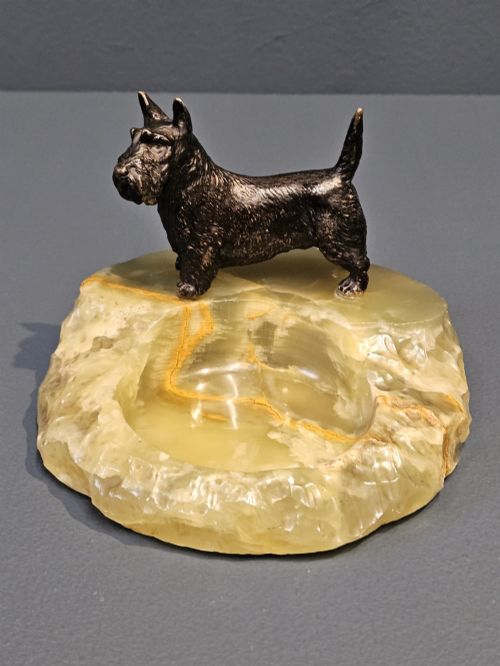
The selections available here heavily feature works carved from various woods, alongside stone, marble, and alabaster alternatives. Collectors encounter everything from utility items like desk tidies and match holders to purely decorative animals, saints, and human figures.
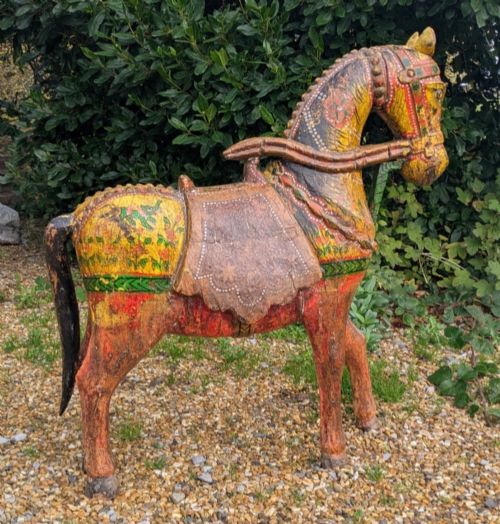
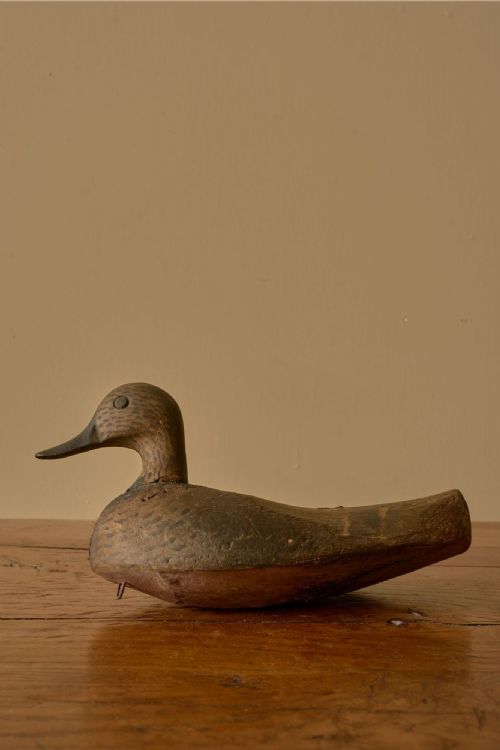
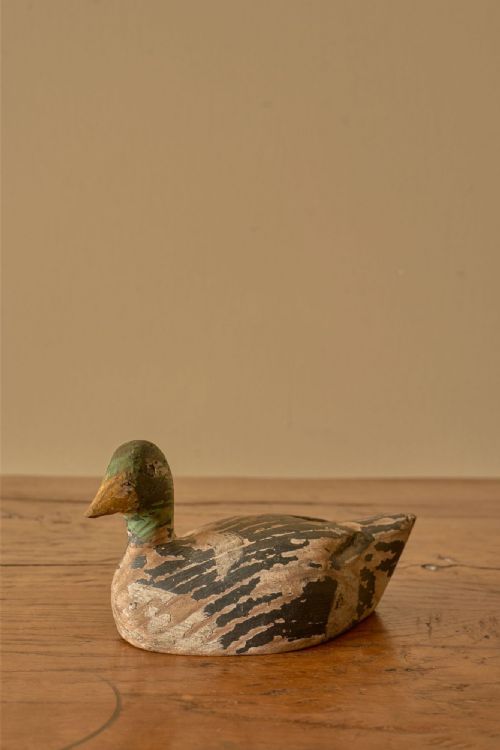
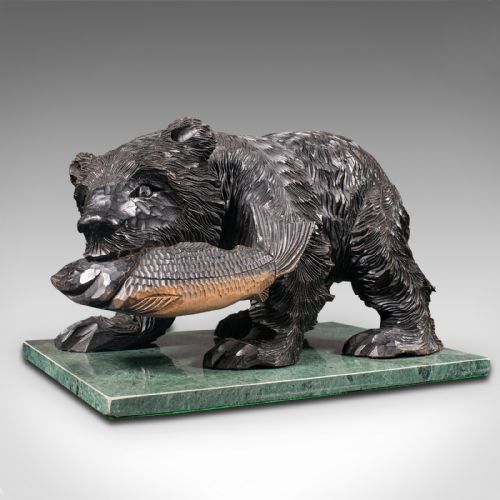
Geographic origins vary widely, reflecting distinct regional workshops from Switzerland, Japan, China, India, and France. Buyers frequently meet traditional animal subjects, particularly bears, dogs, and birds, alongside folk art representations of local figures.
Materials and production methods
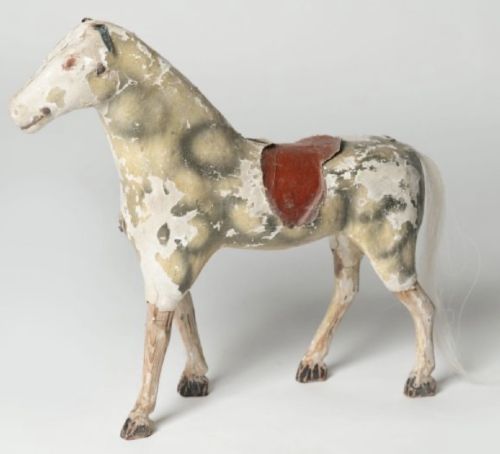
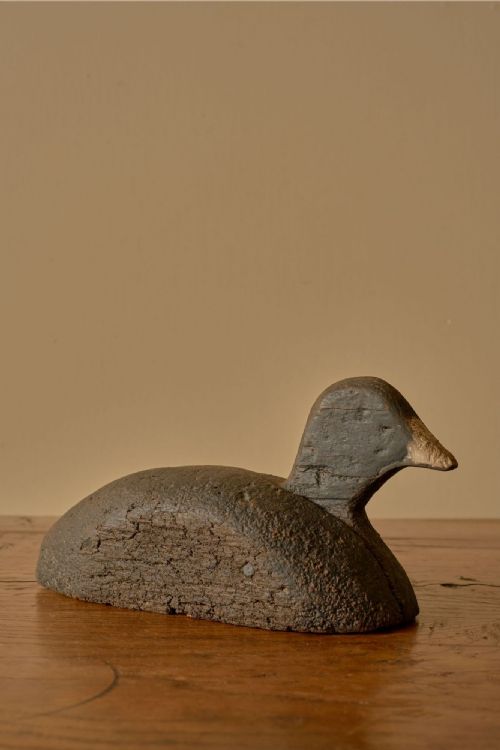
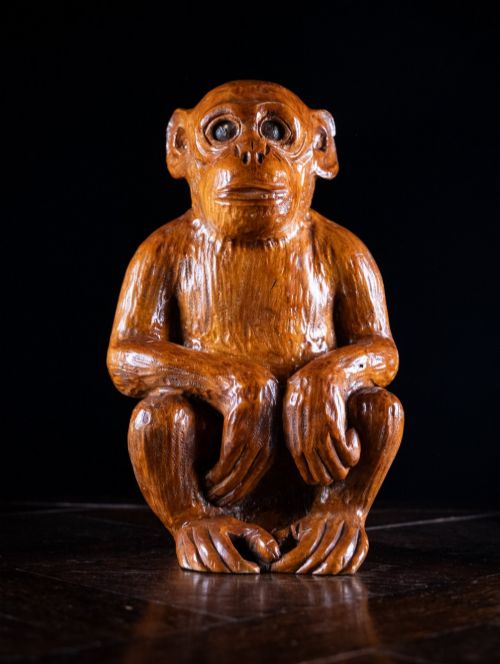
Makers utilised a range of timbers including linden wood, hardwood, oak, and cedar, shaping them with hand gouges and chisels. Many wooden examples retain original paint finishes or cold painted details, while others rely purely on the natural grain of the wood.
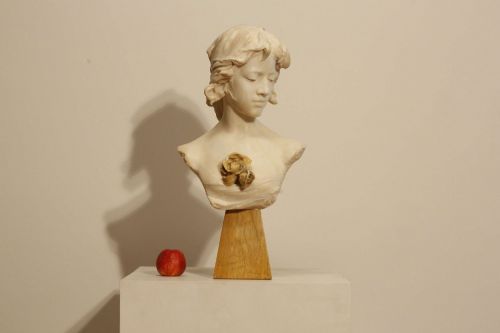
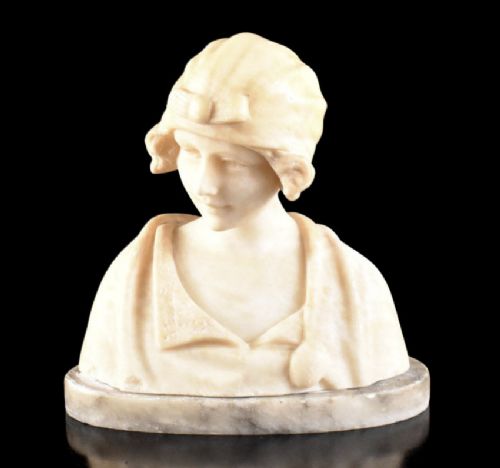
Stones such as marble, alabaster, and hardstone were shaped into smooth busts and figures, often requiring specialist polishing techniques. Artisans also worked in bronze, nickel bronze, and cherry amber to create smaller desk accessories and netsuke.
Vintage Carved Figurines Retail Price Guide 2026
Typical asking prices for vintage carved figurines among the pieces listed under this phrase on Sellingantiques today, from the lower quarter to the upper quarter. They describe what is for sale here now, not the wider market.
A gnome match striker dated 1916 demonstrates that Edwardian desks occasionally required a touch of woodland eccentricity.
Factors determining quality
The skill of the carver dictates the liveliness of the form and the precision of anatomical details, separating spirited regional works from rigid copies. Depth of undercut and the sensitivity shown to the grain of the wood or stone heavily influence the overall presence of the piece.
Surface preservation plays a major role, as original paintwork, natural patination, and untouched waxed finishes retain historical integrity. Signatures, dates, or maker attributions add documented context that elevates specific works above unsigned studio pieces.
Carl Kauba·Frederique Cederlund-Ozanne
The Vintage Carved Figurines Glossary
- Black Forest
- A term describing nineteenth and early twentieth century wood carvings originating from the Swiss and German border regions. These pieces frequently depict bears, forest animals, or human figures with deep relief work.
- Folk art
- Objects created by self-taught or traditional artisans working within regional craft communities. These items often display naive proportions and direct use of local materials.
- Cold painted
- A method where metal objects are painted with non-fired pigments, common on Austrian bronze desk accessories and animal figures. The paint sits on the surface rather than fusing under heat.
- Alabaster
- A fine-grained stone used for Victorian and Art Deco busts and sculptures. It offers a translucent quality that catches light across carved drapery and skin.
- Netsuke
- A small Japanese toggle carved from wood, ivory, or hardstone, pierced to allow a cord to pass through. They typically feature intricate miniature carving and signed bases.
- Hardstone
- A collective term for semi-precious stones such as jade and quartz used for small decorative carvings. Artisans exploit natural colour variations within the stone to define the subject.
Vintage Carved Figurines: Frequently Asked Questions
What are vintage carved figurines?
These pieces are small sculptural works shaped from wood, stone, bronze, and alabaster by traditional craftspeople and folk artists.
They reflect the aesthetic tastes and decorative functions of domestic spaces from the nineteenth century through the mid-twentieth century.
How were carved wooden bears used?
Many Black Forest bear carvings served practical purposes in the home, functioning as tobacco holders, bookends, or umbrella stands.
Others were created purely as decorative ornaments for mantelpieces and display cabinets.
How do I care for alabaster figures?
Alabaster is a soft and porous stone that requires gentle dusting with a dry, soft cloth without water or chemical cleaning products.
Keep these sculptures away from direct sunlight and moisture to prevent surface degradation.
How can I tell the period of a carving?
Dating relies on identifying the prevailing regional style, tool marks, material choices, and any associated signatures or registration dates.
Clothing styles on human figures and the specific manufacturing techniques of metal mounts also offer strong chronological clues.