

Vintage Carved Cane
These vintage carved cane pieces combine sturdy timber frames with woven panels and carved details, offering traditional seating and support.
Vintage Carved Cane
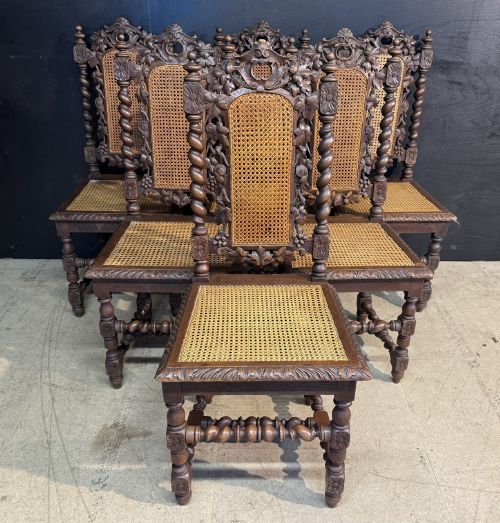
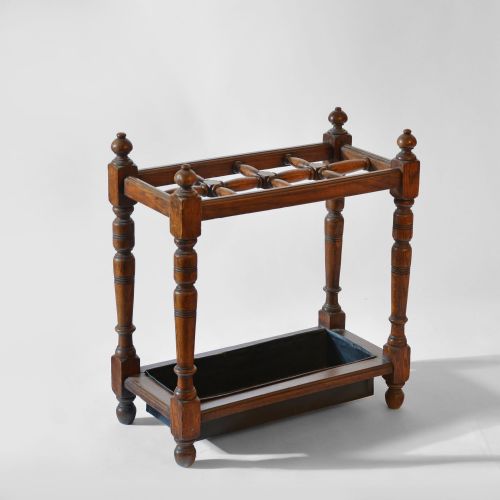
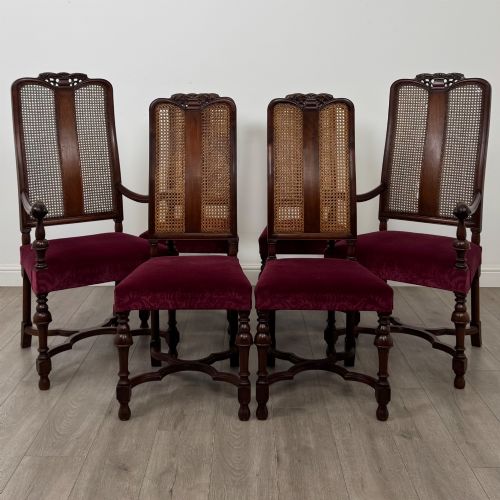
When you search for vintage carved cane, you encounter a mix of seating and walking supports spanning the nineteenth and twentieth centuries. The selection includes dining chairs, armchairs, day beds, and umbrella stands alongside walking sticks and sword sticks.
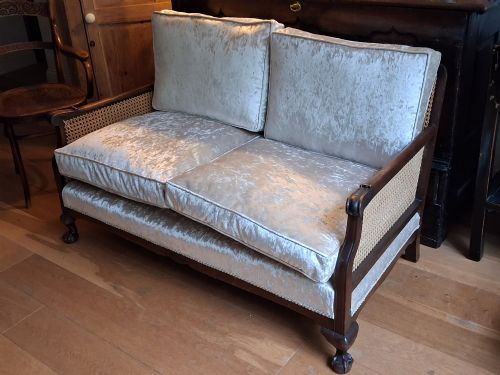
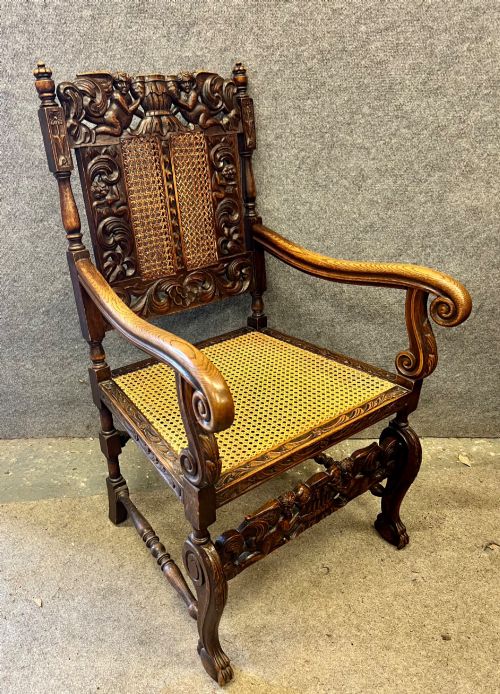
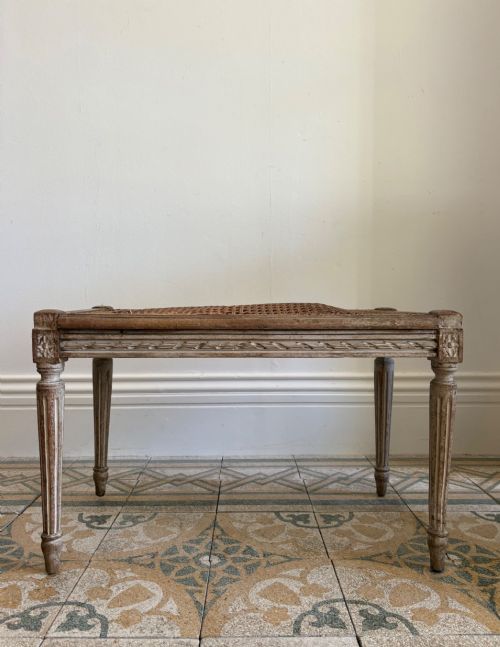
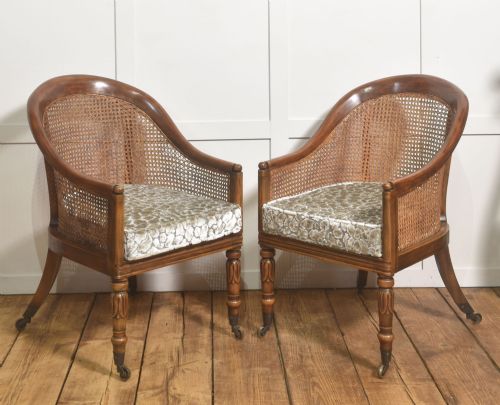
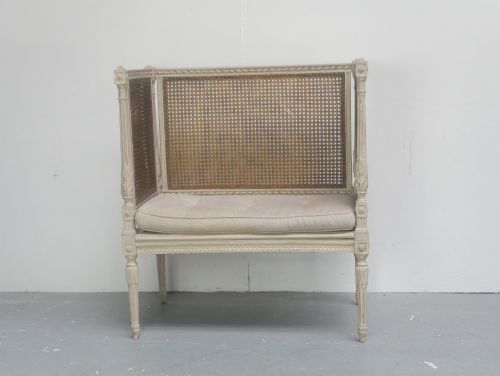
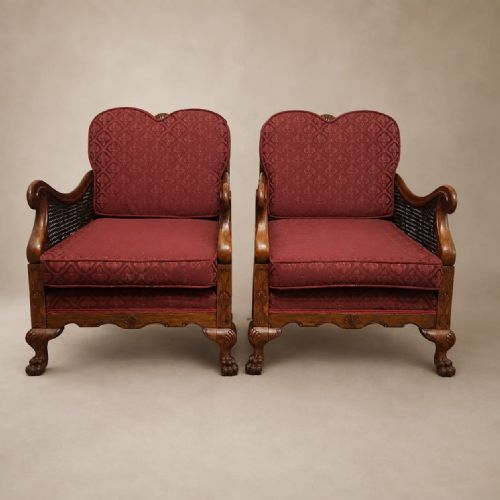
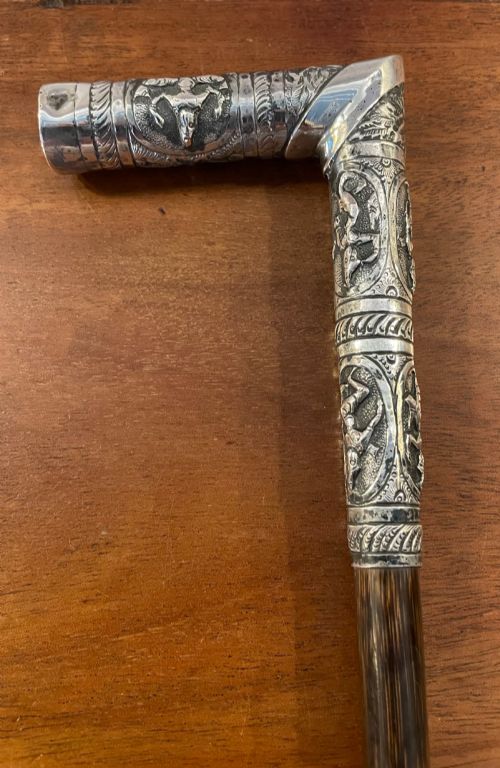
Seating options range from Edwardian tub armchairs and French Louis XVI style settees to Carolean revival armchairs and bergere suites. Walking sticks appear with silver novelty handles shaped like horses, greyhounds, and pheasants.
The materials span oak, walnut, mahogany, and giltwood frames paired with woven cane seats and backs. Metal elements appear in umbrella stands and sword stick blades.
How they were made
Cabinet makers constructed frames from solid hardwoods like oak, walnut, and mahogany, often applying elaborate carvings in revival styles or gilding the timber. Silver mounts and novelty handles were cast and attached to walking sticks and bamboo shafts.
Woven cane panels were inserted into chair backs, seats, and day beds, utilising pliable plant material threaded through drilled holes in the wooden framework. Metal blades were fitted securely into the hollow shafts of sword sticks.
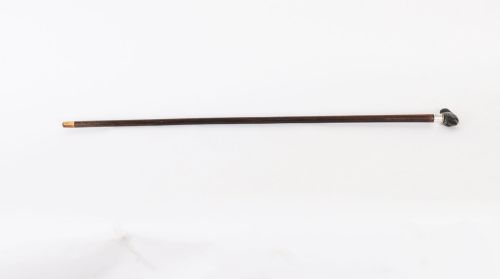
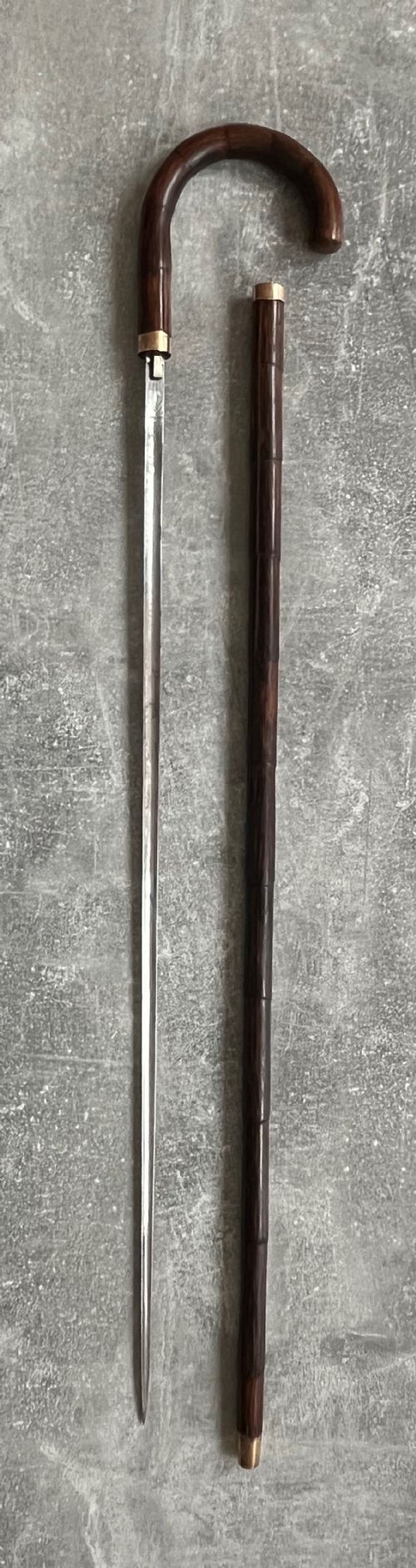
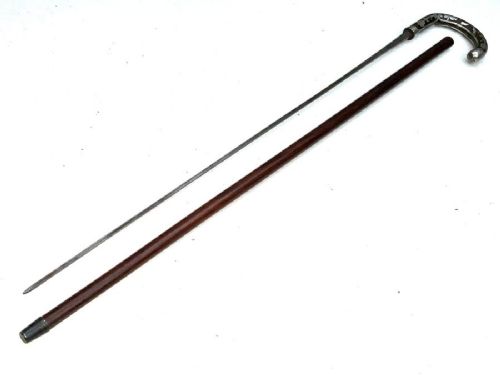
Several walking sticks double as secret swords, complete with silver greyhound and pheasant heads.
What varies in quality
The standard of carving and timber selection distinguishes different examples, with deeply hand-carved details on solid walnut or mahogany frames representing superior workmanship. Giltwood finishes and cast silver novelty handles on walking canes denote higher production levels.
The tightness and uniformity of the woven cane work affect the integrity of seating pieces, alongside the original stability of the wooden joints and frames.
Brigg
The Vintage Carved Cane Glossary
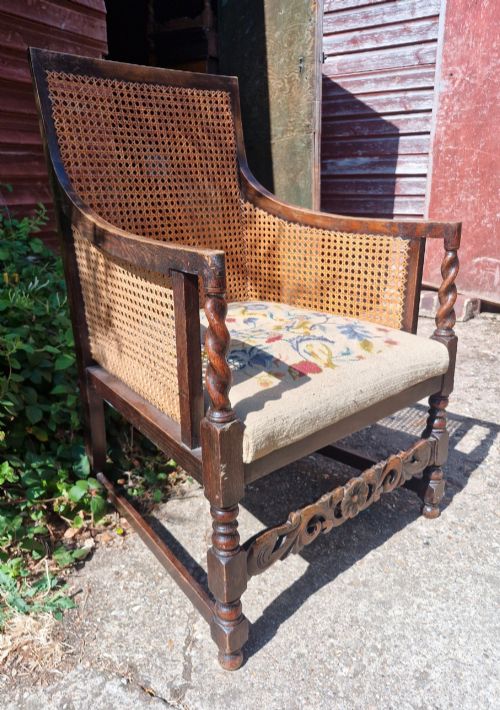
- Bergere
- A closed upholstered armchair with a wooden frame and cane back and sides. These seats often include loose cushion pads.
- Canapé
- A French term for an antique settee or sofa. These items frequently match the style of accompanying armchairs.
- Ebonised
- Timber treated with a dark stain or finish to resemble ebony. This technique appears on Regency and later chairs.
- Giltwood
- Wood that has been covered with a thin layer of gold leaf. It is common on French style furniture.
- Sword stick
- A walking stick containing a concealed metal blade. Examples often feature novelty animal handles.
Vintage Carved Cane: Frequently Asked Questions
What is a bergere armchair?
A bergere armchair is a sturdy wooden seat featuring woven cane panels along the back and sides. These chairs often incorporate upholstered cushions for comfort.
Originating in earlier periods, these seats remain popular in walnut, oak, and mahogany frames across various revival styles.
How do I care for cane furniture?
Keep cane furniture away from direct heat sources and strong sunlight to prevent the plant material from drying out and snapping. Light dusting and occasional gentle cleaning maintain the material.
Avoid placing excessive weight on the centre of cane panels without proper support cushions.
What are novelty walking sticks?
Novelty walking sticks are canes featuring carved or cast handles shaped like animal heads, birds, or figures. Materials include silver, metal, and bamboo.
Many nineteenth-century examples also function as concealed sword sticks with metal blades fitted inside the shaft.
How are umbrella stands constructed?
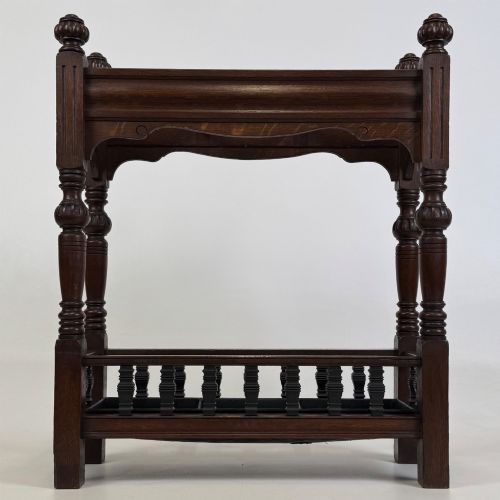
Umbrella and stick stands are made from solid oak, brass, or other metals to hold wet walking supports and umbrellas. These hall items prevent moisture from damaging flooring.
Designs range from Arts and Crafts oak frames to nineteenth-century Dutch brass vessels.