



Vintage Carved Bench
A vintage carved bench brings solid timber and dense ornamentation to an entrance hall or living space, offering both a seat and a piece of sculpture.
Vintage Carved Bench
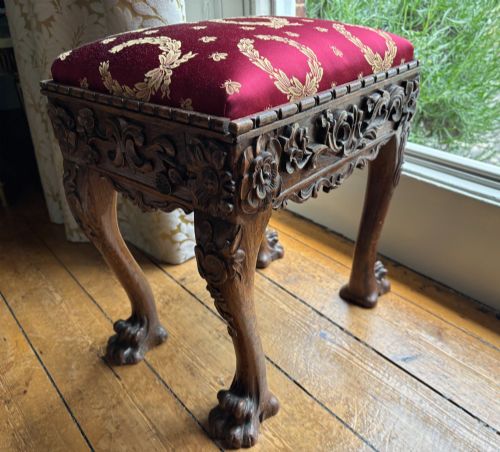
When you search for a vintage carved bench, you encounter sturdy timber forms ranging from compact hall seats to broad settles with high backs. The pieces on this page span the Victorian, Edwardian, and early twentieth-century periods, with styles drawing on Jacobean Revival, Gothic Revival, and Anglo-Indian traditions.
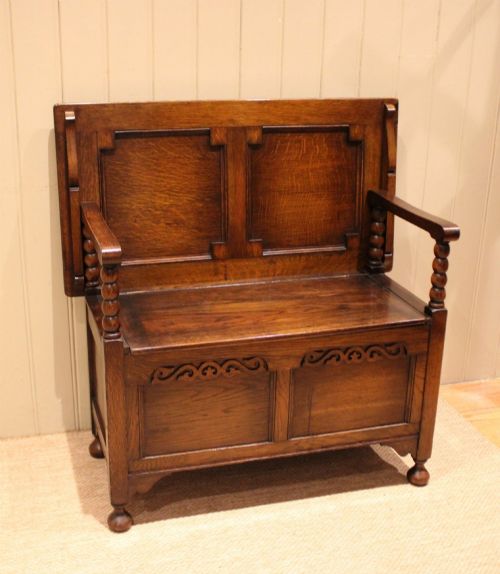
You meet functional items designed for specific domestic spaces, such as monks benches that convert into tables, hall seats with lift-up lids for storage, and window seats meant for narrow rooms. Oak and mahogany dominate the selection, often accompanied by smaller stools and settles that share the same decorative carving.
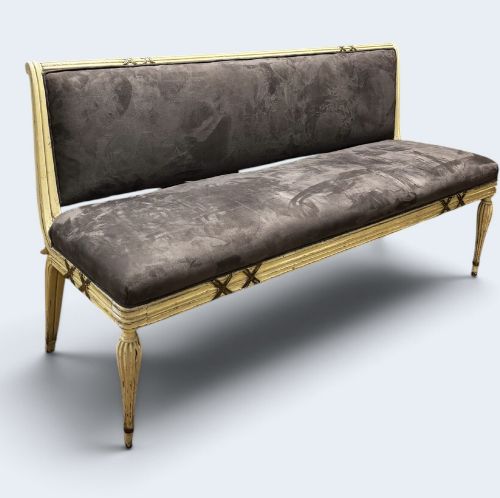
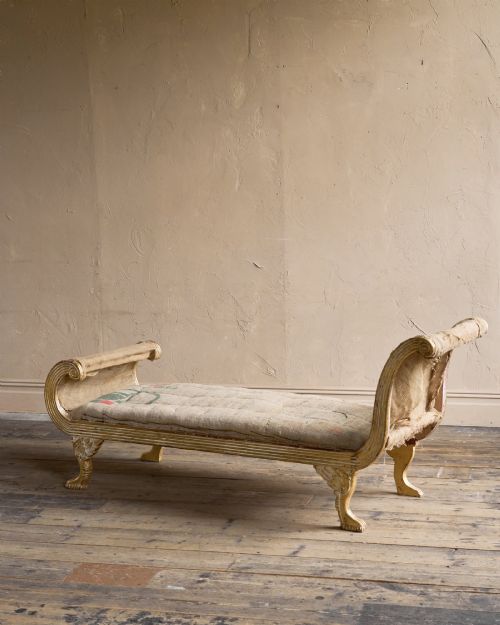
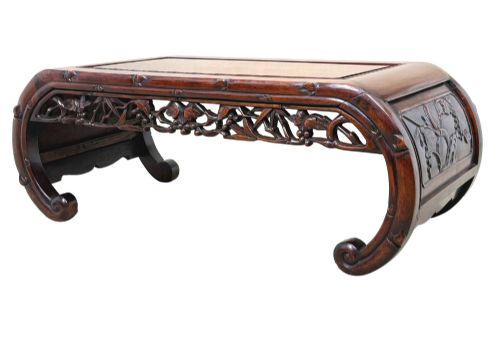
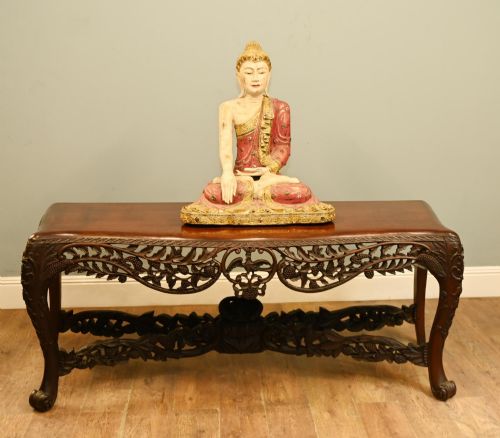
Regional and international influences appear frequently, including Chinese export pieces, French painted daybeds, and Indian hardwood storage benches with hinged seats. These objects carry carved details ranging from floral motifs to geometric panels, reflecting the tastes of their respective eras.
Materials and construction methods
Makers relied heavily on solid hardwoods like oak, mahogany, walnut, and exotic imported timbers such as rosewood. These materials were chosen for their structural strength, allowing craftsmen to execute deep, relief carving on panels, arms, and crest rails without compromising the integrity of the frame.
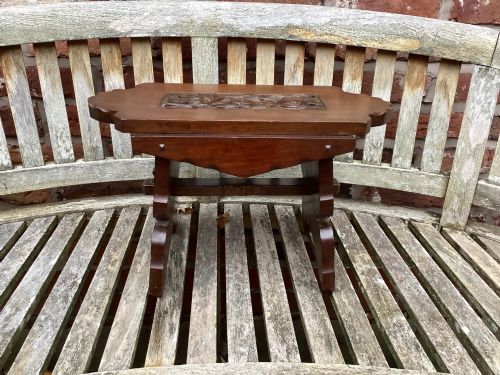
Joinery techniques combined traditional mortise and tenon construction with hand-carved ornamentation applied directly to the solid wood or onto separate panels. Details such as brass studs, hinged storage compartments, and shaped trestle ends demonstrate the practical carpentry underpinning these decorative forms.
Vintage Carved Bench Retail Price Guide 2026
Typical asking prices for vintage carved bench among the pieces listed under this phrase on Sellingantiques today, from the lower quarter to the upper quarter. They describe what is for sale here now, not the wider market.
Listings feature oak, mahogany, walnut, and hardwood across Victorian, Edwardian, and nineteenth-century periods, alongside painted finishes and cane.
Distinguishing quality in carved seating
The standard of a piece rests upon the crispness and depth of the timber carving, where sharp, undercut details reveal the hand of a skilled artisan rather than machine routing. Depth of modelling in floral or architectural motifs separates standard production items from finer workshop pieces.
Selection depends equally on the integrity of the timber and the retention of original structural elements, such as integrated storage lids, folding mechanisms, and solid joints. Heavier scantlings of oak or mahogany and well-figured grain patterns elevate the presence of a bench within a room.
The Vintage Carved Bench Glossary
- Monks bench
- A convertible seat featuring a hinged back that folds down over the arms to form a table top. This dual-purpose form provides both a hall bench and a small surface.
- Settle
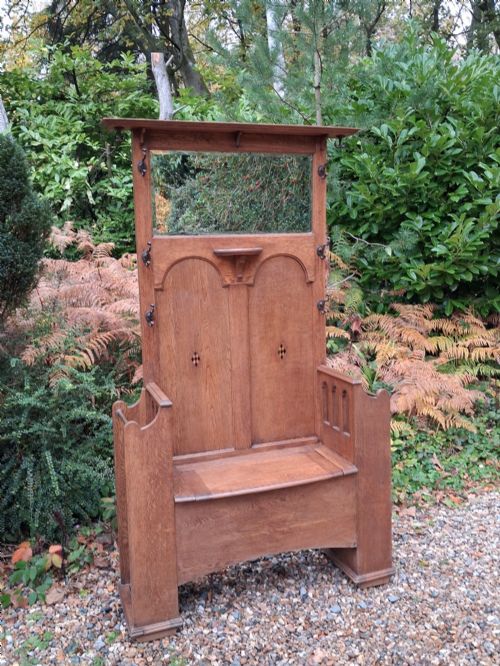
- A wooden bench with a high back, solid arms, and often a storage box beneath the seat. Designed to block draughts in older hallways and kitchens.
- Canapé
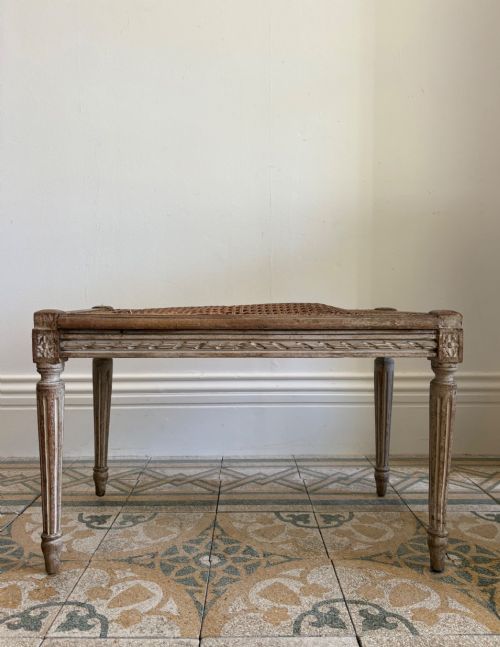
- A French term for an upholstered sofa or settee, often built in specific historical revival styles. These frames frequently incorporate carved show-wood and cane panels.
- Poppy head
- A carved decorative finial shaped like a budding poppy, commonly found on Gothic revival woodwork and bench ends. It provides an architectural termination to vertical timbers.
- Stencilled
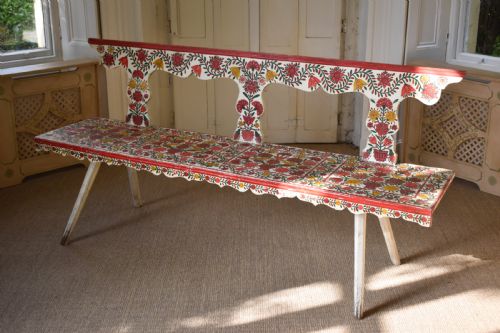
- A decorative technique applying paint through a cutout template to produce ornament on wood surfaces. This method appears on painted French and continental seating.
Vintage Carved Bench: Frequently Asked Questions
Where should I place a hall bench?
A hall bench suits narrow entryways, corridors, or boot rooms where it provides a practical spot for putting on shoes. Many versions include under-seat storage or lift-up lids for stashing accessories.
Positioning the piece against a plain wall allows the carved back and arms to stand out as a focal point. Ensure the depth of the seat clears your hallway space before placement.
How do I care for antique oak furniture?
Maintain solid oak by dusting it regularly with a dry, soft cloth to prevent grit from settling into the carved recesses. Avoid placing wooden seating near direct heat sources or in strong sunlight, which causes timber to dry out and split.
Applying a traditional beeswax polish occasionally feeds the grain and preserves the patina. Buff the surface gently after application to maintain a soft, natural sheen.
Can I reupholster a vintage daybed?
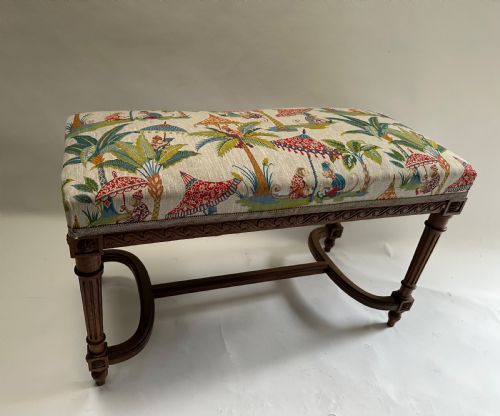
Many vintage daybeds and window seats are sold specifically as upholstery projects, allowing you to choose fabric that matches your interior. The underlying wooden frame remains the key element, while modern webbing and foam can be fitted to the original dimensions.
Consult a professional restorer if the piece requires frame stabilization before new fabric is applied. Preserving the integrity of the carved show-wood ensures the piece retains its character.