

Vintage Card Case
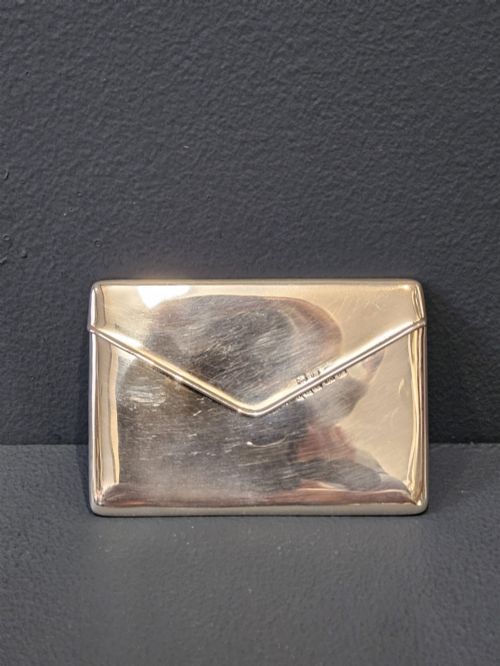
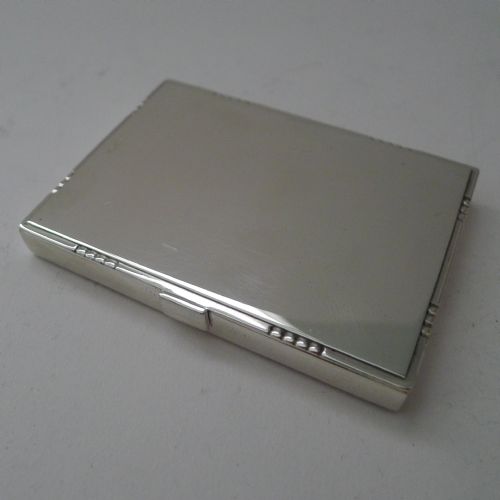
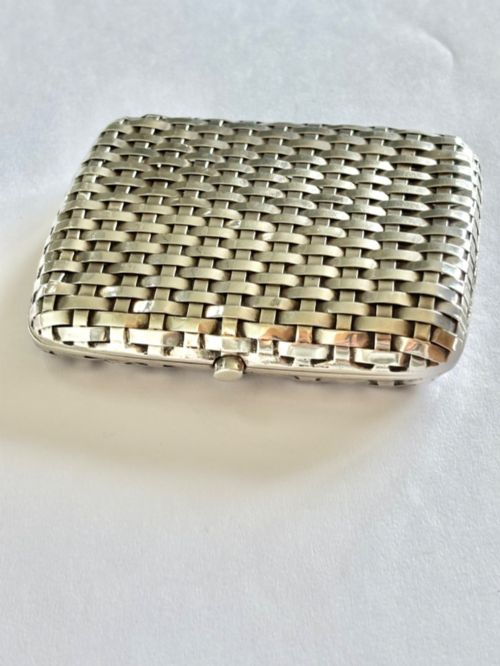
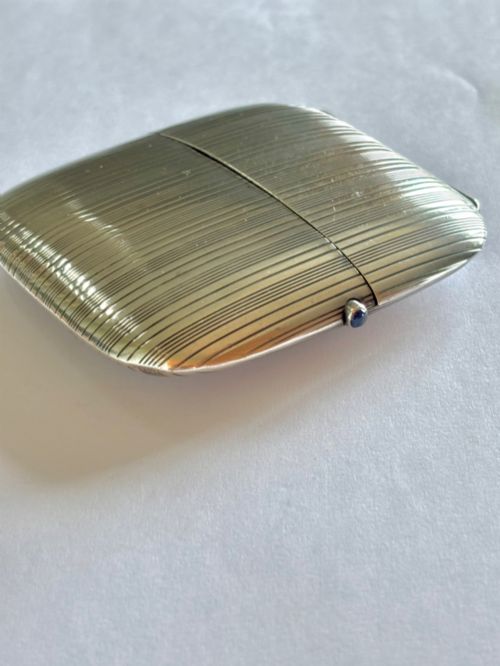
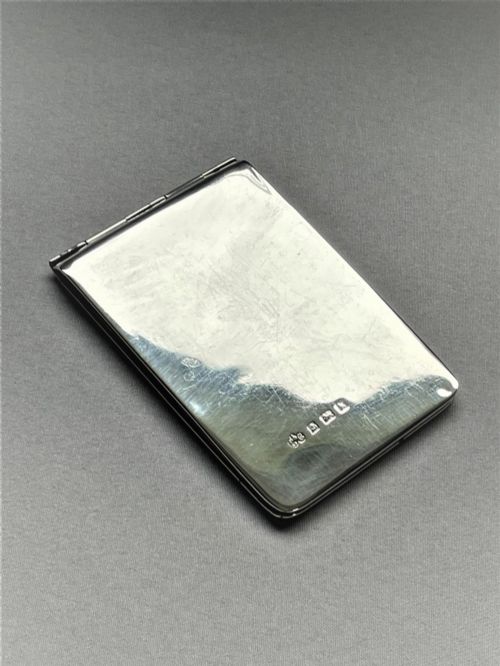
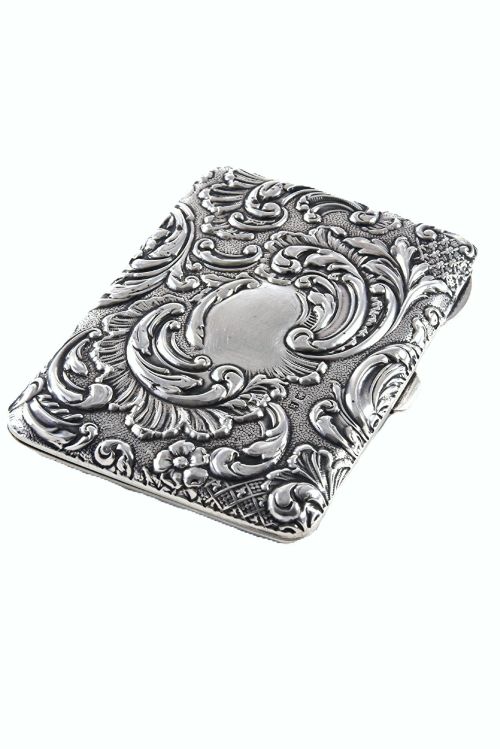
These vintage card case examples bring together Edwardian refinement and Art Deco geometry, offering pocket-sized storage for cards, stamps, and notes.
Vintage Card Case
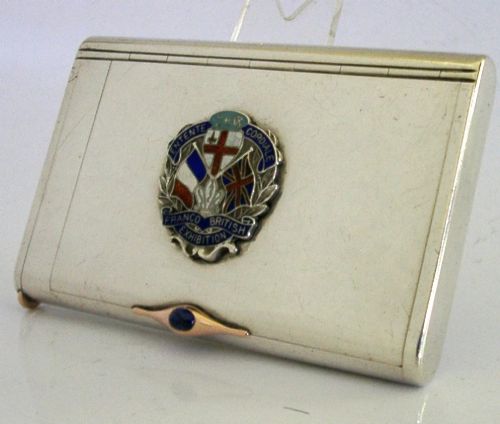
Beyond standard card holders, the form overlaps with related small personal accessories in the evidence, including aide-memoires, stamp cases, wallets, cigarette cases, and menu holders. Many incorporate secondary materials like leather, enamel, silk, and gold mounts to serve social and gaming needs.
How they were made
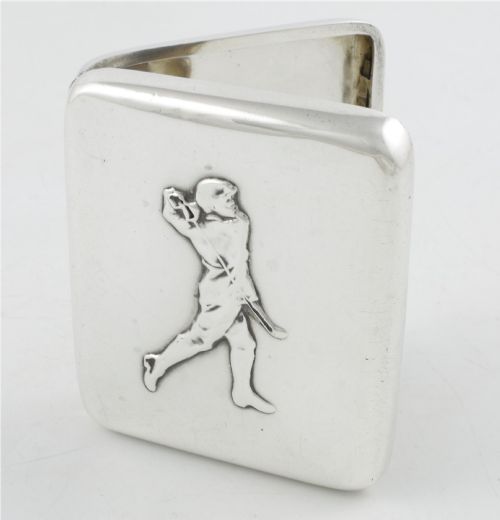
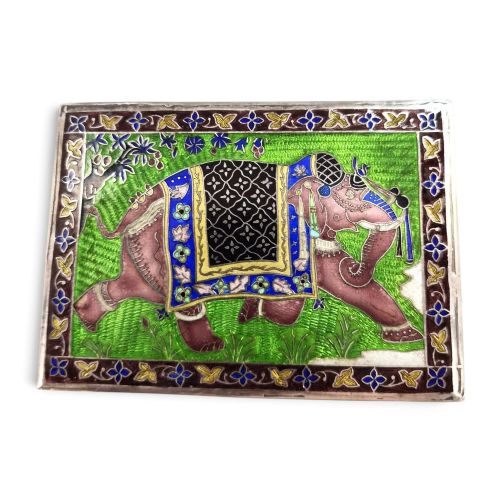
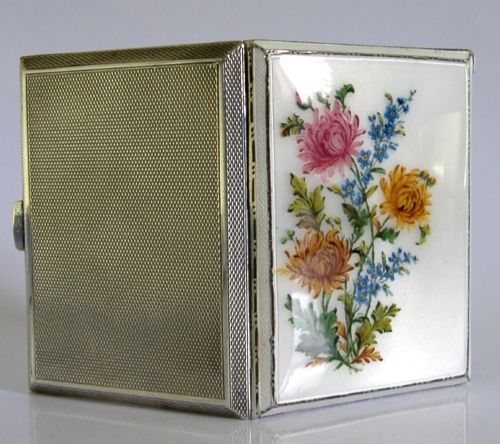
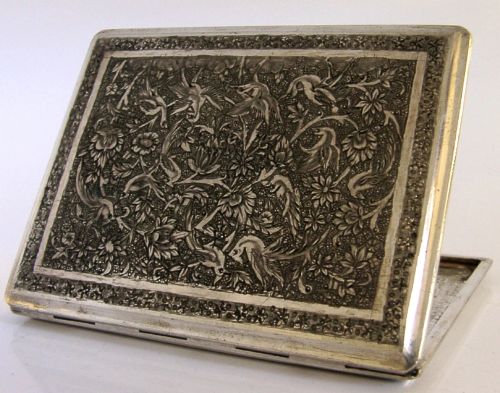
Makers utilised sterling silver and silver gilt as the primary structural chassis, often shaping them through pressing, casting, and hallmarked assembly in workshops such as Birmingham and London. These metal bodies frequently receive hand-applied surface decoration including intricate enamel, niello work, and fine engraving.
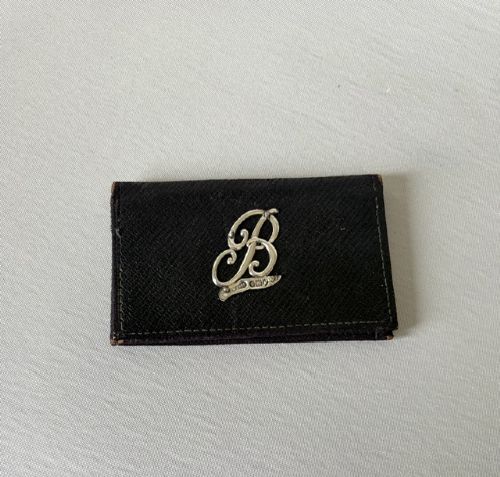
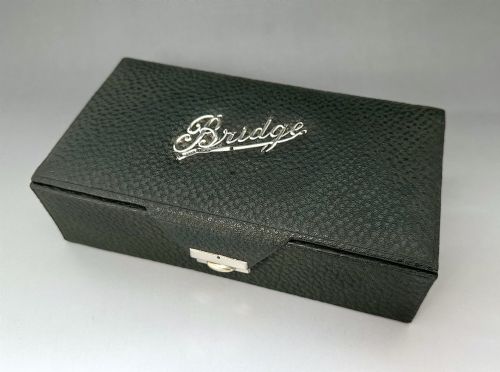
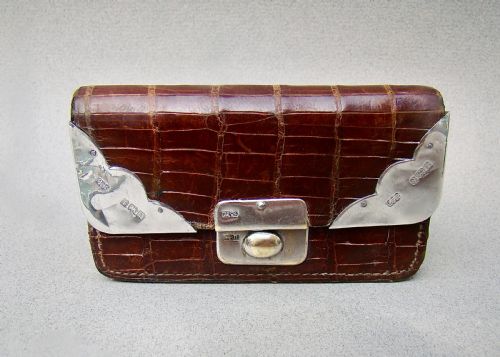
Combinations of organic materials appear throughout the evidence, uniting metal frames with crocodile skin, leather, velvet, silk, Connemara marble, and gold. Artisans mounted these panels securely within silver hinges and clasps to form durable bridge boxes, purses, and card cases.
Vintage Card Case Retail Price Guide 2026
Typical asking prices for vintage card case among the pieces listed under this phrase on Sellingantiques today, from the lower quarter to the upper quarter. They describe what is for sale here now, not the wider market.
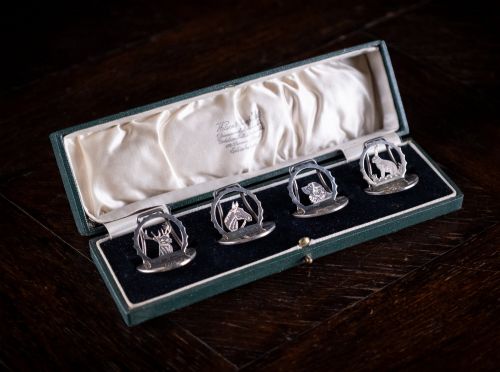
Object forms range from traditional card cases and cigarette boxes to specialised bridge boxes, stamp cases, and figural menu holders.
What varies in quality
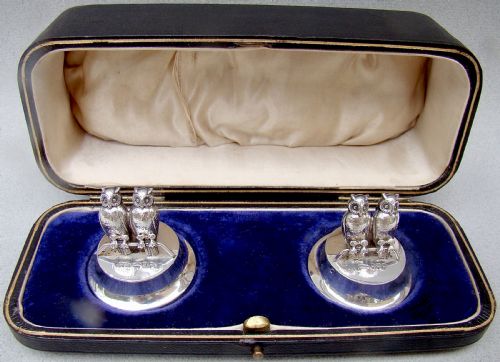
The degree of hand-finishing and specialised ornamentation distinguishes pieces across the range, particularly where polychrome enamel, hand-painted floral motifs, or complex animal castings are present. Simpler plain silver items rely entirely on clean proportions, crisp hallmarks, and structural integrity.
The integration of mixed media also dictates distinction, as seen in the precision of leatherwork, crocodile skin fitting, and the preservation of delicate internal silk or velvet linings. Pieces retaining their original fitted interior compartments or matching companion items demonstrate higher original commissioning standards.
CHARLES PENNY BROWN·LEVI & SALAMAN·WILLIAN AITKEN·A. WILCOX·LIBERTY & CO
The Vintage Card Case Glossary
- Sterling silver
- A silver alloy containing 92.5 percent pure silver and 7.5 percent other metals, typically copper, chosen for durability in portable cases. This standard underpins the vast majority of hallmarked items on the page.
- Enamel
- A glassy substance fused to metal through firing, utilised to add vibrant colour and pictorial detail to case exteriors. Painted and champlevé variations appear frequently in Edwardian and Art Deco designs.
- Aide-memoire
- A small pocket notebook or memorandum tablet, often equipped with an attached pencil and card storage. These pieces frequently double as functional card cases from the Victorian and Edwardian eras.
- Vesta case
- A small pocket box designed to hold matches and strike them on an integrated base, occasionally combined with card or stamp storage. Examples span late nineteenth-century and Edwardian production.
- Silver gilt
- Silver covered with a thin layer of gold on its interior or exterior surfaces, providing a rich two-tone appearance. This finish appears on card boxes and sovereign compact combinations.
Vintage Card Case: Frequently Asked Questions
What is the difference between a card case and an aide-memoire?
A card case is built primarily to store calling cards or playing cards securely within a rigid metal or leather-mounted shell. An aide-memoire incorporates internal writing leaves and a small pencil to record notes alongside card storage.
While both serve Edwardian social customs, the aide-memoire functions as a portable writing desk in miniature.
How do I care for silver and enamel cases?
Silver components require gentle cleaning with a soft cloth to preserve crisp hallmarks and original surface texture without removing patination. Enamel surfaces must be kept away from harsh solvents and extreme temperature changes to prevent hairline cracking.
Store pieces in dry conditions away from direct sunlight to protect integrated leather or silk linings.
Were these cases only used for calling cards?
Historical uses extended well beyond visiting cards into various domestic and social administration tasks. Surviving examples accommodated postage stamps, sovereign coins, cigarettes, bridge score cards, and small memoranda.
Makers adapted standard box and purse dimensions to suit whichever specific pocket or desk requirement the owner demanded.
How can I tell an Edwardian piece from an Art Deco one?
Edwardian items typically display flowing floral motifs, naturalist animal castings, and ornate scroll engraving influenced by earlier Victorian aesthetics. Art Deco pieces favor geometric precision, stylised symmetry, and clean, streamlined silhouettes characteristic of the 1920s and 1930s.
Assay office hallmarks and date letters stamped into the silver provide definitive confirmation of the production year.