

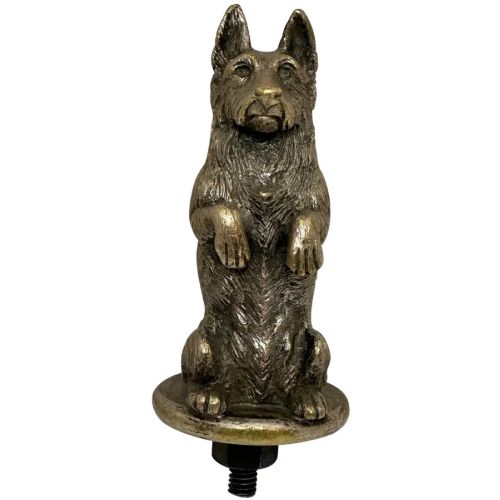
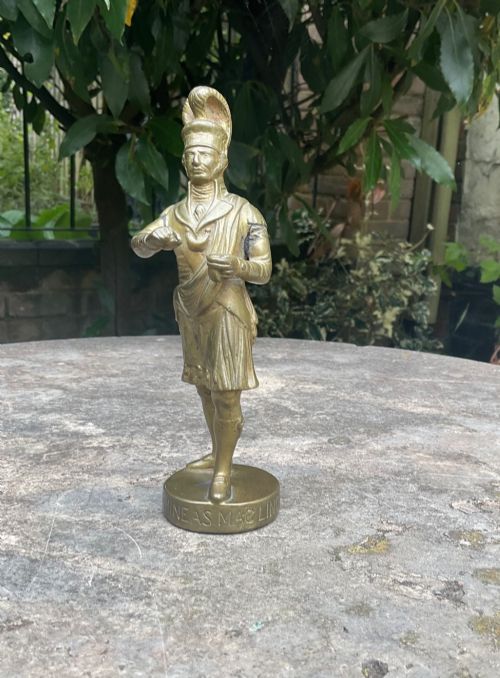


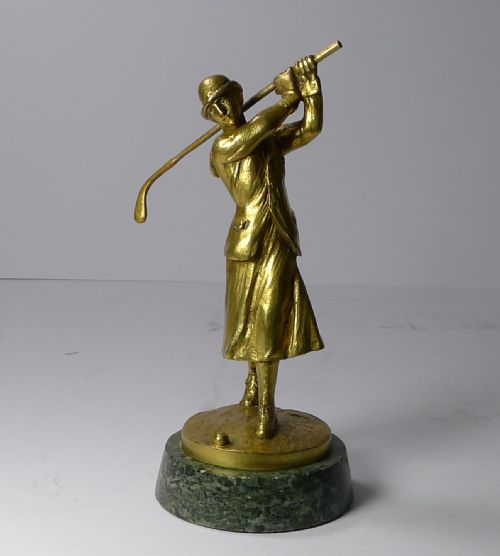


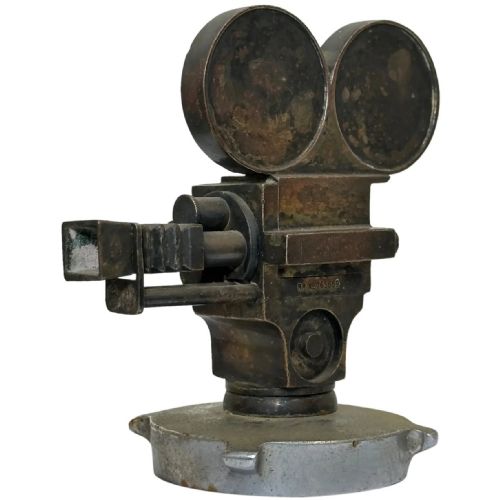


Vintage Car Radiator Cap
These vintage car radiator cap selections turn early motoring hardware into sculptural art for the bonnet or the desk.
Vintage Car Radiator Cap
A vintage car radiator cap sits atop the cooling system of an early automobile, often taking the form of a sculptural mascot rather than a plain metal lid. When you search for a vintage car radiator cap on this page, you encounter pieces that function as both mechanical fittings and decorative ornaments for classic vehicles.
The selections span from Edwardian origins to the Art Deco period, featuring animal figures and human forms cast in metal or moulded in glass. Most examples you meet here originate from the 1920s and 1930s, reflecting the golden age of automotive design and sculpture.
Mascots take various shapes, from birds and dogs to human figures and symbolic objects. These decorative objects transform functional engine components into prized pieces of automobilia.
Materials and construction
Metal items utilise bronze and brass, shaped through casting techniques to achieve detailed figures of animals and people. Solid bronze and cast brass provide durability for exterior use on a moving vehicle while allowing fine sculptural detail.
Glass pieces employ moulded, pressed, clear, frosted and opalescent glass to catch the light on the bonnet. These glass creations require precise kiln work and cooling to achieve their luminous qualities and distinct tactile surfaces.
Vintage Car Radiator Cap Retail Price Guide 2026
Typical asking prices for vintage car radiator cap among the pieces listed under this phrase on Sellingantiques today, from the lower quarter to the upper quarter. They describe what is for sale here now, not the wider market.
Listings feature items from the Edwardian era through the 1940s, executed in bronze, brass, wood and various forms of glass.
Distinctions in quality
The clarity of the casting or the purity of the glass defines the upper tier of these pieces. Sharp details in bronze and brass or even light distribution through opalescent glass separate superior examples from simpler production.
Attribution to a known designer or maker elevates an item significantly above anonymous production. Signed glass and documented foundry bronzes carry distinct artistic weight through their provenance and execution.
Asprey·Rene Lalique·Jose Dunach·Phineas Maclino
The Vintage Car Radiator Cap Glossary
- Car mascot
- A sculptural ornament mounted on the radiator cap of an early motor car. These figures served to personalise vehicles before streamlined bodywork became standard.
- Automobilia
- Collectable items associated with motor cars and motoring history. This category includes mascots, badges and other period accessories.
- Opalescent glass
- Glass that displays milky, milky-blue or fire-like colour variations when lit. This material was favoured by leading glass artists of the interwar period.
- Art Deco
- The dominant design style of the 1920s and 1930s, characterised by stylised geometry and sleek lines. It heavily influenced the styling of automotive ornaments of the era.
Vintage Car Radiator Cap: Frequently Asked Questions
What is a vintage car radiator cap?
A vintage car radiator cap is a functional engine cover that often doubles as a sculptural mascot on classic automobiles. They screw onto the top of the radiator to seal the cooling system while displaying decorative figures.
These items range from simple brass fittings to intricate bronze animals and moulded glass sculptures created by prominent artists.
How were these mascots mounted?
Mascots were threaded or bolted directly into the centre of the radiator cap or shell of the car. They needed to withstand vibration and wind pressure during driving.
Many examples retain their original mounting hardware, while others are displayed independently on desks or plinths as sculptures.
How do I identify glass types?
Clear glass allows light to pass straight through, whereas frosted and pressed glass diffuse light across textured surfaces. Opalescent glass shifts in tone between amber and blue depending on the angle of the light.
Examining the surface finish and weight helps determine the specific glass technique used by the maker.
How should I display them?
Glass mascots benefit from placement near a light source to showcase their transparency and internal glow. Bronze and brass examples look best on stable surfaces where their patination can be appreciated.
Many collectors use dedicated wooden or metal display bases to present these pieces safely away from vehicles.