








Antique Car Hood Mascot
An antique car hood mascot sits proudly on a radiator cap, transforming a vintage motor car into a rolling sculpture.
Antique Car Hood Mascot
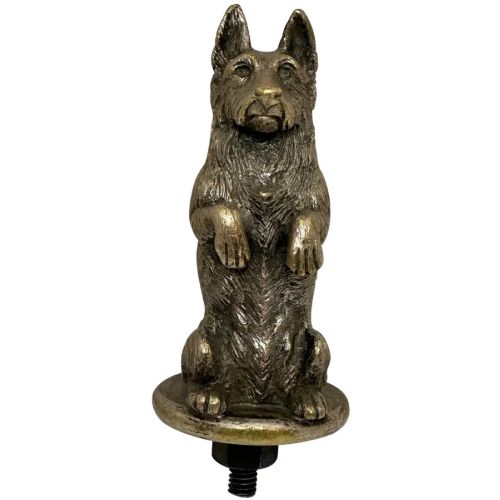
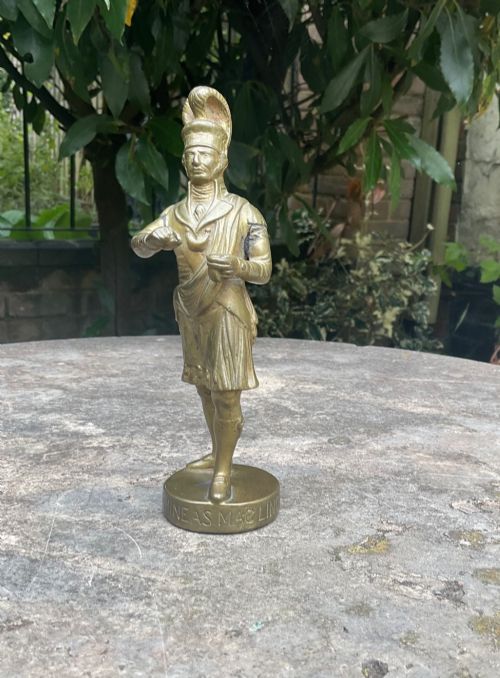
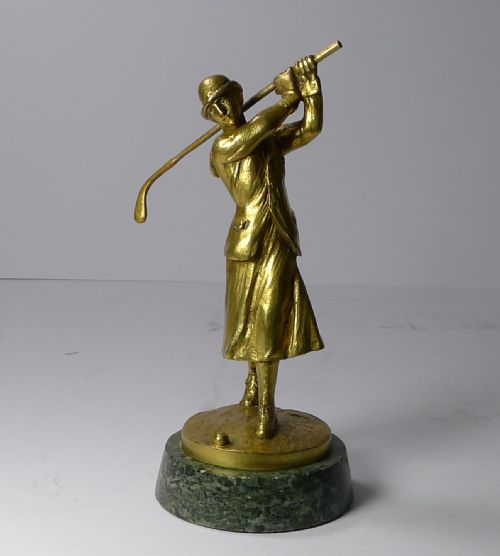
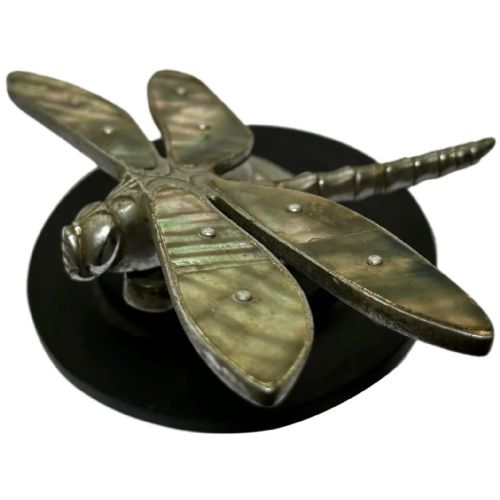
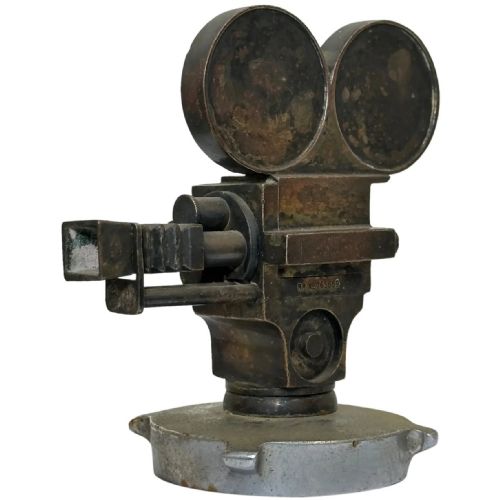
An antique car hood mascot is a sculptural ornament mounted on the radiator cap of a motor car, originating from periods like the early twentieth century and the interwar decades. These objects range from figurative animal studies and human figures to geometric and modernist designs intended to personalise early motor cars.
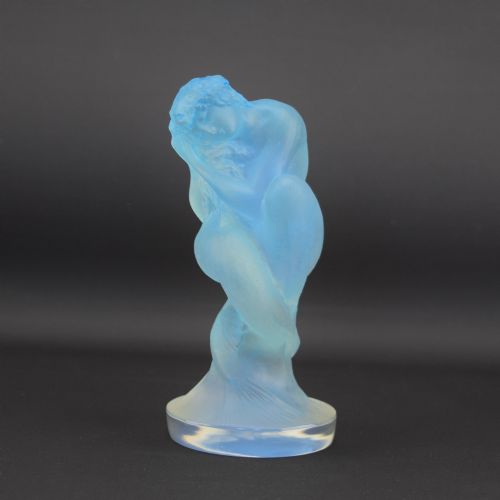
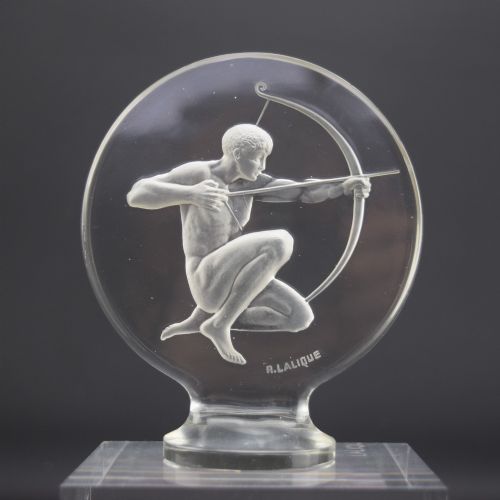
The most common versions met here include pressed moulded glass figures from the Art Deco period, alongside solid bronze castings depicting animals and human subjects. Collectors encounter everything from spirited hunting dogs and birds to stylised nudes and historical portraits.
Originating in eras spanning from nineteen hundred through to the nineteen forties, these ornaments reflect the evolving tastes of early motorists. They bridge the gap between practical automotive accessories and fine cabinet sculptures.
What varies in quality
In glass pieces, the depth of the opalescence and the purity of the material determine the visual impact. The presence of a clear signature or maker mark further separates standard production pieces from masterworks.
Antique Car Hood Mascot Retail Price Guide 2026
Typical asking prices for car hood mascot among the pieces listed under this phrase on Sellingantiques today, from the lower quarter to the upper quarter. They describe what is for sale here now, not the wider market.
Listings here span the Edwardian era, the Art Deco period and Mid-Century Automobilia, utilising bronze, chrome and moulded glass.
Asprey·Phineas Maclino·Rene Lalique·Louis Lejeune·Desmo·Jose Dunach
The Antique Car Hood Mascot Glossary
- Automobilia
- Artefacts and collectibles relating to the history and culture of motor cars. This broad category encompasses mascots, badges, manuals and early motoring accessories.
- Radiator cap
- The functional cap atop a vehicle engine cooling system which served as the mounting point for hood mascots. Mascots were screwed directly into or onto this fitting.
- Opalescent glass
- Glass containing ingredients that cause it to milky-blue in transmitted light and warm amber in reflected light. Rene Lalique utilised this material extensively for luminous mascots.
- Cold painted bronze
- Bronze sculpture decorated with paint applied without heat after the casting process. This technique was popular for adding realistic colour to small animal and human figures.
- Lost wax casting
- A metal casting method where a molten metal is poured into a mould that has been created by means of a wax model. This allows for complex undercuts and fine surface details.
Antique Car Hood Mascot: Frequently Asked Questions
How were car hood mascots mounted?
Mascots were threaded or bolted directly onto the top of the vehicle radiator cap. This allowed motorists to personalise their cars while maintaining access to the cooling system.
Fittings often required sturdy metal bases to withstand the vibration and wind resistance encountered during driving.
Why did motorists use glass mascots?
Glass mascots offered a luminous appearance, particularly when lit from behind by specialised radiator cap illumination kits. They caught the sunlight during daytime driving and created striking silhouettes at dusk.
Makers like Rene Lalique elevated functional glass into high Art Deco sculpture suitable for luxury automobiles.
Are these mascots suitable for display indoors?
Many collectors remove these pieces from motor cars entirely for display inside cabinets or on desks. Their fine sculptural qualities make them ideal cabinet bronzes and art glass ornaments.
Wooden or marble plinths are frequently utilised to exhibit these objects away from the vehicle.
How do I identify an Art Deco mascot?
Art Deco mascots typically feature streamlined geometry, stylised anatomical forms and subjects relating to speed and modernity. Look for motifs such as greyhounds, racing figures and geometric drapery.
The materials often combine chrome plating, frosted glass and patinated bronze typical of the interwar period.