


Vintage Canopy Bedstead
A vintage canopy bedstead brings architectural presence to a bedroom, combining draped fabrics with solid timber or polished metal frames.
Vintage Canopy Bedstead
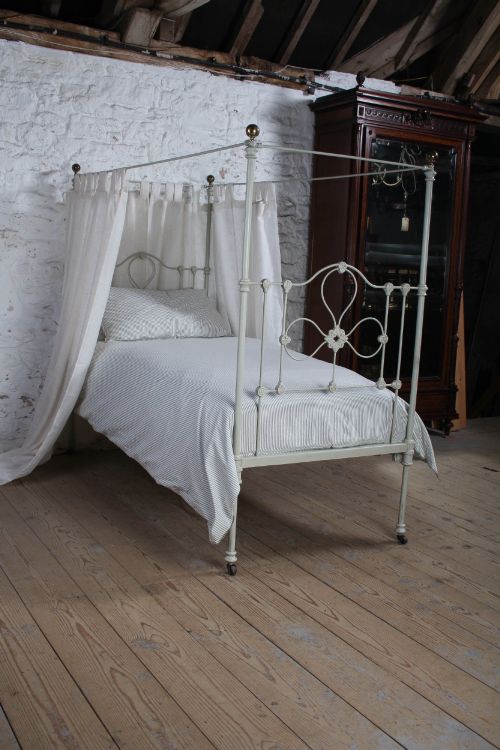
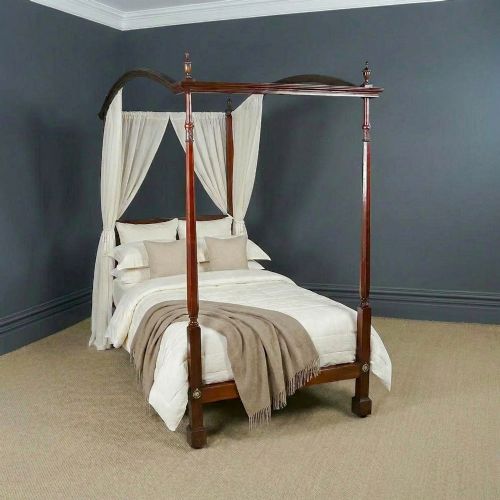
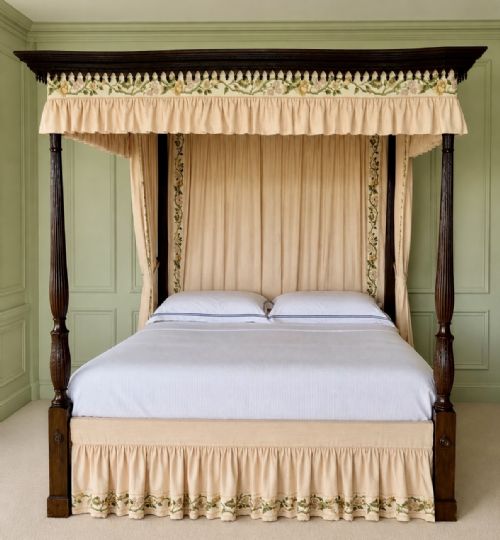
A vintage canopy bedstead is a substantial framework designed to support overhead drapery or a tester above the sleeping surface. When searching for a vintage canopy bedstead, buyers encounter grand half tester designs and full four-poster structures originating from various eras.
The selections span from Victorian brass and cast iron frames to Edwardian mahogany and oak constructions. These pieces emerge in single, double, king, and super king sizes, reflecting the diverse domestic scales of the nineteenth and early twentieth centuries.
Many examples adhere to revival aesthetics, incorporating Georgian or Gothic influences into their headboards and posts. The predominant forms maintain architectural proportions that anchor the layout of a principal bedroom.
Materials and construction methods
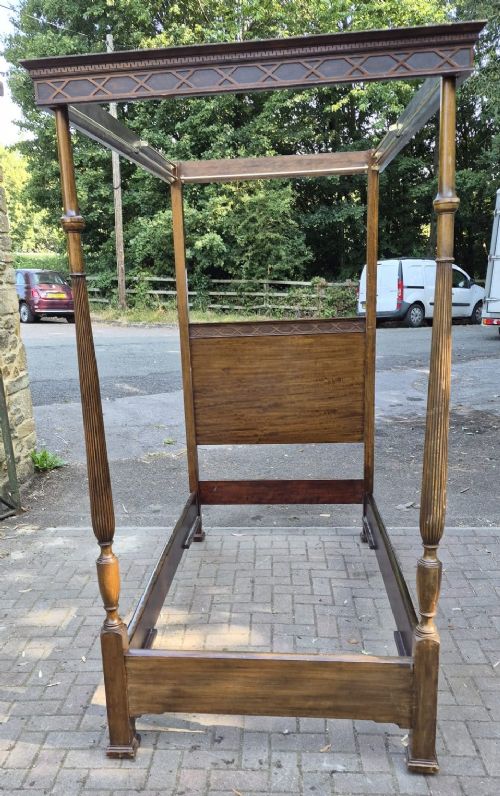
Makers utilised solid timbers such as mahogany, burr walnut, oak, and pine to construct the structural posts and headboards. Turned and carved woodwork defines the proportions of wooden four-poster frames.
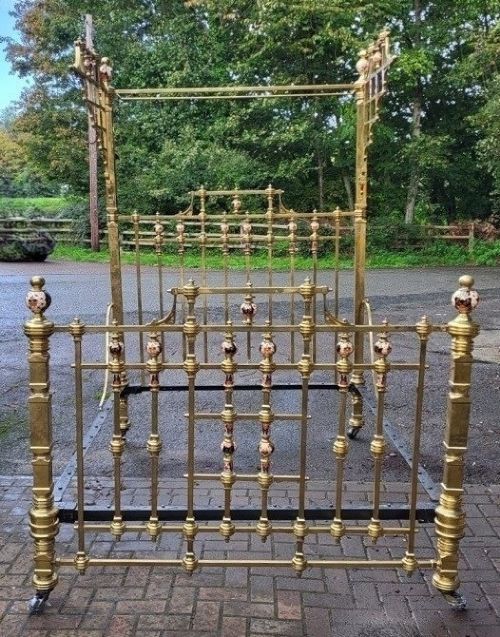
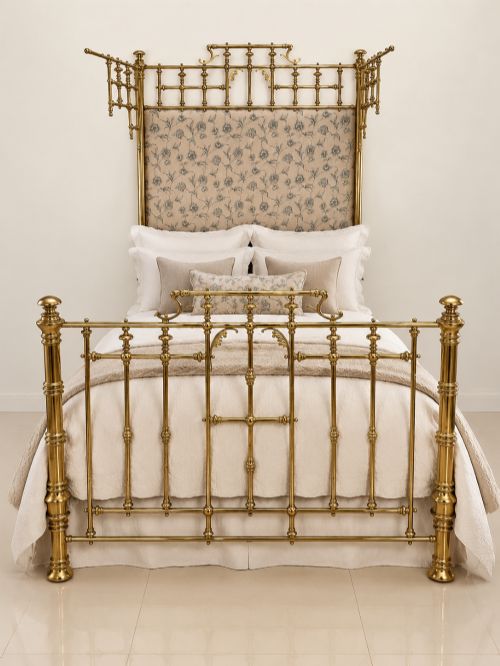
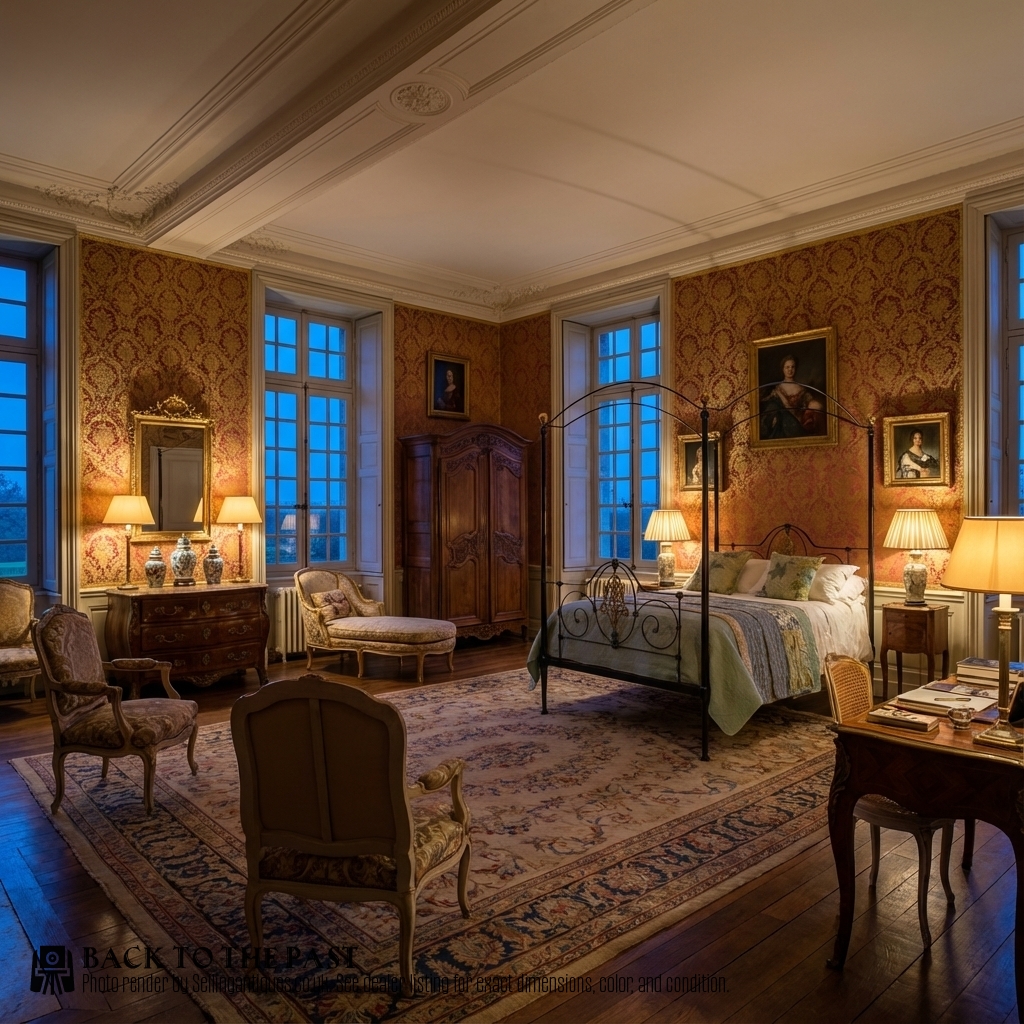
Metal fabrication played a significant role, utilising brass, cast iron, and wrought iron for both structural integrity and decorative detailing. Tubular brass and cast components were assembled to create half tester and all-brass frames.
Fabric elements and testers completed the structures, providing overhead canopies that required precise joinery and metal fittings to support the suspended textiles.
Listings feature bed frames constructed from solid mahogany, cast iron, brass, and burr walnut across the Victorian and Edwardian periods.
Distinctions in craftsmanship and design
The distinction between standard production and exhibition quality lies in the depth of hand-carving and the finish applied to the timber or metal. Superior brass castings and intricate joinery elevate certain frames above simpler domestic models.
Proportion and scale dictate the visual success of the piece, with well-balanced posts and harmonious tester cornices commanding greater presence. The integrity of original metal components and uncompromised timber frames marks the upper tier of the range.
Heals of London·R W Winfield
The Vintage Canopy Bedstead Glossary
- Half tester
- A bedstead featuring a shortened canopy or tester projecting from the headboard rather than extending the full length of the frame. This configuration suspends fabric over the upper portion of the sleeping area.
- Four poster
- A bed structure defined by four vertical posts that support an upper rectangular framework known as a tester. The posts are frequently turned, carved, or polished.
- Tester
- The flat wooden or fabric-lined canopy suspended above the bedstead. It crowns the structure and traditionally held curtains to enclose the sleeper.
- Cast iron
- An iron-carbon alloy poured into moulds to create rigid structural and decorative components. It provides sturdy support for Victorian metal bed frames.
- Regency
- A stylistic period spanning the early nineteenth century characterised by classical revival motifs and refined proportions. Furniture from this era often utilises dark timbers like mahogany.
Vintage Canopy Bedstead: Frequently Asked Questions
How do I choose the right size?
Measure your bedroom ceiling height and floor space carefully before selecting a four-poster or half tester frame. Canopy beds have a commanding visual presence and require adequate clearance to sit comfortably within a room.
Consider the proportions of the posts and the projection of the tester relative to your existing furniture. Single, double, and king sizes vary in overall footprint once the structural framework is assembled.
Are these beds suitable for daily use?
Most vintage frames are built with robust timber or metal structures that accommodate standard modern mattress sizes. Ensure that the internal dimensions align with contemporary mattress standards for comfortable sleeping.
Regular checks of the joints and fixings will maintain stability over time. Professional assembly is often recommended for heavy metal and wooden canopy structures.
How do I hang canopy curtains?
Canopy rails and cornices on the tester framework generally accommodate rings or ties for suspended fabrics. The design of the tester dictates whether curtains enclose the entire frame or just the head end.
Select textiles that complement the weight and period of the bedstead, from lightweight cottons to heavier traditional damasks. Secure the fabric firmly to the designated loops or brackets provided on the frame.
How do I date a canopy bed?
Examine the timber species, turning styles, and metal casting techniques to determine the likely period of manufacture. Victorian and Edwardian examples often feature distinct revival motifs and specific fastener types.
Maker stamps or labels on iron and wooden components provide definitive evidence of origin. Compare the construction methods against documented eras such as the Regency or Arts and Crafts movements.