


Brass Poster Bed
A brass poster bed brings warmth and architectural presence to a bedroom, offering the grand scale of Victorian metalwork.

Brass Poster Bed
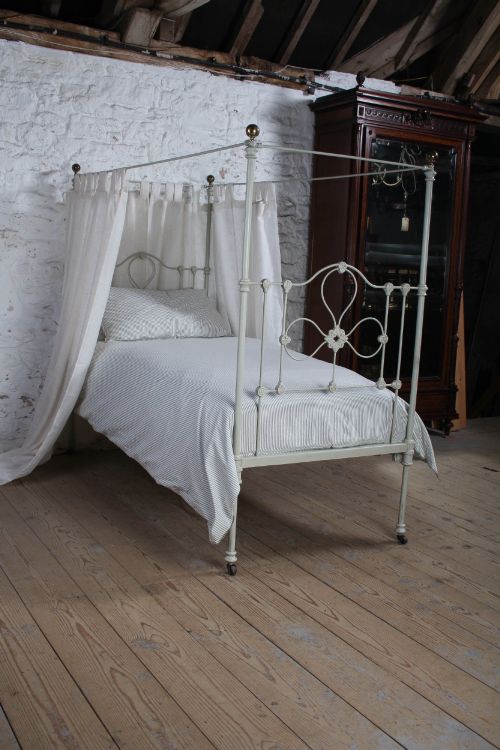
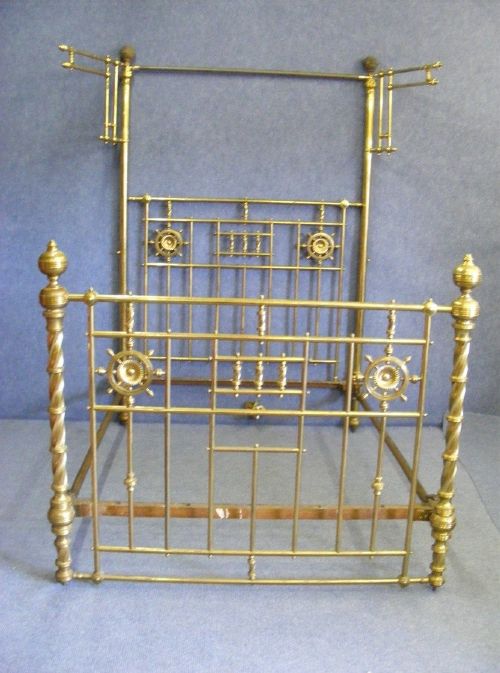
A brass poster bed combines substantial metal uprights with polished framework, creating a striking focal point in any chamber. You encounter these primarily as Victorian half testers or four posters, with a smaller number incorporating iron or cast iron elements.
The form ranges from single beds to super king sizes, frequently utilising robust corner posts that support overhead testers or canopies. Many examples date from the nineteenth century, though earlier stylistic influences and seventeenth-century references appear in the broader record.
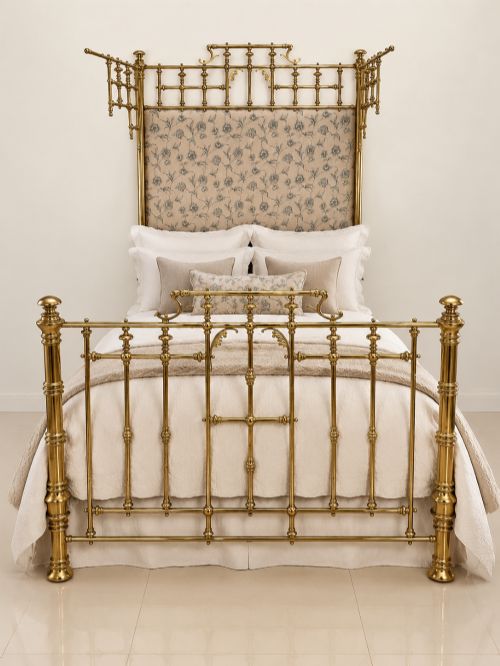
Makers such as Winfield produced sophisticated variations in solid brass, while other examples combine brass components with painted iron frames or fabric drapery. Selecting a brass poster bed means choosing between the imposing presence of an all-brass construction and the balanced contrast of mixed metals.
Materials and construction
Makers constructed these frames using solid brass tubing and cast brass components, often paired with structural iron or wrought iron for stability. Heavy-duty cast iron provided internal support for larger king and super king dimensions.
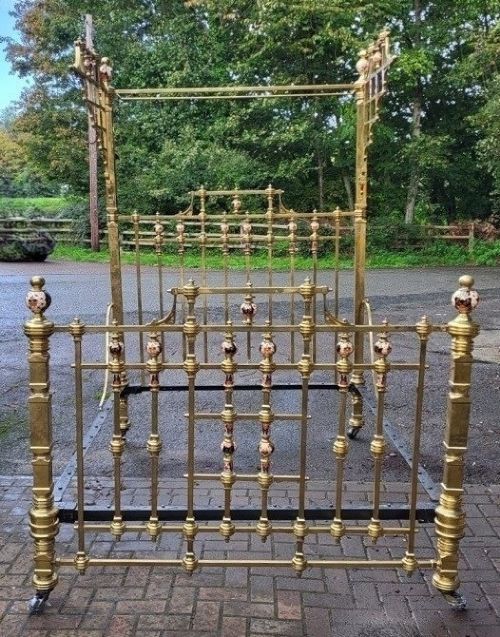
Surface treatments involved polished or lacquered brass finishes, while companion iron elements were typically painted in black or dark finishes. Ceramic fittings and fabric sections occasionally appear on specific Victorian and William IV variants.
Listings feature Victorian, William IV, and seventeenth-century style influences, constructed primarily from brass, iron, and cast iron.
Assessing quality and finish
The distinction between standard production and exhibition quality lies in the heft of the cast brass ornaments and the precision of the joints. Finer examples display crisper casting detail on the corner mounts and more substantial gauge tubing.
Makers like Winfield achieved superior structural integrity through robust engineering, ensuring the tall corner posts remain plumb and secure under the weight of heavy testers.
RW Winfield·Winfield and Co
The Brass Poster Bed Glossary
- Half tester
- A bed canopy that extends only partway over the head of the bed rather than covering the full length. This form was popular during the Victorian period.
- Cast iron
- A strong, hard iron alloy poured into moulds to create decorative structural components. It frequently forms the internal chassis of mixed-metal beds.
- Wrought iron
- Iron beaten into shape by hand, known for its fibrous texture and flexibility. It appears in several antique bedstead frames alongside brass.
Brass Poster Bed: Frequently Asked Questions
How do I assemble a brass poster bed?
Most antique metal beds use a system of side rails that drop into cast iron or brass corner sockets, secured by heavy bolts or tapered wedge joints. Two people are typically required to manage the weight of the tall posts and overhead rails during assembly.
Care must be taken to ensure the frame squares up correctly on the floor before tightening any fixings, preventing undue stress on the antique metal components.
Will modern mattresses fit antique brass beds?
Antique brass beds were built to nineteenth-century dimensions, which often differ slightly from contemporary standard mattress sizes. King and double sizes frequently require careful measurement of the interior rail width and length.
Custom or bespoke mattress bases can be made to drop securely within the original side rails without altering the historic iron or brass frame.
How do I clean polished brass framework?
Dust the brass regularly with a soft, dry cloth to prevent the accumulation of airborne grime. Avoid harsh chemical polishes that can strip aged patination or damage protective historical lacquers.
Gentle wiping with a damp cloth followed by immediate drying is usually sufficient for maintaining the metal surface on Victorian bedsteads.
Are these beds structurally stable for daily use?
Nineteenth-century metal frames were engineered to support substantial weight, using thick-walled brass tubing and heavy iron reinforcement. When properly assembled and tightened, they offer excellent stability for daily sleeping.
Periodic checks of the corner joints and bolts ensure the upright posts remain rigid over years of use.