


Vintage Canine Oil Portrait
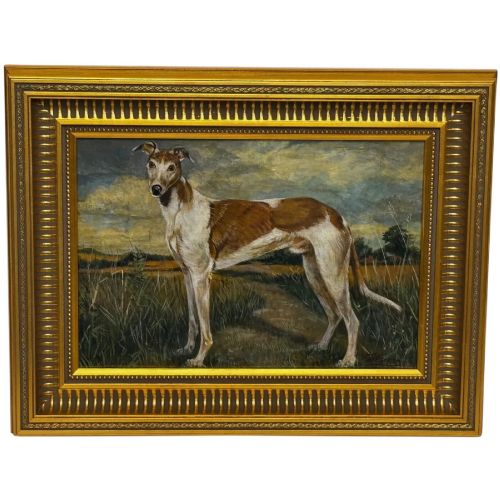
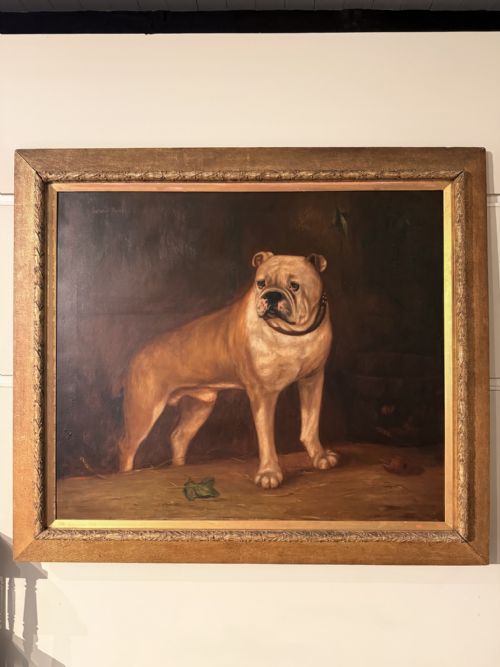
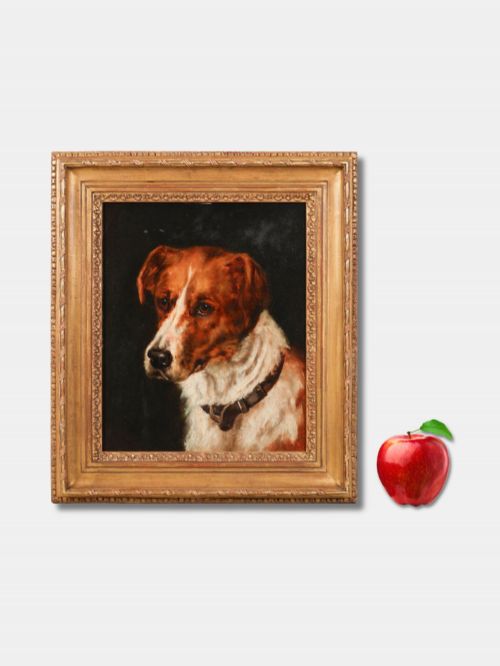
A vintage canine oil portrait captures the distinct character and spirit of a cherished animal through lasting brushwork.
Vintage Canine Oil Portrait
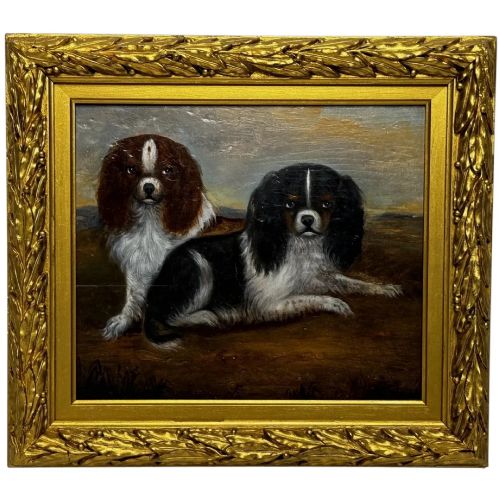
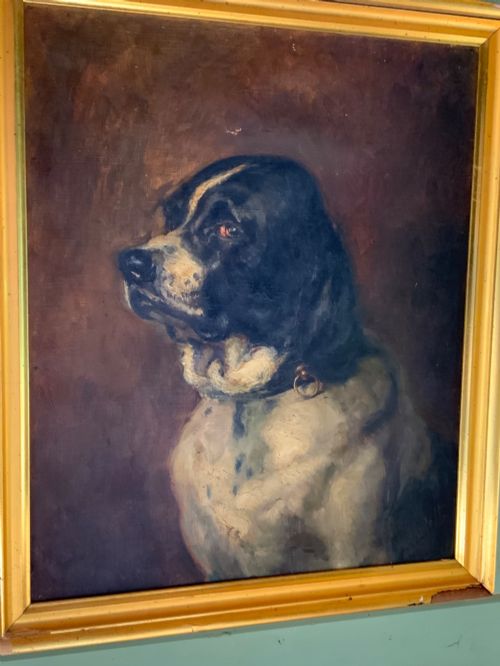
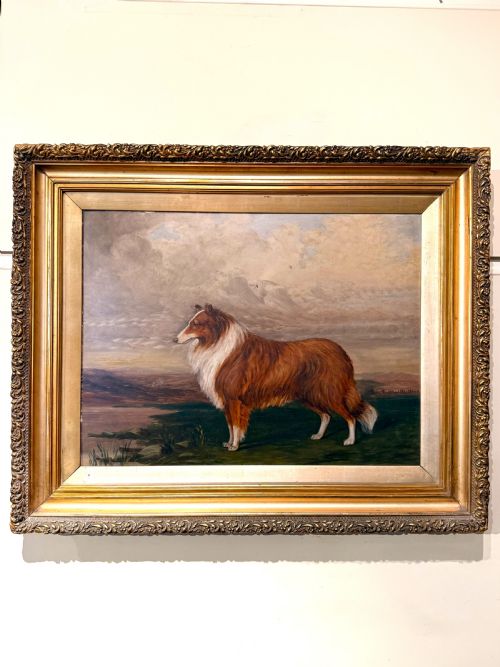
A vintage canine oil portrait depicts various dog breeds, from terriers and spaniels to collies and hounds, rendered in painted form. The pieces span from the nineteenth century through the mid-twentieth century, capturing animals either alone in a landscape or within an interior setting.
Buyers encounter Victorian sporting art alongside Edwardian and mid-century realism. Many examples present single dogs, while others record pairs or groups of working dogs, terriers, and sporting breeds.
The works originate from British, French, and American schools, reflecting regional portrait traditions. Painters utilised canvas, wood, and board as surfaces for their oil paint.
Materials and construction
Artists painted these works using oil paint applied to woven canvas, wooden panels, or rigid board. Many surviving pieces retain their original wooden frames, sometimes accented with gold leaf or gilt finishes.
The physical support dictates the conservation needs of each piece, with canvas requiring proper tension and board offering a stable ground. Brushwork ranges from tight, academic realism in Victorian fine art to looser, impressionistic strokes in later sporting works.
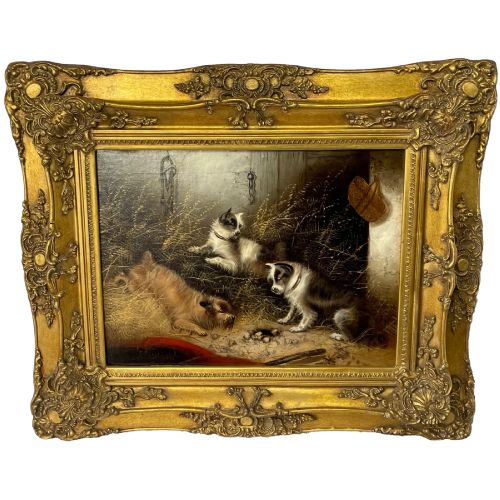
Terriers are caught red-handed guarding rats in barns and chasing pests across Victorian board.
Separating quality levels
Quality rests on the painter's ability to render the anatomy, coat texture, and individual expression of the dog. Works by established Victorian and Edwardian animal painters display superior draughtsmanship and atmospheric depth in the surrounding landscape.
The handling of light and shadow across the animal's form distinguishes accomplished academic portraits from simpler naive school renderings. Original period framing also contributes to the integrity of the piece.
John Emms·John Frederick Herring Senior·Sir Edwin Landseer·George Earl·Florence Mabel Hollams·James Ward
The Vintage Canine Oil Portrait Glossary
- Oil on canvas
- A painting technique where pigmented oil paint is applied to a woven fabric support stretched over a wooden frame. This medium allows for rich colour blending and fine detail work.
- Oil on board
- A painting executed on a rigid wooden or composition panel rather than flexible fabric. This surface offers firm resistance to the painter's brush.
- Sporting art
- A genre of painting dedicated to animals, hunting, and rural pursuits. These works document specific breeds and working dogs in field environments.
- Naive school
- Art created by self-taught painters working outside academic traditions. These pieces often feature direct perspective and charming simplicity.
Vintage Canine Oil Portrait: Frequently Asked Questions
How do I identify the dog breed?
Artists of the Victorian and Edwardian periods often recorded breed characteristics with high anatomical accuracy. Coat texture, ear set, and body proportions provide the clearest clues to the specific type of dog.
Many listings also note the breed in the title, referencing terriers, spaniels, collies, or hounds as identified by historical records or stylistic markers.
Where should I hang an oil portrait?
These paintings suit traditional living spaces, studies, or hallways where they pair well with wood furniture and period decor. Direct sunlight and damp walls should be avoided to protect the oil paint and canvas.
Securing the piece with appropriate wall fixings ensures the heavy wooden and gilt frames remain stable over time.
How can I tell the period?
Dating relies on the style of the brushwork, the clothing or setting if humans are present, and the construction of the canvas stretcher or wooden board. Victorian pieces often feature dark, varnished backgrounds and tight realism, while mid-century works show looser application.
Framing styles also shift across the decades, offering additional clues to the age of the artwork.
What is the difference between naive and academic art?
Academic painters trained in formal academies, mastering perspective, light, and animal anatomy to create lifelike representations. Their work often reflects the high standards of Victorian fine art.
Naive painters lacked formal instruction, resulting in charmingly flat perspectives and direct interpretations of the subject without strict adherence to academic rules.