

Vintage Caned Chair
A vintage caned chair brings woven texture and sturdy timber frames into a room, offering both reliable support and historical design.
Vintage Caned Chair
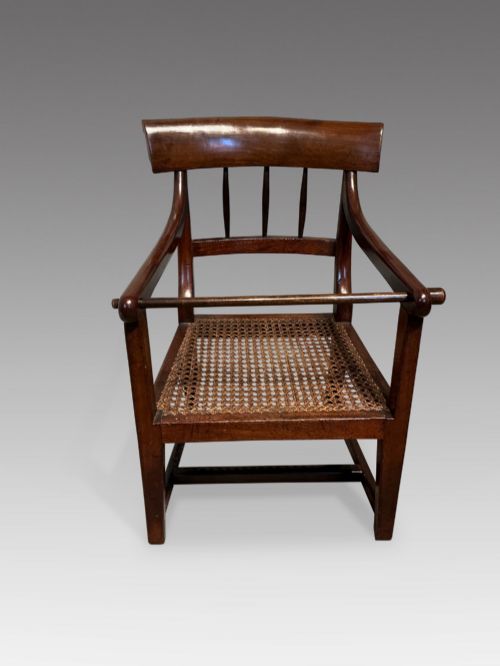
When searching for a vintage caned chair, buyers encounter a diverse selection of seating that spans several centuries and revival movements. These pieces range from formal library armchairs and dining sets to rocking chairs and daybeds.
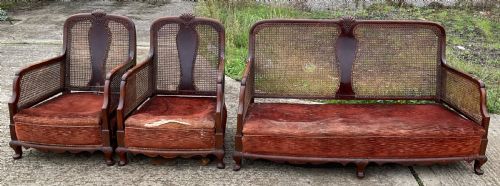
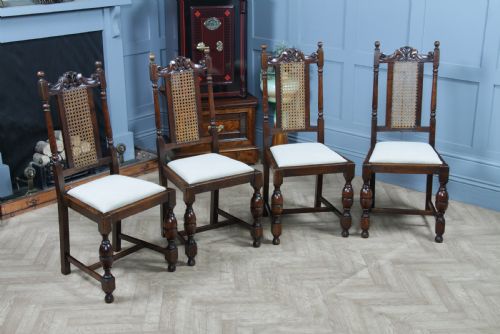
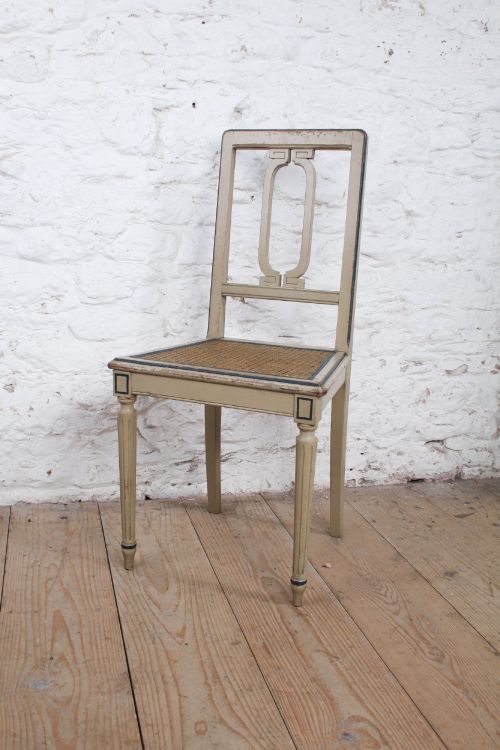
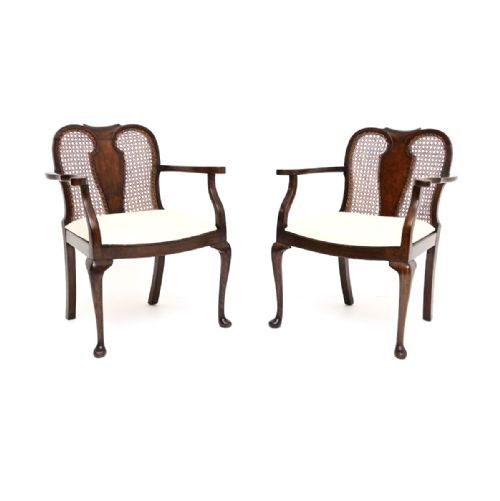
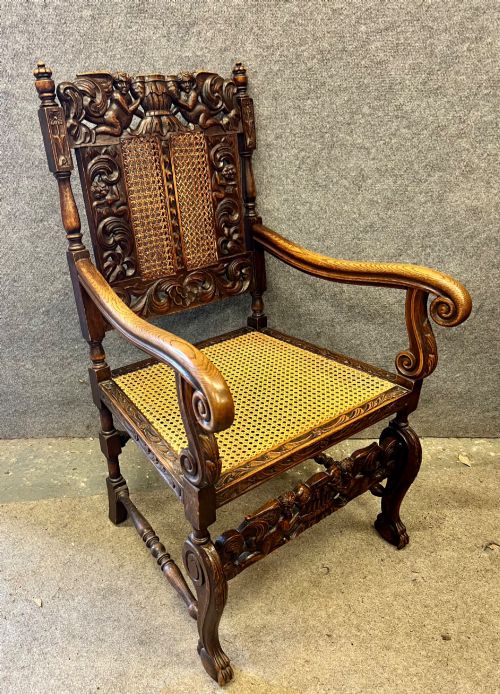
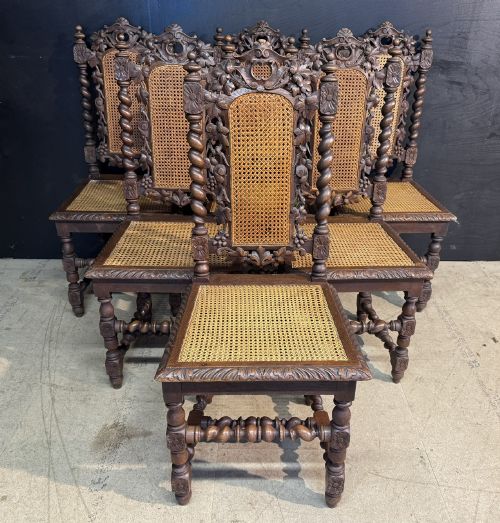
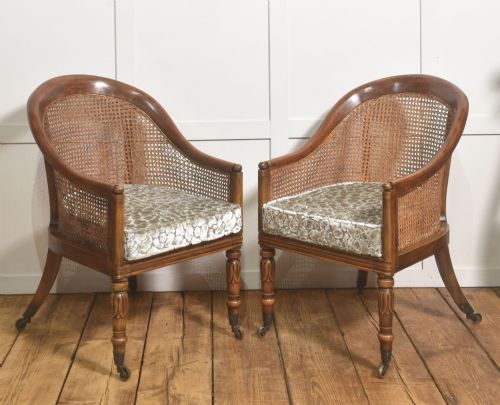
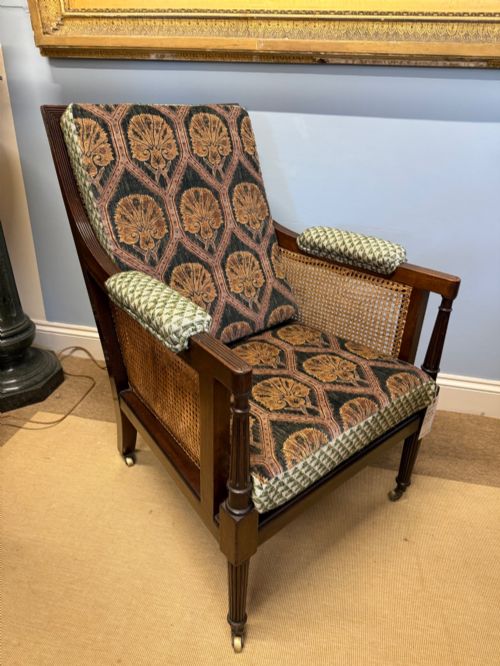
The most common examples on this page include Edwardian and nineteenth-century mahogany or oak frames featuring woven cane seats and backs. Alongside these, buyers find tub chairs, bergere suites, and occasional chairs influenced by Regency, French, and Carolean styles.
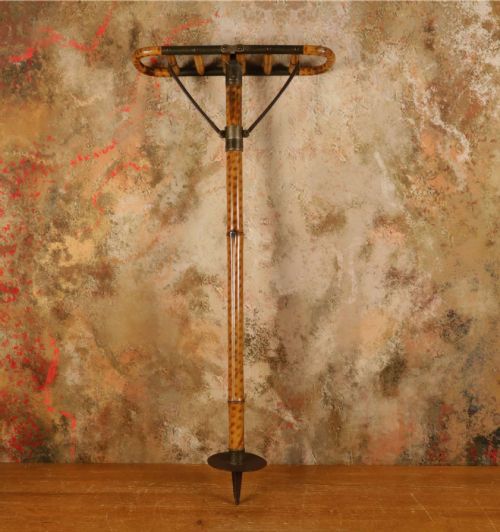
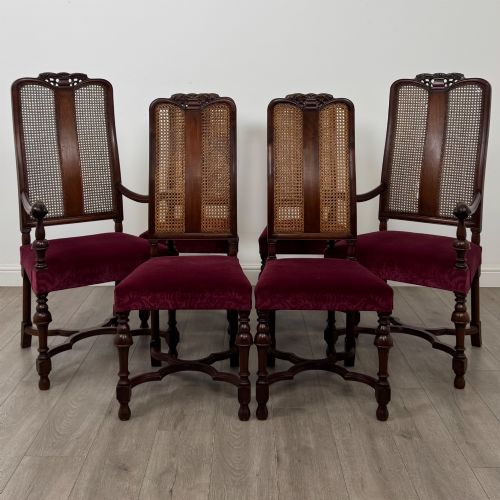
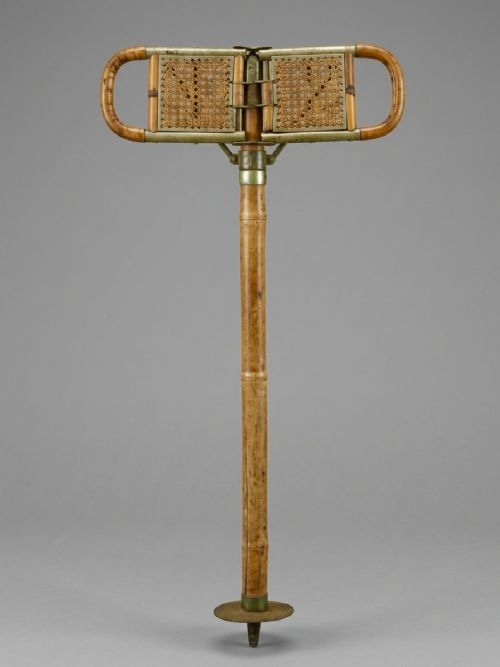
Dining chairs and single side chairs appear frequently in sets, while heavier armchairs and library bergères offer deeper proportions for daily use. Occasional pieces like shooting sticks and window seats broaden the selection beyond standard household furniture.
How they were made
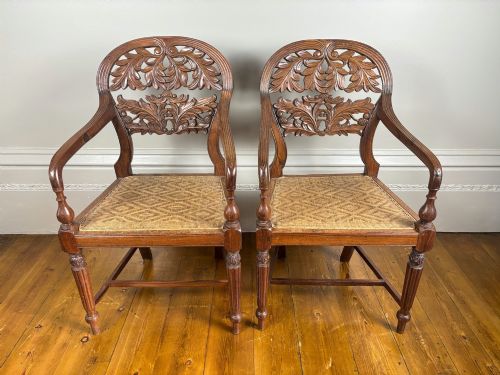
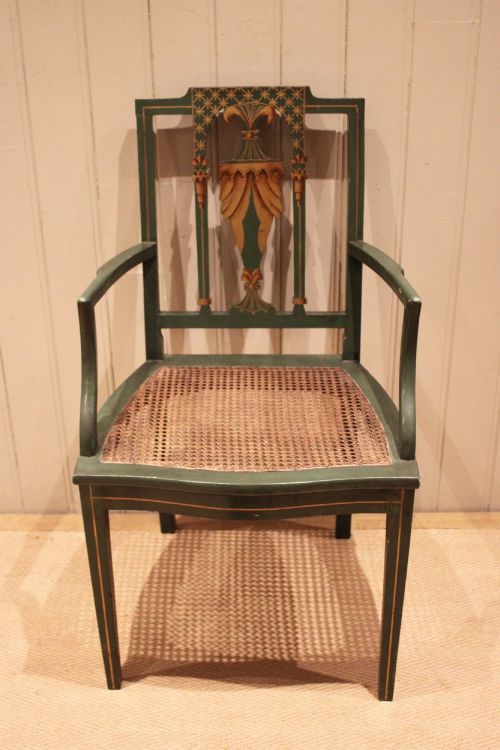
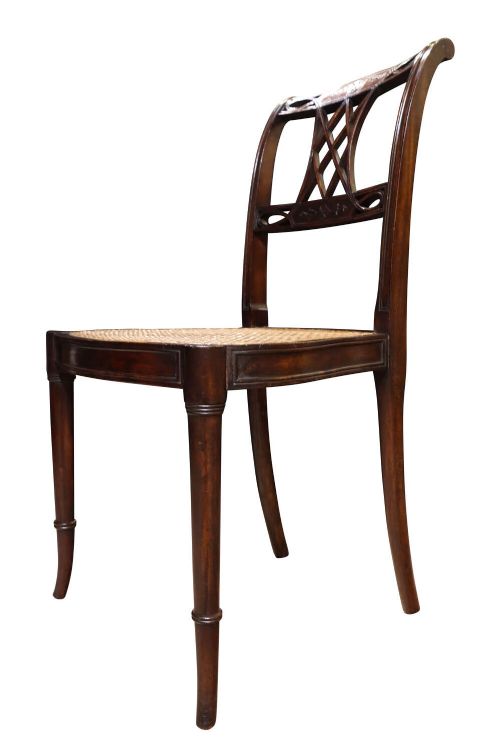
Cabinet makers constructed the foundational frames using hardwoods such as mahogany, oak, walnut, and ebony, occasionally incorporating brass inlay or painted finishes. Skilled hands shaped these timbers into supportive components like tub backs, sabre legs, and carved armrests.
The characteristic woven panels utilise split cane, rattan, and woven plant materials threaded through drilled holes or channeled frames. Additional comfort often arrives through upholstered cushions in leather, velvet, or fabric placed upon the cane base.
Vintage Caned Chair Retail Price Guide 2026
Typical asking prices for vintage caned chair among the pieces listed under this phrase on Sellingantiques today, from the lower quarter to the upper quarter. They describe what is for sale here now, not the wider market.
A sporting seat cane doubles as a walking stick when folded, letting weary spectators sit down anywhere.
What varies in quality
The distinction between tiers rests upon the precision of the timber frame construction and the tightness of the woven cane work. Superior examples display crisp hand-carved details, robust joinery in woods like mahogany or walnut, and evenly tensioned cane panels.
Lower grades often show coarser framing, simpler turned elements, or replacement webbing that lacks the structural integrity of the original period manufacture. The harmony between the timber frame and the woven insert determines the overall calibre of the piece.
Angraves of Leicester
The Vintage Caned Chair Glossary
- Bergere
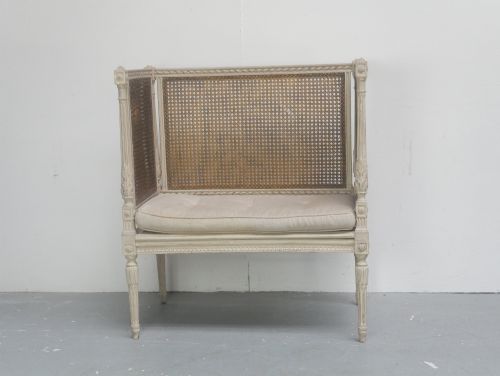
- A closed-arm upholstered armchair with cane or upholstered sides and back. These deep seats often feature prominent wooden frames from the eighteenth and nineteenth centuries.
- Cane
- Strips of peeled rattan woven into patterned mesh panels for chair seats and backs. This flexible material provides breathable support.
- Tub chair
- A seating form with a rounded, curved back that wraps continuously into low arms. This shape offers enclosed comfort.
- Carolean style
- A revival design echoing the ornate, carved woodwork of the late seventeenth century. Pieces in this style typically feature scrolling foliage and turned supports.
- Sabre leg
- A curved, outwardly tapering chair leg resembling a cavalry sabre. This form appears frequently on Regency dining and side chairs.
Vintage Caned Chair: Frequently Asked Questions
How do I care for a vintage caned chair?
Keep cane work hydrated by occasionally wiping it with a damp cloth to prevent the natural fibres from becoming brittle. Avoid placing these chairs near direct heat sources or in overly dry rooms.
Support the woven panels with appropriate cushions if the seat receives heavy daily use. This distributes weight evenly and protects the tension of the weave.
Are these chairs suitable for daily dining?
Many dining chairs and side chairs on this page were built specifically for regular table use. Their sturdy timber frames provide dependable support for everyday seating.
Armchairs and bergères offer a more relaxed sit suited for reading rooms or studies. Check the depth and height of each piece to ensure it matches your intended table or desk.
How do I distinguish Edwardian pieces from earlier designs?
Edwardian examples often feature lighter mahogany frames with subtle inlaid details and refined proportions. They frequently date around nineteen hundred and reflect simpler domestic fashions. Nineteeth-century and Regency pieces tend to display heavier timber construction, bolder carving, or specific revival aesthetics such as Carolean scrollwork or sabre legs.
Can damaged cane seats be repaired?
Traditional hand-woven cane panels can be re-woven by skilled craftspeople using matching rattan strands. This preserves the original frame while restoring full structural strength to the seat.
Drop-in cane panels are also replaceable as complete units when the weave breaks down. Professional restoration ensures the timber frame remains unaltered during the process.