

Vintage Cane with Sword
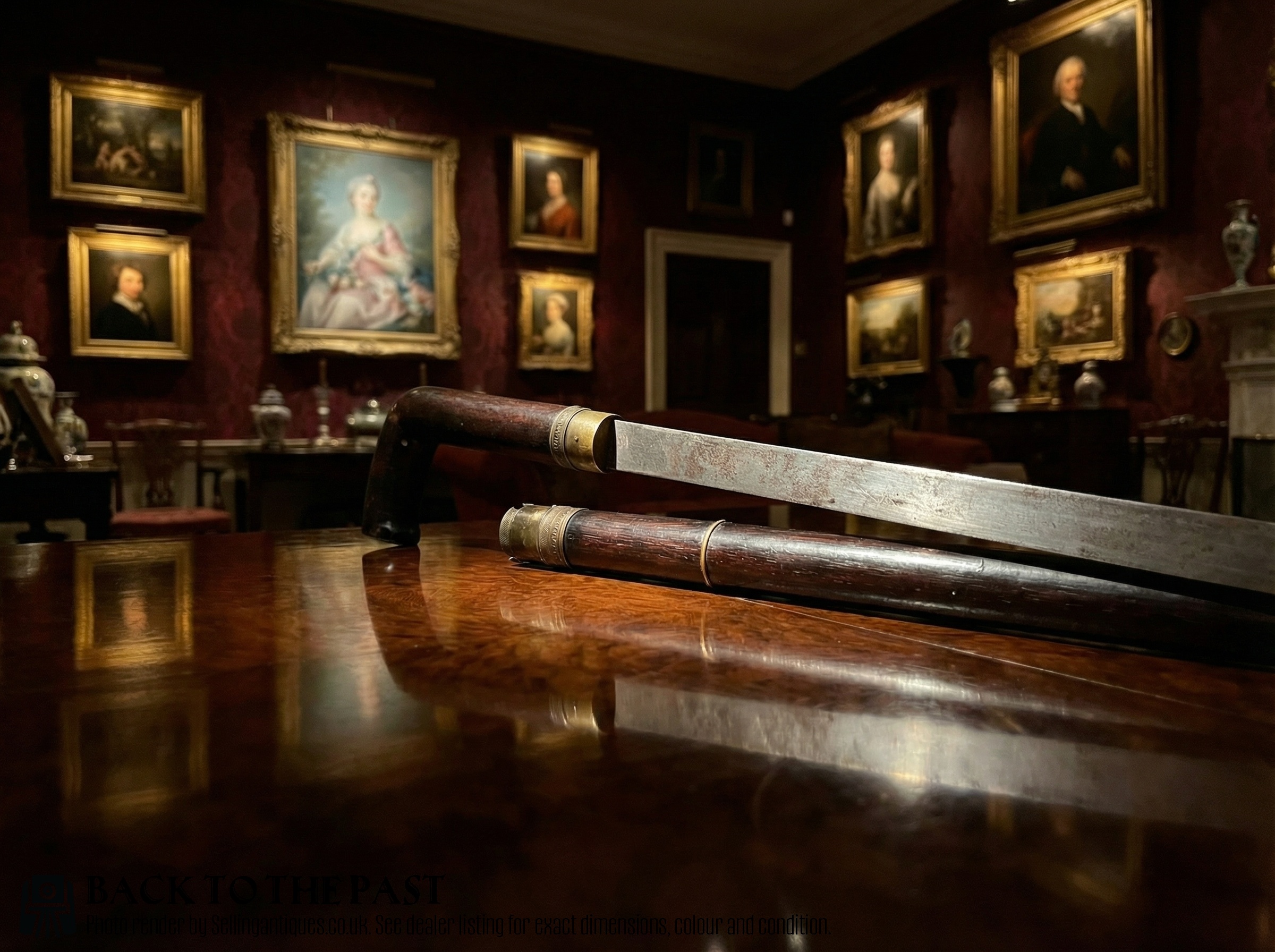
A vintage cane with sword conceals a hidden blade beneath an everyday walking stick, combining personal defence with gentlemanly fashion.
Vintage Cane with Sword
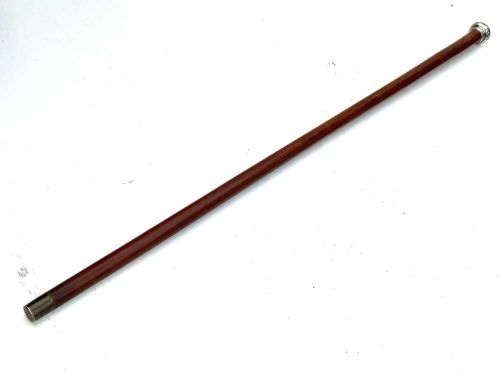
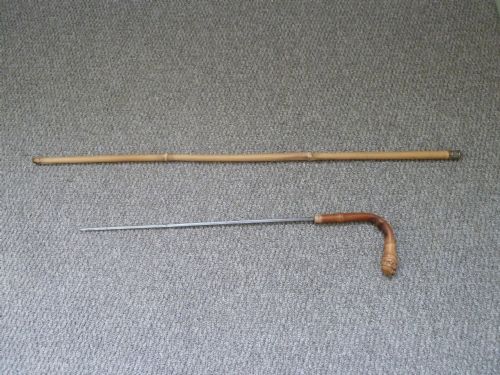
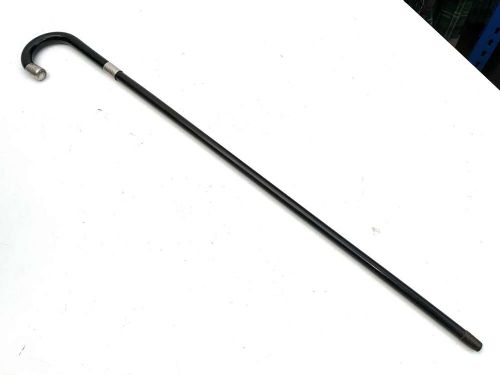
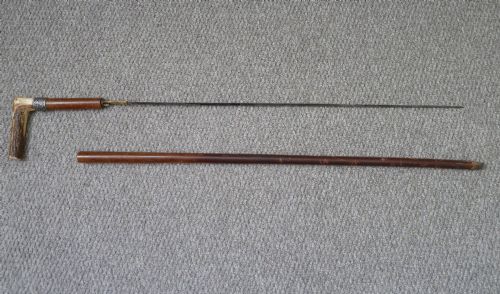
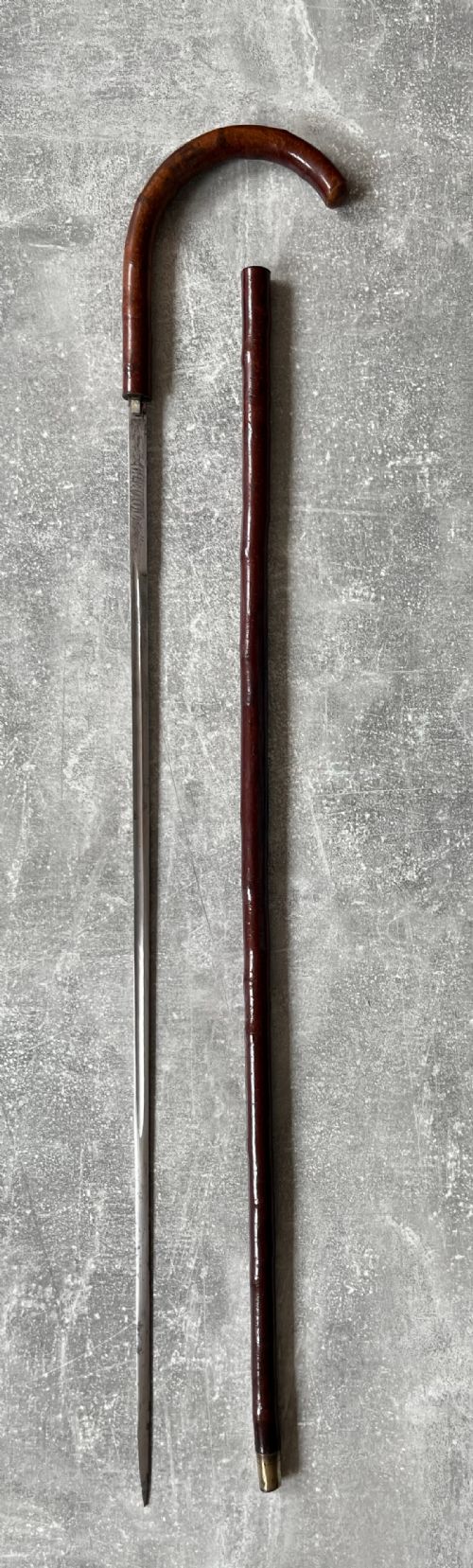
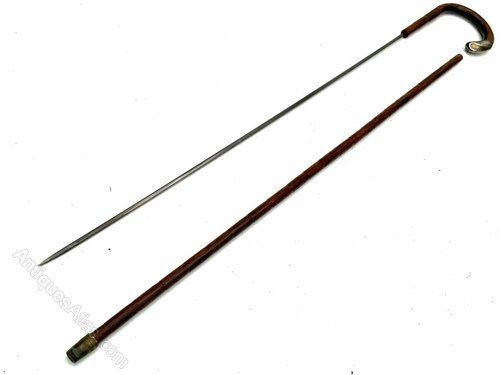
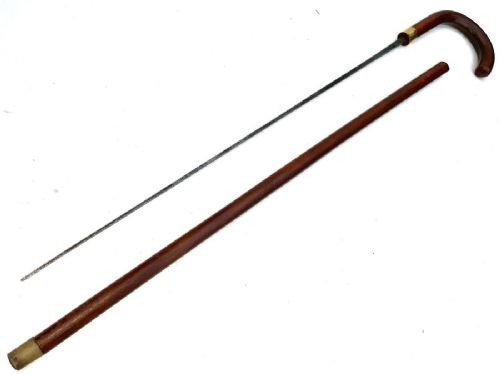
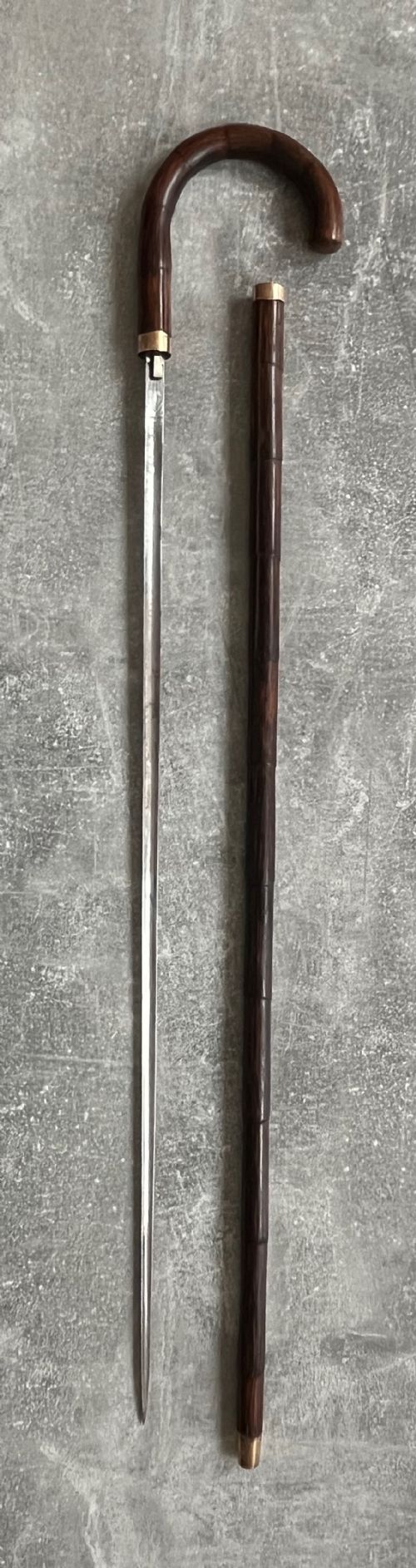
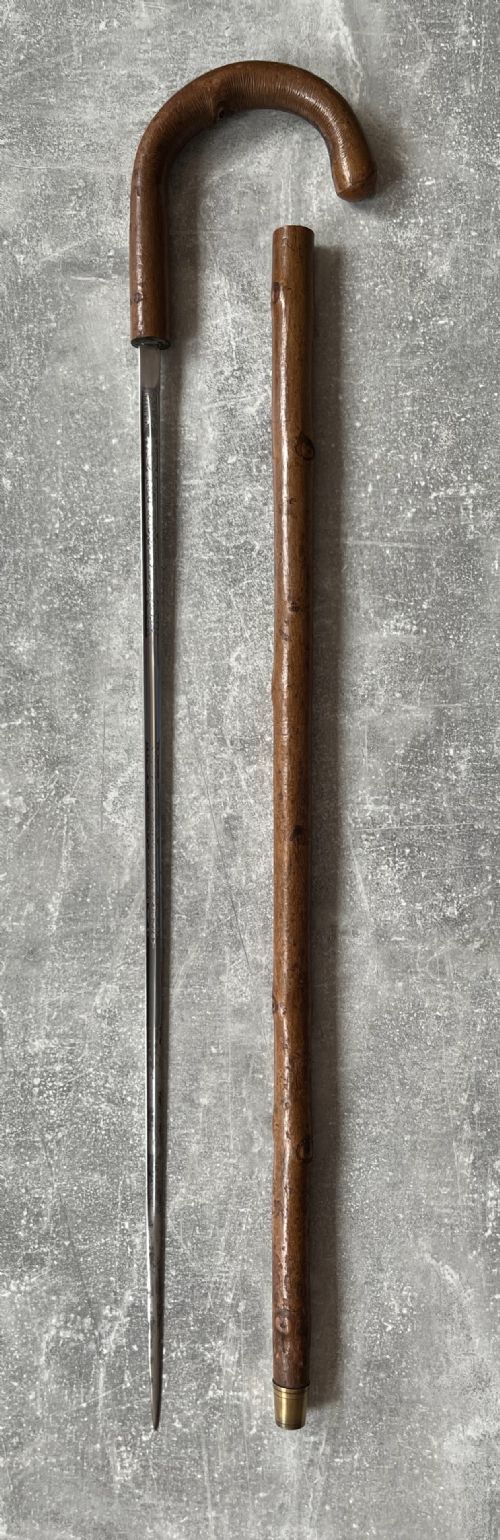
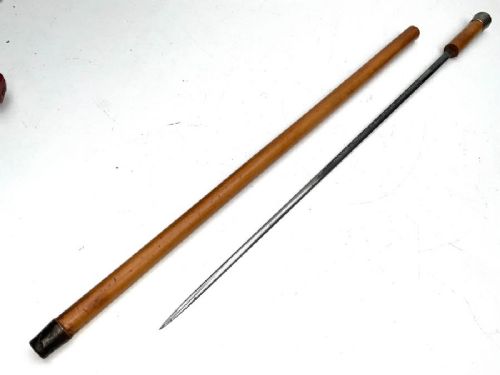
A vintage cane with sword is a walking stick fitted with a concealed internal blade, designed for gentlemanly protection during the nineteenth and early twentieth centuries. These pieces appear in forms ranging from plain timber shafts to decorated examples featuring precious metal mounts and novelty handles.
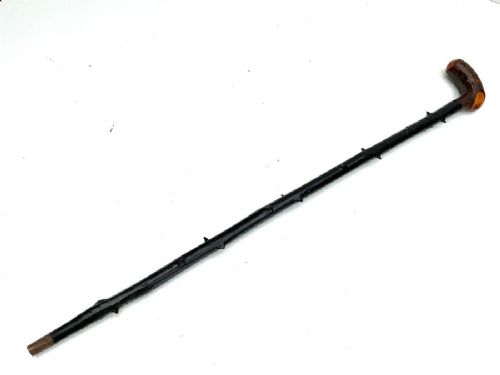
The most common versions met on this page date from the Victorian and Edwardian periods, alongside pieces from the 1880s to the 1920s. Common timber and natural material shafts include malacca, bamboo, cherrywood, partridge wood, hazel, holly, and blackthorn, often paired with steel blades.
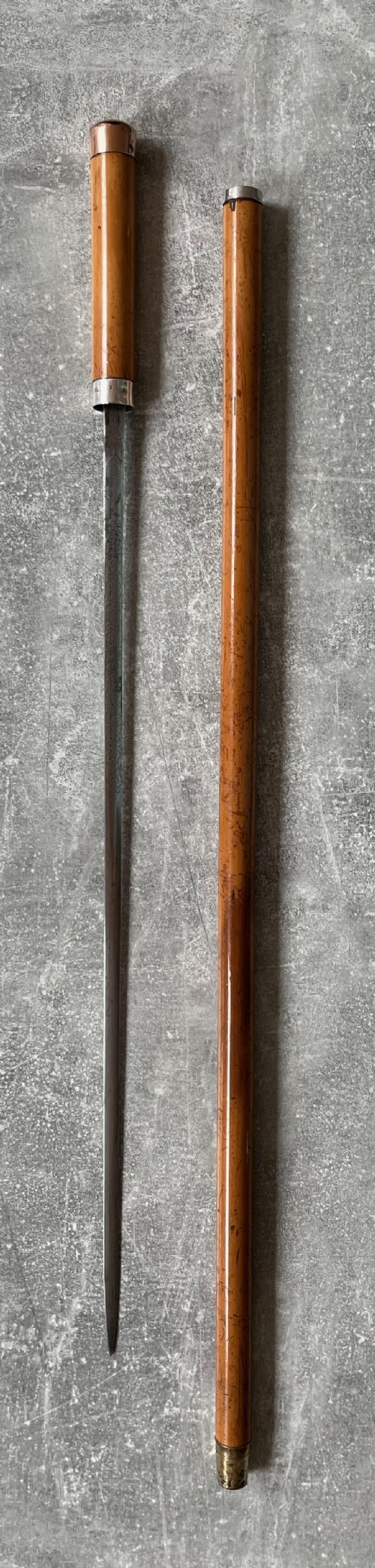
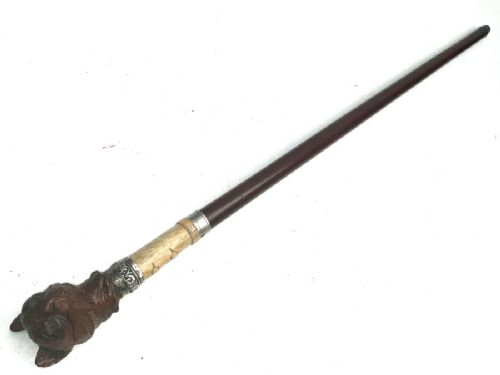
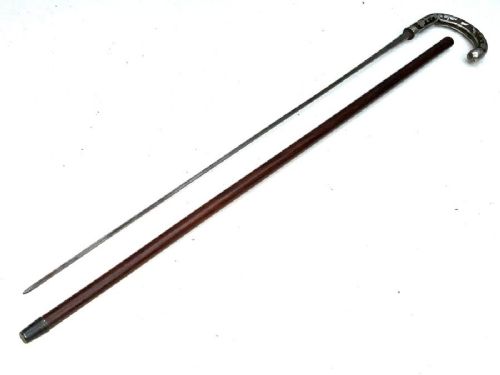
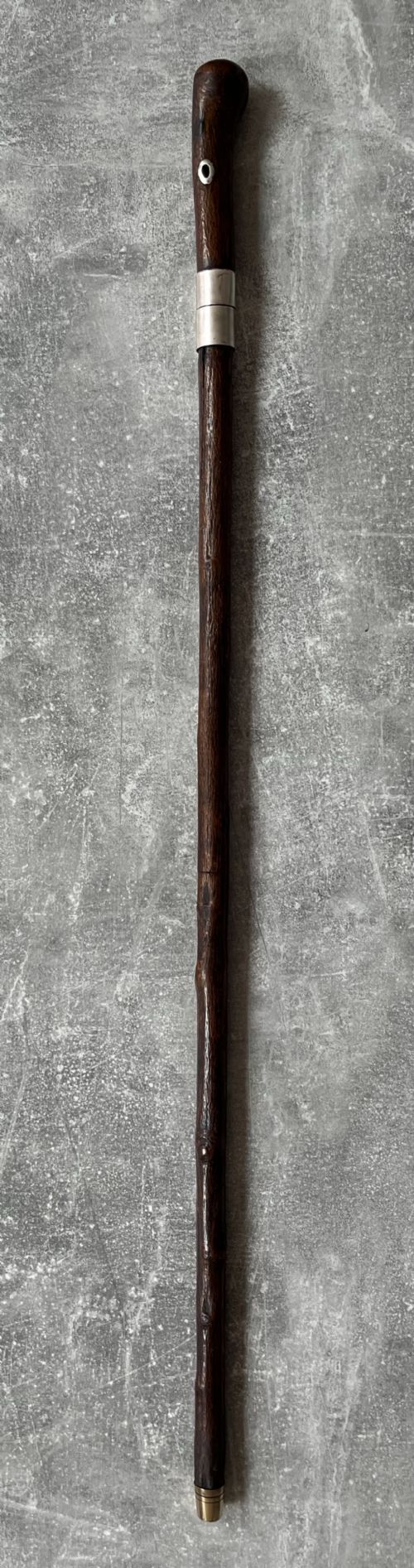
Specialist variations incorporate distinctive details such as bone pistol grips, horn handles, silver collars, and inscribed Masonic symbols. Makers utilised button release mechanisms and threaded collars to secure the concealed blade firmly within the wooden shaft.
How they were made
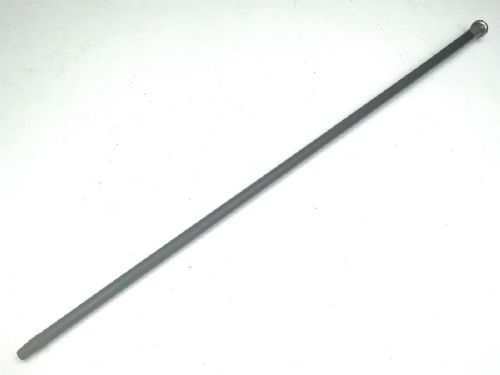
Shafts were fashioned from selected timbers and natural canes like malacca and bamboo, hollowed out with precision to house the steel blade securely. Metals including silver, brass, and steel formed collars, mounts, and functional button releases.
Blades were forged from steel, with specific examples carrying Toledo or Wilkinson signatures and decorative etching. Handles utilised horn, bone, leather, and carved wood, attached to the shaft with metal collars or threaded mounts.
Vintage Cane with Sword Retail Price Guide 2026
Typical asking prices for vintage cane with sword among the pieces listed under this phrase on Sellingantiques today, from the lower quarter to the upper quarter. They describe what is for sale here now, not the wider market.
Materials recorded across the inventory include malacca, bamboo, blackthorn, silver, horn, and bone.
What varies in quality
The distinction between standard examples and superior pieces rests on the quality of the blade and the materials used for the mountings. Signed blades from makers such as Wilkinson or Toledo paired with solid silver collars and silver horse head handles represent the upper tier of manufacture.
Engineering precision in the locking mechanism and the seamless fit between the shaft and handle determine the overall standard of construction. Simpler ebonised or faux bamboo versions with plain metal fittings occupy the more utilitarian end of the range.
Wilkinson
The Vintage Cane with Sword Glossary
- Sword stick
- A walking cane containing a concealed blade. This dual-purpose accessory served personal defence needs.
- Malacca
- A rattan cane imported from Southeast Asia valued for its mottled brown surface and resilience. It forms the shaft of many superior sword sticks.
- Toledo blade
- A steel blade produced in Toledo, Spain, known for its tempering and flexibility. These blades frequently feature decorative etching.
- Collar
- A metal band, often fashioned from silver or brass, fitted around the top of the shaft to prevent splitting. It frequently bears hallmarks or engraving.
- Knop
- A rounded handle or knob at the top of a walking stick. These take forms including bone, silver, and carved animal shapes.
Vintage Cane with Sword: Frequently Asked Questions
How do you release the concealed blade?
Most pieces operate via a button release mechanism built into the collar or upper shaft, which unlatches the blade from the scabbard.
Other designs rely on a threaded screw fit or a direct pull-apart action requiring a firm tug on the handle.
What materials make up the shafts?
Shafts utilise natural woods and canes such as malacca, bamboo, cherrywood, partridge wood, hazel, holly, and blackthorn. Ebonised wood and leather-covered cores also appear frequently.
Handles incorporate horn, bone, silver, and carved wooden forms like horses heads or pistol grips.
How can you date a sword stick?
Dating relies on stylistic markers associated with periods like the Victorian and Edwardian eras, alongside specific decade attributions from the 1880s to the 1920s.
Silver collars often bear British hallmarks with date letters that pinpoint the exact year of manufacture in London.
Were these used for actual defense?
Gentlemen carried these sticks in urban environments during the nineteenth and early twentieth centuries when personal protection was a common concern.
The inclusion of high-grade Toledo and Wilkinson steel blades confirms they were intended for functional use rather than mere display.