
Vintage Cane Handle
These vintage cane handle pieces span walking sticks, sword sticks and domestic vessels, offering collectors functional sculpture from the nineteenth and early twentieth centuries.
Vintage Cane Handle
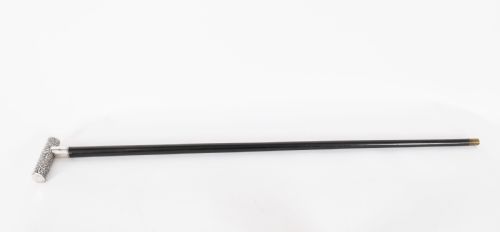
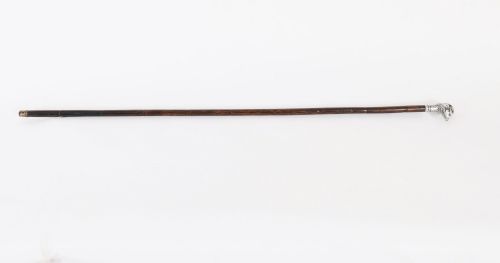
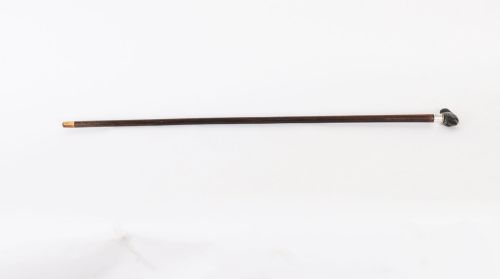
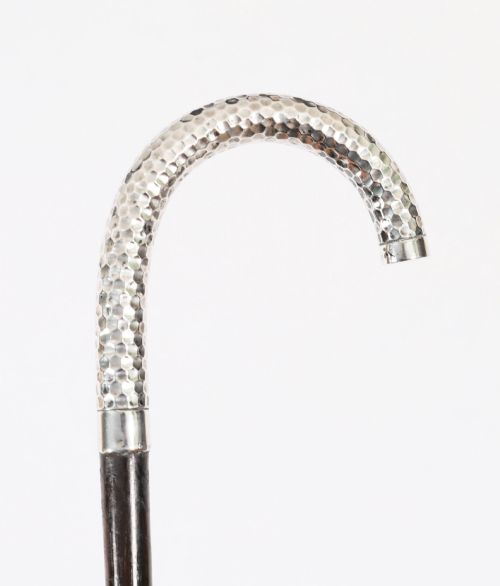
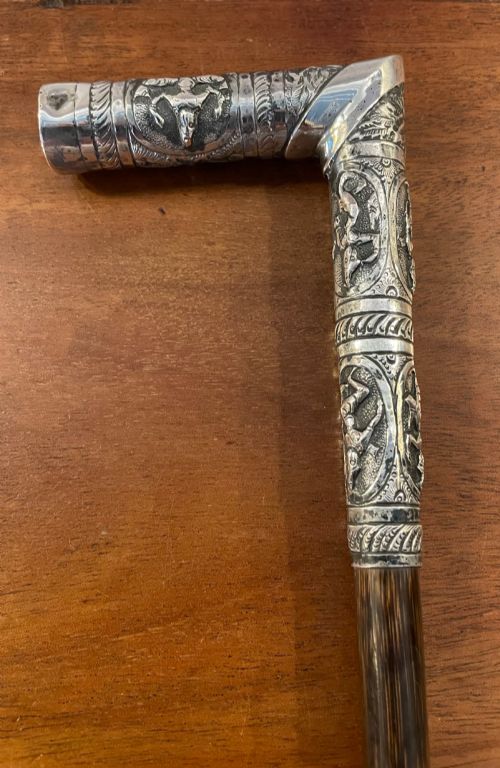
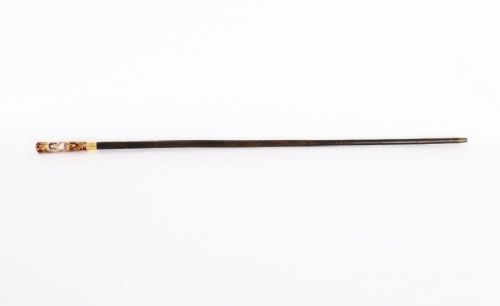
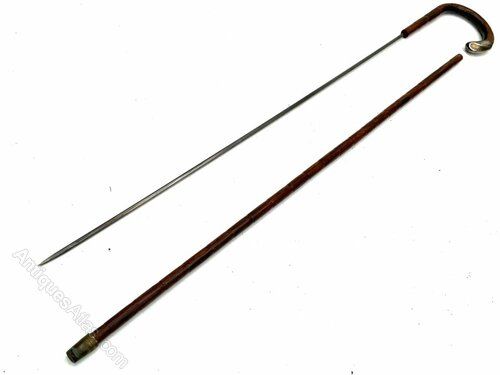
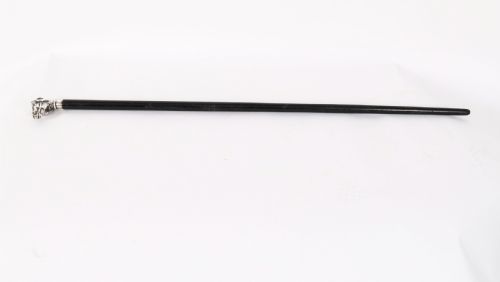
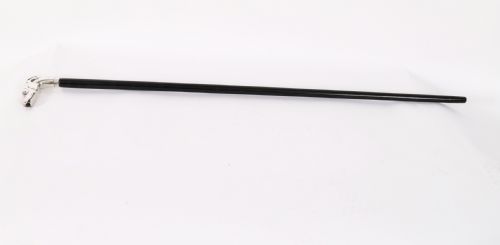
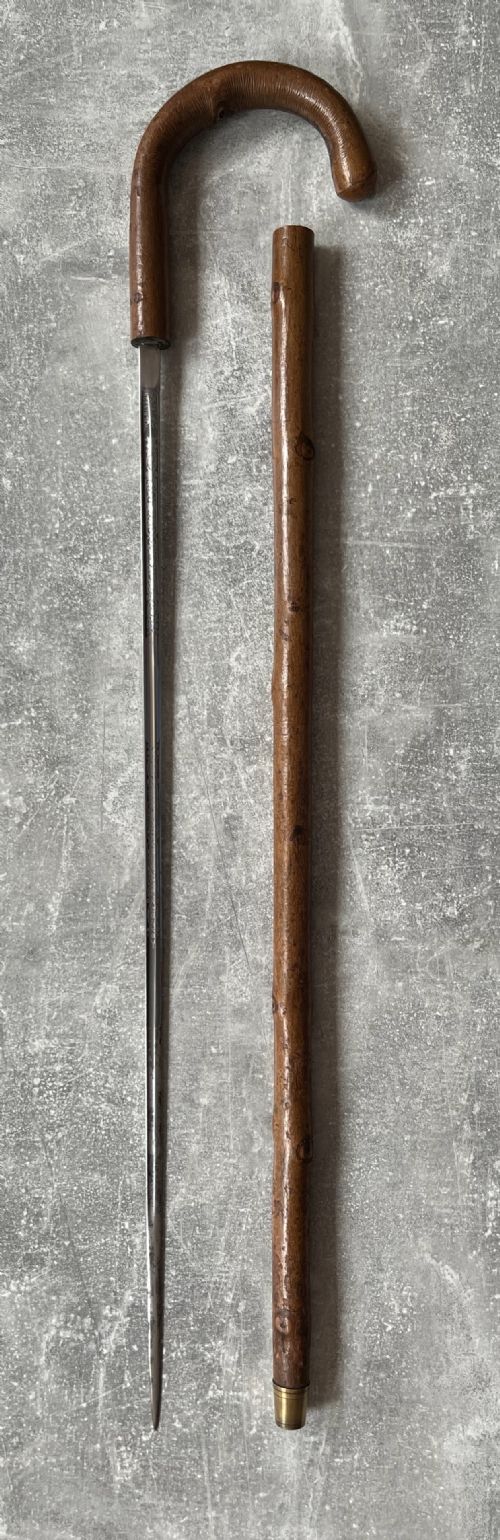
A vintage cane handle collection centres on walking sticks, sword sticks and swagger sticks equipped with elaborate grips fashioned from precious metals, carved bone, porcelain and natural horn. The most common varieties encountered here feature silver mounts, duck or horse head motifs and traditional malacca or hardwood shafts from the Victorian and Edwardian eras.
Beyond walking aids, the selection extends to domestic items featuring related materials, such as Arts and Crafts pewter coffee pots and jugs with wrapped cane handles. These pieces reflect period utility combined with distinctive decorative styling.
Origins span English, French, Chinese Export and Continental workshops, capturing both everyday gentleman accessories and novelty gadget pieces containing hidden corkscrews or Toledo blades.
How they were made
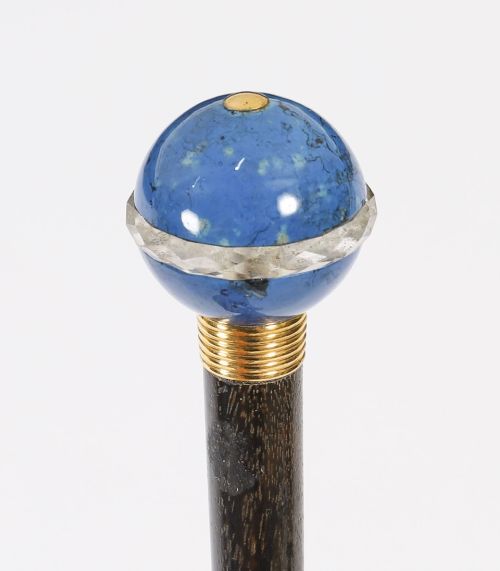
Maker workshops utilised natural materials such as malacca, partridge wood, cherrywood, hazel and blackthorn for shafts, often pairing them with cast silver, bronze, pewter or 18ct gold pommels. Handles were shaped from horn, bone, lapis lazuli and porcelain, then secured to shafts using metal collars.
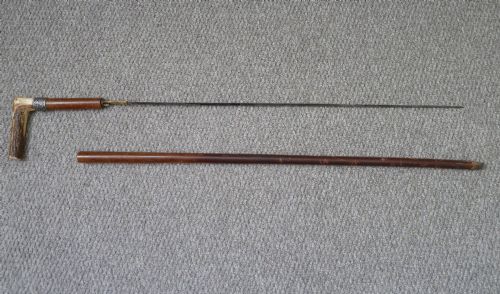
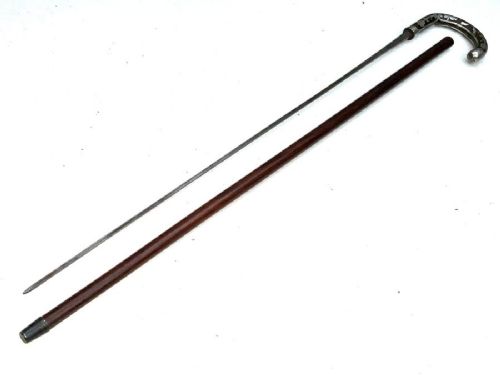
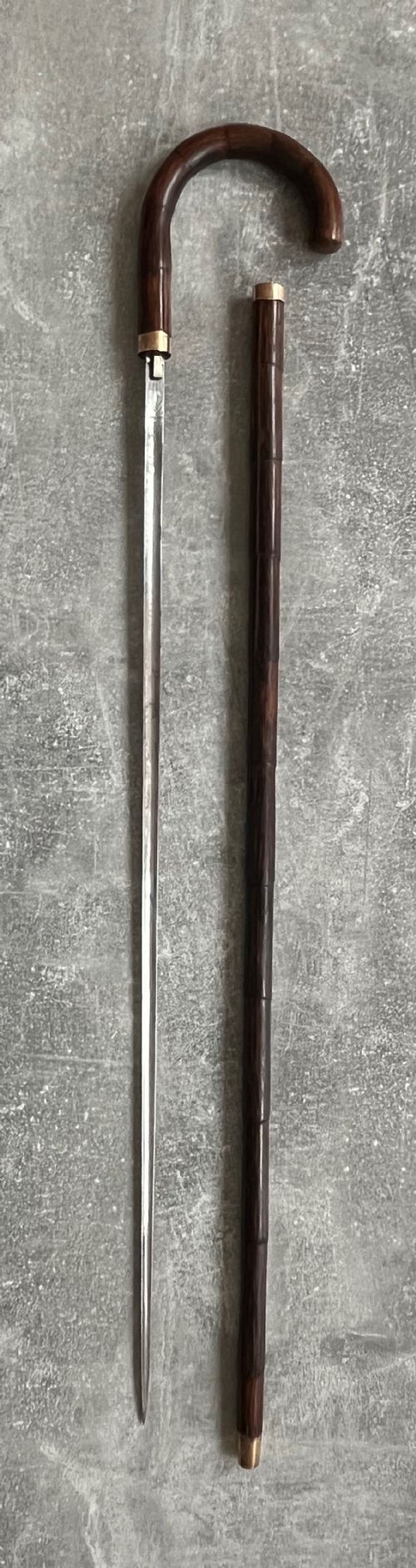
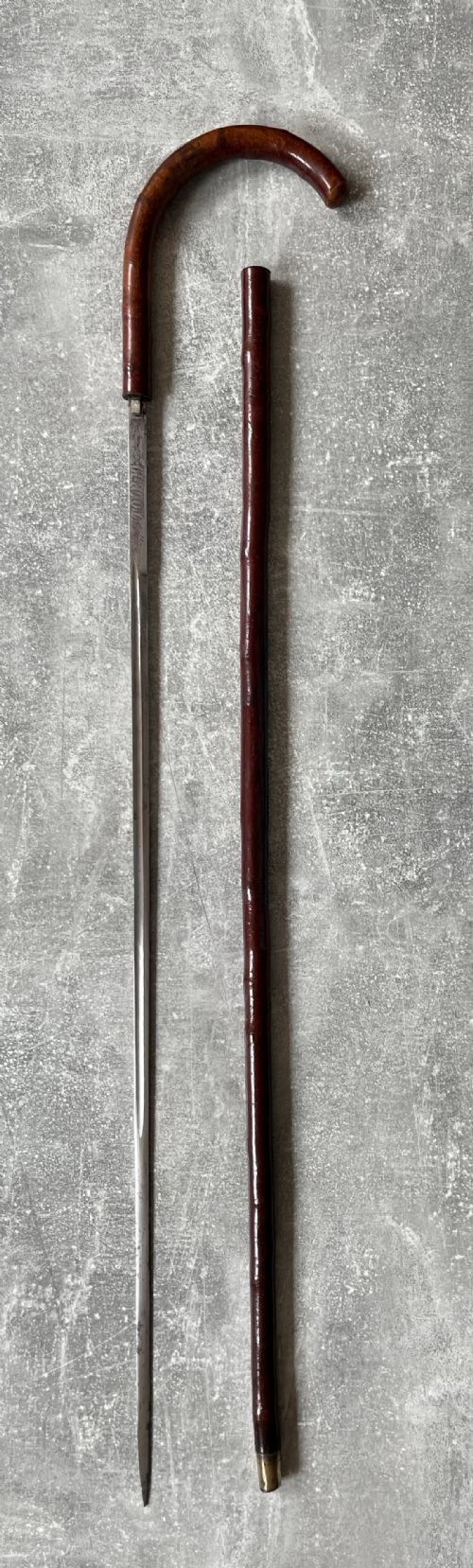
Blades housed within sword sticks were forged from steel, including signed Toledo and Wilkinson examples, fitted with button-release mechanisms. Metalwork elements frequently display hand-engraved floral designs or cast animal figures.
Listings feature woods including malacca, partridge wood, cherrywood, hazel and blackthorn paired with silver, gold, pewter and porcelain handles.
What varies in quality
Distinction across the range rests upon the intricacy of the handle carving and the prestige of the maker or metalwork. Pieces bearing marked silver, gold pommels or named makers such as Brigg command greater interest than standard utility woods.
Novelty mechanisms, such as hidden corkscrews or complex animal head formations, demonstrate superior craftsmanship compared to plain crook handles. The presence of etched steel blades by recognised makers further elevates individual pieces.
Briggs·Brigg·Brigg's·Archibald Knox for Liberty and Co
The Vintage Cane Handle Glossary
- Malacca
- A polished cane derived from rattan stems, prized for walking stick shafts due to its strength and mottled brown finish.
- Pommel
- The decorative knob or grip at the top of a walking stick handle, often rendered in silver or gold.
- Swagger stick
- A short riding crop or cane carried by military officers as a symbol of authority.
- Knop
- A rounded knob or decorative protrusion on a handle or shaft.
- Tudric
- A brand of pewter alloy utilised by Liberty and Co during the Arts and Crafts period for domestic metalware.
Vintage Cane Handle: Frequently Asked Questions
What are vintage cane handle walking sticks?
These items are historical walking aids featuring decorative grips made from silver, gold, porcelain, bone or horn atop wooden shafts. They served as functional accessories and status symbols for gentlemen during the nineteenth and early twentieth centuries.
Many examples incorporate functional novelties, including concealed steel sword blades or hidden corkscrews. Their design reflects the prevailing artistic movements of the Victorian, Edwardian and Art Deco periods.
How do I identify a sword stick?
A sword stick conceals a steel blade within its wooden or malacca shaft, typically released via a button mechanism or a screw collar near the handle. They were carried by officers and civilians for personal protection.
Examination of the collar often reveals maker stamps or hallmarks, while the blades frequently display etched patterns or Toledo signatures. Care must be taken to inspect the locking mechanism for secure closure.
How should I display walking sticks at home?
Walking sticks and canes are best displayed upright in dedicated copper, brass or ceramic stick and umbrella stands. This keeps the shafts secure while allowing the decorative handles to remain visible as room accents.
Placement should avoid direct sunlight and extreme humidity changes to protect organic materials like horn, bone and polished hardwoods from warping or cracking over time.
What periods do these pieces come from?
The available items primarily originate from the late nineteenth century, the Victorian era, the Edwardian period and the early twentieth century up to the 1930s. Styles range from ornate French Belle Epoque silverwork to geometric Art Deco designs.
Historical markers such as British hallmarks, specific blade etchings and regional wood choices help collectors date individual pieces accurately to these eras.