



Vintage Cane Furniture
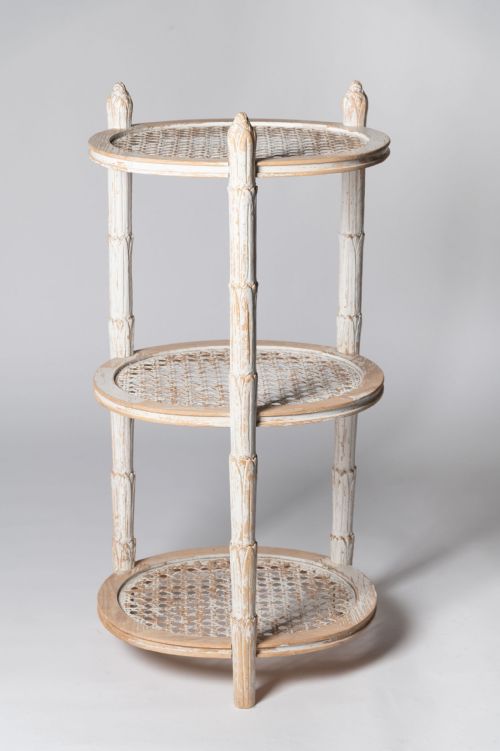
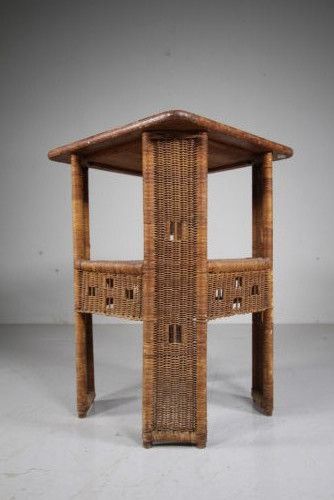
Vintage cane furniture brings tactile warmth and woven lightness into a room, spanning nineteenth-century library armchairs to early twentieth-century bamboo tables.
Vintage Cane Furniture
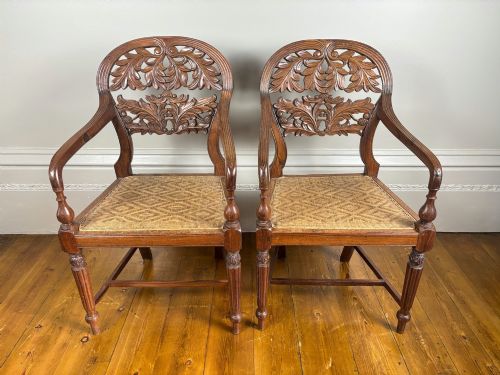
Vintage cane furniture encompasses seating, tables, and hallway accessories produced across the nineteenth and early twentieth centuries. When exploring vintage cane furniture, buyers encounter everything from Regency mahogany library bergères to Edwardian lacquered walnut armchairs.
Materials and construction methods
Maker's workshops utilised pliable rattan and bamboo alongside traditional hardwoods such as mahogany, oak, satinwood, and walnut. Caning is woven through drilled holes or locked into channels along the frame, creating resilient, breathable seating surfaces.
Structural reinforcement often incorporates brass inlays, cast iron frames, or turned wooden supports. Cabinetmakers combined woven plant fibres with solid timber frames to balance structural stability with light, flexible seating.
Vintage Cane Furniture Retail Price Guide 2026
Typical asking prices for vintage cane furniture among the pieces listed under this phrase on Sellingantiques today, from the lower quarter to the upper quarter. They describe what is for sale here now, not the wider market.
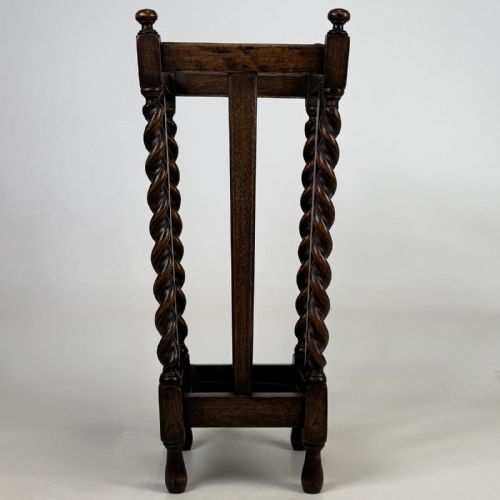
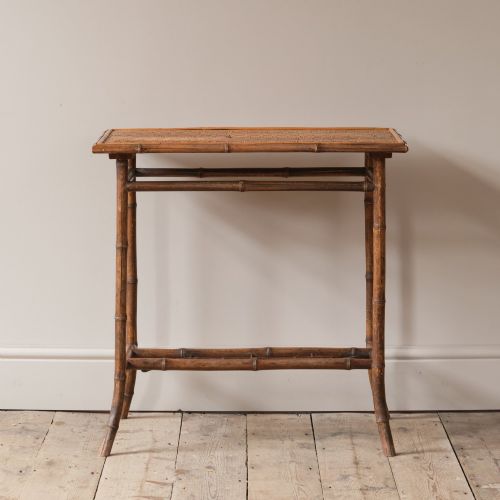
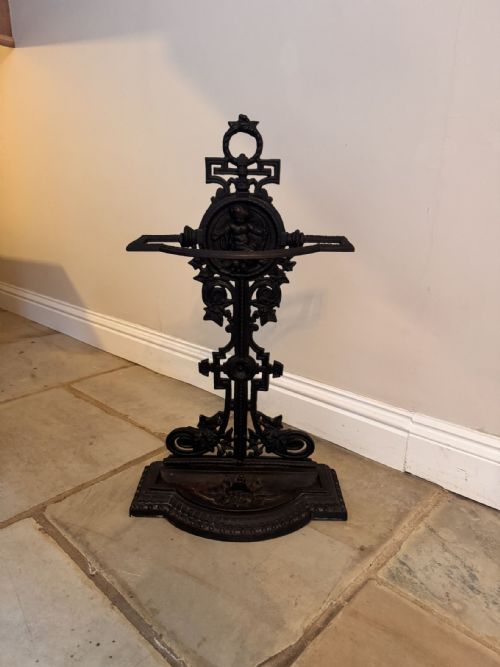
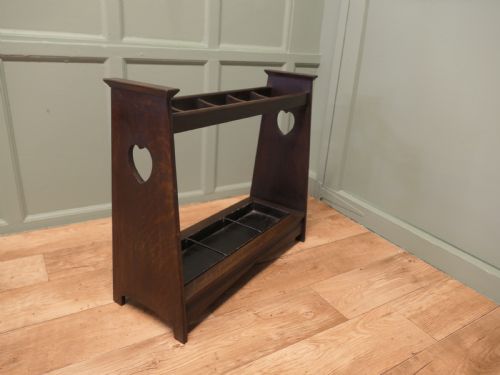
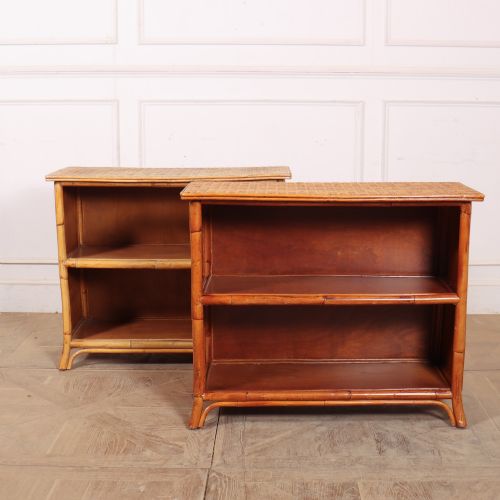
The listings demonstrate a strong presence of Victorian bamboo hall stands, alongside Regency and William IV mahogany library armchairs.
Distinguishing quality in woven pieces
Quality rests upon the tautness and uniform spacing of the woven cane work, alongside the timber selection of the surrounding frame. Finer examples display meticulous hand-caning and solid secondary woods rather than quick commercial fixes.
Design ambition separates standard domestic items from exceptional workshops. Pieces bearing attributed designs or superior carving on mahogany and walnut demonstrate greater craftsmanship than basic utilitarian forms.
Dryad of Leicester·Heals of London
The Vintage Cane Furniture Glossary
- Bergère
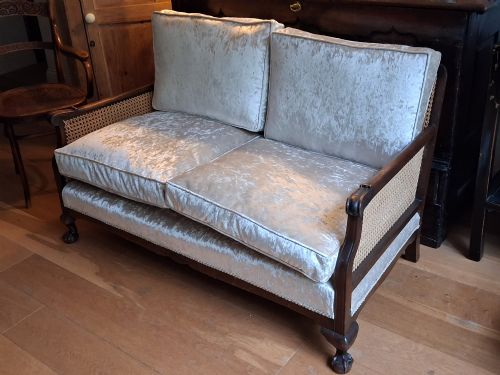
- An enclosed upholstered armchair with cane sides and back panels. This French seating form gained popularity in various nineteenth-century revivals.
- Cane
- The peeled, fibrous outer bark of the rattan palm used for weaving. It offers flexibility and strength for seats and panels.
- Bamboo
- A woody grass utilised extensively in nineteenth-century occasional tables and hall stands. It supports lightweight furniture construction.
- Campaign
- Portable furniture designed to dismantle or fold for travel. These pieces often incorporate brass hardware and robust timber frames.
Vintage Cane Furniture: Frequently Asked Questions
How do I care for cane seats?
Keep woven panels hydrated by wiping them gently with a damp cloth periodically. Avoid placing them near direct heat sources which can cause the natural fibres to become brittle.
Support the underside occasionally with moisture to maintain elasticity in older rattan work. Proper humidity prevents the woven strands from snapping under normal daily weight.
Are these pieces sturdy enough for daily use?
Solid mahogany and oak frames combined with sound cane work withstand regular seating well. Check that the frame joints remain tight and the woven mesh shows no widespread breakage before heavy use.
Library chairs and bergères from the nineteenth century were built for enduring service. Lighter bamboo tables require a more mindful placement away from heavy bumps.
How do I date a cane armchair?
Examine the timber species, turning style, and joinery methods employed in the primary frame. Regency and William IV pieces display heavier mahogany construction, while Edwardian examples often feature walnut or satinwood.
The weave pattern and method of attaching the cane into the frame also shift across decades. Earlier work often uses hand-drilled holes, whereas later pieces may utilise groove channels.
What is a bergere suite?
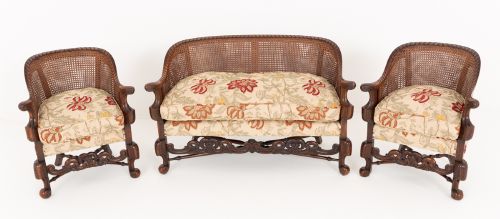
A matched set of seating featuring exposed wooden frames and woven cane back and side panels. These suites brought formal elegance to nineteenth-century and early twentieth-century drawing rooms.
They coordinate comfortable upholstered cushions with airy, natural plant fibre weaving. Such groupings create a cohesive aesthetic in sitting rooms.