
Vintage Candlestick Light
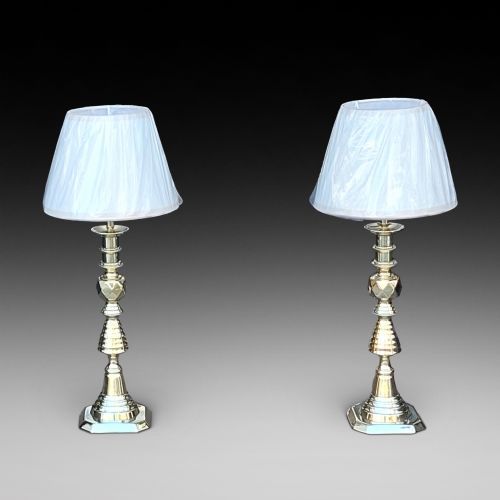
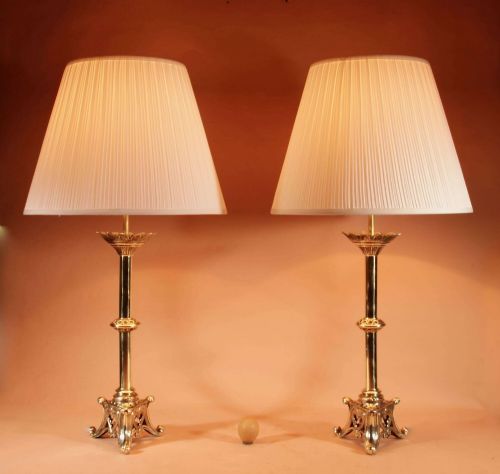
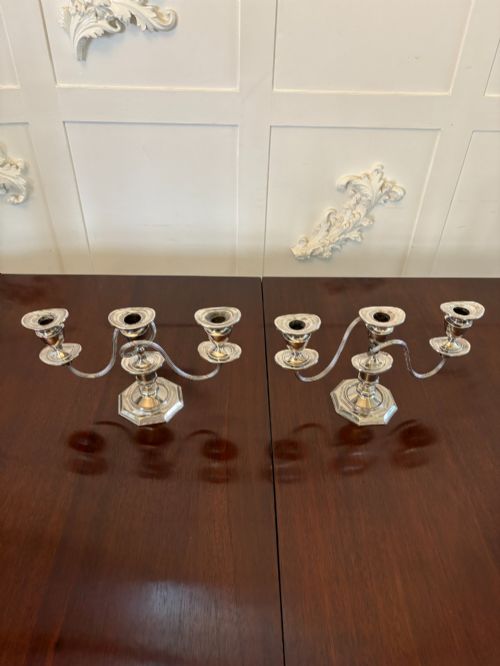
These vintage candlestick light designs bring warmth and period character to a room through converted brass, silver plate and mahogany forms.
Vintage Candlestick Light
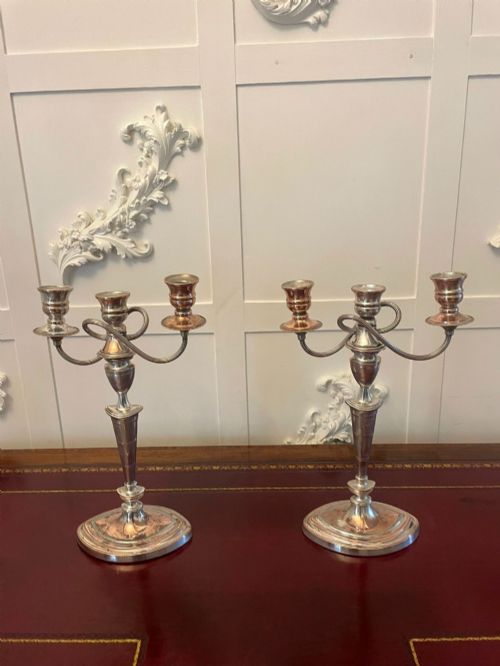
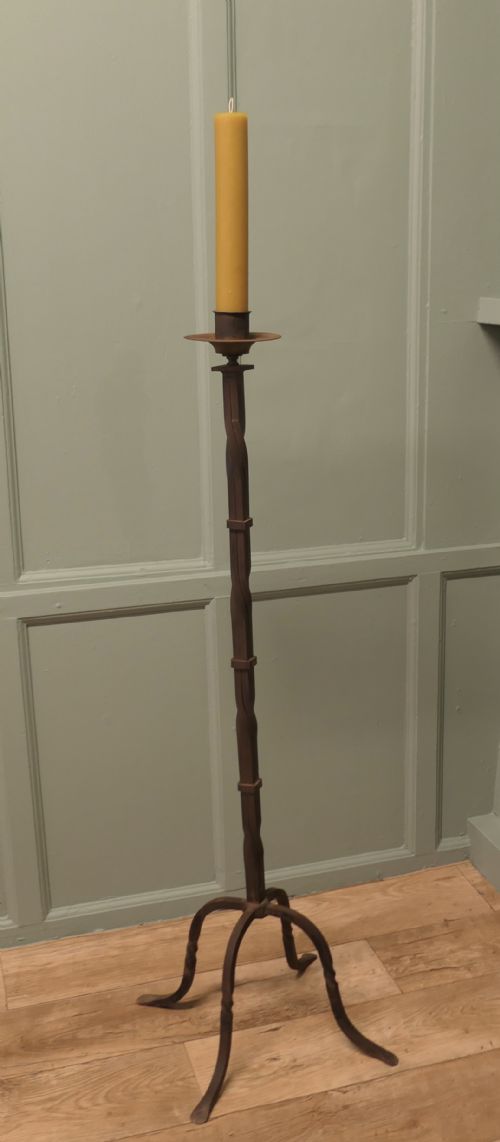
A vintage candlestick light brings together traditional lighting forms and period illumination, often seen in converted brass, silver plated and mahogany pieces. Buyers searching this phrase encounter items spanning the eighteenth, nineteenth and early twentieth centuries, including table lamps, candelabras and wall sconces.
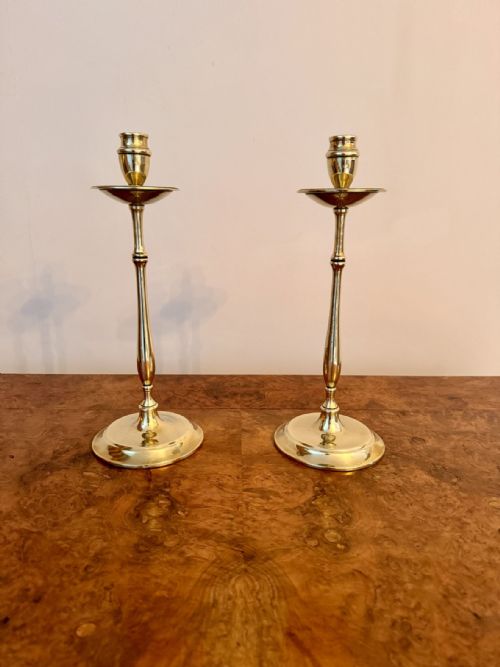
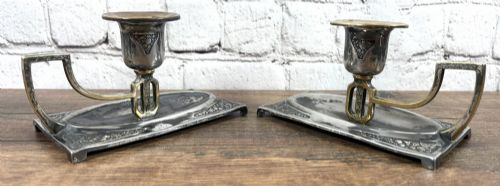
The most common examples on this page are nineteenth century and early twentieth century brass and silver plated candlesticks adapted for electrical use. Alongside these, items from the Georgian and Edwardian eras appear in wood, pewter and ormolu, reflecting styles from Rococo Revival to Arts and Crafts.
Materials and construction methods
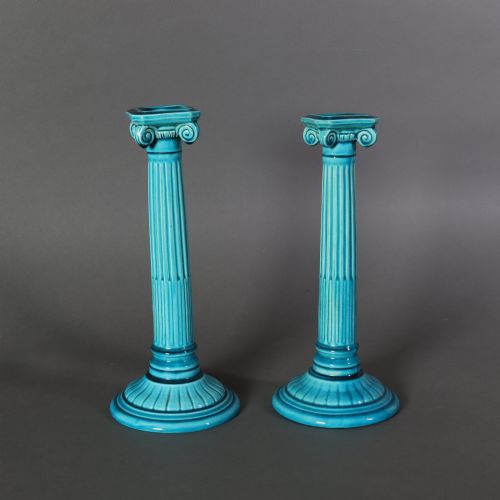
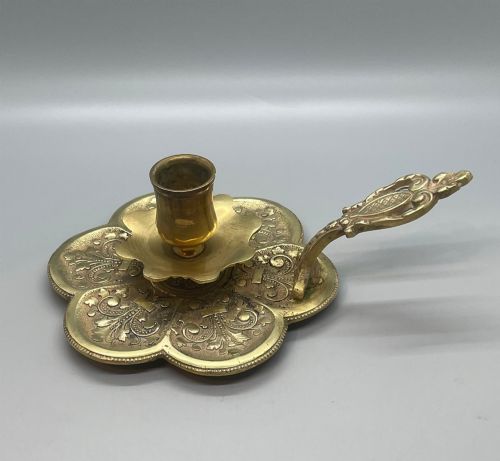
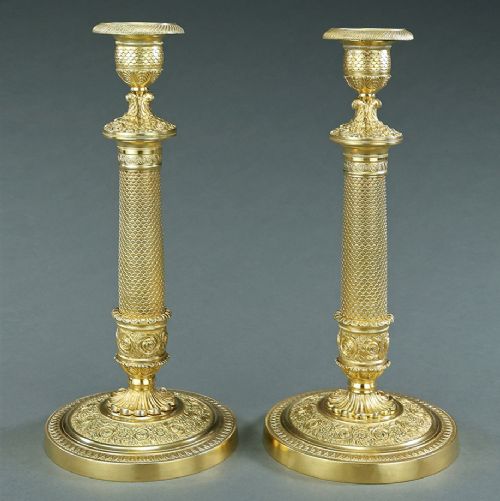
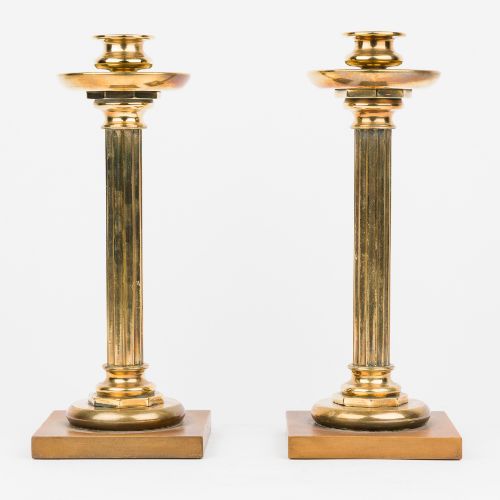
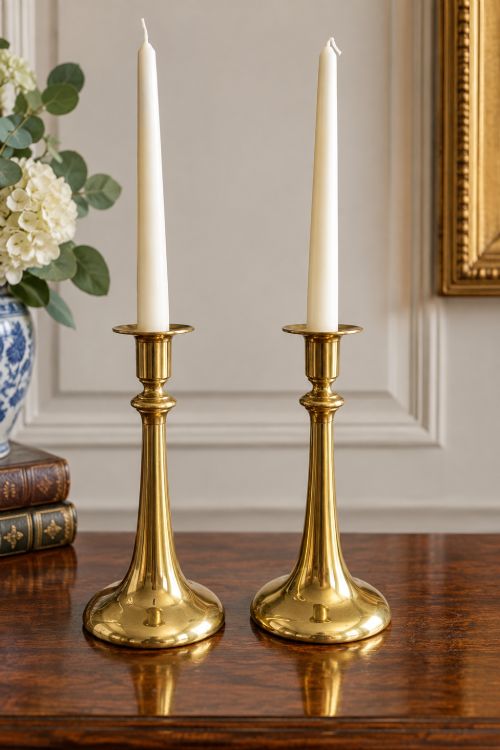
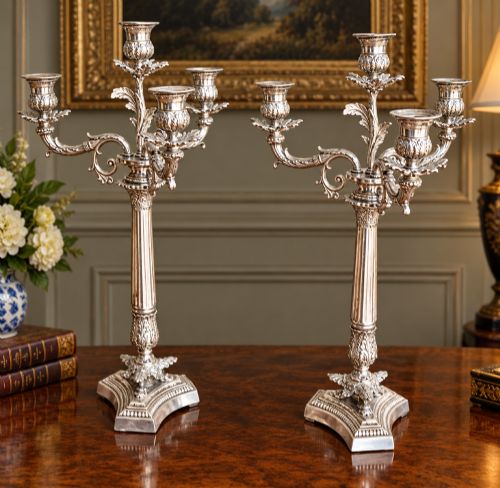
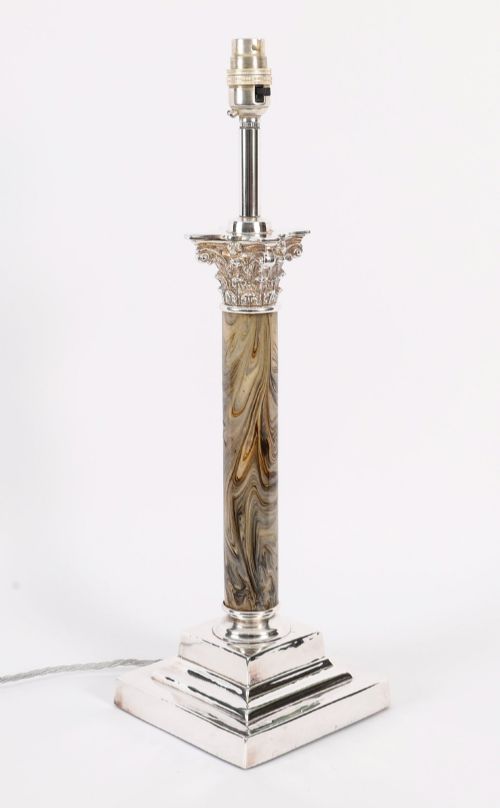
Metalworking dominates the construction of these items, with brass, silver plate, gilt bronze and ormolu cast, chased and turned into columns, columns with Corinthian capitals and petal bases. Pewter and sterling silver also form structural bodies, whilst woodworkers turn mahogany into slender candlesticks and table lamps.
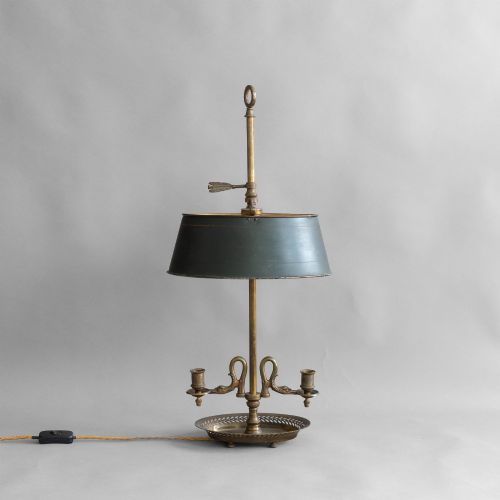
Many items incorporate later adaptations, such as electrical wiring added to nineteenth century brass candelabra or converted candlesticks. Surface finishes include lacquering, gilding and silver plating over base metals, alongside specialised techniques like Indian Bidri ware.
Standing terrier dog brass candlesticks from nineteen ten bring an unexpected canine charm to traditional tabletop illumination.
Assessing quality in period lighting
Quality rests on the crispness of casting and chasing, particularly in ormolu, gilt bronze and brass components where fine details define the ornament. Heavy gauge metal and stable turned timber bases indicate superior physical construction compared to lighter, thinner alternatives.
The integrity of the conversion work from candle holder to lamp matters significantly, alongside the preservation of original surface finishes such as early plating, patination and gilding. Pieces retaining their original proportions and uncompromised structural elements distinguish themselves from heavily altered examples.
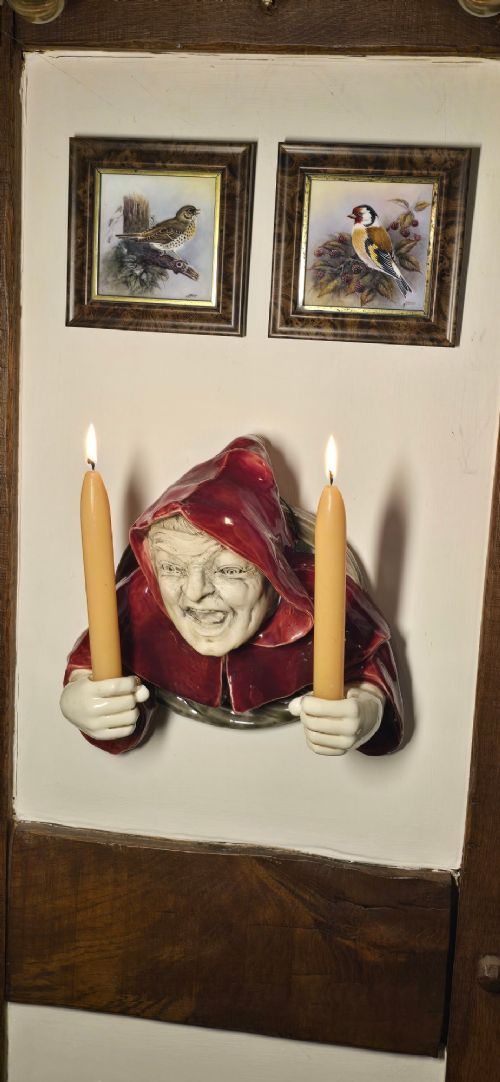
Nymphenburg
The Vintage Candlestick Light Glossary
- Candelabra
- A branched candlestick holding multiple candles or light bulbs. They frequently feature arms extending from a central stem.
- Ormolu
- Gilt bronze ornamentation applied to decorative metalwork. This technique involves gilding a mercury and gold mixture onto a bronze base.
- Pricket candlestick
- A candlestick featuring a sharp metal spike at the top to secure a candle rather than a socket. They often appear in earlier church and ecclesiastical contexts.
- Corinthian column
- A classical architectural column style featuring ornate acanthus leaves on the capital. This motif frequently decorates tall nineteenth century metal candlesticks and lamps.
Vintage Candlestick Light: Frequently Asked Questions
How do I know if a candlestick was converted to a lamp?
Evidence of conversion appears in drilled bases or stems designed to accommodate electrical flex, alongside weighted undersides that stabilize the taller frame.
Many nineteenth century brass and silver plated examples retain their original socket cups while housing modern wiring threaded through the central column.
What periods do these lights come from?
The selections range from eighteenth century Georgian mahogany and pewter pieces to nineteenth century Victorian brass and twentieth century Edwardian designs.
Stylistic revivals also appear, including seventeenth century style pricket candlesticks produced during later Victorian decades.
Are silver plated candlesticks heavy?
Quality silver plated and brass candlesticks generally possess substantial weight due to weighted internal bases or solid metal casting.
This heft prevents tipping when tall tapers or lampshades are fitted to the upper stem.
How should I clean antique brass lighting?
Gentle dusting with a soft cloth preserves the aged patination that develops on nineteenth century brass and gilt bronze surfaces over decades.
Harsh chemical polishes should be avoided because they strip away the historic patination valued by collectors.