


Vintage Calling Bell
A vintage calling bell summons service with a clear tone, bringing mechanical charm and period weight to a desk or table.
Vintage Calling Bell
A vintage calling bell serves domestic and commercial spaces through functional design, ranging from heavy hotel desk indicators to handheld school chimes.
This selection draws primarily from Victorian, Edwardian, and early twentieth-century examples, spanning the late nineteenth century up to the mid-twentieth century.
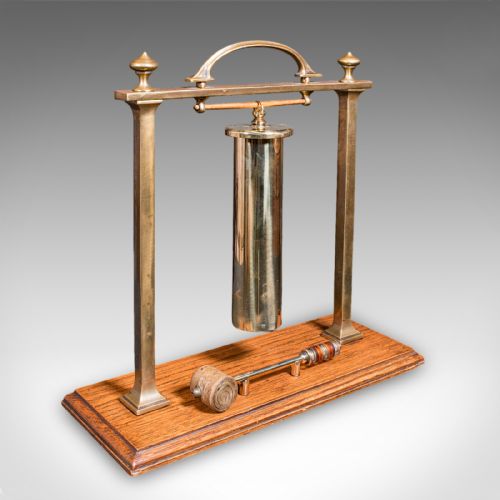
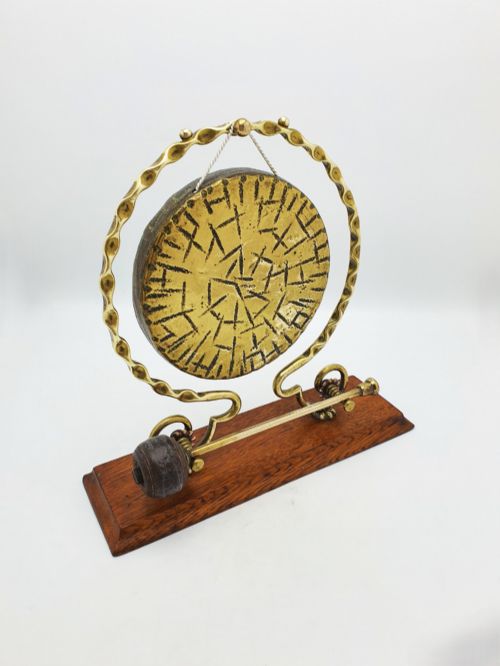
Forms include desk and counter models, dinner gongs mounted on oak bases, mechanical novelties, and simple handbells for domestic service.
Materials and construction
Foundry work relied on cast brass, bronze, and iron to create resonant bells and sturdy bases that could endure daily striking.
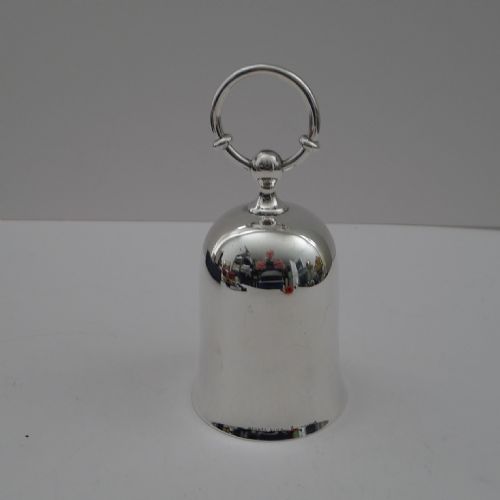
Mounts frequently incorporated seasoned oak, while higher-grade domestic pieces utilised sterling silver or silver plate over base metals.
Listings incorporate brass, bronze, cast iron, oak, and sterling silver across Victorian and Edwardian periods.
Judging quality and finish
Substance separates basic production from superior examples, visible in the thickness of the metal cast and the resonance of the strike.
Detailing in the chasing, the execution of novelty figures such as animals or horse bits, and the integration of oak bases define the upper tier.
Hermes Paris
The Vintage Calling Bell Glossary
- Dinner gong
- A suspended bell or metal plate struck with a mallet to announce meals in large households.
- Counter bell
- A spring-loaded desk mechanism designed to ring when the plunger is depressed by a customer or staff member.
- Mechanical bell
- A device utilising internal gears or levers, often activated by pressing a figure or turning a key rather than striking directly.
- Silver plate
- A thin layer of silver fused to a base metal core such as copper or brass, common in decorative table bells.
Vintage Calling Bell: Frequently Asked Questions
How do desk bells work?
Most desk models operate on an internal spring mechanism that drives a small hammer against the interior wall of the dome when the top plunger is pressed down.
Simpler handheld variants rely on a suspended clapper that strikes the outer rim when swung manually by the handle.
Where were these bells used?
Households employed them below stairs or in dining rooms to summon servants, while shops and hotels placed counter bells near reception areas.
Schools and town criers utilised larger bronze and brass handbells to project sound across open yards or public streets.
How do I clean brass bells?
Dust accumulates in the recesses of cast ornamentation, so a soft brush removes debris without disturbing the underlying surface metal.
A gentle application of non-abrasive polish preserves the definition of the chased details while maintaining the historical patina.
Are these bells still functional?
The mechanical spring assemblies and clappers on most surviving examples remain robust and capable of producing a sharp, resonant tone.
Careful handling ensures that internal mechanisms continue to operate smoothly without putting undue stress on vintage rivets.