




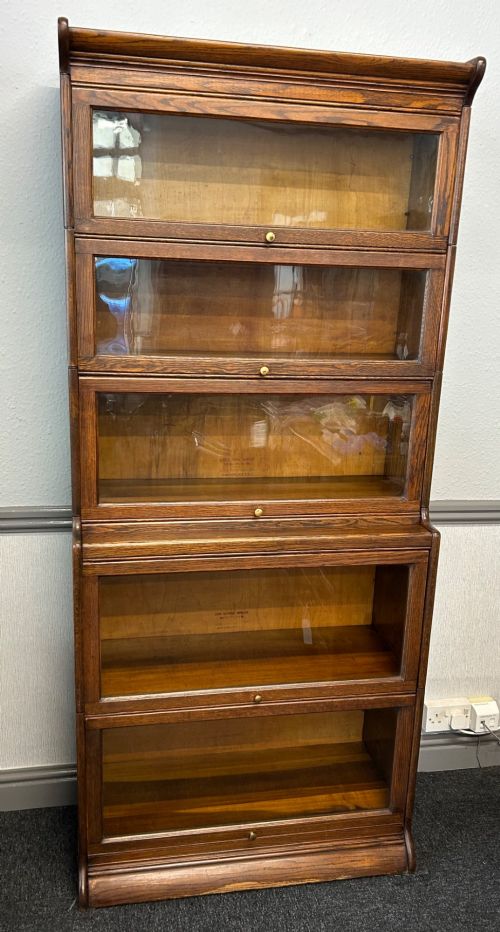
Vintage Cabinet with Glass
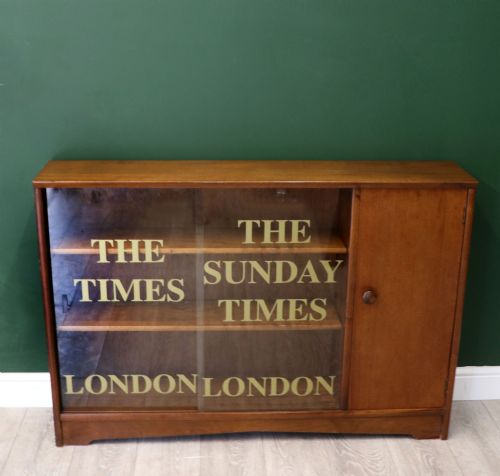
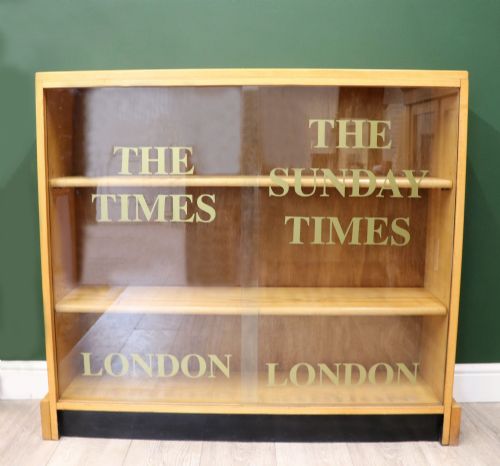
A vintage cabinet with glass serves to display and protect books or ceramics while bringing period timber into a room.
Vintage Cabinet with Glass
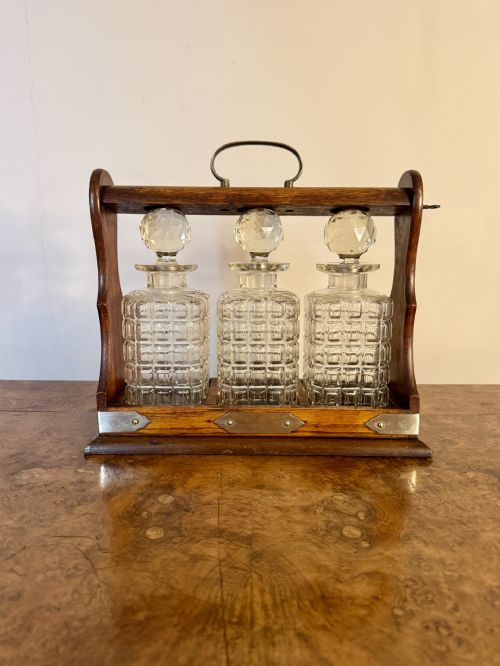
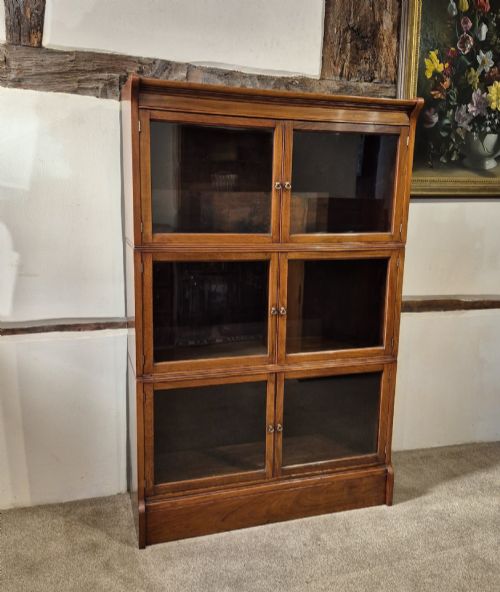
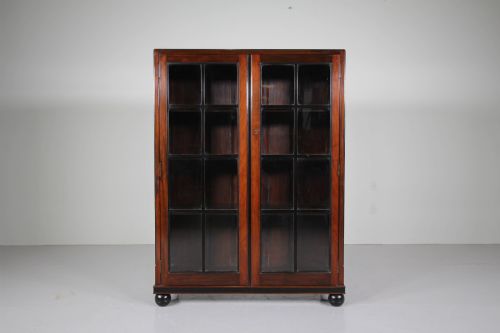
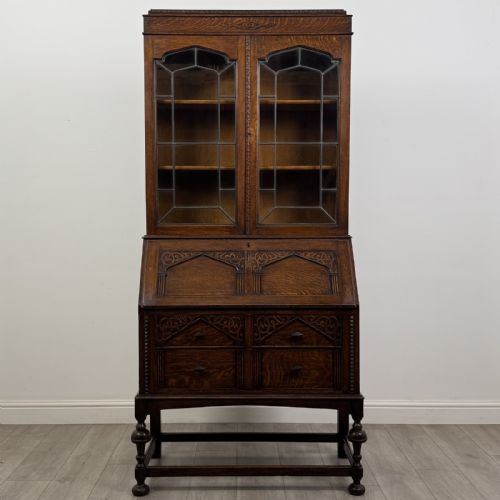
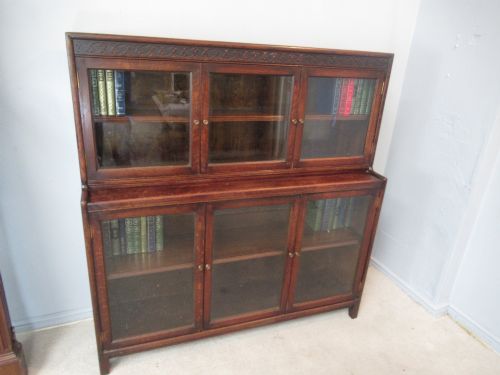
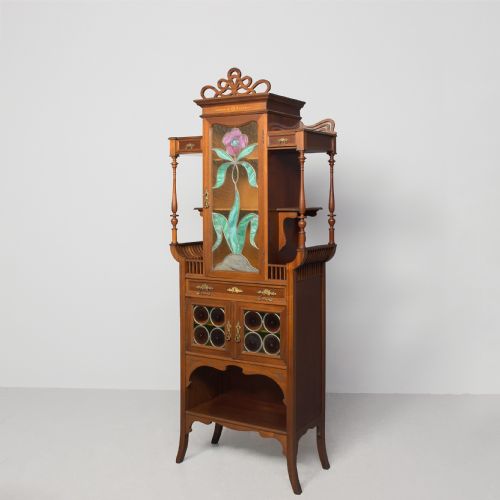
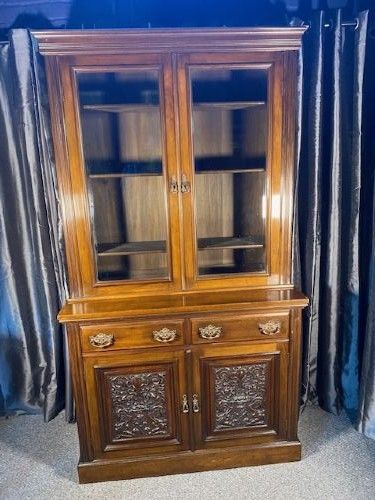
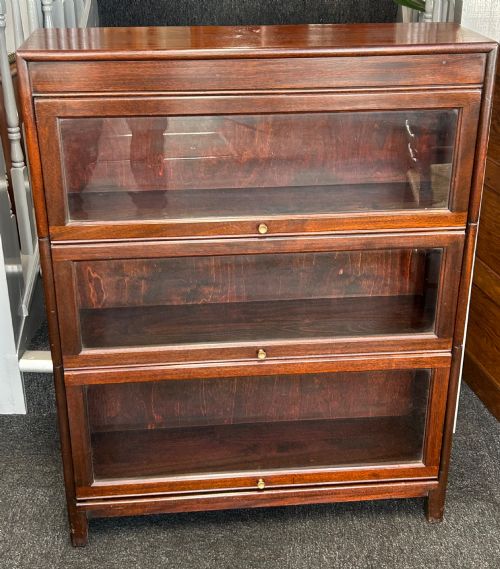
A vintage cabinet with glass spans several practical forms designed to house books, china or precious objects. Buyers frequently encounter Edwardian and Victorian display cabinets, alongside oak sectional bookcases from the early twentieth century.
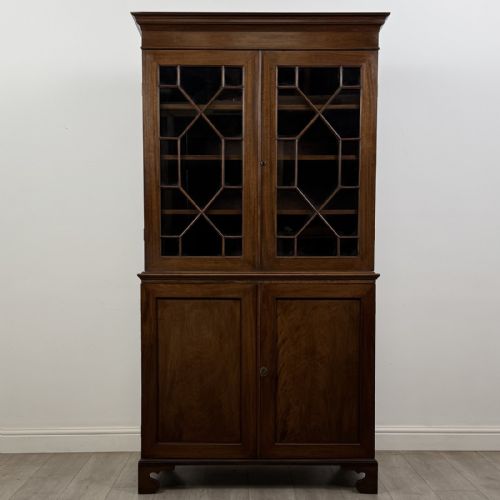
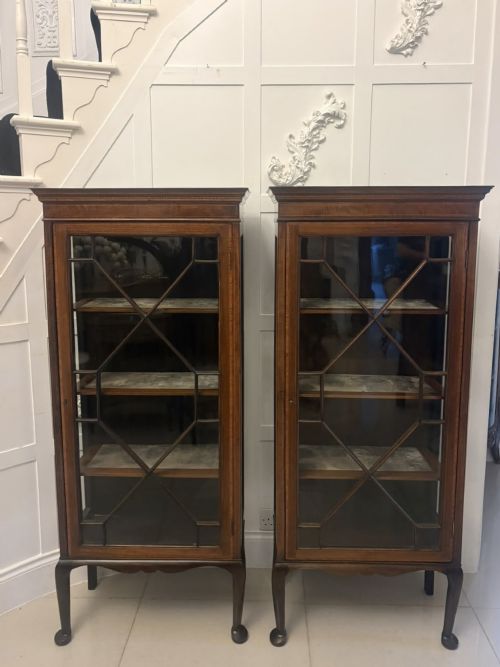
The selection ranges from small wall-hanging cupboards to large breakfront display units and bureau bookcases. Many examples utilise glazed doors or astragal glazing to keep contents visible yet protected from dust.
Makers and makers' marks point to specific workshops of the nineteenth and twentieth centuries, producing pieces in mahogany, oak, satinwood and walnut. Corner cabinets and shop display variants provide further options for domestic interiors.
Materials and construction
Cabinet makers relied primarily on solid and veneered timbers such as mahogany, oak, satinwood, walnut and kingwood. These woods were chosen for durability and grain pattern, often enhanced with contrasting inlay work.
Glazing techniques involve standard glass panes, leaded lights or astragal bars dividing the door panels. Brass hardware, ormolu mounts and mirrored interiors frequently complement the timber frames.
Vintage Cabinet with Glass Retail Price Guide 2026
Typical asking prices for vintage cabinet with glass among the pieces listed under this phrase on Sellingantiques today, from the lower quarter to the upper quarter. They describe what is for sale here now, not the wider market.
Some Edwardian cigar humidors survived alongside towering oak bookcases, proving that Victorian gentlemen took their smoke as seriously as their literature.
Judging execution and finish
Quality rests upon the selection of figured timber veneers, the crispness of carved details, and the precision of inlaid decoration. Finer pieces demonstrate careful timber matching and refined proportions.
Internal elements such as adjustable glass shelves, original painted decoration, and branded maker plaques distinguish standard utility furniture from exceptional workshop productions.
Maple and Co·Macey·James Winter and Sons·Minty
The Vintage Cabinet with Glass Glossary
- Astragal glazing
- A method where thin wooden bars divide a glass door into smaller panes. This technique is typical of finer display cabinets and bookcases.
- Globe Wernicke
- A modular stacking barrister bookcase system popular in the early twentieth century. Sections lift and slide upward to access the books inside.
- Secretaire bookcase
- A tall cabinet incorporating a pull-down writing drawer with internal pigeonholes and small drawers. It combines desk functionality with upper shelving.
- Ormolu mounts
- Gilt-bronze decorative fittings applied to furniture pieces. They appear on select decorative French and English cabinets.
- Inlay
- A technique where contrasting woods or metals are fitted into carved recesses to create decorative surface patterns. Satinwood and fruitwood were common choices for this work.
Vintage Cabinet with Glass: Frequently Asked Questions
How do I date a glass cabinet?
Dating relies on stylistic clues, construction methods, and timber choice. Edwardian and Victorian pieces often show specific inlay patterns and hardware styles.
Examining the backboards, drawer construction, and glass manufacture helps narrow down the decade of production.
Where should I place a display cabinet?
These cabinets suit dining rooms, living spaces, or studies where books and china need protection. Placing them away from direct sunlight preserves the timber and interior finishes.
Corner cabinets work well for utilising awkward angles in smaller rooms while maintaining floor space.
Can sectional bookcases be separated?
Sectional barrister bookcases are built from independent stacking tiers that rest one upon another. This modular design allows them to be taken apart for transport and rearrangement.
Each glazed tier operates independently with up and over door mechanisms.
How do I clean glass and timber?
Timber surfaces benefit from occasional waxing with appropriate products to nourish the grain. Harsh modern cleaning sprays should be avoided on antique polishes.
Standard glass cleaner applied to a cloth rather than sprayed directly protects the surrounding wood frame.