

Vintage Cabinet Unit
These vintage cabinet unit examples span multiple eras, offering functional storage with distinct period character.
Vintage Cabinet Unit
A vintage cabinet unit covers a broad spectrum of storage furniture designed for domestic and workspace use across the nineteenth and twentieth centuries. Buyers searching this phrase encounter diverse forms ranging from bookcases and display cabinets to chests of drawers, sideboards, and specialised storage.
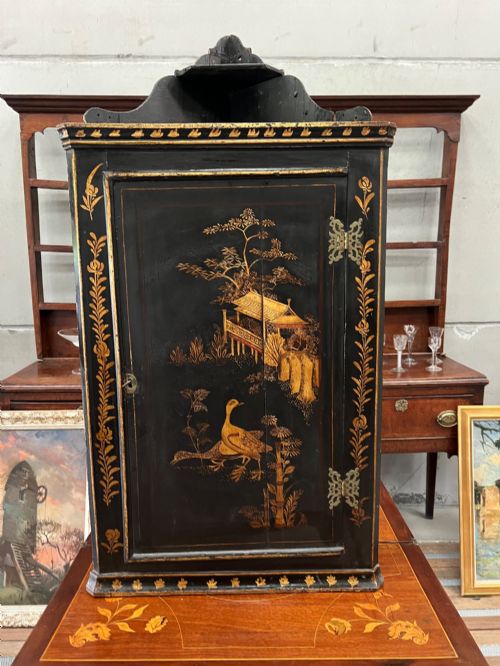
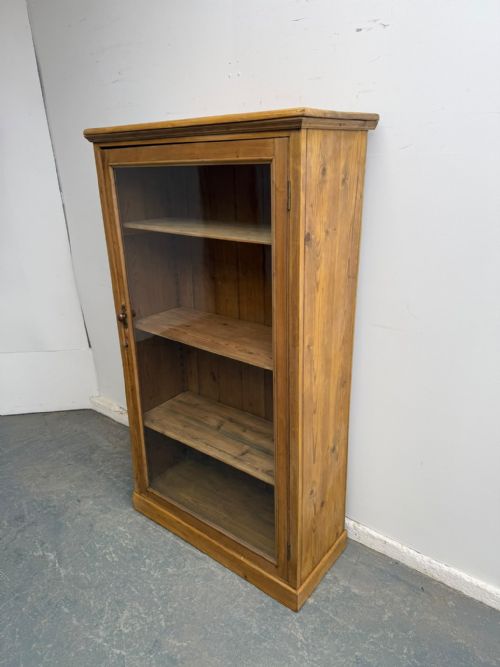
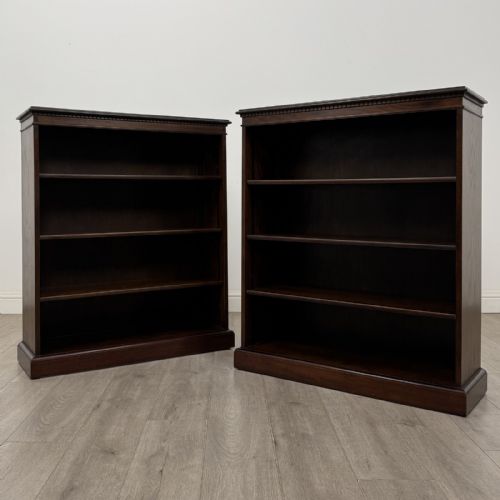
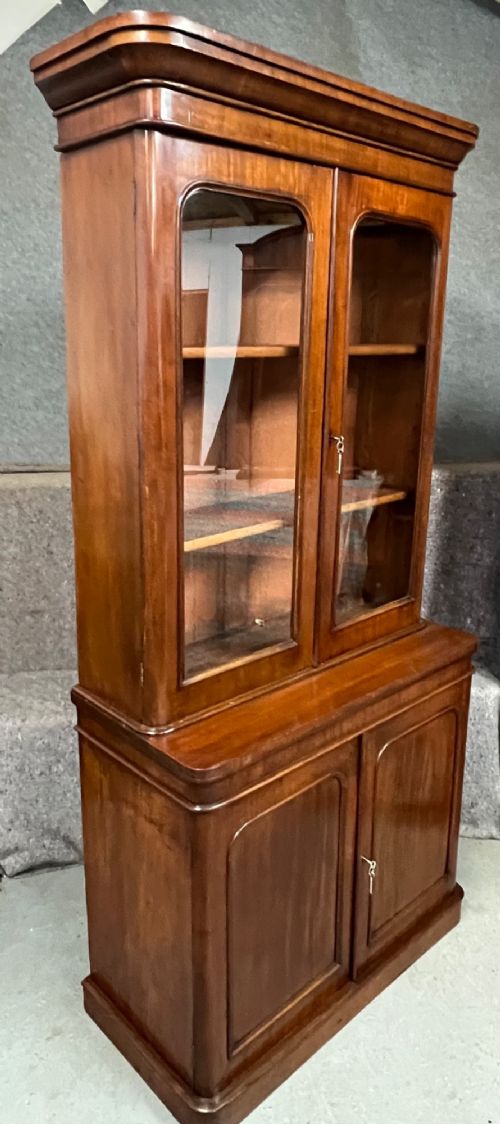
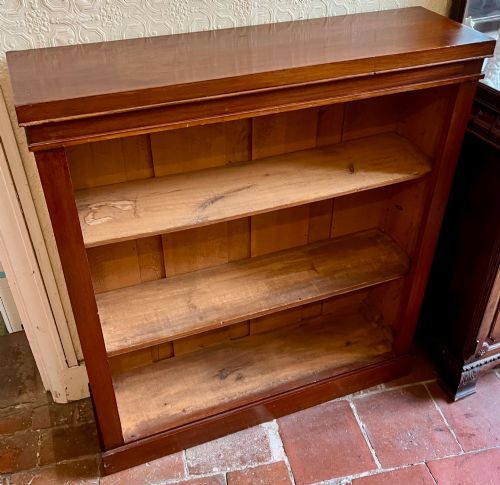
The selection on this page relies heavily on mahogany and oak constructions, frequently appearing in forms like open bookcases, corner cupboards, and side cabinets. Pieces span periods from the Victorian era and Edwardian times through to early twentieth-century designs.
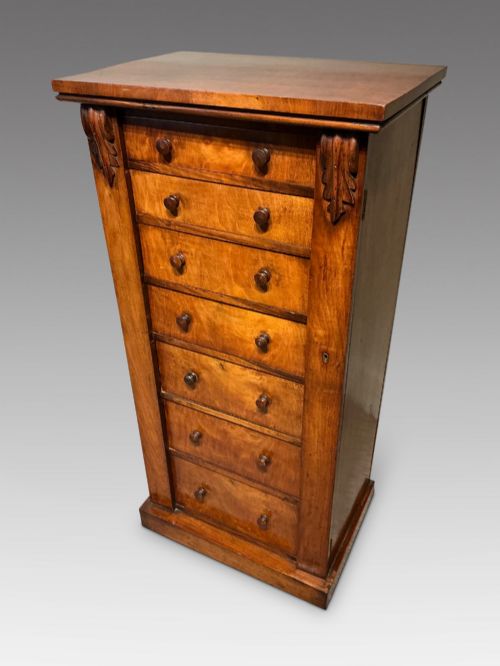
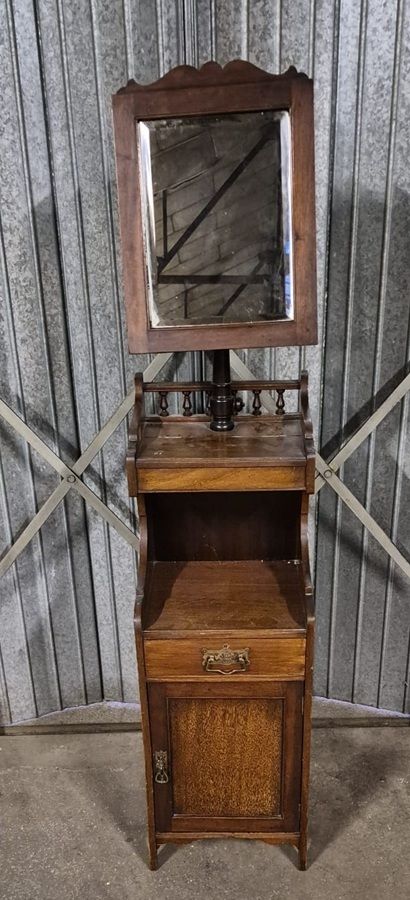
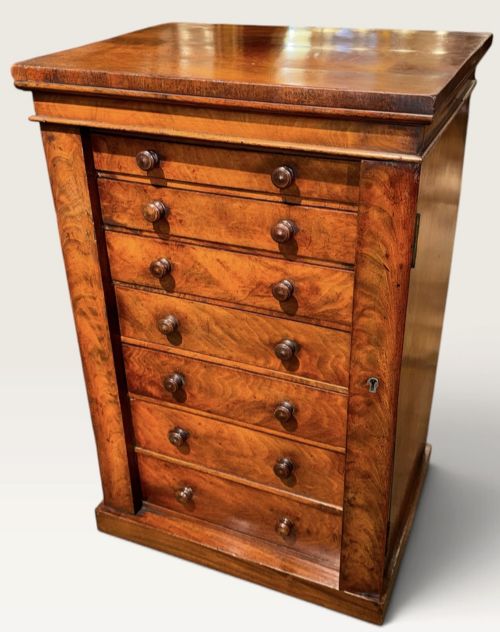
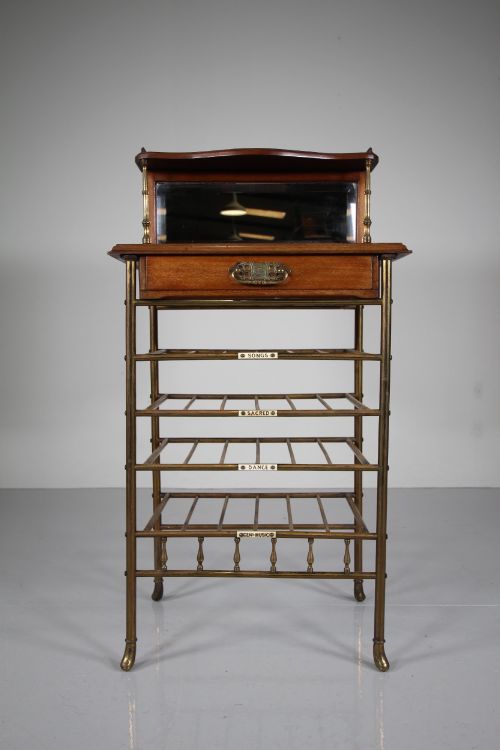
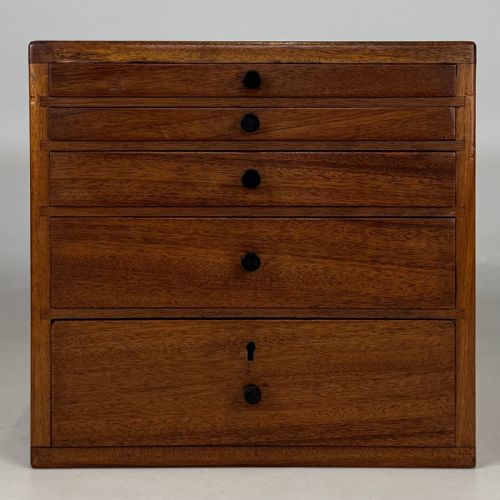
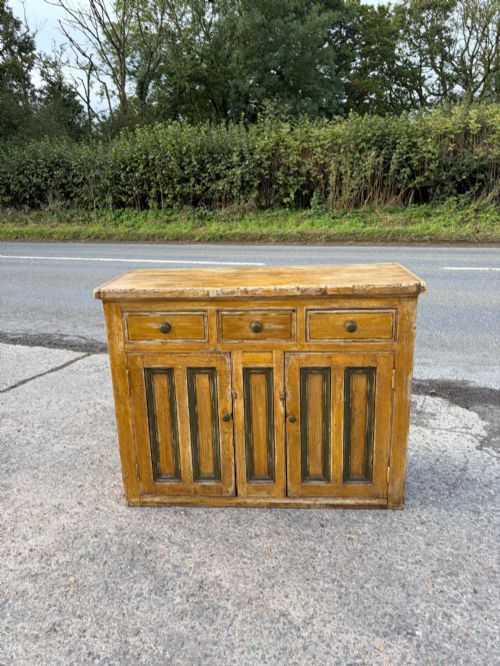
Smaller specialised pieces such as watch and clock repairer chests, dental cabinets with milk glass lining, and sheet music stands sit alongside larger kitchen dressers and housekeepers cupboards. This variety reflects domestic utility and specialised trades from past decades.
Materials and construction methods
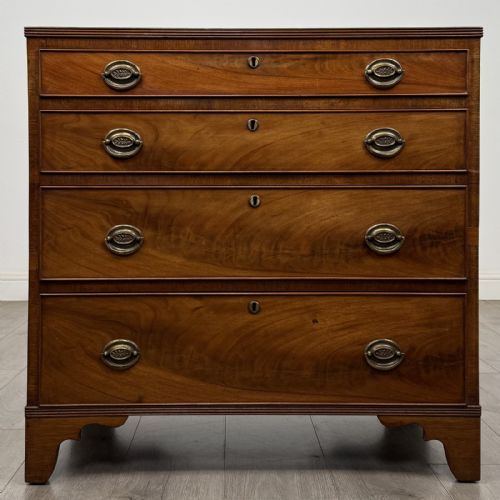
Cabinet makers utilised sturdy timbers including mahogany, oak, and pine, frequently pairing them with brass hardware, iron fittings, and glass panes for doors and display sections. Satinwood inlay added decorative contrast to mahogany surfaces on select Edwardian and Victorian pieces.
Construction techniques varied according to function, producing everything from dovetailed chests of drawers and panelled corner cupboards to adjustable shelving within open library bookcases. Specialised interiors featured milk glass linings and numerous fitted small drawers tailored to specific trades.
Vintage Cabinet Unit Retail Price Guide 2026
Typical asking prices for vintage cabinet unit among the pieces listed under this phrase on Sellingantiques today, from the lower quarter to the upper quarter. They describe what is for sale here now, not the wider market.
Listings feature oak, mahogany, and pine across Victorian, Edwardian, and early twentieth-century periods.
Distinctions in craftsmanship and design
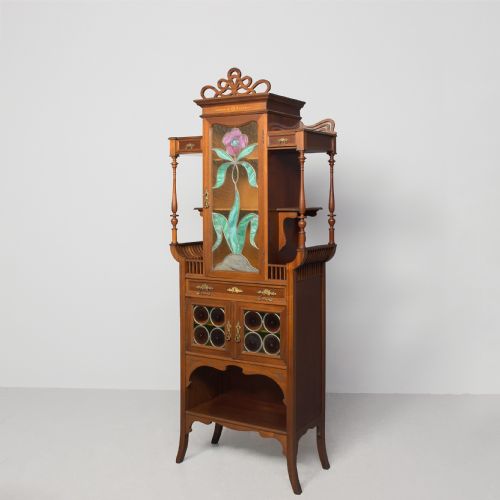
Quality in these storage units emerges through the selection of timber, the precision of joinery, and the inclusion of refined decorative elements such as dentil cornices, arched alcoves, and Sheraton-style inlay. Finer examples maintain original painted surfaces, stained glass panels, or specialised hardware like raised galleries.
The structural integrity of adjustable shelving, the smooth operation of drawers, and the clarity of original glass doors separate standard utilitarian pieces from more ambitious cabinet work designed for formal libraries and display spaces.
Heals·Liberty
The Vintage Cabinet Unit Glossary
- Dentil cornice
- A moulding decorated with a repeating series of small rectangular blocks resembling teeth, commonly found along the upper edge of Edwardian bookcases.
- Raised gallery
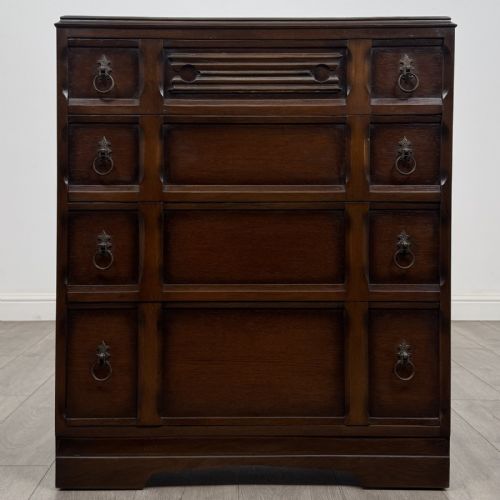
- A low decorative railing or rim positioned along the top surface of chests of drawers or bookcases to prevent items from sliding off.
- Sheraton-style
- A late eighteenth and nineteenth-century design mode characterised by straight lines, classical proportions, and delicate satinwood inlay.
- Waterfall bookcase
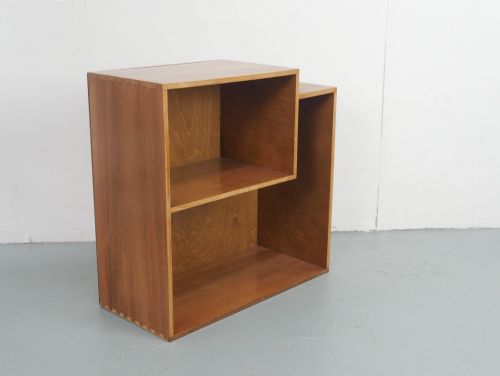
- A tiered open shelving unit where each successive shelf steps back from the one below it in a cascading profile.
Vintage Cabinet Unit: Frequently Asked Questions
What is a vintage cabinet unit?
A vintage cabinet unit is a piece of antique or mid-period storage furniture, encompassing items like bookcases, side cabinets, and chests of drawers.
These pieces originate from the nineteenth and early twentieth centuries, constructed primarily from timbers such as mahogany, oak, and pine to serve domestic and specialised organizational needs.
How do I date a wooden cabinet?
Dating a wooden cabinet involves examining the predominant timber, construction methods, and stylistic motifs present in the piece. Victorian examples often feature heavy mahogany or pine, while Edwardian pieces frequently utilise golden oak with dentil cornices or inlaid details.
Hardware styles, joint construction, and specific functional forms like record cabinets or dental units provide further clues to whether a piece belongs to the nineteenth or twentieth century.
Where should I place a corner cupboard?
A corner cupboard is designed to fit snugly into room junctions, making it an effective choice for utilising neglected architectural space. These units suit dining rooms, hallways, or living areas for displaying china or storing tableware.
Both oak and pine variants from the nineteenth and twentieth centuries bring vertical interest and enclosed storage without occupying central floor space.