
Vintage Brown Table
These vintage brown table pieces span oak, mahogany, and walnut across centuries of dining, writing, and occasional use.
Vintage Brown Table
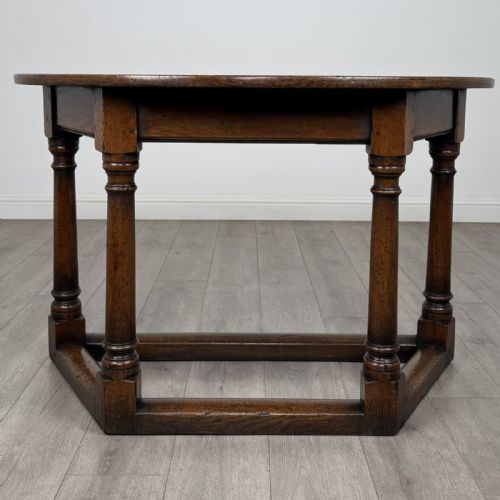
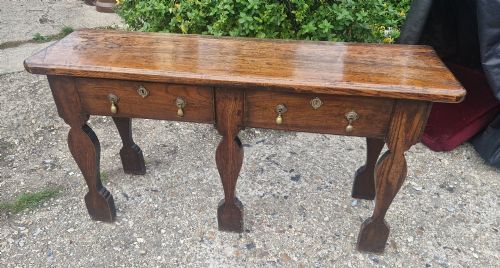
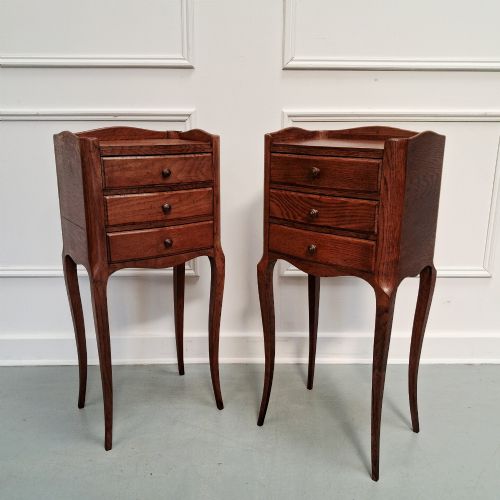
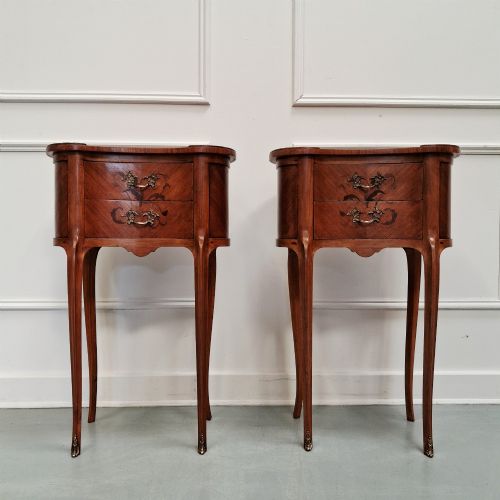
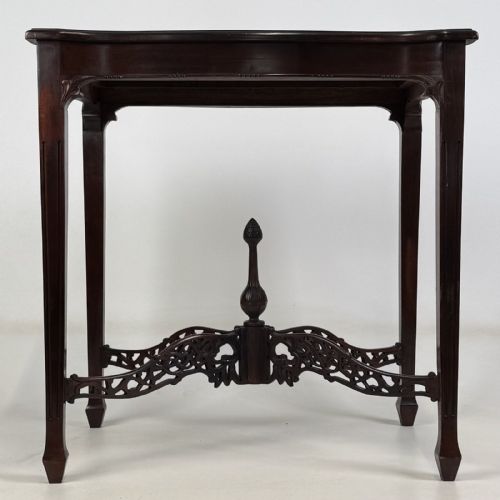
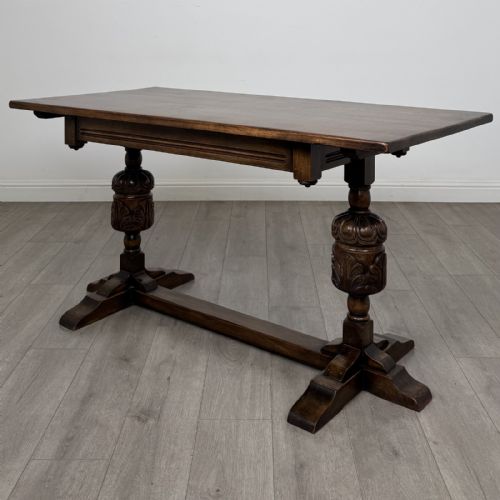
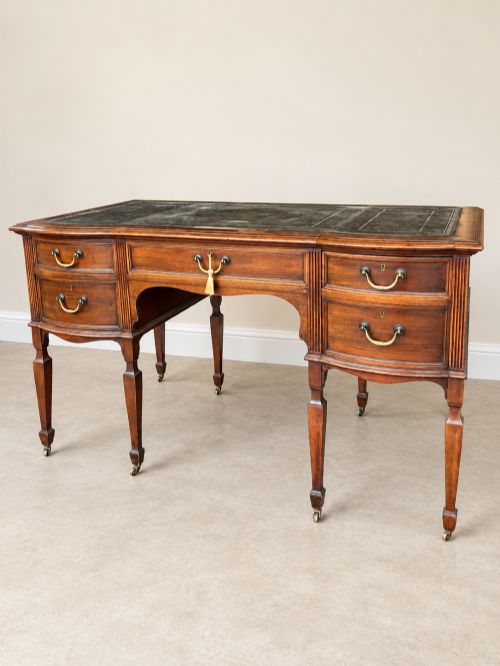
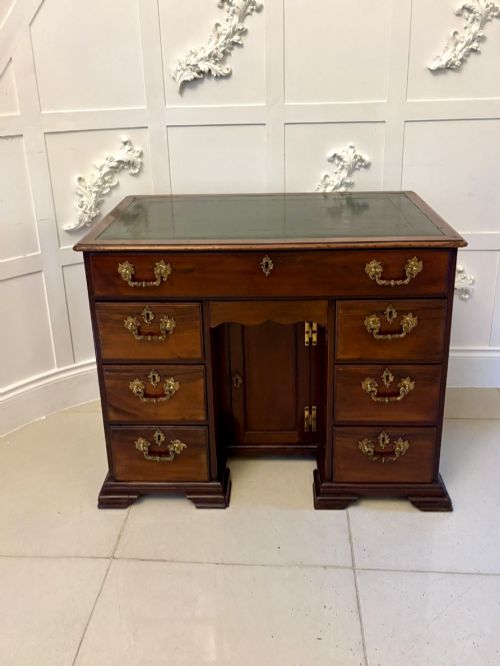
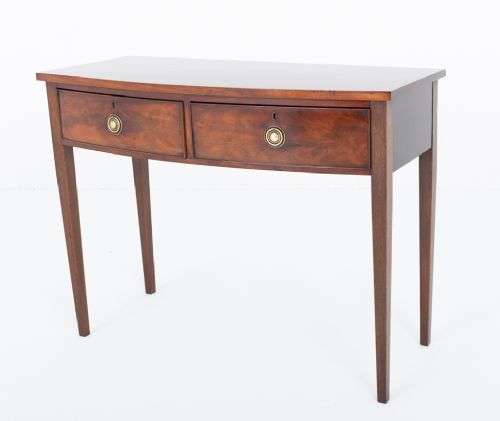
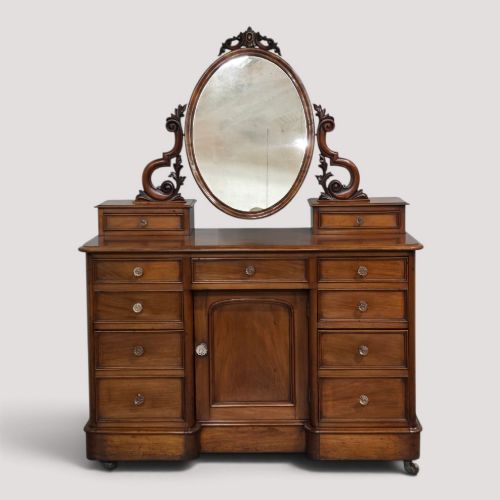
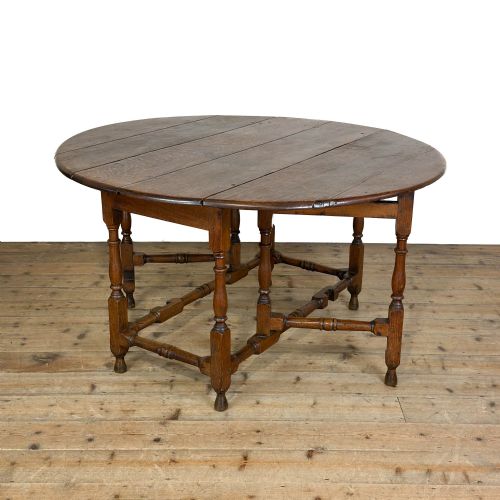
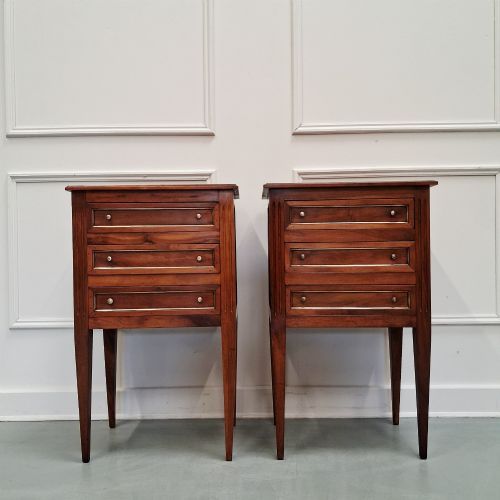
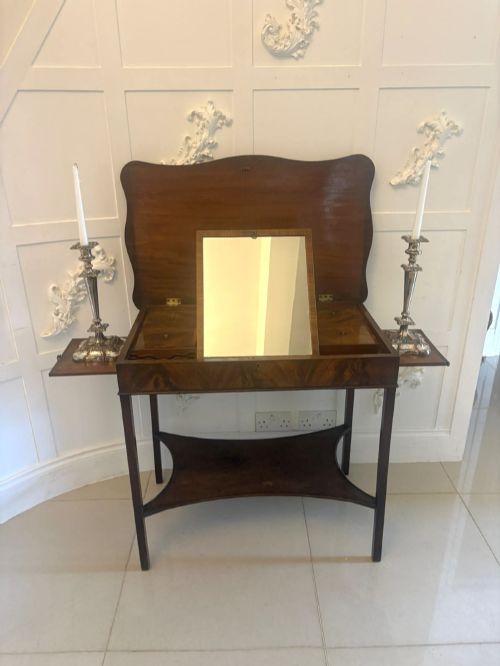
A vintage brown table appears in many forms across this selection, from substantial dining tables and refectories to smaller side tables, desks, and occasional pieces. Buyers searching this phrase encounter formats designed for daily utility, including nests of tables, dressing tables, and bedside cabinets.
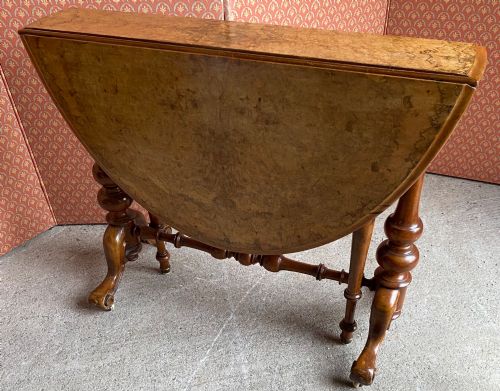
The materials and styles span periods such as the Victorian era, Edwardian period, and the nineteen-twenties, incorporating influences like Georgian design, Arts and Crafts, and Art Deco. Oak and mahogany dominate the selection, frequently joined by walnut, burr walnut, and rosewood.
Smaller occasional tables and side tables surface often, alongside larger extending dining tables and writing desks. These pieces originate from diverse workshops, reflecting regional preferences in turning, inlay, and structural joinery.
Materials and construction
Cabinet makers utilised solid timbers alongside veneered surfaces, pairing structural woods like oak and mahogany with decorative veneers such as burr walnut and satinwood. Inlaid detailing, marquetry, and parquetry frequently embellish tabletops and drawer fronts.
Joinery techniques include turned legs, stretchers, cabriole legs with carved knees, and tapering supports. Tables designed for extension often incorporate winding mechanisms and castors, while smaller items rely on pegged or dowelled joints.
Listings feature pieces spanning the nineteenth century through the nineteen-thirties, constructed predominantly in oak, mahogany, and walnut.
Quality and execution
The distinction between tiers rests on timber selection and the precision of decorative work. Finer examples display carefully matched grain patterns in burr walnut or mahogany, alongside crisp marquetry and deliberate inlay.
Structural integrity and the retention of original surface patination elevate a piece. Superior construction shows in the execution of turned components, tight joinery, and the careful pairing of secondary woods.
W. Walker and Sons London·W & H
The Vintage Brown Table Glossary
- Refectory table
- A long dining table traditionally utilised for communal meals. These substantial forms often feature robust stretchers and thick plank tops.
- Marquetry
- The art of creating decorative patterns on wood surfaces using thin veneers of various timbers. Craftsmen cut and fit these pieces together to form geometric or floral designs.
- Cabriole leg
- A furniture leg that curves outward and then tapers inward, finishing in a pad or foot. This form draws inspiration from animal limbs.
- Parquetry
- A geometric mosaic of wood pieces used for floor or tabletop surfaces. It differs from marquetry by relying on angular, repeating patterns.
- Extension leaf
- A removable board inserted into a table mechanism to increase surface length. These allow dining tables to accommodate varying numbers of guests.
Vintage Brown Table: Frequently Asked Questions
How do I date a brown table?
Dating relies on examining the timber species, construction methods, and prevailing style influences present in the piece. Secondary woods and hardware also offer chronological clues.
Comparing leg profiles, joinery marks, and edge profiles against known period styles helps narrow the manufacturing decade.
Are oak and mahogany tables durable?
Hardwoods like oak and mahogany possess natural strength suited to daily domestic demands. Tables built from these timbers withstand regular use when maintained properly.
Joint construction and timber thickness dictate how well a specific table handles weight and movement over generations.
What is an occasional table?
An occasional table is a small, portable piece designed for specific, intermittent tasks rather than constant central use. Examples include lamp tables, plant stands, and small side pieces.
Their compact scale allowed placement beside seating or in corners where a full-sized desk or dining table proved impractical.
How do I care for wood surfaces?
Maintaining vintage wood involves keeping surfaces clean and protecting them from excessive moisture and direct sunlight. Periodic application of appropriate wax feeds the timber.
Avoiding synthetic cleaners preserves the original polish and prevents degradation of the underlying patina.