

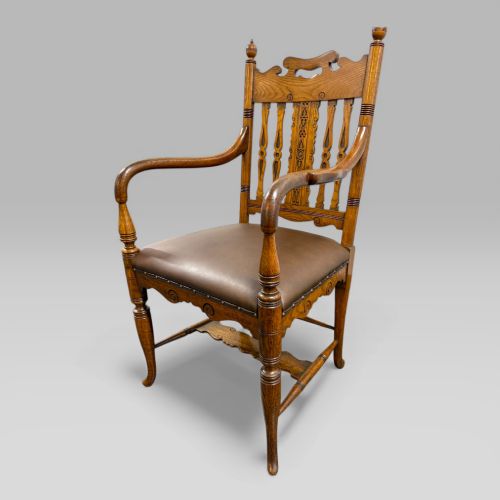
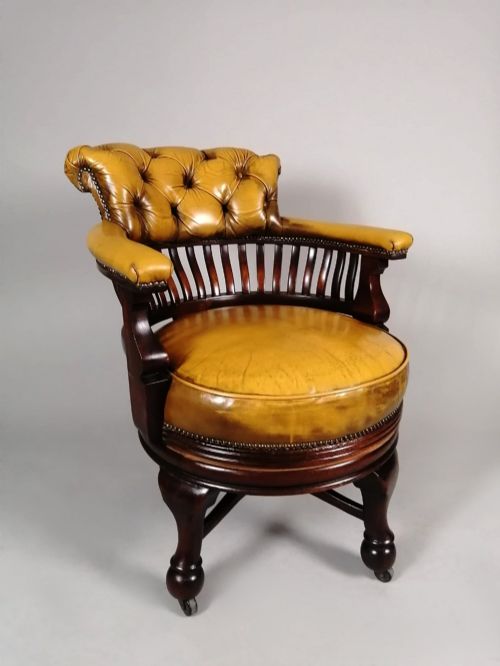
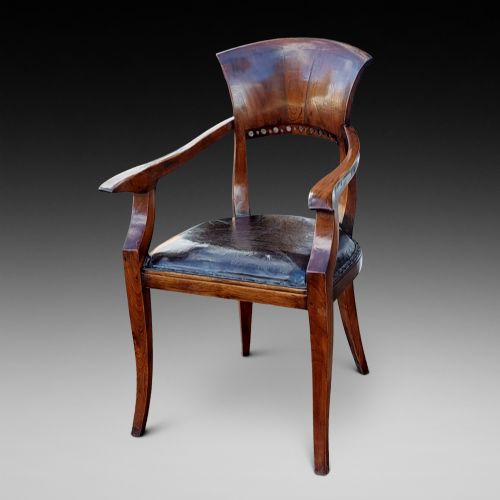
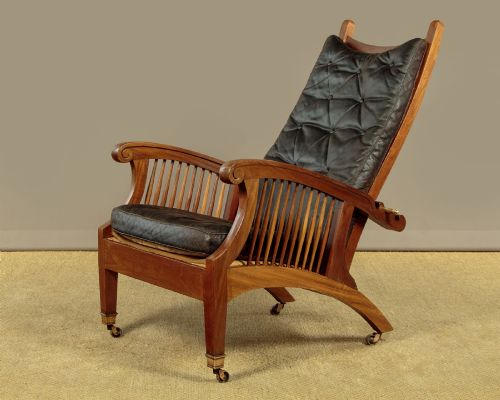
Vintage Brown Leather Chair
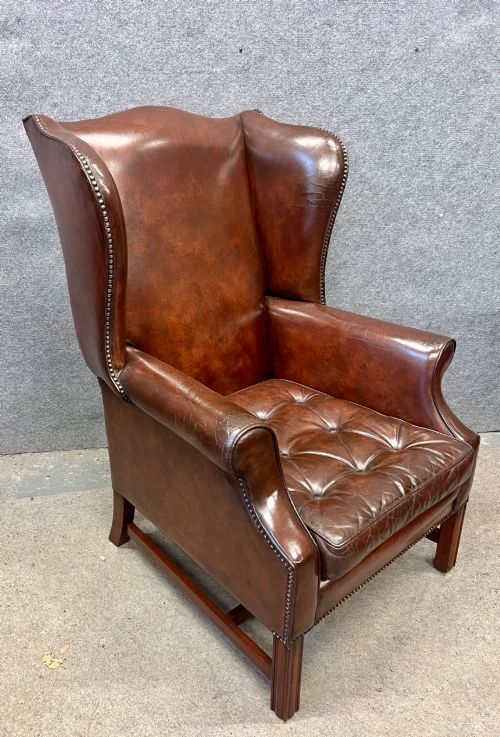
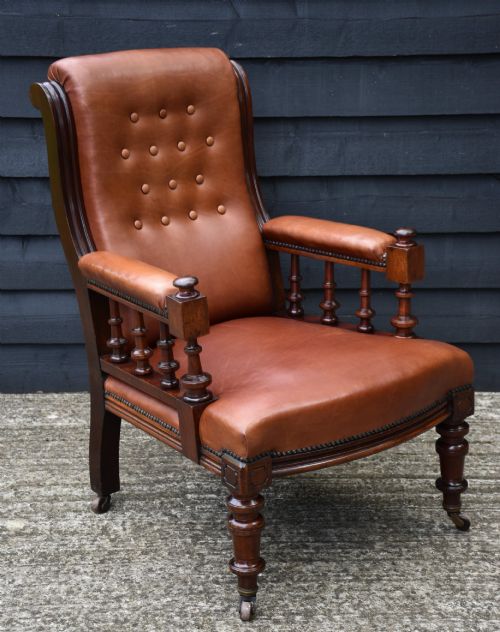
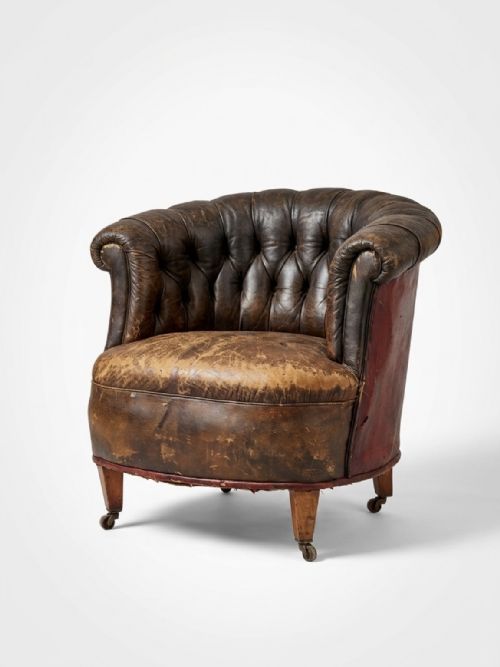
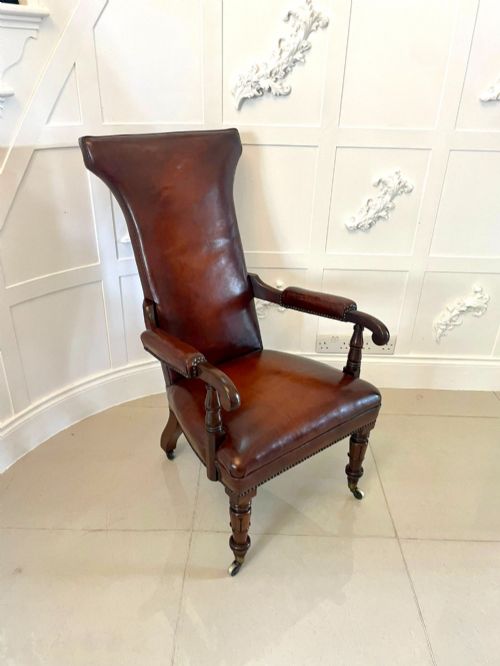
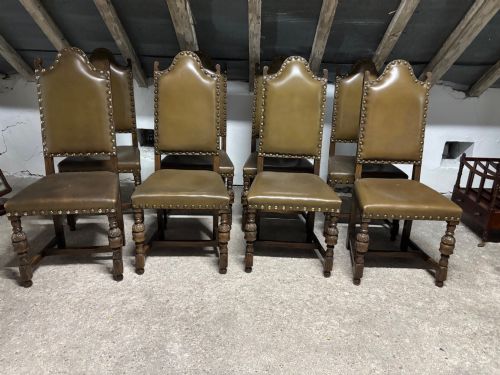
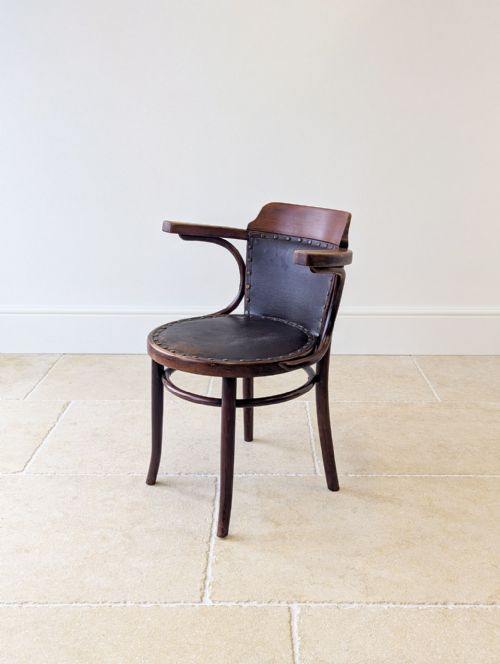
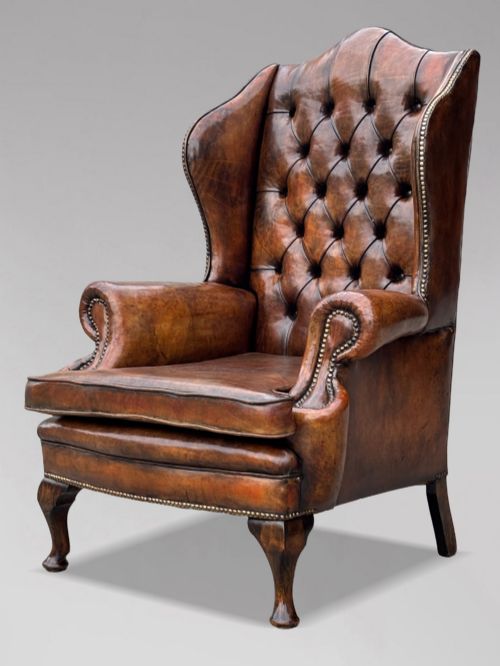
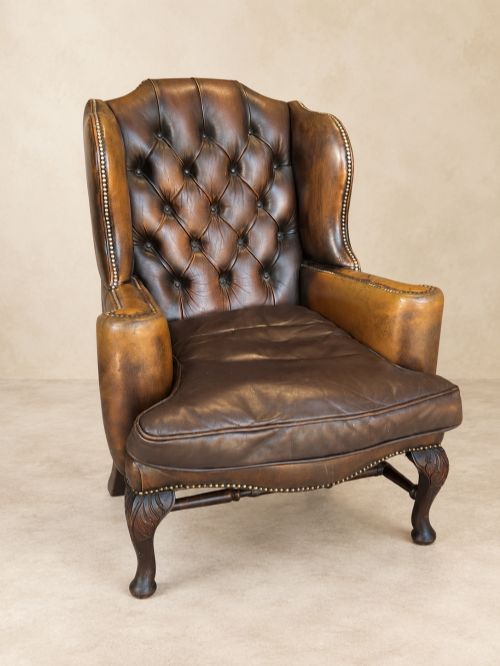
A vintage brown leather chair brings rich texture and practical comfort to a room, spanning grand library armchairs to low club seats.
Vintage Brown Leather Chair
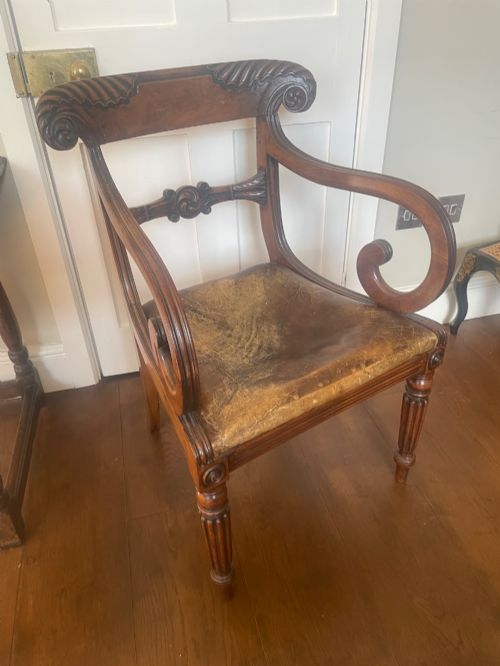
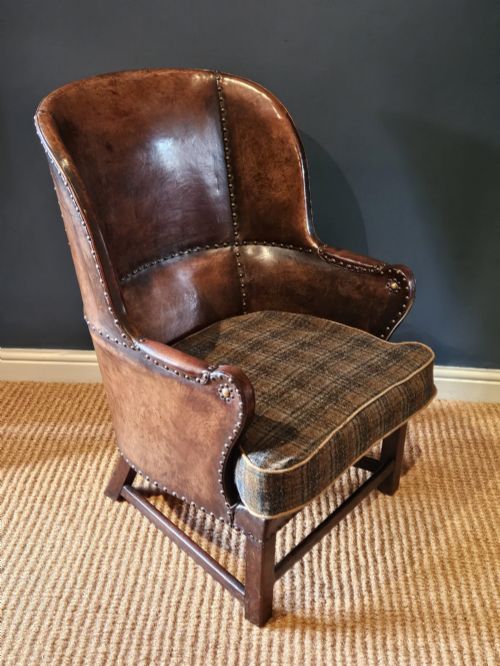
A vintage brown leather chair encompasses a diverse range of seating, from heavy library armchairs and swivel desk chairs to low-slung club chairs. When searching for a vintage brown leather chair, you encounter forms that span the Victorian and Edwardian eras, through to Art Deco designs of the 1930s.
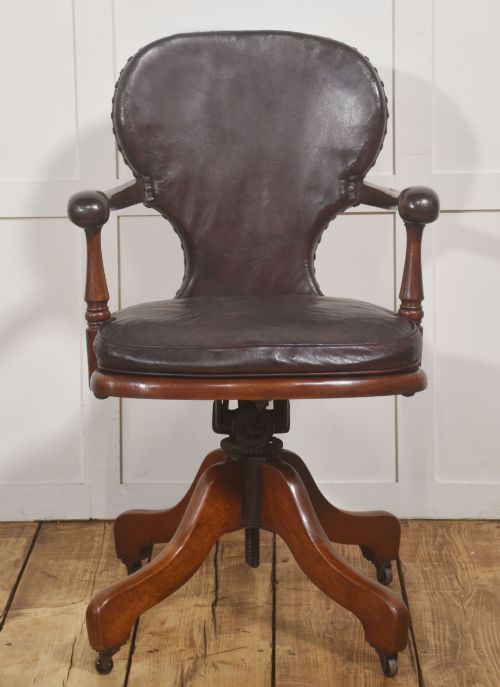
The materials and frames vary significantly across these periods, pairing sturdy oak, mahogany, elm, or walnut with patinated hide. Library and desk iterations frequently incorporate swivelling mechanisms, adjustable heights, or brass castors, while club chairs prioritise deep, sprung seating.
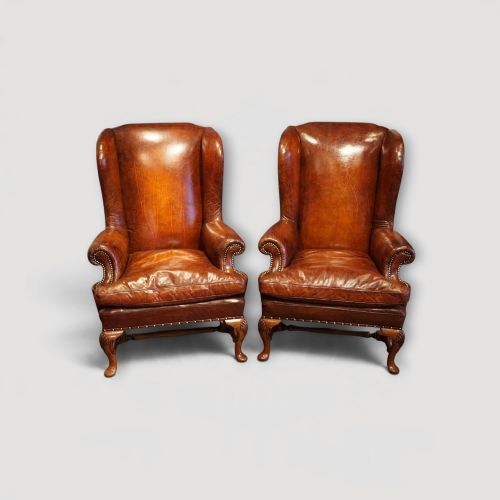
Many examples hail from English workshops or French ateliers, displaying regional traits such as buttoned upholstery, exposed wooden frames, or hand-dyed hides. Buyers meet both substantial single armchairs intended for fireside reading and matching pairs suited for a study or drawing room.
Materials and Construction
Makers built the structural frames of these seats using dense hardwoods including mahogany, oak, walnut, and elm, often joining them with traditional dowels and mortise techniques. These robust timbers supported daily use in offices, libraries, and country houses.
Upholsterers stretched natural hides over horsehair stuffing and coil springs, securing the leather with individual brass tacks or deep buttoning. Timber components such as armrests and legs received carved or polished finishes to highlight the natural grain of the wood.
Vintage Brown Leather Chair Retail Price Guide 2026
Typical asking prices for vintage brown leather chair among the pieces listed under this phrase on Sellingantiques today, from the lower quarter to the upper quarter. They describe what is for sale here now, not the wider market.
Early desk chairs often feature hidden swivel screws that squeak in a reassuringly industrious manner after a century of service.
Assessing Craftsmanship and Condition
The distinction between standard commercial production and finer work lies in the depth of timber carving, the choice of secondary woods, and the weight of the frame. Pieces attributed to notable makers or specific design schools display crisper joinery and more harmonious proportions.
The grade of the leather and the integrity of the underlying webbing and springs dictate the longevity of the seat. Patination achieved through decades of use adds character, whereas replacement upholstery or altered frames shift a piece away from its original state.
Gillows·Bruce James Talbert·Philip Webb·Thonet·Harry and Lou Epstein
The Vintage Brown Leather Chair Glossary
- Button-back
- A style of upholstery where depressions are formed in the padding by pulling buttons deep into the stuffing, creating a distinctive geometric diamond pattern across the leather surface.
- Club chair
- A deep, comfortable armchair featuring a low back and thick upholstered arms, originating in France during the early twentieth century.
- Library armchair
- A sturdy, capacious seat designed for prolonged reading, frequently featuring padded armrests and a substantial mahogany or oak frame.
- Rise and fall swivel
- A mechanical desk chair feature allowing the seat height to be adjusted and the upper portion to rotate freely on a central metal spindle.
- Wingback
- An armchair featuring protective side panels attached to the backrest, originally designed to shield the occupant from drafts.
- Caning
- A woven lattice technique utilising split rattan or cane strips, often applied to the backrests or seats of lighter Edwardian chairs.
Vintage Brown Leather Chair: Frequently Asked Questions
Are swivel desk chairs sturdy?
Nineteenth and early twentieth-century swivel chairs utilised robust iron and brass mechanisms paired with heavy timber bases. These systems were built to withstand daily office or library use.
While the moving parts require occasional checking, the underlying mechanical engineering is typically durable and reliable.
How should I care for vintage leather?
Vintage leather benefits from gentle cleaning and occasional conditioning to maintain its flexibility and prevent drying out. Avoiding direct sunlight and intense heat sources protects the hide from fading or cracking.
Natural patination is part of the character of older leather, so aggressive restoration is generally discouraged.
Can I use a library chair at a modern desk?
Many vintage library and desk chairs were manufactured before modern ergonomic standards were established. Seat heights and back angles vary significantly across the nineteenth and early twentieth centuries.
Checking the specific dimensions of the chair against your desk height ensures a comfortable fit for daily working.