
Vintage Bronze Desk Figurine
A vintage bronze desk figurine brings weight and character to any workspace, offering small-scale sculpture modelled with remarkable detail.
Vintage Bronze Desk Figurine
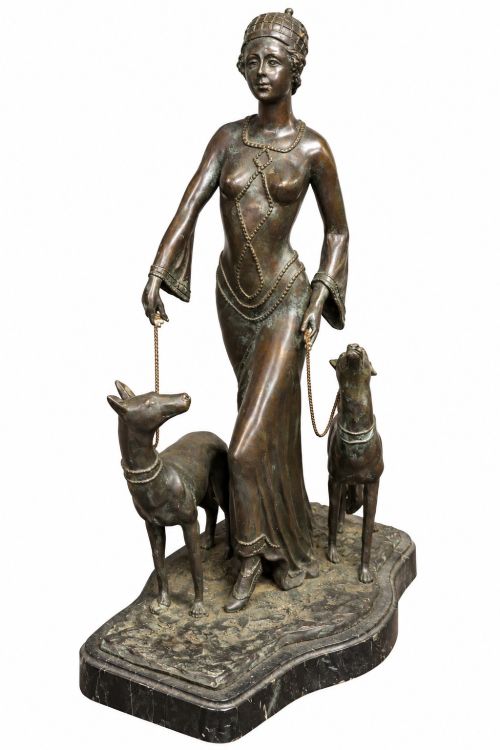
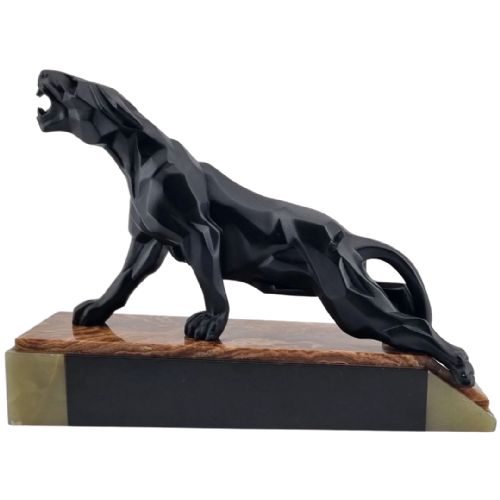
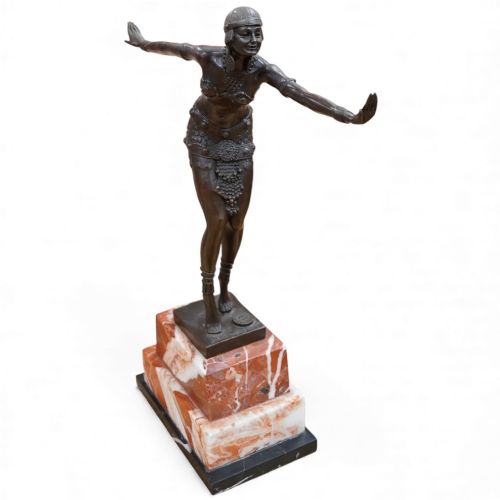
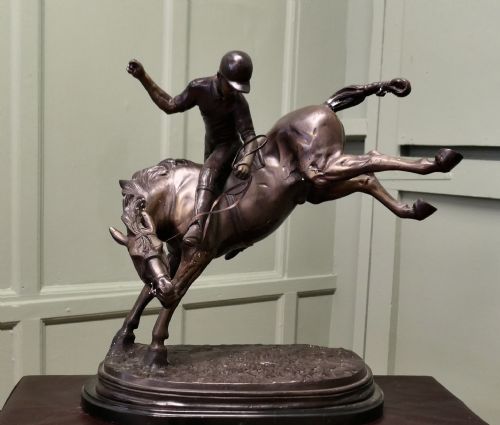
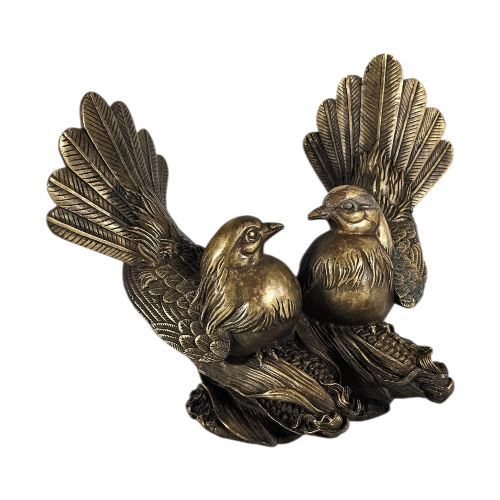
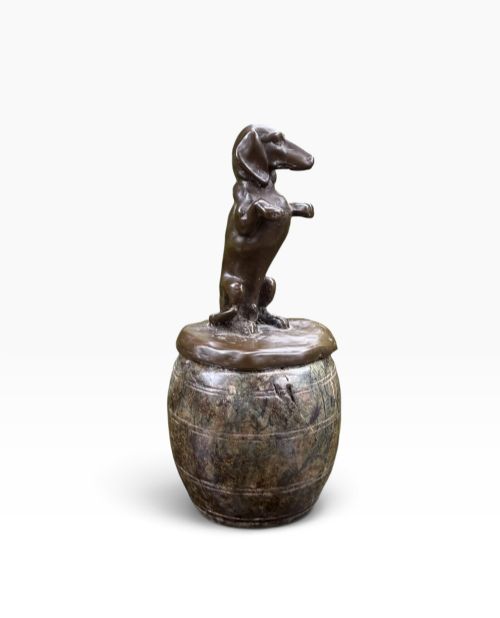
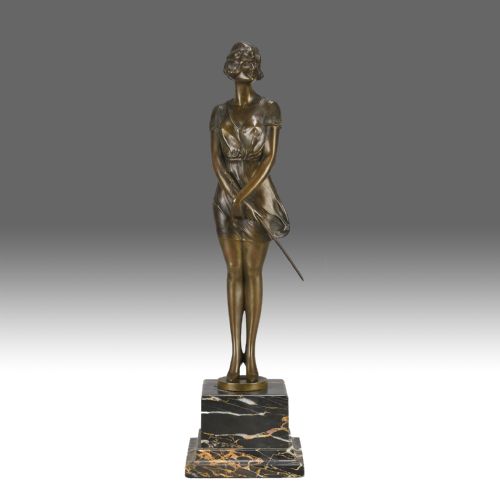
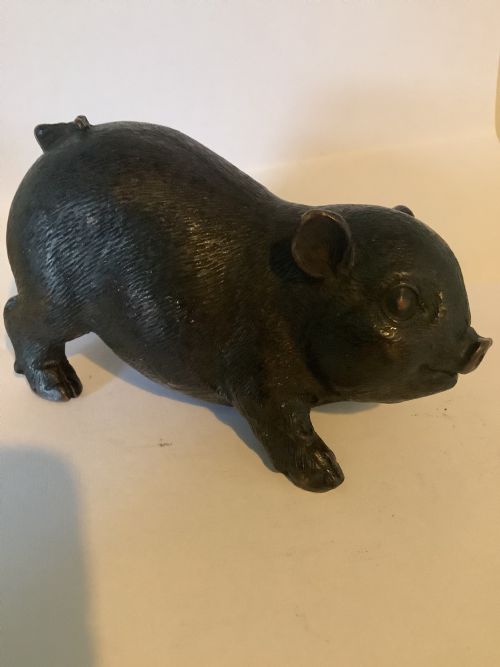
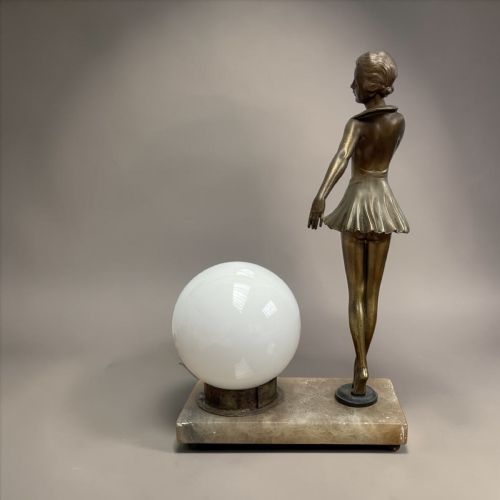
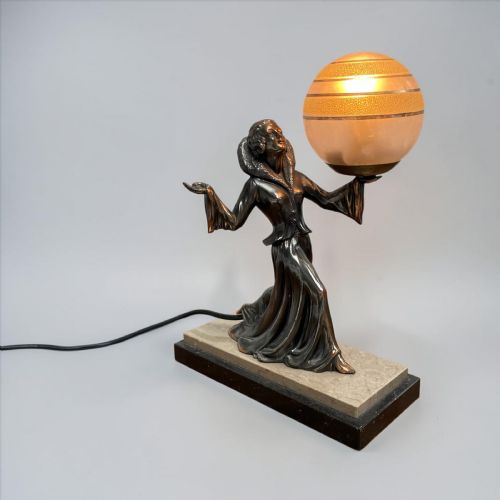
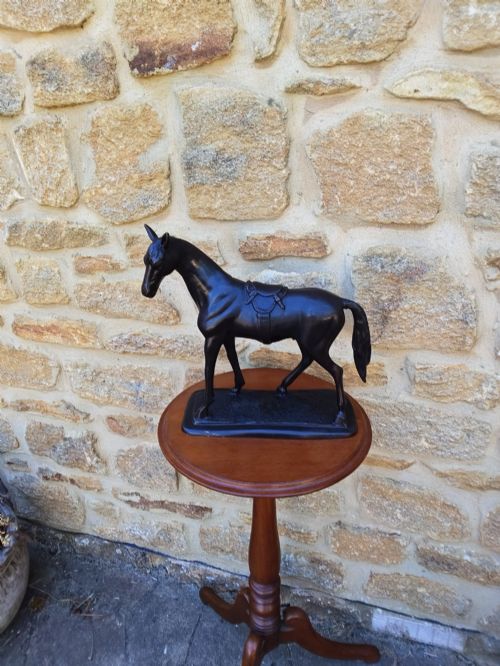
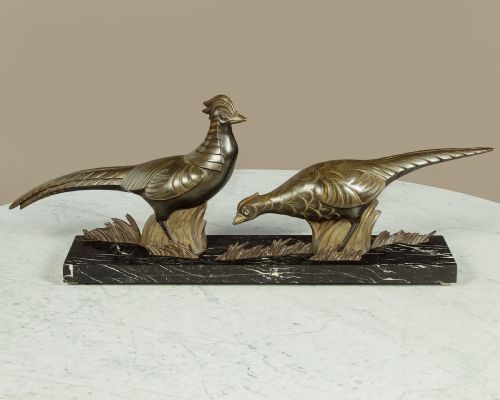
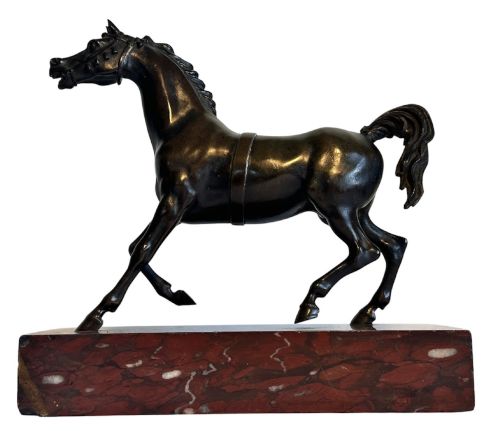
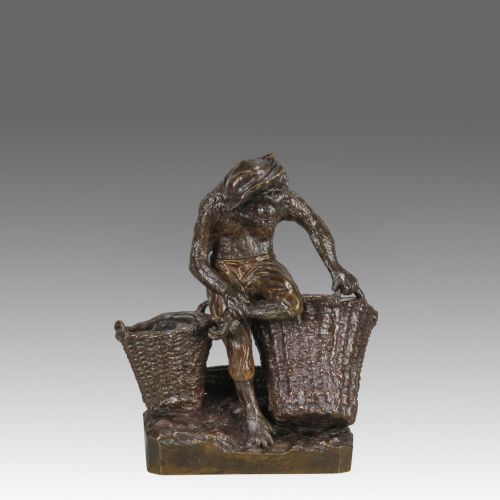
When you search for a vintage bronze desk figurine, you encounter small sculptures, animal studies, and practical desk accessories designed to sit upon writing tables and ledges. These pieces range from Victorian animalier subjects to stylised Art Deco figures of dancers and athletes.
The selections span the nineteenth century through the early twentieth century, incorporating periods like the 1920s and 1930s. Common forms include miniature sculptures, bookends, paperweights, and small lamp bases.
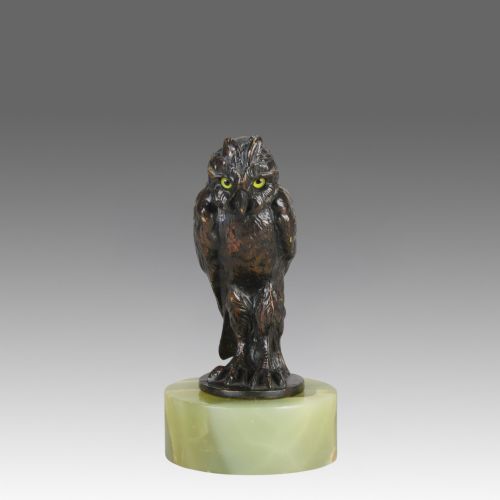
Originating largely from British, French, and Austrian workshops, these objects utilise heavy metals mounted on solid stone bases such as marble or onyx to anchor them securely on a desk.
How They Were Made
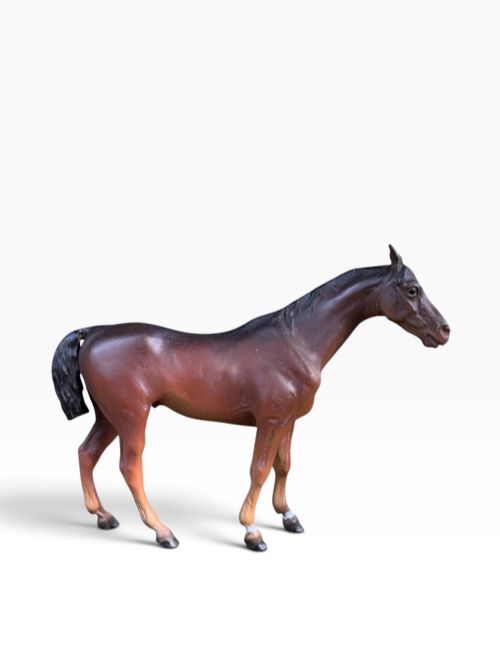
Maker utilise traditional casting techniques to shape the molten metal, often applying patinated or cold-painted finishes directly onto the bronze surface. Austrian pieces frequently employ vibrant cold-painted pigments over a bronze or metal substrate.
Many smaller figures and animal studies are mounted directly onto bases carved from natural marble or green onyx. Some examples combine bronze with materials like glass, brass, paint, and silvered bronze to enhance texture and contrast.
Listings feature periods spanning the Victorian era through the 1930s Art Deco movement, utilising bronze, marble, onyx, and cold-painted finishes.
What Varies in Quality
The quality of the patination and the preservation of any original cold-painted colour dictate the visual depth of the surface. Furthermore, the selection and polish of the supporting marble or onyx plinth contribute to the overall physical presence of the object.
Bruno Zach·Christophe Fratin·Antoine Louis Barye·Franz Bergman·H. Chiparus·Josef Lorenzl
The Vintage Bronze Desk Figurine Glossary
- Animalier
- A nineteenth-century artistic movement dedicated to the realistic depiction of animals, particularly predators, horses, and dogs in motion. These pieces capture creatures with anatomical precision.
- Cold-painted bronze
- A technique where paint is applied to a cold bronze casting rather than fired in a kiln. This method allows for intricate polychrome finishes common in Austrian works.
- Patination
- The chemical or natural colouring applied to the surface of the bronze over time. It creates protective layers and distinct brown, green, or dark tones.
- Vienna bronze
- Small, highly detailed bronze figures produced in Austrian foundries during the late nineteenth and early twentieth centuries. They are frequently cold-painted and depict animals or human figures.
- Spelter
- An alloy of zinc and other metals often used as a cheaper alternative to bronze. It frequently receives a bronze-finish patina to mimic solid cast metal.
Vintage Bronze Desk Figurine: Frequently Asked Questions
What is a cold-painted bronze?
Cold-painted bronze refers to metal sculptures that have been painted by hand with oil or enamel paints after the casting process is complete, rather than undergoing high-temperature firing.
This technique allows for vivid multi-coloured details, which are especially prevalent in Austrian animal and human figurines from the early twentieth century.
How do I care for my bronze?
Maintain your piece by dusting it gently with a soft, dry brush to prevent dirt accumulation in recessed details. Avoid using liquid polishes or chemical cleaners, which can strip the original patina.
Are these figures solid bronze?
Many listings feature solid cast bronze, while others utilise patinated metal, spelter with a bronze finish, or mounted elements combined with stone bases like marble and onyx. Reviewing the material details in each description clarifies the composition.
Some smaller desk accessories also incorporate weighted interiors or sit upon heavy stone plinths to serve practical functions such as paperweights or bookends.
How do I distinguish Art Deco pieces?
Art Deco pieces typically display stylised geometries, sleek aerodynamic lines, and depictions of dancers, athletes, or streamlined animals dating from the 1920s and 1930s. They often stand on contrasting marble or onyx bases.
These designs reflect the modern industrial aesthetics and dynamic movement popularised during the interwar period.