

Early 20th Century Bronze Figure
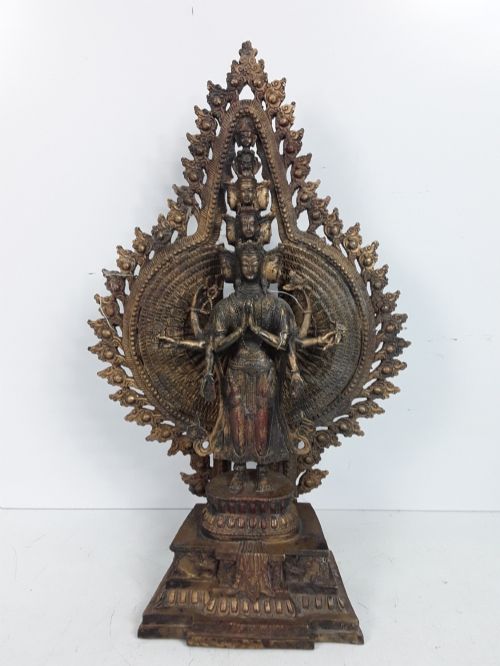
An early 20th century bronze figure captures the movement, form and decorative ambition of European and international studios through metalwork.
Early 20th Century Bronze Figure
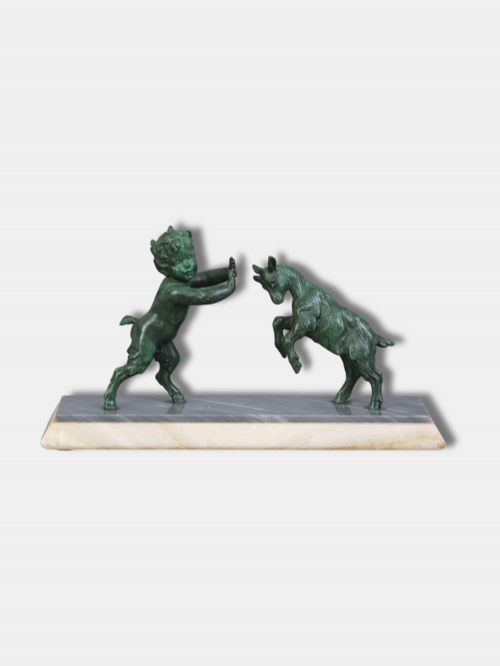
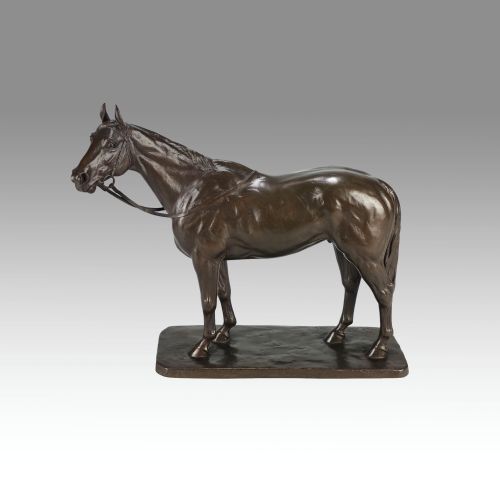
An early 20th century bronze figure encompasses varied sculptural works spanning dancers, animals, mythological subjects and portrait busts. Buyers seek these pieces for their distinct decorative presence and period craftsmanship.
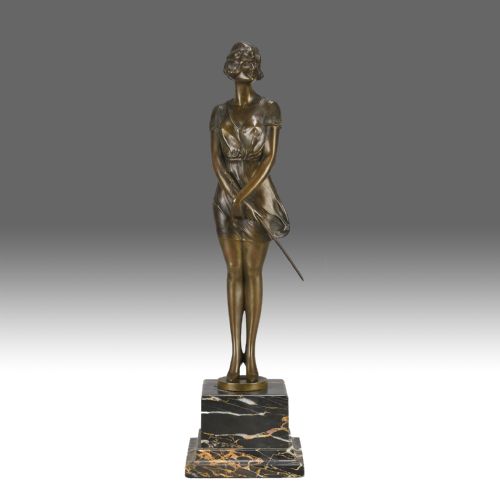
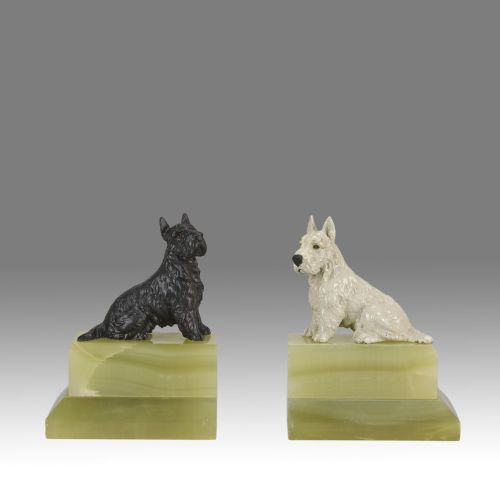
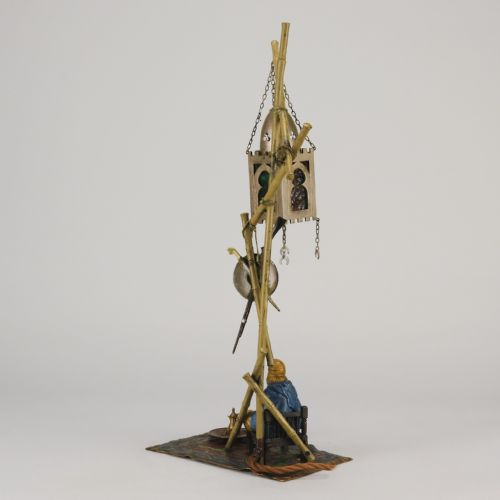
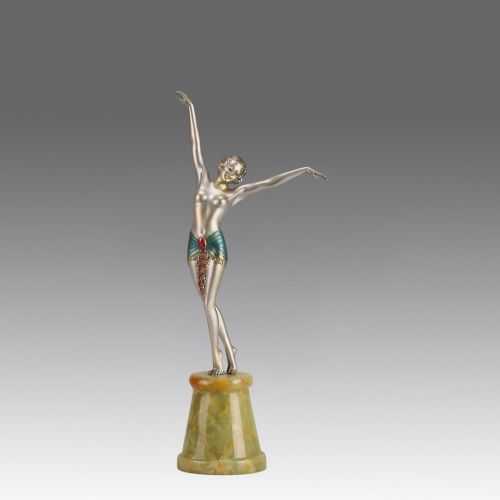
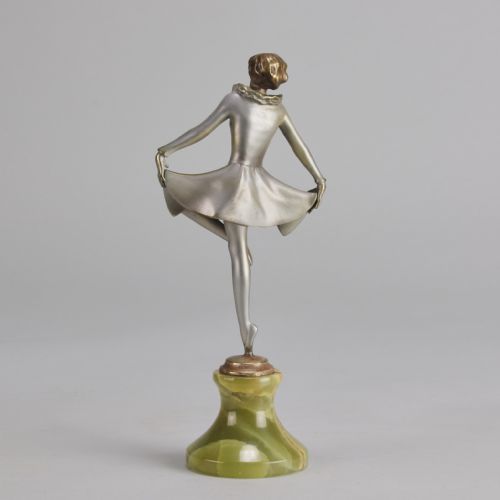
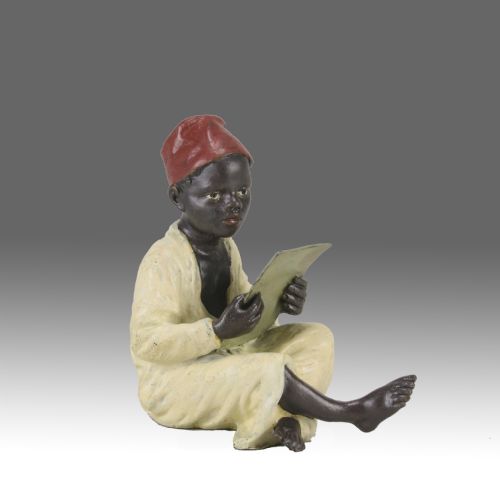
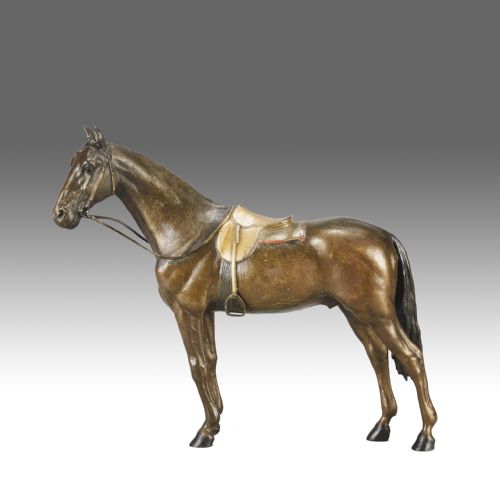
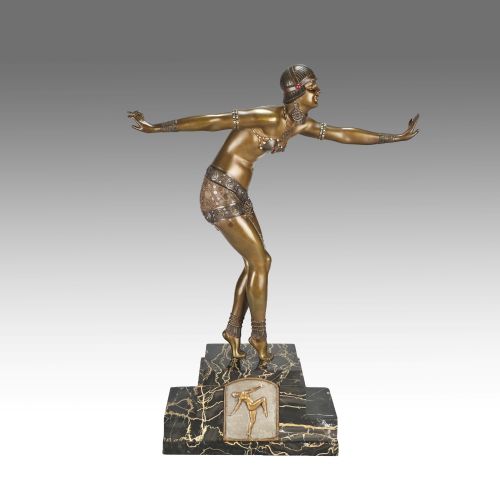
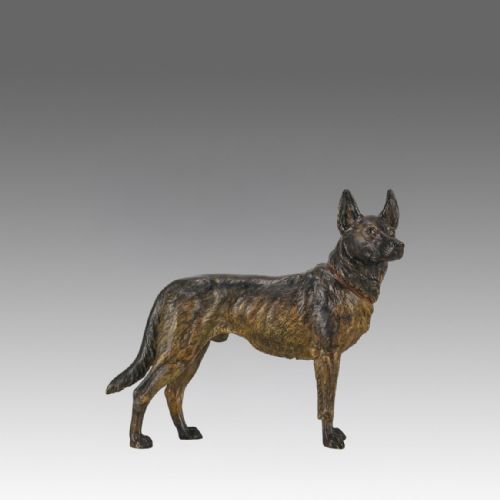
The selections recorded here lean heavily toward Art Deco dancer studies, Vienna bronze animals and Orientalist subjects. These formats dominate the offerings across the period.
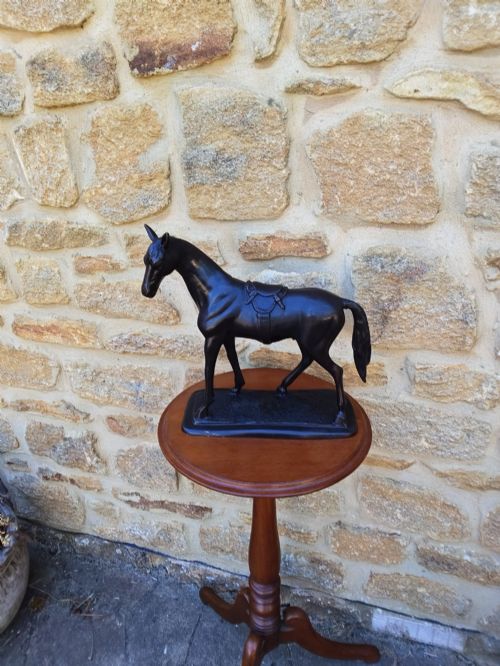
Originating from European foundries and international makers, these sculptures range from grand animalier studies to intimate cabinet figures.
How they were made
Foundries utilised the lost-wax casting method to render intricate details in bronze, followed by hand-chasing to refine surfaces. Many pieces incorporate cold-painted finishes where enamel colours are applied to the unheated metal.
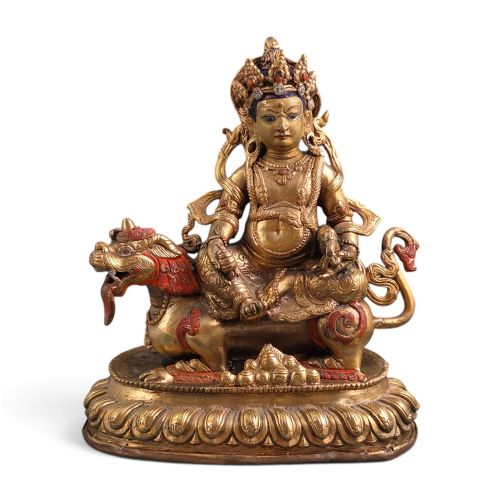
Gilt bronze variants display applied gold leaf or mercury gilding to achieve lustrous metallic surfaces. Subsidiary materials such as marble and onyx frequently serve as heavy bases for stability.
Certain works combine cast bronze with painted elements or enamel highlights to define costume and texture.
Listings feature works in bronze, marble, onyx and enamel, spanning Vienna bronze, Art Deco and Orientalist styles.
What varies in quality
The crispness of the casting separation and the precision of the surface chasing define the upper tiers of production. Master founders preserved minute anatomical details and facial expressions during the metal cooling process.
Paint preservation on cold-painted items dictates collectible status, where undisturbed original pigments outrank modern touch-ups. The integration of stone bases, such as carved marble or onyx plinths, also indicates workshop hierarchy.
Bruno Zach·Franz Bergman·Pierre le Faguays·Ferdinand Preiss·Josef Lorenzl·Kunio Itô·Demetre Chiparus·Henri Godet
The Early 20th Century Bronze Figure Glossary
- Cold-Painted Bronze
- A technique where oil paints are applied to a cold bronze casting without firing. This method was notably perfected by Viennese foundries to produce brightly coloured figures.
- Animalier
- A style dedicated to the realistic portrayal of animals in action or repose. These sculptures focus on natural anatomy and movement.
- Vienna Bronze
- Small, highly detailed bronze sculptures produced in Austrian workshops during the late 19th and early 20th centuries. They are frequently associated with cold-painted animal and human figures.
- Grand Tour
- Sculptures or models acquired by travellers visiting classical European sites as mementos. These pieces often replicate renowned antiquities.
- Gilt Bronze
- Metalwork coated with a layer of gold through amalgamation or leaf application. This treatment adds a durable, bright finish to sculptural details.
Early 20th Century Bronze Figure: Frequently Asked Questions
What is a cold-painted bronze figure?
Cold-painted bronzes are metal sculptures decorated with oil paint applied directly to the finished casting without subsequent heat firing. This technique allowed workshops to introduce vibrant polychrome detail to clothing, feathers and animal coats.
Collectors prize examples where this original pigment remains largely intact across the surface. The method was widely adopted by Viennese foundries for small decorative subjects.
How do I identify an Art Deco bronze?
Art Deco bronzes from this era typically feature streamlined figures, stylised drapery and dynamic poses associated with dancers and modern athletes. These works often stand upon geometric bases made from contrasting materials like marble or onyx.
The aesthetic emphasises clean lines and motion rather than classical academic repose. Signatures of period modellers frequently appear incised into the base.
Are these bronzes solid cast?
Many sculptures from this period utilise hollow casting methods to conserve metal and reduce weight while maintaining structural integrity. Larger figures employ the lost-wax process, which permits complex undercuts and fine surface textures.
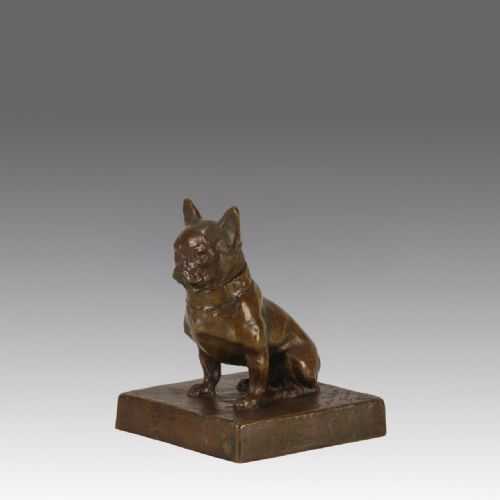
Heavier elements are often concentrated in the integral base or plinth to ensure the piece balances correctly. Solid casting is more typical of smaller cabinet items and animalier studies.
How should I clean my bronze figure?
Maintenance requires only gentle dusting with a soft, dry cloth to prevent particulate accumulation on the metal or painted surfaces. Liquid cleaners, abrasives and chemical polishes should be avoided as they strip patination and original cold paint.
Stable indoor humidity helps preserve both the bronze patina and any mounted stone bases. Periodic inspection ensures the figure remains secure on its plinth.