




Vintage Bronze Bowl
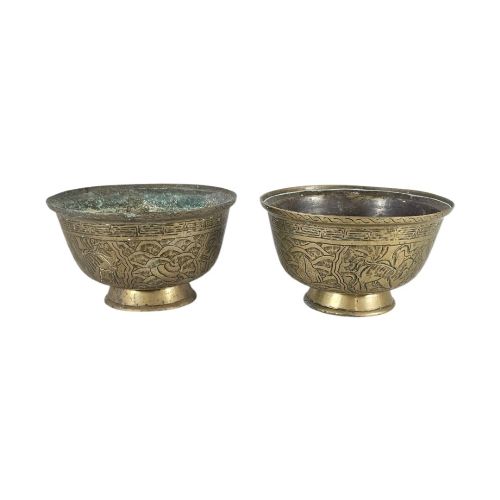
A vintage bronze bowl brings tactile weight and dark, patinated metal into a room, offering both decorative presence and historical utility.
Vintage Bronze Bowl
When you search for a vintage bronze bowl, you encounter a diverse range of metalwork spanning multiple centuries and global origins. These pieces encompass everything from heavy utilitarian apothecary vessels to delicate decorative centrepieces designed for display.
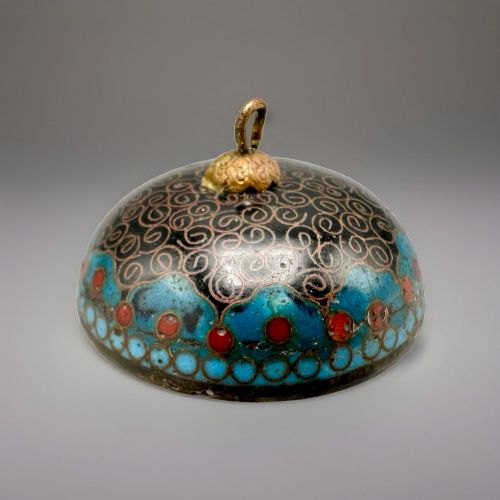
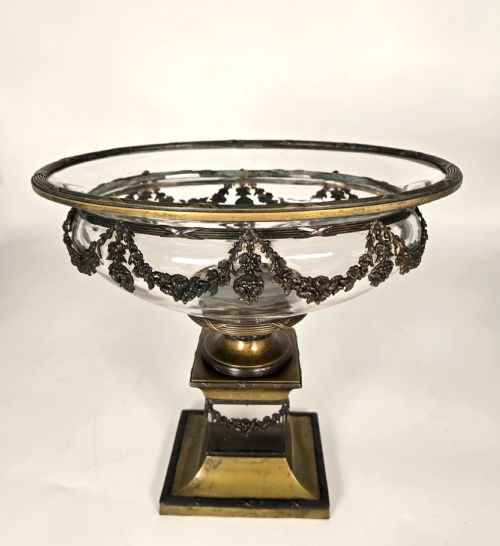
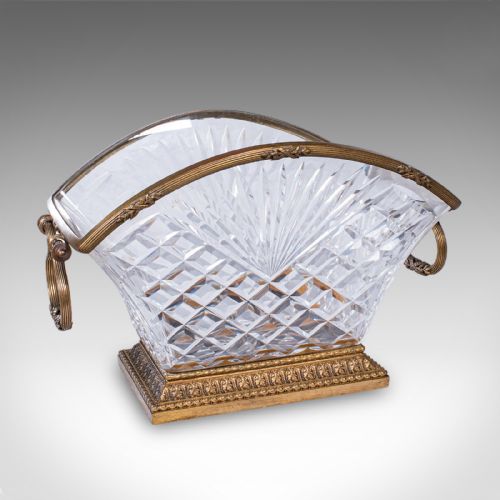
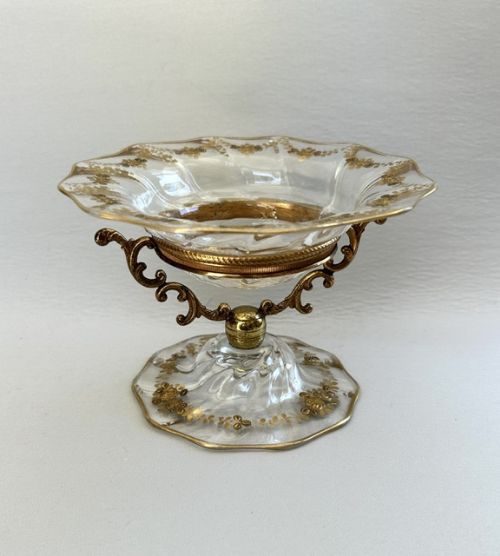
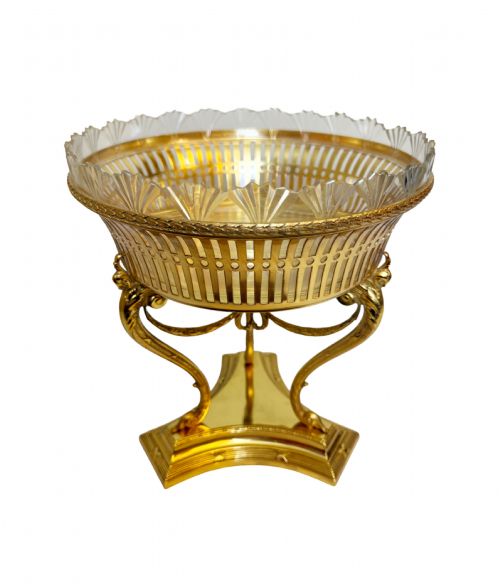
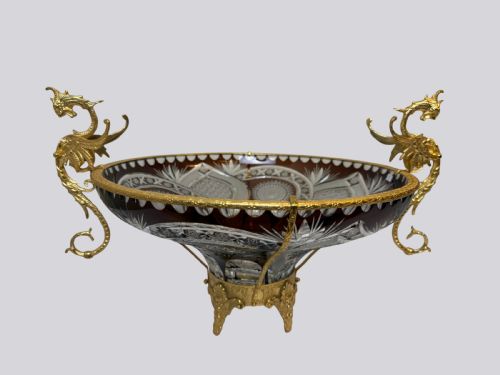
The selections on this page bridge domestic utility and ornamental design, featuring items like Chinese lidded vessels, French pedestal bowls with glass inserts, and Japanese cloisonne planters. Many examples integrate mixed media, combining cast metal with cut glass or enamel.
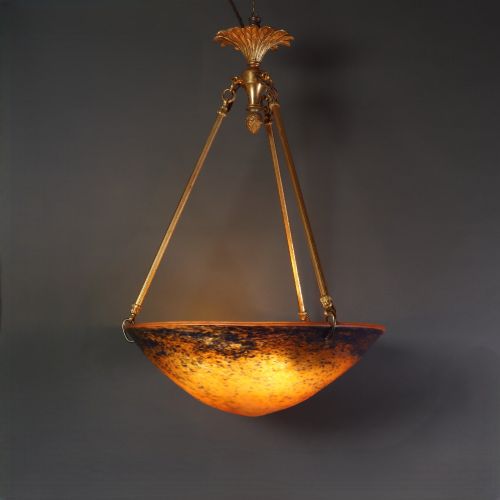
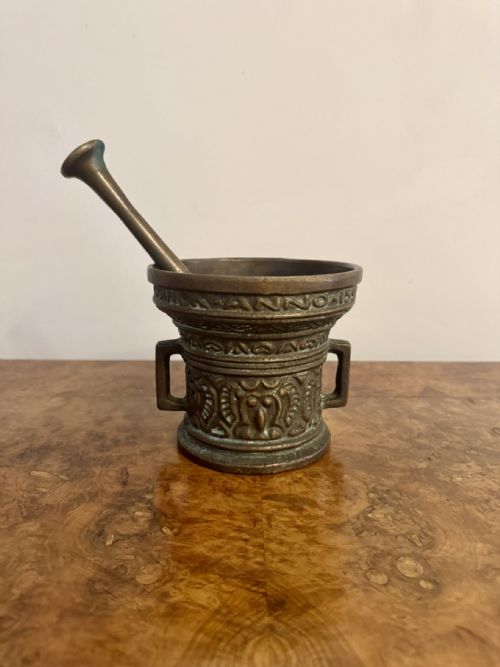
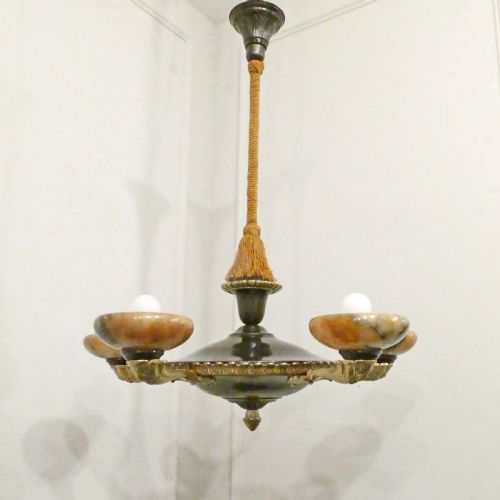
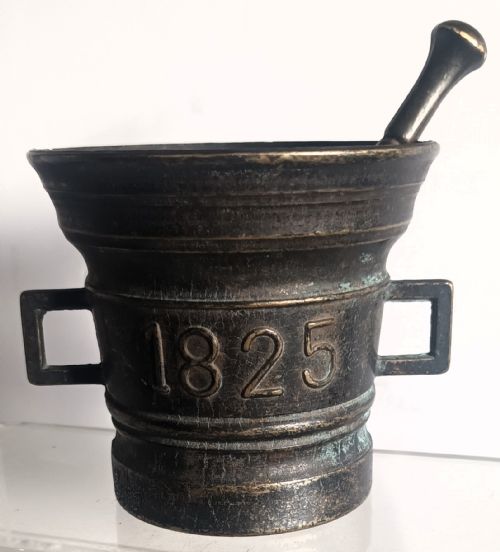
You are likely to meet both small mortar and pestle sets from the English Georgian era and large late nineteenth-century jardiniere bowls originating from Asian workshops. The forms vary from shallow serving dishes to deep ritual censers and hanging light fittings.
How they were made
The creation of these metal vessels relies primarily on traditional casting techniques, producing the substantial weight characteristic of bronze, brass, and ormolu. Artisans poured molten alloy into moulds to achieve thick, durable walls capable of withstanding heavy daily use or supporting elaborate glass inserts.
Surface ornamentation involved intricate handwork, including cloisonne enamel detailing where thin metal wires create cells filled with coloured glass paste. Gilt bronze and fire-gilding methods added a lustrous golden finish to cast metal mounts, while cut glass elements were precisely ground and faceted.
Vintage Bronze Bowl Retail Price Guide 2026
Typical asking prices for vintage bronze bowl among the pieces listed under this phrase on Sellingantiques today, from the lower quarter to the upper quarter. They describe what is for sale here now, not the wider market.
The documented objects range from utilitarian apothecary mortar and pestle sets weighing under a kilogram to massive Japanese jardiniere bowls exceeding two and a half kilograms.
What varies in quality
The standard of a piece depends heavily on the crispness of the casting and the precision of any applied decoration. Finer examples show sharp relief work on birds, lotus motifs, or classical mounts without the softening of details often seen in secondary production runs.
Material integration also dictates excellence, particularly in mixed-media objects that combine bronze with glass, alabaster, or enamel. Superior pieces demonstrate seamless joins and high-grade crystal or coloured glass inserts that fit their metal mounts with exact accuracy.
Charles Schneider·Ferdinand Preiss
The Vintage Bronze Bowl Glossary
- Bronze
- An alloy consisting primarily of copper, typically combined with tin, prized for its strength and dark patination. This metal forms the structural base for the majority of vessels and mortars found here.
- Cloisonne
- A decorative metalwork technique in which wires are soldered to a metal body to create compartments that are filled with enamel. This method appears frequently on Japanese and Chinese vessels from the nineteenth century.
- Ormolu
- A gold-coloured alloy of copper and zinc used to gild bronze mounts and decorative stands. It provides a bright, reflective surface finish popular in French Empire and Victorian designs.
- Censer
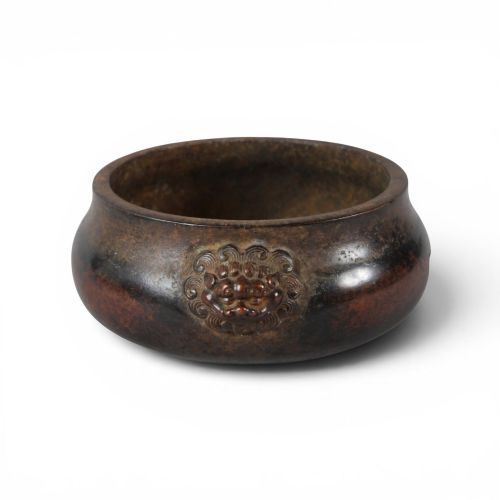
- A vessel intended for burning incense, constructed with thick bronze walls to contain heat. Scholar's examples from earlier centuries often feature substantial weight and tripod bases.
- Jardiniere
- An ornamental pot or bowl designed to hold plants or floral arrangements, frequently cast in bronze or paired with cloisonne enamel. These pieces often feature large proportions and heavy overall mass.
Vintage Bronze Bowl: Frequently Asked Questions
How were bronze mortars used?
These heavy vessels served in kitchens and apothecaries for crushing herbs, spices, and medical compounds with a matching pestle. Their thick bronze walls provided the necessary mass to withstand repeated impact without cracking.
Over centuries of use, the interior surfaces developed distinct wear patterns from grinding ingredients. Today, they survive as robust examples of historical domestic and professional equipment.
What is a French ormolu stand?
An ormolu stand is a gilded metal base designed to elevate and display a glass or ceramic bowl. The technique applies a gold-coloured alloy to bronze, creating an ornate framework of classical motifs.
These stands were favoured in nineteenth-century drawing rooms to enhance decorative centrepieces. They combine transparent cut glass with rich metallic lustre.
How do I identify a Japanese cloisonne bowl?
Japanese cloisonne vessels from the Meiji period or earlier feature intricate wirework designs against a smooth enamel background. Look for motifs of birds, lotus flowers, or traditional landscapes rendered in vibrant coloured glass pastes.
The metal body beneath is typically bronze, giving the piece a surprising heft for its size. These items often include lidded pedestal forms or wide jardiniere shapes.
Where should I place a heavy centrepiece bowl?
A substantial bronze and glass centrepiece requires a sturdy surface such as a dining table or sideboard. Their weight demands stable placement away from table edges.
Positioning them near natural light highlights the reflective quality of cut glass inserts and gilded bronze mounts. They function well as standalone sculptural objects or filled with seasonal displays.