
Vintage Bronze Bird
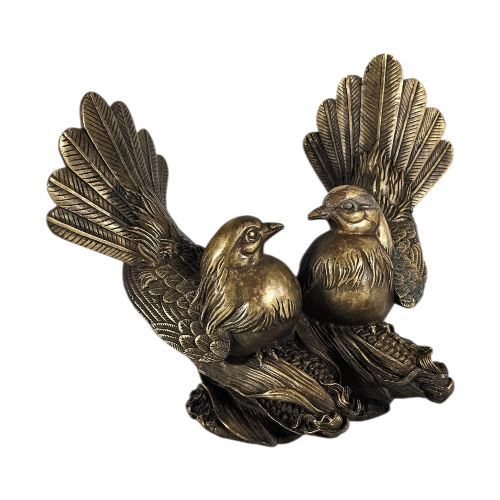
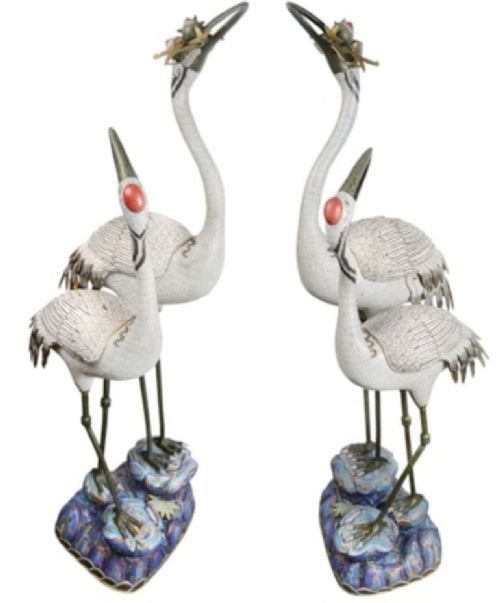
These vintage bronze bird figures bring natural forms into interior spaces, offering solid metal craftsmanship and period character.
Vintage Bronze Bird
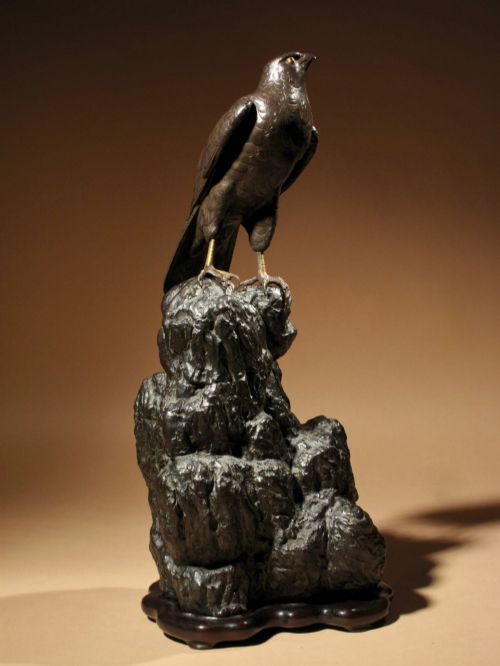
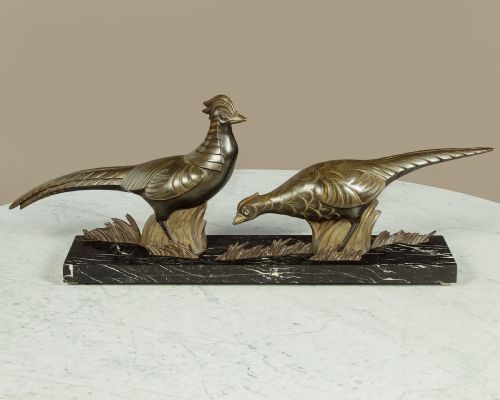
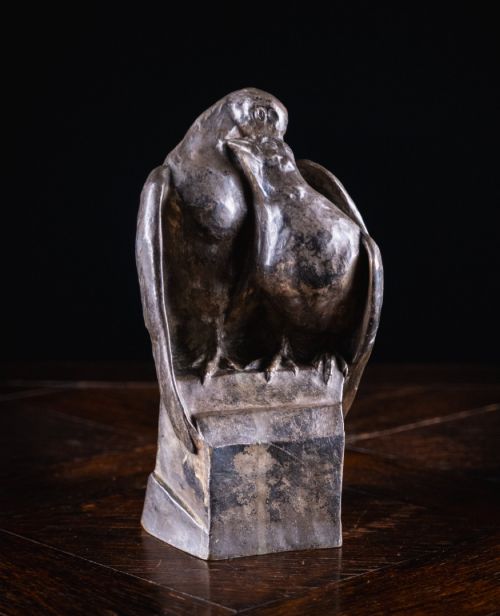
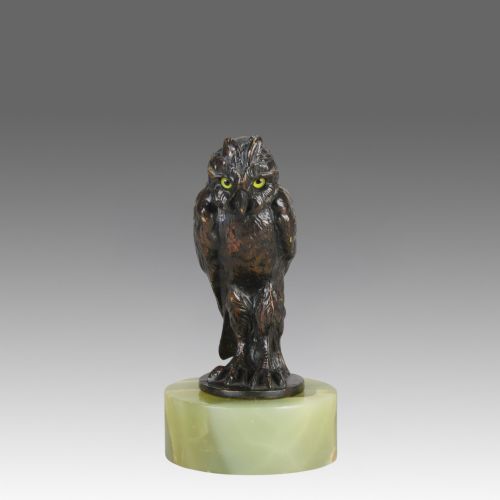
A vintage bronze bird encompasses a variety of sculptural forms, desk accessories, and clocks originating from the nineteenth and twentieth centuries. Buyers search this phrase to find animalier sculptures, cold-painted Vienna bronzes, and Art Deco mantel pieces depicting species ranging from pigeons and pheasants to herons and owls. The versions met most frequently on this page date from the late nineteenth century through to the Art Deco period of the 1930s.
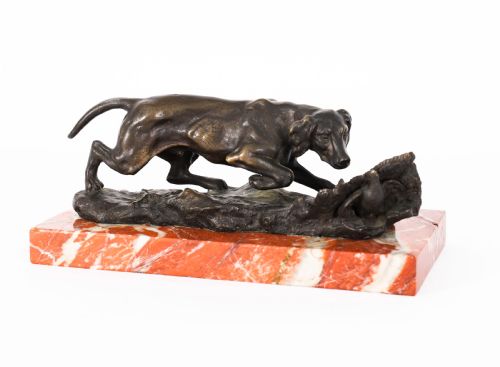
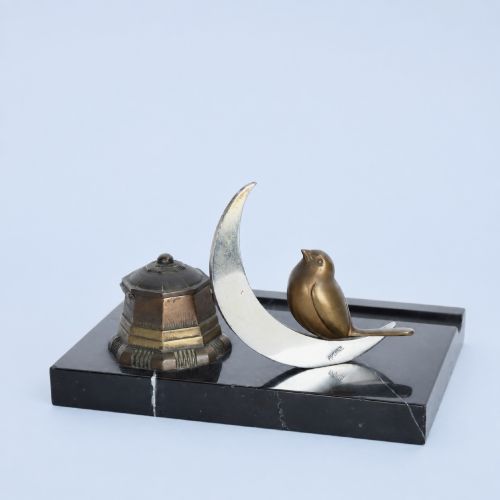
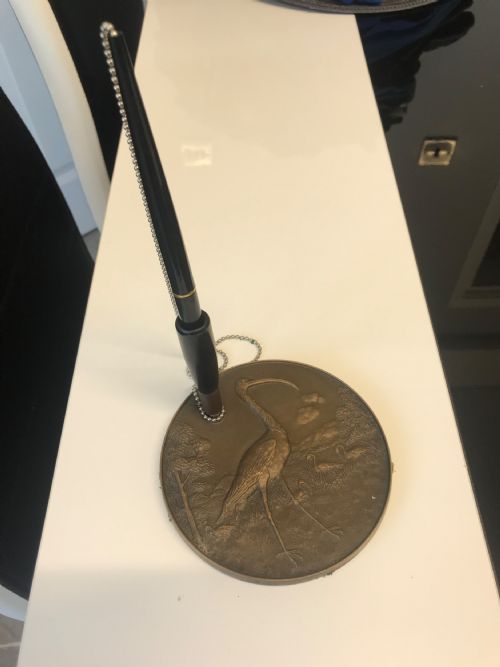
Makers and workshops across Europe and Asia produced these items, utilising styles that span Art Nouveau, Meiji period Japanese casting, and early twentieth-century Austrian cold-painting. Desk tidies, pen rests, and bookends combine functional utility with avian subjects, often mounted on bases of marble, onyx, or slate. These objects reflect the prevailing tastes for naturalism and exoticism in domestic decoration across different decades.
How they were made
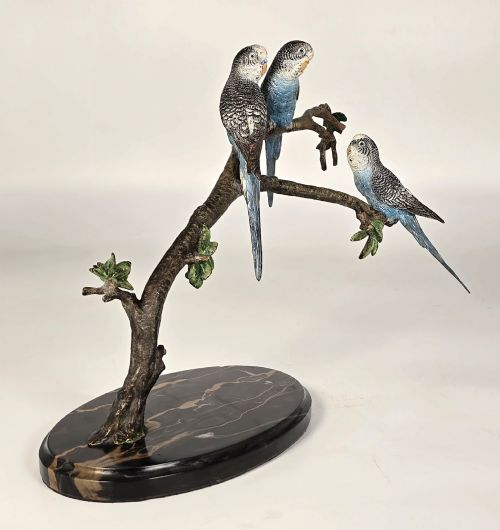
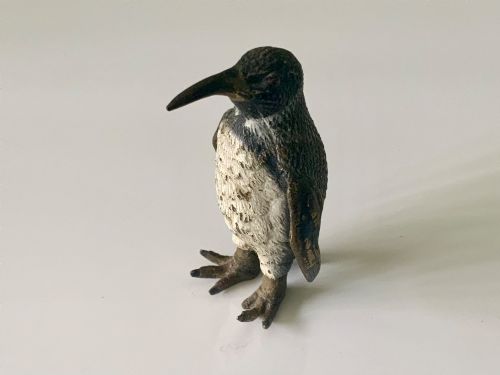
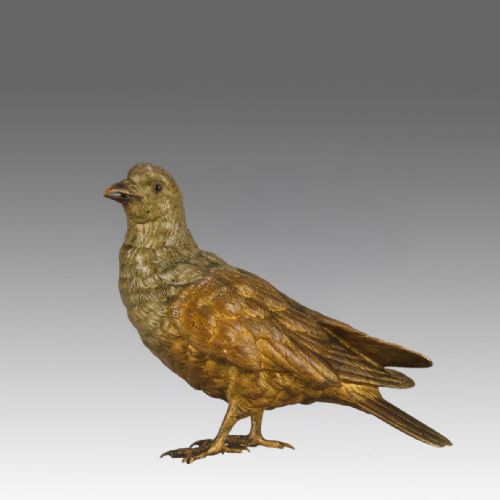
Foundry workers utilised the lost-wax casting method or sand casting to shape molten bronze into intricate avian forms, capturing feather details and anatomical postures. Cold-painting techniques applied polychrome colours directly onto the metal surface after casting, a method frequently associated with Austrian workshops. Bases often incorporated contrasting natural materials such as black marble, onyx, or gilt metal mounts to support the heavier bronze sculptures.
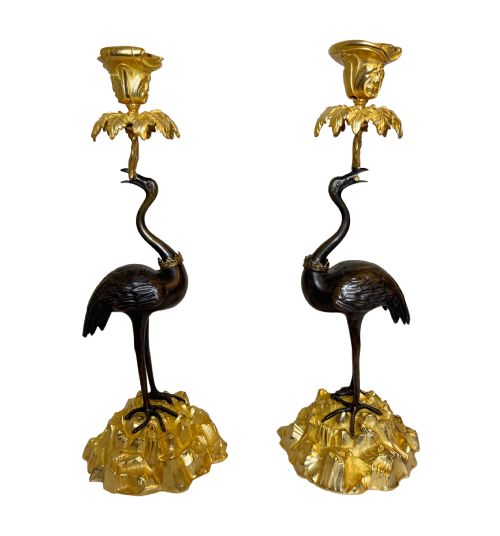
Substitutes like spelter appear alongside genuine bronze in period items, sometimes paired with marble plinths for desk accessories and lamps. Gilt bronze and brass also emerge in candelabra and decorative vessels, showing patination acquired over decades of handling and exposure.
Listings feature periods spanning from the mid-nineteenth century through to the Art Deco era of the 1930s, using bronze, marble, spelter, and onyx.
What varies in quality
The degree of hand-finishing on feather work and surface chasing dictates the refinement of a casting. Crisp anatomical definition in the subject separates standard production items from superior studio examples.
The preservation of original cold-painted polychromy impacts the integrity of pieces, as flaking pigment alters the intended appearance. The quality of the supporting stone plinth, whether veined marble or onyx, contributes to the overall presence of the object.
Carl Kauba·Franz Bergman·A.Cohen & Co Ltd·Frederique Cederlund-Ozanne·Zoldan Kovats·P J Mêne
The Vintage Bronze Bird Glossary
- Cold-painted bronze
- A method where paint is applied to a bronze casting without subsequent firing, popular in Austrian workshops. This technique allows for detailed polychrome depiction of plumage.
- Animalier
- A nineteenth-century sculptural style focused on realistic depictions of animals. Practitioners rendered birds and beasts with close attention to natural anatomy.
- Vienna bronze
- Small, naturalistic bronze sculptures produced in Austrian foundries during the late nineteenth and early twentieth centuries. These figures often depict wildlife with detailed cold-painted finishes.
- Spelter
- A zinc alloy frequently utilised as a less costly alternative to bronze in decorative figures and bookends. It accepts bronze-coloured finishes but possesses a lighter weight and softer composition.
- Gilt bronze
- Bronze that has been coated with a thin layer of gold or gold amalgam for decorative effect. The technique enhances decorative fixtures and candelabra.
Vintage Bronze Bird: Frequently Asked Questions
What is a cold-painted bronze bird?
A cold-painted bronze bird is a metal sculpture finished with unheated applied pigments to show natural plumage colours. These items originated largely from Austrian workshops during the late nineteenth and early twentieth centuries.
Collectors prize the surviving pigment layers on these small sculptures. Handling them carefully preserves the delicate paintwork.
How do I identify Art Deco bird sculptures?
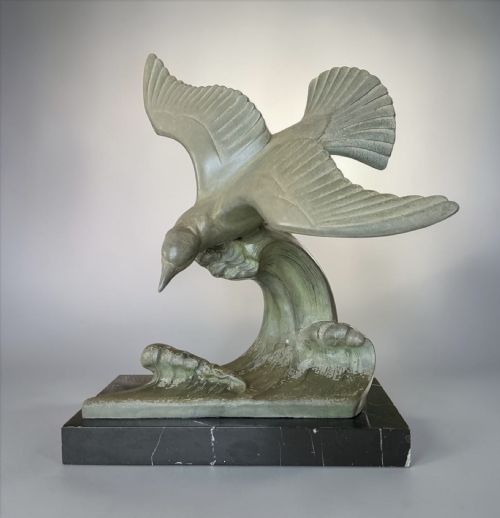
Art Deco bird sculptures feature stylised geometric lines, streamlined forms, and often sit upon polished black marble or onyx bases. The subjects commonly include seagulls, albatrosses, and pheasants rendered with simplified contours.
These pieces reflect the design priorities of the 1930s. They function effectively as desk ornaments and mantel centerpieces.
Are these pieces solid bronze?
Many listings consist of solid cast bronze, whilst others utilise spelter or brass. Spelter items offer a lighter alternative and often appear in desk accessories and bookends from the early twentieth century.
Examining the underside or weight helps distinguish metal types. Patination also reveals the underlying material composition over time.
How were antique bronze birds used?
Period pieces served both decorative and functional roles in domestic interiors. Items ranged from standalone mantel sculptures and garden okimono to pen rests, inkwells, and lamp bases.
Desk accessories brought natural motifs into workspaces. Larger figures stood on furniture as purely ornamental displays.