

Vintage British Sporting Pictures
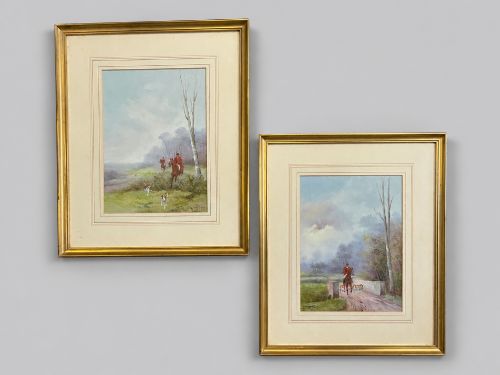
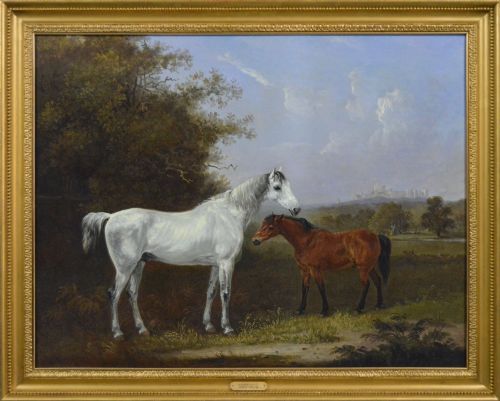
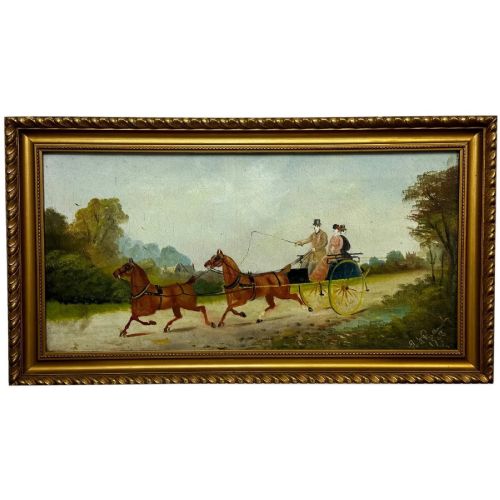
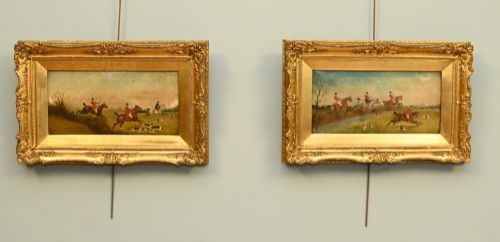
Vintage british sporting pictures capture the momentum of hounds, horses and riders across canvases, watercolours and prints.
Vintage British Sporting Pictures
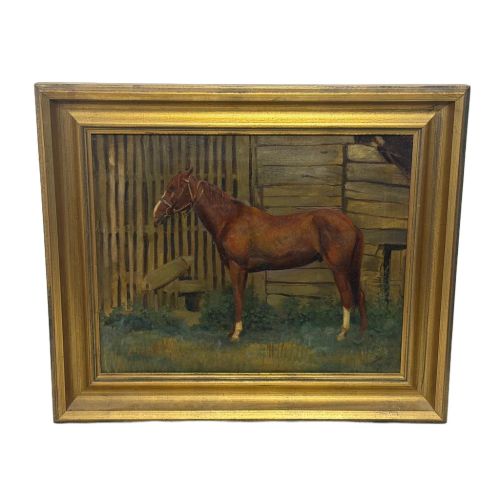
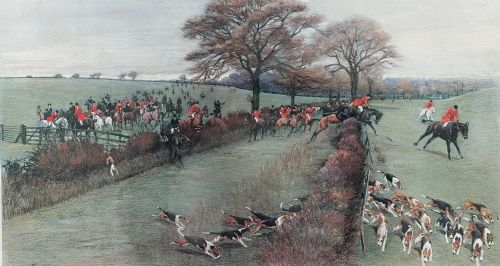
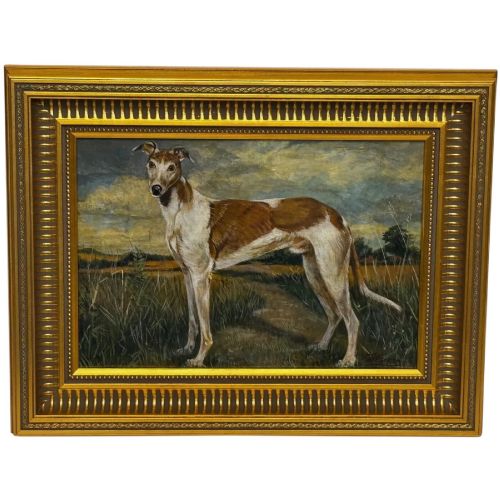
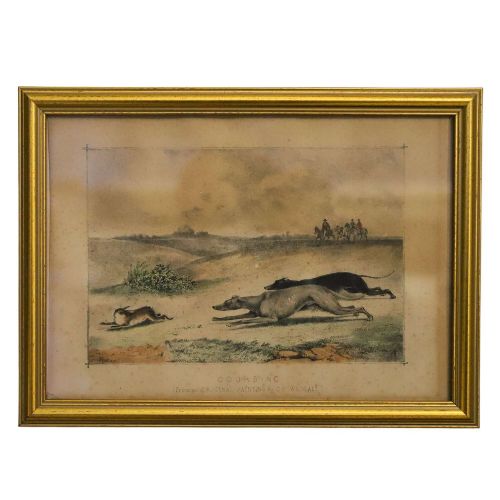
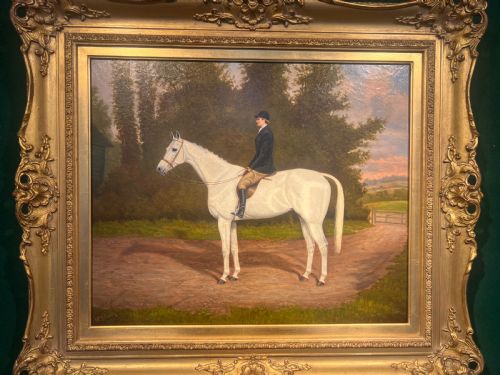
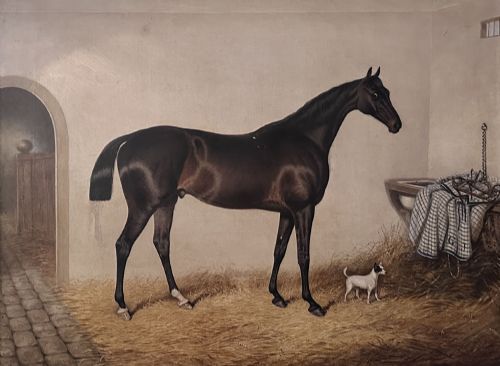
Vintage british sporting pictures encompass framed paintings, watercolours, drawings and prints dedicated to equestrian pursuits, fox hunting, horse racing and canine portraits. When exploring vintage british sporting pictures, buyers encounter works spanning from the nineteenth century through the mid-twentieth century, reflecting traditions deeply rooted in country life.
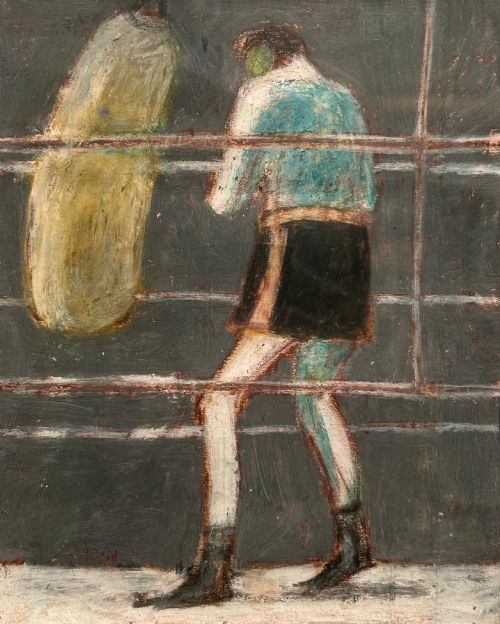
The selection ranges from detailed oil on canvas scenes of hunts in full cry to intimate pencil sketches, gouache and original lithographs. Mid-century interpretations sit alongside Edwardian and Victorian works, showing how artists recorded animal anatomy and sporting action across generations.
How they were made
Artists applied oil paint to canvas or wood panels, and worked with watercolour, chalk, pastel and gouache on paper. Many works rely on precise draughtsmanship to capture the powerful muscles of hunters, racehorses and working dogs.
Framing often involves traditional materials like gilt wood, walnut and dark timber moulding, sometimes protecting delicate paper works behind glass.
Vintage British Sporting Pictures Retail Price Guide 2026
Typical asking prices for vintage british sporting pictures among the pieces listed under this phrase on Sellingantiques today, from the lower quarter to the upper quarter. They describe what is for sale here now, not the wider market.
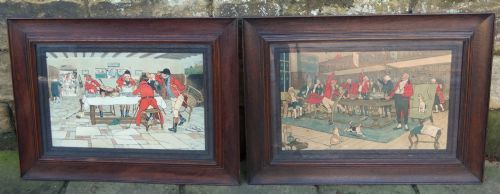
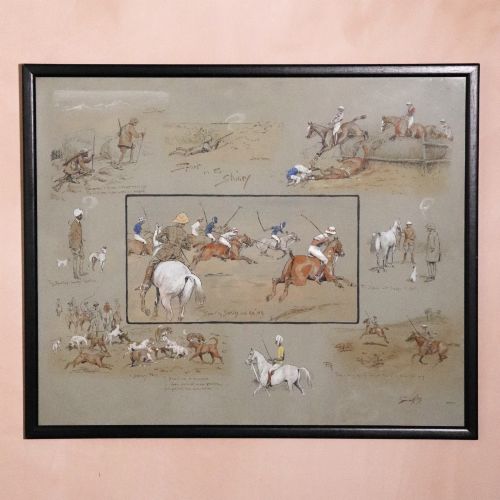
Some sporting prints capture the lively chaos of carpet beaters facing off against bobbery wallahs on the polo field.
What varies in quality
Quality rests in the anatomical accuracy of the animals and the artist's ability to convey speed and tension in a horse or hound. Superior works demonstrate fluid brushwork or confident lines that bring movement to life rather than stiffness.
The distinction also lies in the strength of the composition and the preservation of the medium, whether the oil on canvas retains rich pigment or a watercolour resists fading beneath its glass.
Cecil Aldin·Isaac Cullin·William Powell Frith·Lionel Ellis·Philip H Rideout·Edmund Bristow·Samuel Rabin·William Albert Clarke·C. H. Weigall·John Emms·John Rattenbury Skeaping·Arthur Wardle·Gertrude Halsband·Abraham Cooper·John Sanderson-Wells·Charles Clifford Turner·John Atkinson·Charles Johnson Payne Snaffles
The Vintage British Sporting Pictures Glossary
- Lithograph
- A planographic printing process using a stone or metal plate to produce multiple original impressions on paper. This technique allowed artists to circulate popular hunting and racing subjects widely.
- Gouache
- An opaque water-based medium that provides denser colour and heavier coverage than traditional transparent watercolour. It permits artists to build vibrant highlights in sporting scenes.
- Side-saddle
- An equestrian riding position where both legs rest on one side of the horse, frequently depicted in historical hunting and riding artworks. It required specialised skill from the rider.
- Full cry
- The moment during a hunt when the pack of hounds picks up the scent and bays together in pursuit. It is a classic subject for dynamic sporting paintings.
Vintage British Sporting Pictures: Frequently Asked Questions
What subjects appear in these pictures?
The works primarily depict horses, hounds, riders, and various rural pastimes like racing, hunting, and coursing. Animals are the central focus, whether shown resting in a landscape or moving at full speed.
Scenes frequently document specific historical events, local racecourses, or traditional pack hunts in the British countryside.
How do I care for framed watercolours?
Works on paper require protection from direct sunlight to prevent the watercolours, inks, and paper support from fading over time. Keeping them in stable humidity conditions prevents warping of the paper and damage to the mount.
Ensure the glazing is secure and use professional framing materials that will not transfer acidity to the artwork.
What is the difference between an oil and a print?
An oil painting is a unique, handmade work created by applying pigmented oils onto canvas or panel, carrying visible brush textures and rich depth. Prints are mechanical or manual reproductions, such as lithographs or engravings, designed to produce multiple copies of an original image.
Original prints often carry artist signatures or hand-colouring, distinguishing them from later commercial reproductions.
How do I identify a Victorian sporting work?
Victorian pieces often display meticulous detail in animal anatomy, heavy gilt framing, and narrative compositions that tell a story of the hunt or race. The attire of the riders and the style of harness or carriage reflect nineteenth-century fashions.
Signatures, dates, and inscriptions on the reverse or front of the canvas also help anchor the piece to the period.