


Vintage British Architectural Painting
A vintage british architectural painting captures historic facades and streetscapes through the expressive eyes of artists working from the Victorian era to the mid-twentieth century.
Vintage British Architectural Painting
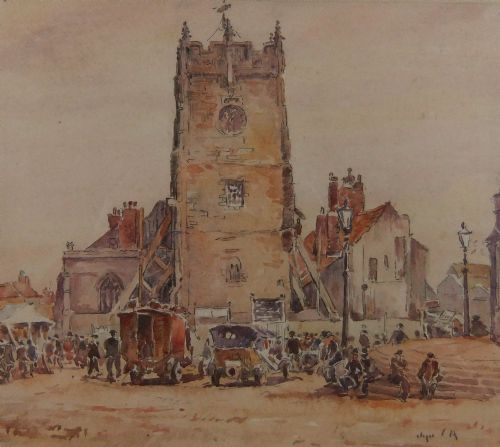
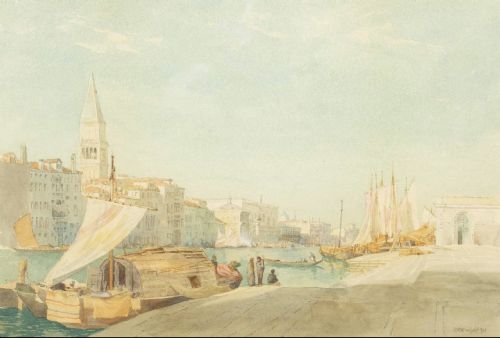
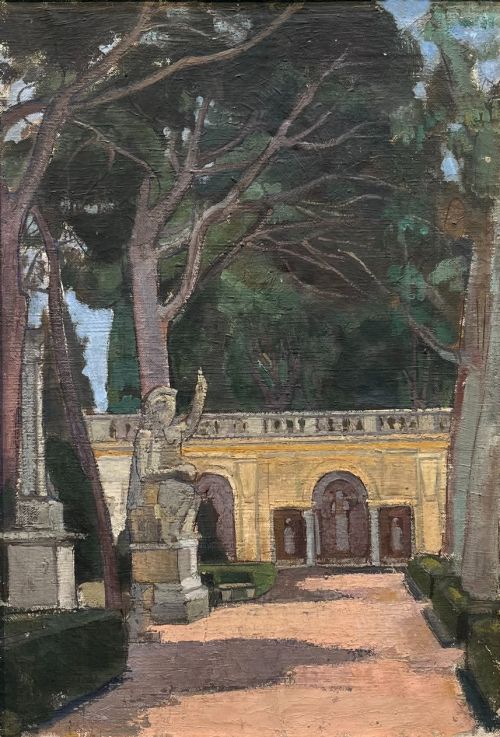
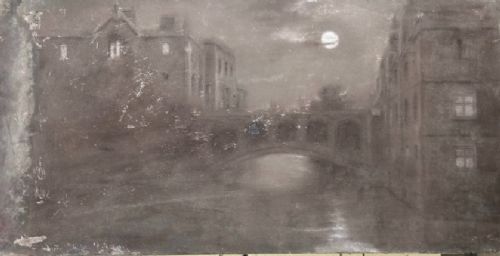
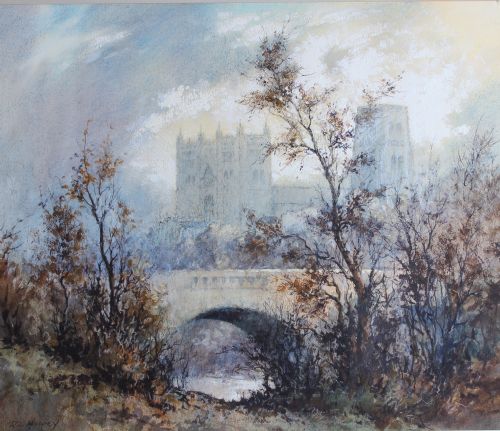
When you search for a vintage british architectural painting, you encounter original watercolours, oils and drawings that focus on specific buildings, bridges, cathedrals and street scenes. These works range from detailed topographical studies of London landmarks and provincial townscapes to atmospheric depictions of international architecture by British travellers.
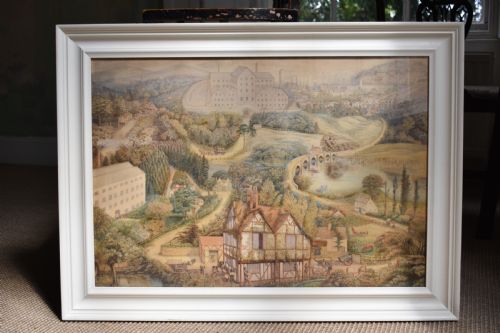
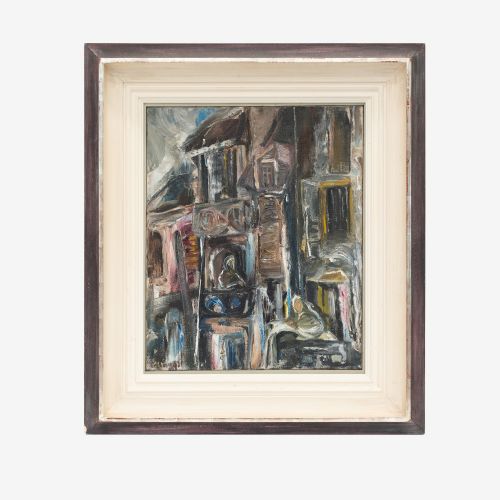
The pieces you are most likely to meet on this page date from the late nineteenth century up through the 1950s, embracing Edwardian, Post-Impressionist and Modern British movements. They appear primarily as framed works on paper or canvas, depicting everything from quiet country cottages to industrial factories and grand European palazzos.
Materials and Technique
Watercolour pigment on paper forms the foundation of the majority of these works, allowing artists to capture delicate washes of light upon stone, brick and glass. Ink and charcoal frequently provide the underlying draftsmanship required to map out perspective and structural detail before colour is applied.
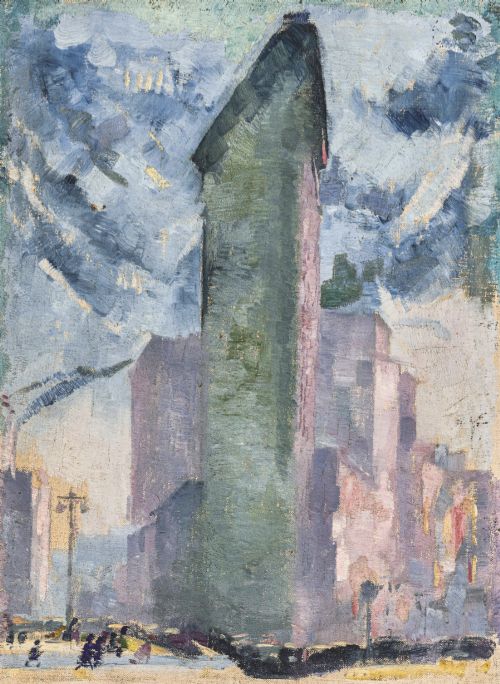
Oil paint on canvas or board represents the heavier medium in the range, offering rich textures and deep tones suitable for substantial industrial or domestic structures. Pastel drawings also appear, utilising dry pigments to render softer, immediate impressions of public spaces and architectural facades.
Several artists clearly enjoyed painting grand institutions, capturing both the Foreign Office and breweries with equal reverence.
Markers of Quality
The distinction between ordinary and exceptional works rests on the artist's command of perspective, tonal balance and spatial depth when rendering complex man-made structures. Superior examples demonstrate a confident handling of light and shadow that gives stone, mortar and timber a palpable physical presence.
Quality also reveals itself in the sensitivity of the composition, where the relationship between the building and its surrounding landscape or street life feels resolved and purposeful rather than stiffly mechanical.
Alfred Wolmark·Robert Leslie Howey·Lilian Colbourn·Fred Lawson·Charles James Lauder·Denis William Reed·Edith E Caswall·David Small·David Law·Ernest Cox·Noel Harry Leaver·Wilfred Knox·Sonia Lawson·Rowland Henry Hill·Beatrice Parsons·Tom Dudley·Annie L Lee·Cuthbert Crossley
The Vintage British Architectural Painting Glossary
- Topography
- The detailed depiction of particular places, buildings or local scenery. It forms the basis of historical architectural recording in art.
- Watercolour
- A painting method in which the paints are made of pigments suspended in a water-based solution. Paper serves as the standard reflective support.
- Post-Impressionism
- A predominantly British and French art movement following Impressionism that prioritises emotional and structural expression. Artists working in this manner often distorted forms for expressive power.
Vintage British Architectural Painting: Frequently Asked Questions
What subjects do these paintings show?
These works display a wide variety of built environments, ranging from London landmarks and historic cathedrals to quiet village cottages and industrial factories. Many also feature continental scenes such as Venetian canals and European streetscapes.
The focus remains firmly on human-made structures, capturing the shifting architectural styles and urban development of the nineteenth and twentieth centuries.
How should I display them at home?
Works on paper, particularly watercolours, require framing behind protective glass and placement away from direct sunlight to prevent fading of the pigments. Oil paintings on canvas benefit from stable indoor humidity and gentle, indirect lighting.
Grouping complementary architectural studies together on a wall creates a gallery effect that highlights their shared historical character.
Are these pieces original works?
Every piece listed under this category is an original painting, drawing or unique artwork rather than a modern mechanical reproduction. Artists painted or drew each composition by hand using traditional media such as watercolour, oil or pastel.
Signatures, studio inscriptions and period framing frequently accompany these individual pieces to verify their authenticity.
How can I tell the period of a painting?
Dating relies heavily on the architectural styles depicted, the clothing of any figures present, and the artist's specific handling of paint which often reflects prevailing movements like Edwardian realism or mid-century modernism. Paper types, framing methods and handwritten inscriptions on the reverse further assist in establishing an approximate date.
Comparing the work to documented pieces by the same school or artist provides additional chronological context.