



Paper Architectural Watercolour Painting
Paper architectural watercolour painting captures historic buildings and streetscapes with delicate washes.
Paper Architectural Watercolour Painting
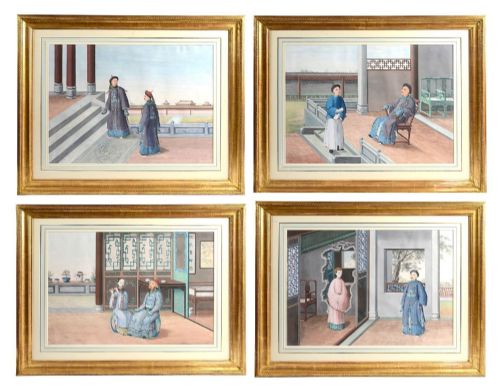
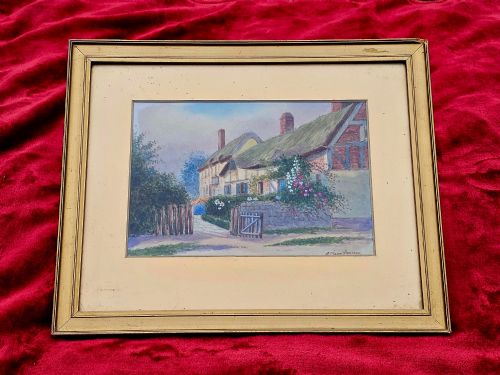
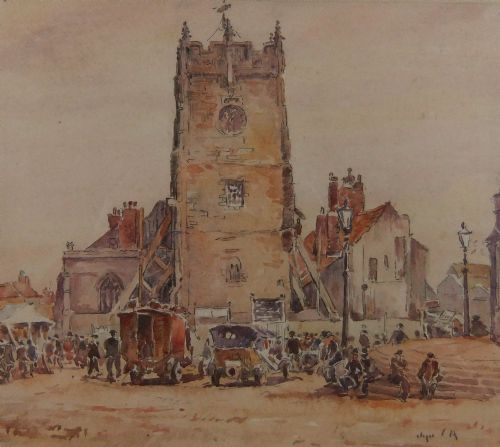
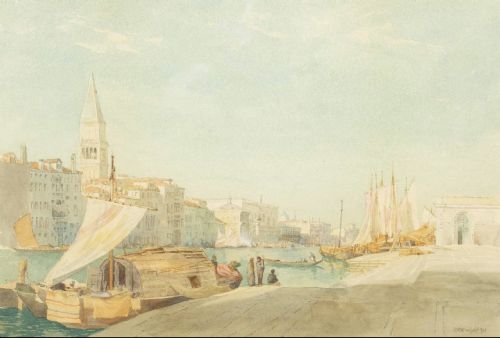
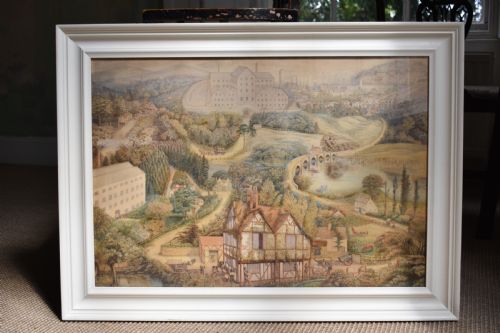
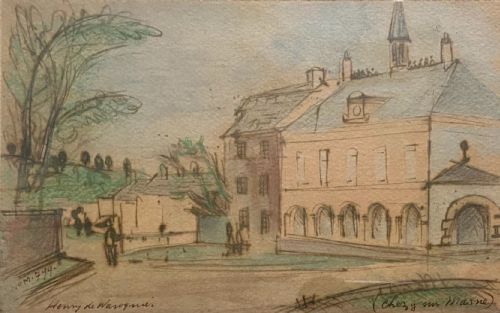
A paper architectural watercolour painting depicts structures, streetscapes, and notable landmarks rendered through translucent colour washes and ink outlines on paper.
Buyers encountering this phrase find framed artworks ranging from intimate townscape studies to detailed views of historic ruins, abbeys, and civic buildings.
Materials and Technique
Artists relied primarily on watercolour pigment applied to paper supports, frequently augmented with ink lines to define structural edges and architectural details.
Protective framing behind glass ensured these delicate paper works survived decades of exposure while maintaining the vibrancy of the original watercolour paint.
Materials consistently involve watercolour pigment applied to paper, occasionally combined with ink.
Assessing Quality
Quality rests upon the precision of the draughtsmanship and the artist's ability to balance crisp architectural perspective with atmospheric washes of colour.
Superior examples demonstrate confident handling of light and shadow across stone facades, whereas weaker pieces rely on mechanical stiffness or dull pigment application.
A. Marie Parsons·John Smith Atherton·Richard Henry Wright·Fred Lawson·Sir Thomas Newenham Dean·Anne Dorrien Smith·Charles James Lauder·Rowland Henry Hill·Stanley Orchart·Vittore Zanetti Zilla·Benedetto Salviati·Joseph W Milliken·Edith E Caswall·Hercules Brabazon Brabazon·David Small·John Sowden·Jack Merriott·Tom Dudley·David Law·Noel Harry Leaver·Wilfred Knox·GH Thompson·Sonia Lawson·Ettore Ascenzi·Beatrice Parsons
The Paper Architectural Watercolour Painting Glossary
- Watercolour pigment
- Finely ground colour particles mixed with a water-soluble binder. This medium allows for transparent layering and delicate tonal gradations.
- Grand Tour
- A traditional trip of Europe undertaken by upper-class European young men of means for pleasure and fashion. Paintings from this context frequently record classical ruins and Italian architecture.
- Diptych
- A painting divided into two separate hinged or matching panels. These paired works often depict related architectural subjects or adjacent views.
- Mixed media
- An artwork utilising more than one medium on the support surface. Examples often combine ink lines with watercolour washes to strengthen structural definition.
Paper Architectural Watercolour Painting: Frequently Asked Questions
How are architectural watercolours displayed safely?
These works require framing behind glass to shield the paper and water-soluble pigments from atmospheric moisture and dust.
Keep them away from direct sunlight to prevent the delicate watercolour washes from fading over time.
What subjects appear in these paintings?
The artwork typically depicts historic townscapes, European street views, famous bridges, abbeys, and classical ruins.
Many pieces record travels through iconic locations such as Venice, Rome, London, and various country estates.
How do I identify the period of a piece?
Dating relies on stylistic clues, framing materials, artist signatures, and architectural details depicted within the scene.
Victorian and Edwardian works often exhibit precise draughtsmanship, while mid-century examples show looser, more expressive brushwork.