



Vintage Brass Water Jug
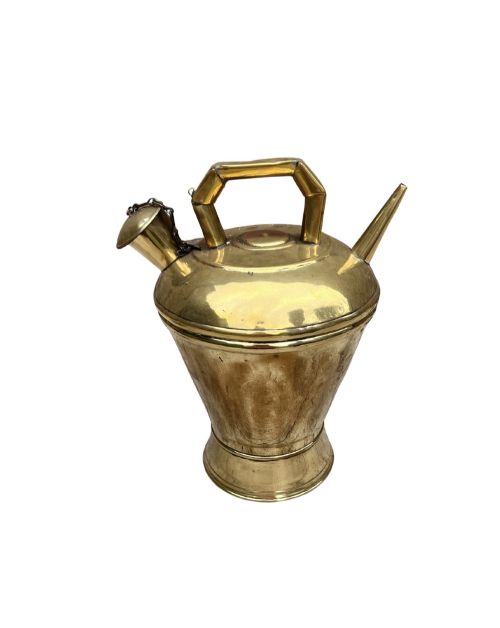
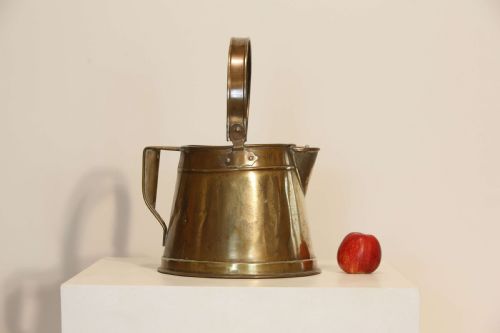
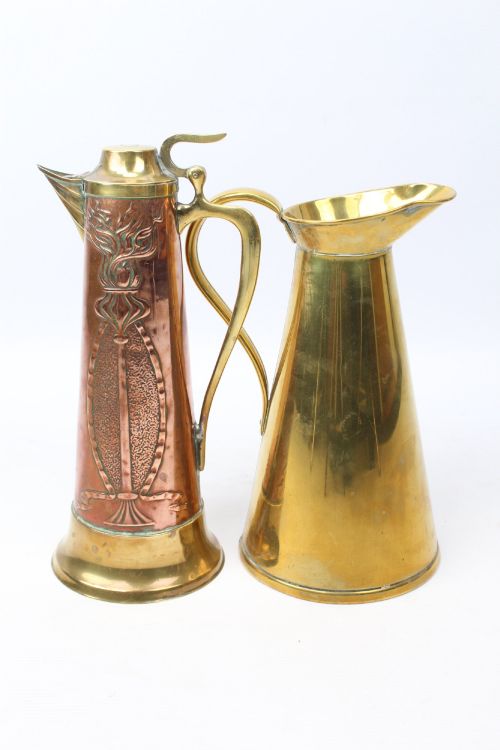
A vintage brass water jug brings warmth and heavy metal character to a room, holding flowers or sitting quietly on a sideboard.
Vintage Brass Water Jug
When you search for a vintage brass water jug, you find vessels spanning the Victorian and Edwardian eras, alongside Arts and Crafts and Art Nouveau pieces. These containers served functional household purposes before transitioning into decorative roles.
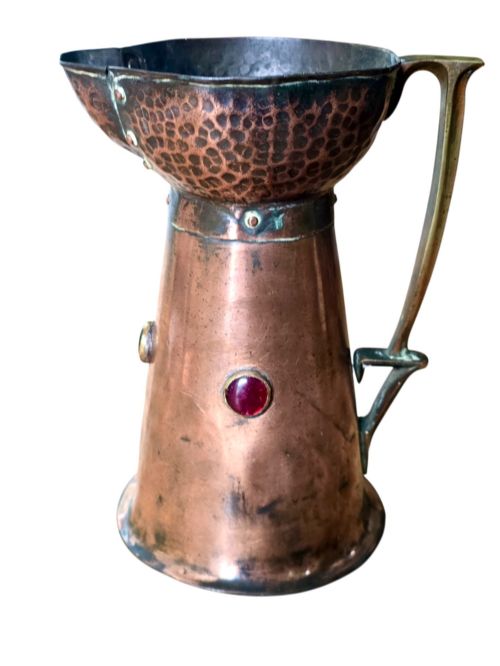
The most common examples on this page are tall brass and copper pitchers, alongside coopered oak vessels bound in brass. They originate from periods ranging from the early nineteenth century through to the early twentieth century.
How they were made
These pieces rely on sheet brass and copper, frequently combined with solid oak staves held by brass bands. Makers shaped the metal through panel working, hammering, and joining seams by hand.
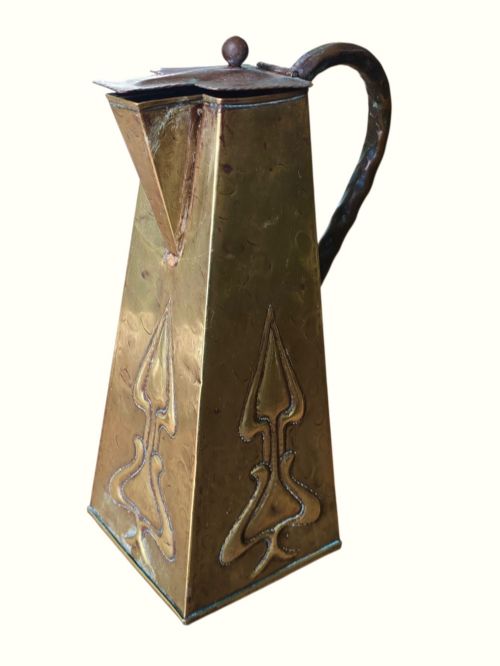
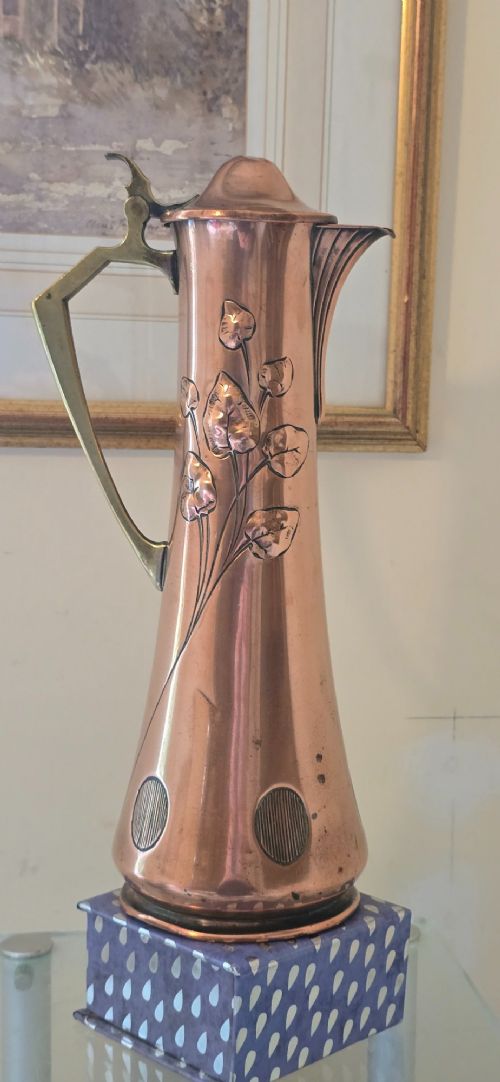
Art Nouveau and Arts and Crafts examples often incorporate applied floral relief designs and mixed metals like copper and brass together. Wooden elements receive ebonising or maintain natural oak tones.
Vintage Brass Water Jug Retail Price Guide 2026
Typical asking prices for vintage brass water jug among the pieces listed under this phrase on Sellingantiques today, from the lower quarter to the upper quarter. They describe what is for sale here now, not the wider market.
Listings feature Victorian, Edwardian, and George III periods, using brass, copper, and oak materials.
What varies in quality
Quality rests in the weight of the metal and the crispness of any applied relief work. Heavier vessels show substantial construction, whereas lighter examples feel thinner in the hand.
The joinery on coopered wooden jugs with brass bands demonstrates superior craftsmanship when the staves fit tightly. Maker attribution also elevates certain pieces above anonymous domestic utility ware.
WMF·Orme Evans And Co·H F Fearncombe And Co
The Vintage Brass Water Jug Glossary
- Coopered
- Made from wooden staves fitted together and bound with metal hoops, much like a barrel. This technique appears on heavy wooden jugs.
- Ewers
- Large jugs with wide spouts and handles, historically used for water or washing. They often feature decorative brass and copper bodies.
- Relief
- Ornamental work where figures or patterns project from the background. This technique decorates Arts and Crafts and Art Nouveau metalwork.
- Ebonised
- Wood finished to resemble ebony through a dark stain or paint. It provides a sharp contrast against polished brass bands.
Vintage Brass Water Jug: Frequently Asked Questions
How were these jugs originally used?
These vessels carried water for washing in bedrooms or served hot water for household tasks before modern plumbing arrived.
Larger versions also handled dairy or general pouring duties in country and town kitchens.
Can these jugs hold fresh flowers?
Many solid metal jugs hold water successfully for floral displays, though older joined pieces require a discreet inner container.
Checking the interior for old repairs ensures the vessel remains watertight for daily use.
How do I clean polished brass?
A gentle cloth removes dust, while traditional metal polish restores brightness to surfaces that have darkened over decades.
Leaving a natural patina untouched appeals to collectors who prefer the darker tones of age.
How do I date a brass jug?
Stylistic details such as flowing plant motifs point towards the Art Nouveau period around nineteen hundred.
Construction methods, material combinations, and maker marks help narrow down the decade of manufacture.