


Vintage Brass Wall Hanging
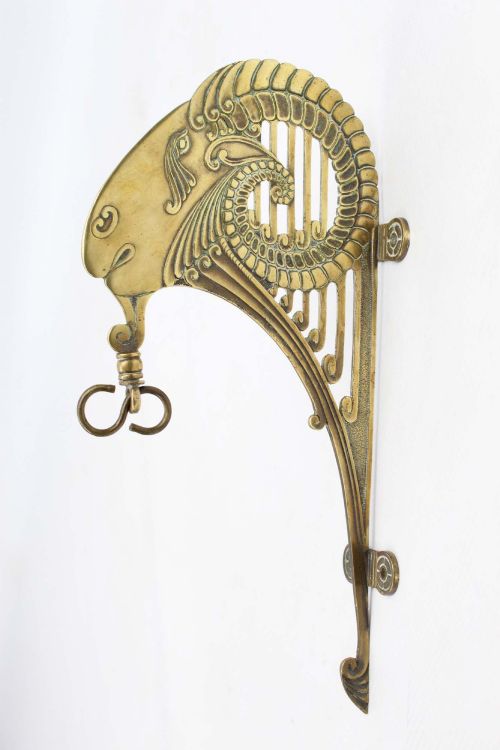
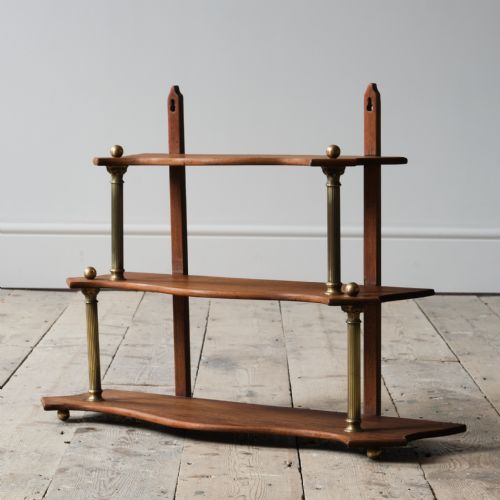
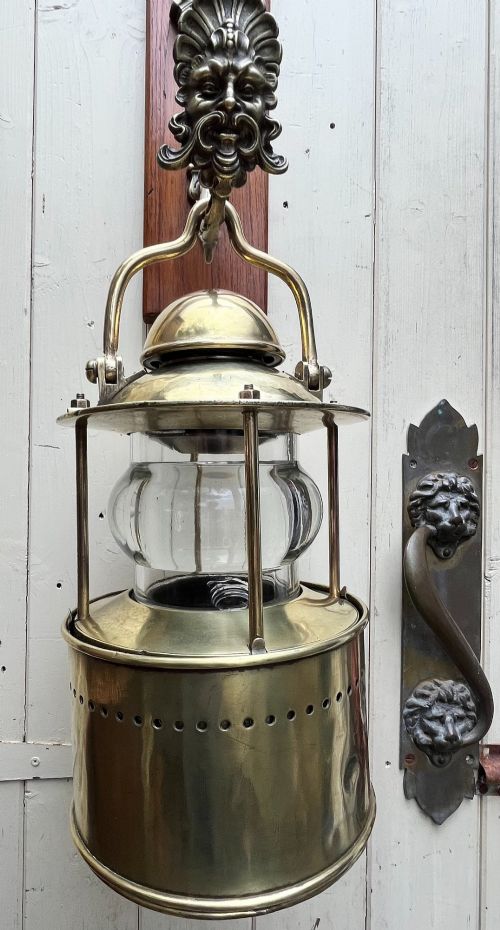
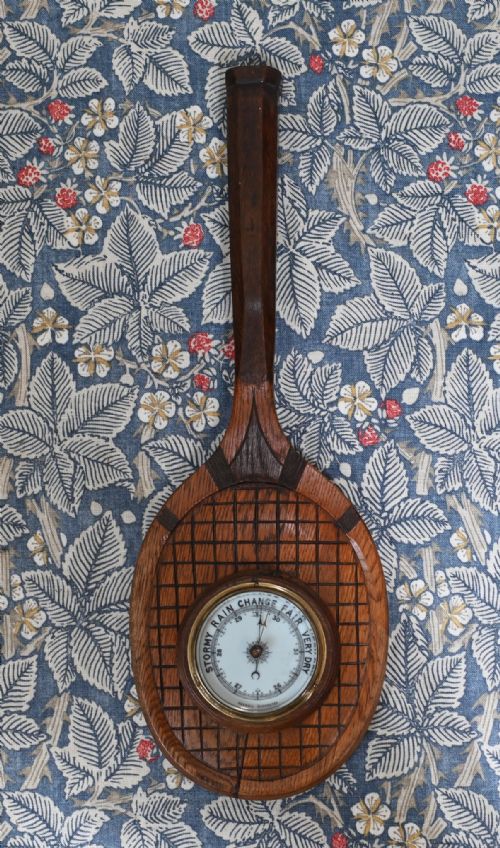
These vintage brass wall hanging pieces bring reflective metal and cast detail to an interior, drawing the eye across mirrors, gongs, and barometers.
Vintage Brass Wall Hanging
A vintage brass wall hanging encompasses functional and decorative domestic objects secured to vertical surfaces, ranging from bevelled mirrors and dinner gongs to heavy chargers and barometers. These items bring warmth and reflective quality to a room through polished or patinated metalwork.
The versions most commonly met in this selection date from the nineteenth and twentieth centuries, spanning Victorian, Edwardian, and Art Deco periods. Many combine brass frames or mounts with secondary materials such as oak, mahogany, glass, and enamel.
Originating across British, French, and Continental workshops, these pieces served both utilitarian purposes, like telling time or holding items, and purely decorative functions. Their survival reflects the enduring appeal of cast and pressed brass in domestic decoration.
Distinctions in quality and execution
Quality rests upon the crispness of the casting and the depth of the hand-chasing on the brass surface, where sharper details indicate superior craftsmanship. The weight of the metal and the integrity of the joinery in associated wooden frames further separate standard production from finer examples.
The preservation of original surface finishes, such as patination and early mercury or silvered mirror plates, dictates the desirability of an object. Pieces retaining their complete original mounts and unpolished textures demonstrate greater integrity than heavily restored items.
Listings feature brass wall pieces spanning from the eighteenth century through to the Art Deco period, incorporating oak, mahogany, and gilt bronze.
Johann Baptist Beha
The Vintage Brass Wall Hanging Glossary
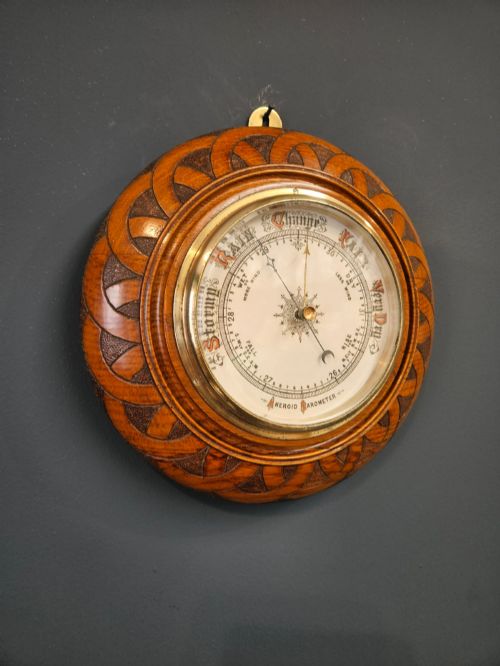
- Aneroid barometer
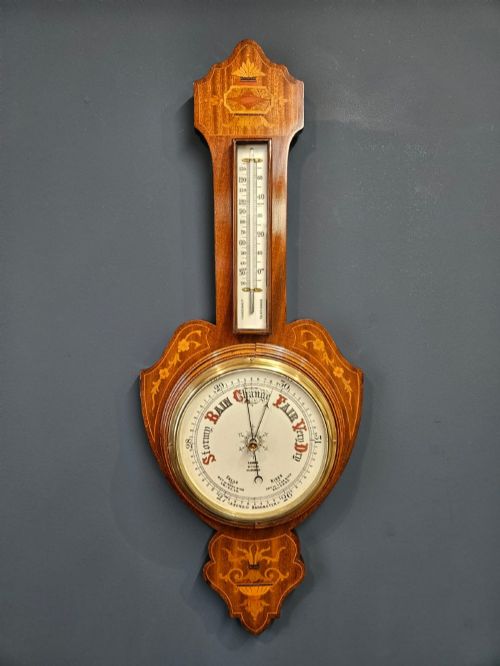
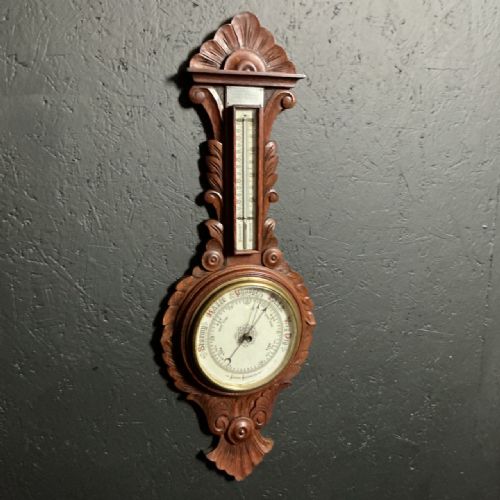
- A barometer that measures atmospheric pressure using a flexible metal box rather than liquid mercury. It typically sits within an ornamental brass or wooden wall case.
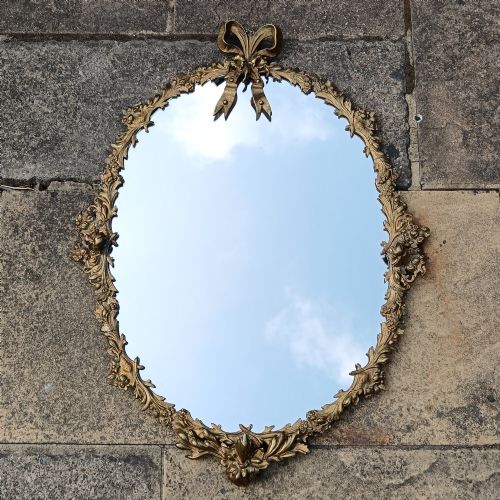
- Bevelled mirror
- A mirror plate with edges ground and polished at an angle to create a framed border effect. This technique adds depth to the reflection.
- Gilt bronze
- Metal alloy treated with a gold or gold-coloured wash to simulate solid gold. It appears frequently on nineteenth-century French decorative frames.
- Repousse
- Metalworking technique where the design is hammered into relief from the reverse side. It creates tactile surface patterns on brass chargers and plaques.
Vintage Brass Wall Hanging: Frequently Asked Questions
Should I polish antique brass?
Polishing removes the dark oxide layer known as patina, which develops over decades and contributes to the character and historic appearance of the metal.
Most collectors prefer to leave vintage brass unpolished, gently dusting the surface rather than stripping away its age.
How do I identify a Victorian brass mirror?
Victorian examples often display heavy sand-cast frames featuring motifs like masks, cherubs, or foliate scrolls, frequently paired with thick, bevelled mirror plates.
Examining the fixings on the reverse, such as handmade screws or early wooden backing boards, helps confirm the nineteenth-century origin.
What is an antique dinner gong used for?
Dinner gongs served as a household signal to announce meals or gatherings in large nineteenth-century homes, suspended from wooden wall brackets with a matching striker.
The brass disc produces a resonant tone when struck, combining a functional bell with an impressive decorative wall mount.