




French Art Deco Relief
French art deco relief pieces bring bold geometric modelling and tactile surfaces into a room, offering sculptural depth that flat wall art simply cannot match.
French Art Deco Relief
When you search for french art deco relief, you are looking at moulded glass, sculpted terracotta, and cast earthenware originating primarily from the nineteen-twenties and nineteen-thirties. These pieces range from decorative bowls and vases with high-relief floral motifs to portrait busts and wall plaques capturing the stylised vigour of the period.
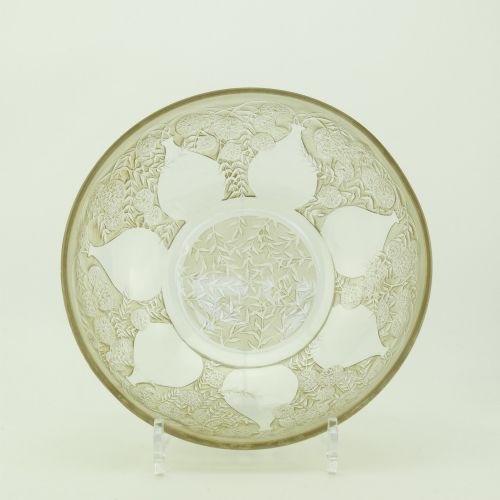
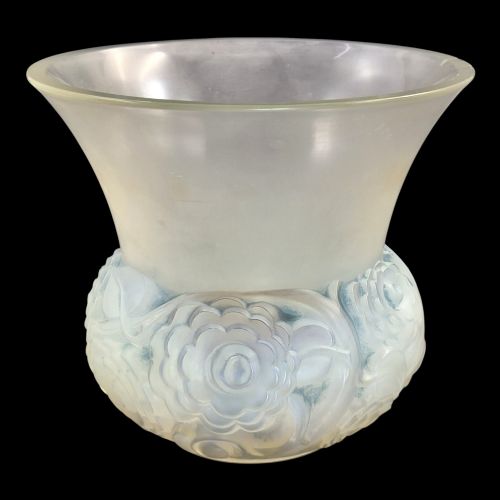
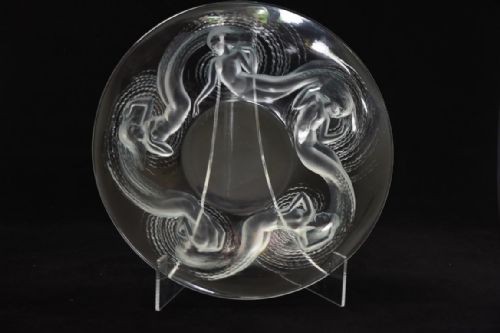
You are most likely to meet frosted and opalescent glass vessels alongside terracotta busts on this page. The forms bridge functional decor and pure sculpture, often taking the shape of deep coupe vases or circular wall plaques depicting figures and botanicals.
How they were made
Glass pieces in high relief rely on intricate mould-blowing techniques, where molten material is pressed into carved metal forms to capture deep undercuts and botanical details. Manufacturers utilise clear, frosted, or opalescent glass to manipulate light across the raised surfaces.
Terracotta and earthenware sculptures are shaped by hand or pressed into moulds before being fired and patinated. This process allows artists to achieve fine facial expressions and drapery in relief before applying surface finishes.
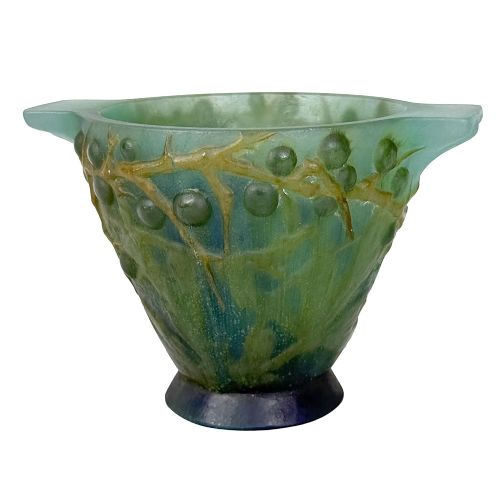
Listings span the nineteen-twenties, nineteen-thirties, and later decades, featuring materials from terracotta and earthenware to opalescent and pate de verre glass.
What varies in quality
The definition and crispness of the moulded relief separate the finest examples from softer, less successful castings. Superior glass pieces retain sharp parting lines and subtle gradations of opalescence that highlight the sculpted depth.
The sophistication of the surface finish and patination dictates the overall success of a piece. Stronger works display a deliberate interplay between matte frosted areas and polished highlights that flat-moulded items lack.
Rene Lalique·Henry Berge·Amalric Walter·Gilbert Privat·Mougin
The French Art Deco Relief Glossary
- Opalescent glass
- Glass that diffuses light with a milky, iridescent glow, frequently utilised in the period to accentuate moulded high-relief patterns.
- Pate de verre
- A glass-working technique involving crushed glass packed into a mould and fused in a kiln, producing dense, richly coloured translucent objects with a granular texture.
- Terracotta
- Fired unglazed clay of a brownish-red hue, chosen by sculptors for its ability to hold fine detail in relief and portraiture.
- Bas relief
- Sculptural relief in which the figures project only slightly from the background plane, common in decorative wall plaques.
French Art Deco Relief: Frequently Asked Questions
What periods do these pieces date from?
The majority of these works date from the nineteen-twenties and nineteen-thirties, capturing the height of the movement. A few later reinterpretations and wall plaques appear from subsequent decades.
Collectors generally focus on the interwar pieces for their direct connection to the original designers and potteries of the era.
How do I display a wall plaque?
Wall plaques require secure mounting brackets that support their weight without placing stress on the edges of the ceramic or plaster. Planners often position them at eye level against neutral walls to let the shadows of the relief work effectively.
Good ambient lighting from the side will accentuate the depth and modelling of the surface.
What is the difference between frosted and opalescent glass?
Frosted glass has an etched or acid-treated surface that diffuses light uniformly to create a matte appearance. Opalescent glass contains chemical additives that catch light with a pearlescent or bluish tone across the raised contours.
Many classic vessels combine both effects to create contrast between the background and the relief.
Can these glass bowls be used for water and flowers?
Most of these heavy glass and crystal vessels function safely with water, though their historical significance prompts many owners to display them dry. Care must be taken with antique glass to avoid thermal shock from hot water.
Hand washing with mild soap preserves the delicate frosted surfaces better than modern dishwashers.