





Vintage Brass Trough
These vintage brass trough examples are practical vessel forms in metal, offering a distinct ornamental accent for plants or interiors.
Vintage Brass Trough
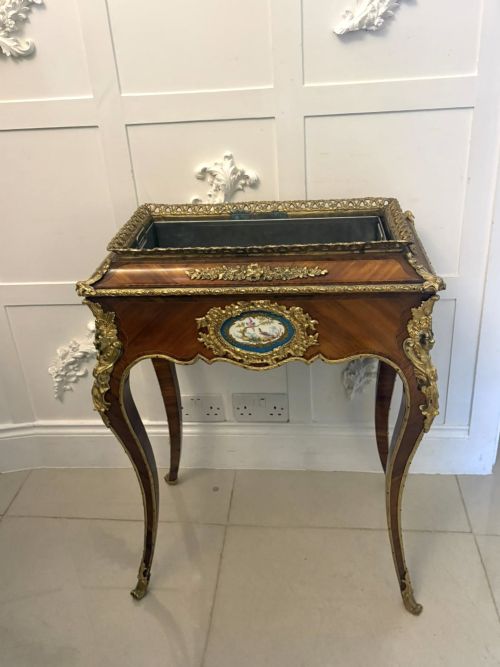
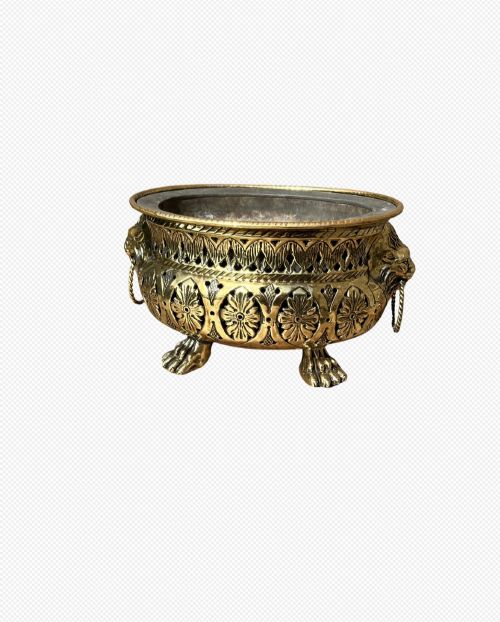
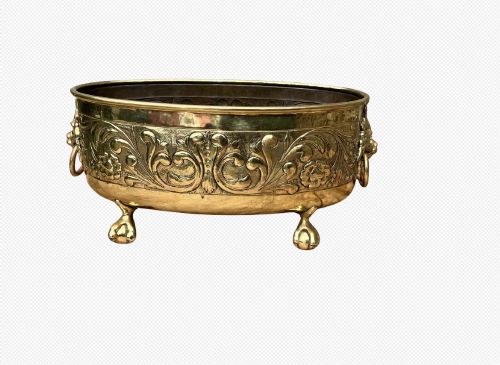
A vintage brass trough typically takes the form of a jardiniere, planter, or wine cooler designed to hold greenery or bottles. These items appear across Victorian, Edwardian, and 18th-century periods, alongside styles such as French Empire, Arts and Crafts, and Grand Regency.
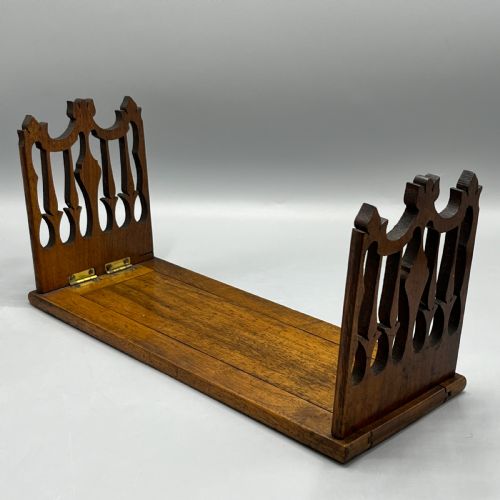
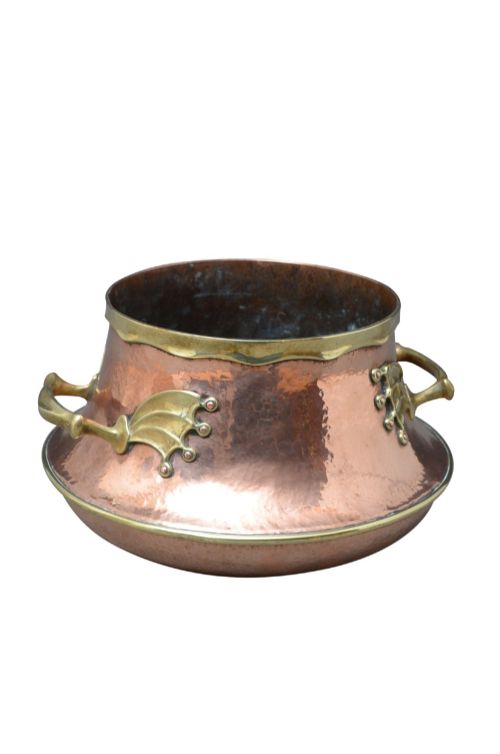
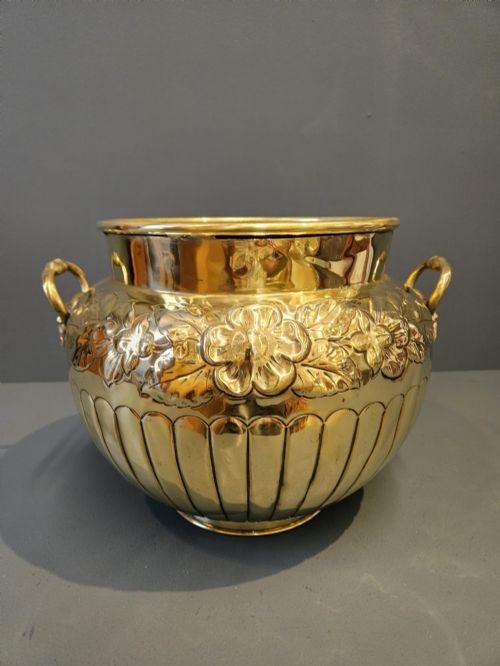
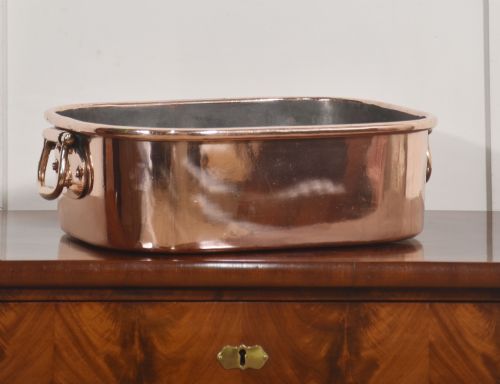
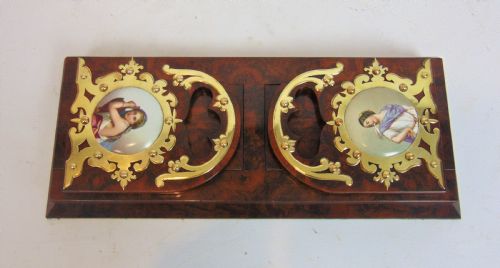
The primary forms on this page include boat-shaped jardiniere vessels, oval copper and brass planters, and desk accessories like book slides with brass mounts. Buyers encounter pieces spanning the 19th century through to 1930, originating from British, French, and Belgian makers.
How They Were Made
Construction relies heavily on sheet metals such as brass and copper, sometimes combined with tin, ormolu, and secondary woods like walnut, satinwood, oak, and mahogany. Makers utilised techniques including piercing, repoussé decoration with animal heads, and coopered assembly.
Decorative embellishments incorporate painted porcelain plaques, inlaid ebonisation, and fine brass mounting. These material combinations unite structural utility with surface ornamentation across the various periods.
Vintage Brass Trough Retail Price Guide 2026
Typical asking prices for vintage brass trough among the pieces listed under this phrase on Sellingantiques today, from the lower quarter to the upper quarter. They describe what is for sale here now, not the wider market.
Some nineteenth-century plant vessels secretly spent their youth keeping champagne cold at dinner parties before retiring to the windowsill.
What Varies in Quality
Quality separates through the crispness of surface work, such as hand-hammered repoussé details against cast metal animal heads. Superior examples exhibit deliberate weight, solid material composition, and integrated decorative elements like painted porcelain plaques.
The refinement of secondary materials also dictates standard, where finely figured burr walnut, satinwood, or mahogany frames match the execution of the primary metal trough. Heavy quality casting distinguishes substantial vessels from lighter commercial production.
Lister and Co
The Vintage Brass Trough Glossary
- Jardiniere
- An ornamental pot or stand for holding plants or flowers. These vessels often feature pierced or repoussé brass surfaces.
- Repoussé
- A metalworking technique where the metal is hammered from the reverse side to create a raised design in relief. This method produces textured animal heads and floral motifs on planters.
- Ormolu
- Gilded bronze used as a decorative mount on furniture and decorative objects. It appears frequently on French nineteenth-century pieces.
- Book slide
- An adjustable desk accessory designed to hold volumes upright, commonly fitted with brass mounts and decorative plaques. These often date from the Victorian era.
- Coopered
- Assembled from staves of wood held together by metal bands, much like a barrel. This technique forms specific planter bodies.
Vintage Brass Trough: Frequently Asked Questions
What is a vintage brass trough used for?
These vessels function primarily as planters or jardinieres to display indoor foliage and flowers within domestic spaces.
Alternatively, historic examples served as wine coolers or bottle holders during dining and social occasions.
How do I date a brass planter?
Dating relies on stylistic clues, manufacturing techniques, and associated materials like burr walnut, mahogany, or porcelain plaques.
Victorian and Edwardian pieces often display specific decorative motifs, such as Arts and Crafts hand-working or French Empire styling.
Can these troughs hold water directly?
Many vintage metal vessels were designed to hold pots rather than act as direct waterproof planters.
Using a modern liner inside the metal trough protects the historical interior surface from moisture damage.
What is the difference between a jardiniere and a planter?
The terms often overlap, though jardiniere typically denotes a more decorative ornamental vessel for display.
Planters can encompass simpler utilitarian forms, whereas jardinieres frequently incorporate pierced work, ormolu mounts, or repoussé details.