



Vintage Brass Taper Sticks
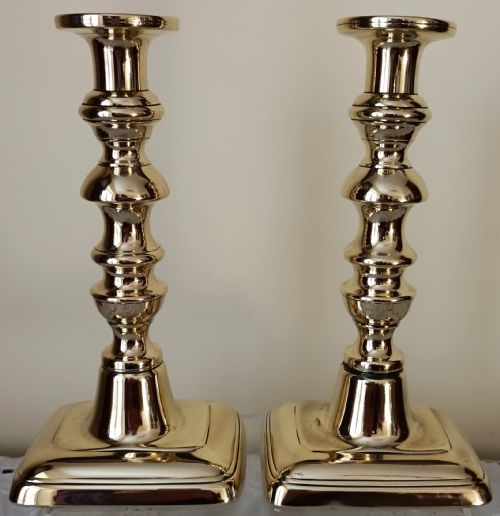
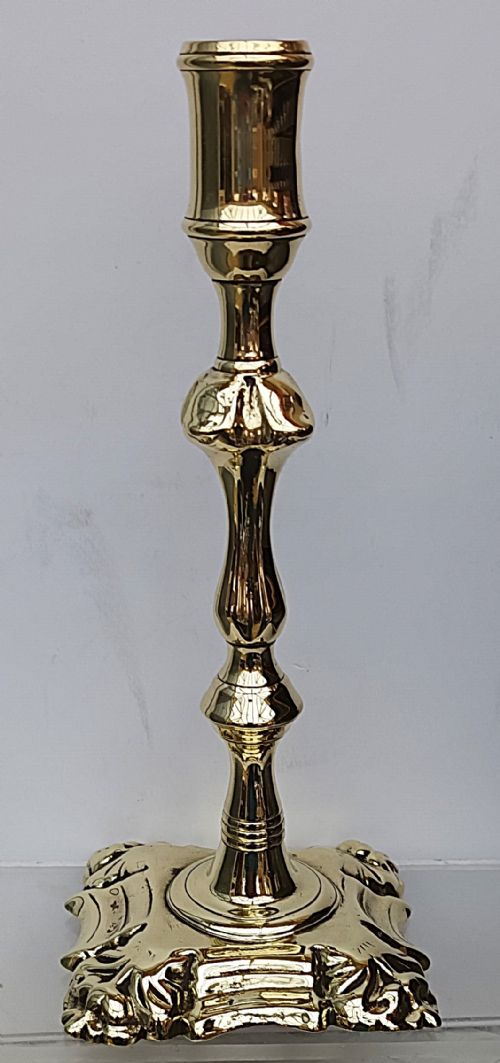
These vintage brass taper sticks bring genuine nineteenth-century and Georgian domestic lighting into modern rooms.
Vintage Brass Taper Sticks
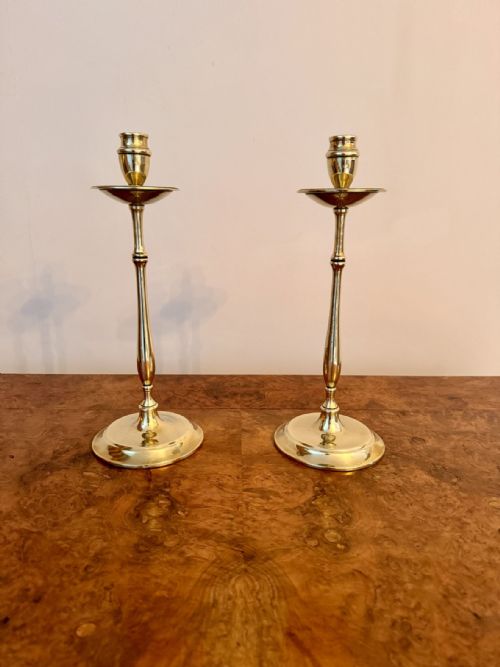
Vintage brass taper sticks encompass small lighting pieces designed for wax tapers rather than heavy household candles. The selection spans Georgian, Victorian, Edwardian, and Art Deco periods, alongside styles such as Regency, Arts and Crafts, and Victorian Neoclassical.
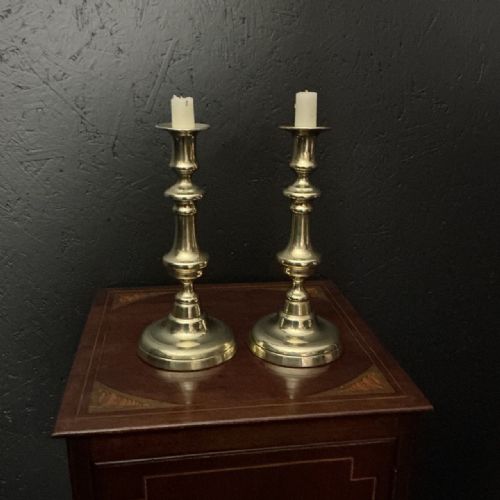
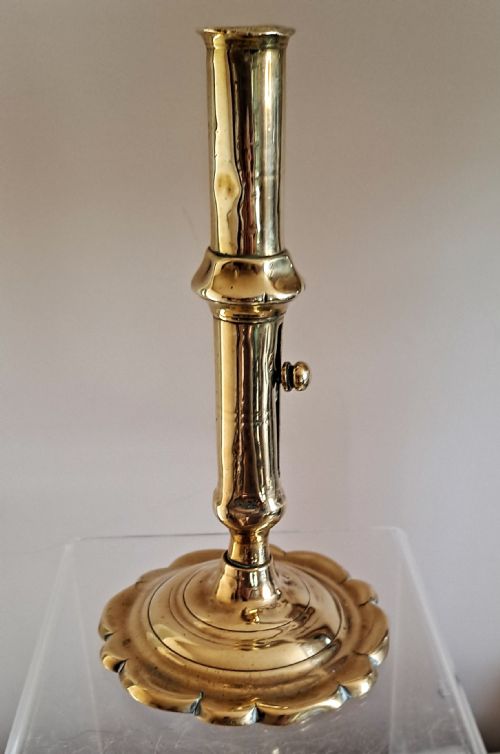
Most examples appear as matched pairs, though single chambersticks, desk sticks, and specialised items like Grand Tour cloisonné pieces also occur. Forms range from simple petal bases and seamed ejector columns to ornate gilt and glass lustre drop designs.
Materials and construction
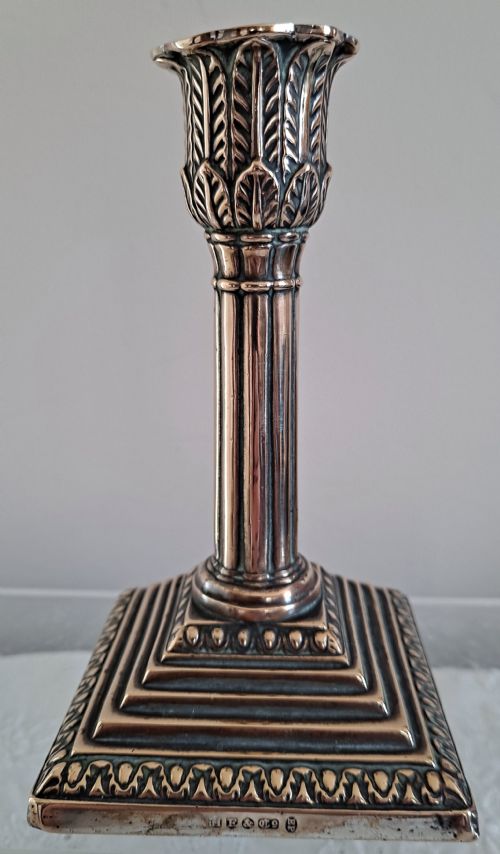
Metal fabrication relies predominantly on brass, cast brass, and bronze, often complemented by silver plate, old Sheffield plate, copper, and gilt brass. Some specialised pieces integrate glass and enamel elements.
Early eighteenth-century and nineteenth-century examples frequently show seamed construction methods where components were joined and finished by hand. Casting techniques developed over time, yielding both heavy Georgian proportions and lighter Edwardian or Art Deco profiles.
Grand Tour travellers returned with miniature chamber sticks featuring micro mosaics, proving Victorians loved souvenirs just as much as modern holidaymakers.
Judging quality in brass taper sticks
Quality rests on the crispness of casting detail, the weight of the metal, and the integrity of the proportions. Finer examples display sharp mouldings on petal bases and neatly turned stems without distortion.
The degree of original finish preservation and the harmony of matched pairs also separate standard production items from exceptional workshop output.
J.T. & Co
The Vintage Brass Taper Sticks Glossary
- Taper stick
- A small candlestick designed specifically to hold a thin wax taper for melting sealing wax or lighting fires. These compact items take up minimal space on a desk or table.
- Ejector
- A concealed internal mechanism with a small stem that pushes the remaining wax stump out of the socket. This practical device prevents stuck wax from damaging the interior.
- Chamberstick
- A low candlestick fitted with a wide drip pan and a loop handle for carrying from room to room. They illuminate hallways and bedchambers.
- Petal base
- A moulded foot shaped like overlapping flower petals, commonly found on Georgian brass candlesticks. This decorative form adds stability and visual weight.
- Sheffield plate
- A fused composite material made by melting a thin sheet of silver onto a thicker copper base. It creates durable silver-plated items typical of the Georgian period.
Vintage Brass Taper Sticks: Frequently Asked Questions
What is a taper stick used for?
These small sticks held thin wax tapers used historically for melting sealing wax on letters and documents before envelopes became common. They also served to light larger candles, oil lamps, and hearth fires.
Their compact size made them portable and practical for close desk work. Today, they function primarily as decorative objects or ambient table lighting.
How do I date a brass candlestick?
Dating relies on examining the manufacturing technique, base shape, and overall style of the piece. Eighteenth-century examples often feature seamed construction and weighted petal bases, whereas Victorian and Edwardian pieces show heavier machine casting and different joinery.
Comparing the casting sharpness and decorative motifs against known periods helps determine the approximate age. Stylistic shifts from Georgian simplicity to Victorian ornamentation provide clear chronological markers.
Are these candlesticks sold in pairs?
Many listings feature matched pairs, which were traditionally placed at either end of a mantelpiece or dining table. Single pieces, such as desk sticks and chambersticks, also appear frequently.
Pairs offer greater symmetry for display purposes, while individual sticks suit smaller spaces or desk setups.
What materials are used besides brass?
While brass is the primary metal, the selection includes bronze, copper, silver plate, and old Sheffield plate. Some decorative pieces incorporate gilt brass, glass lustre drops, and enamel work.
These varied materials reflect different periods and stylistic influences, from Georgian silver plating to Art Deco bronze.
How should I clean antique brass?
Dusting with a soft dry cloth preserves the aged surface and natural patina that collectors prefer. Heavy cleaning or harsh commercial polishes strip away the historical character built up over centuries.
Gentle care ensures the metal retains its authentic tone without damaging the underlying surface.