

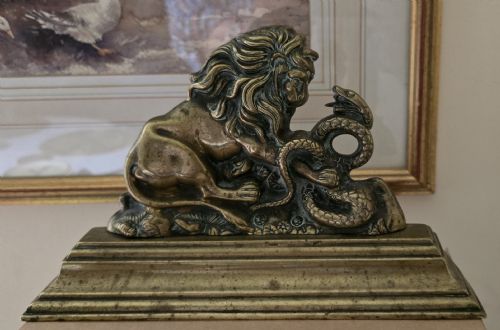


Vintage Brass Stop
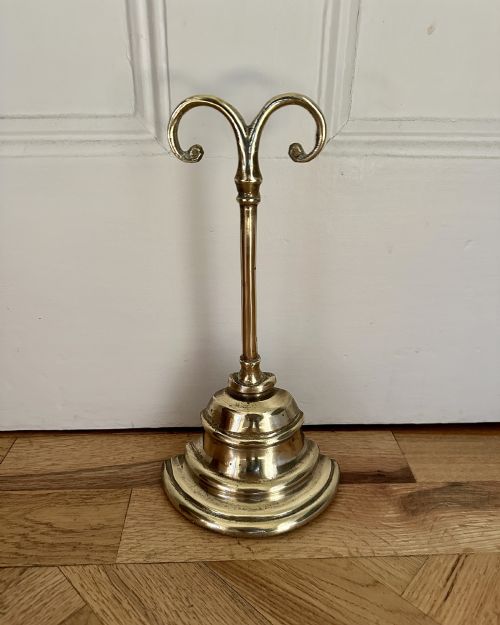
These heavy vintage brass stop pieces keep doors and books firmly in place whilst bringing sculptural weight to a room.
Vintage Brass Stop
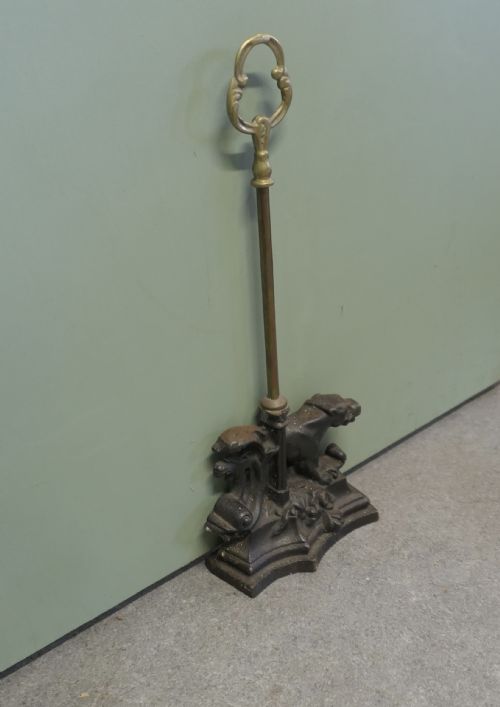
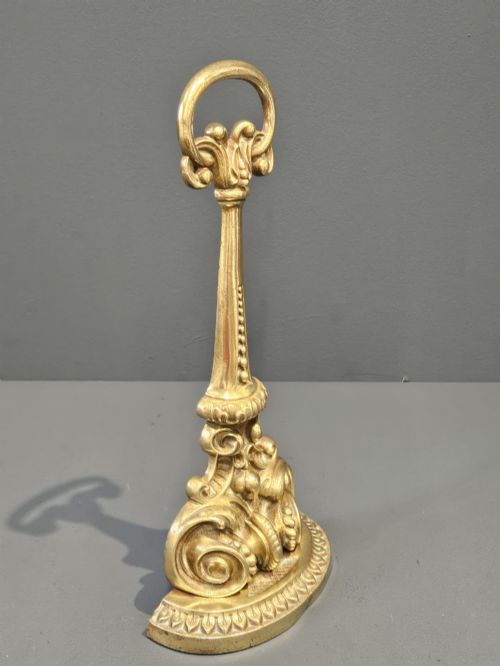
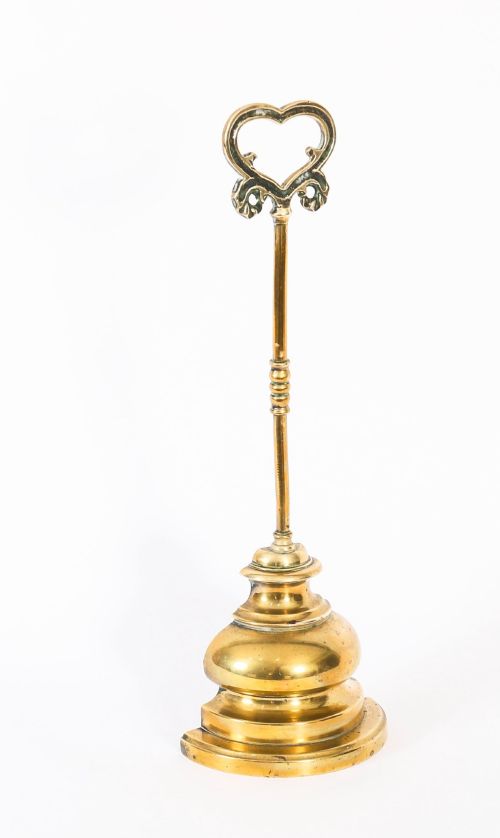
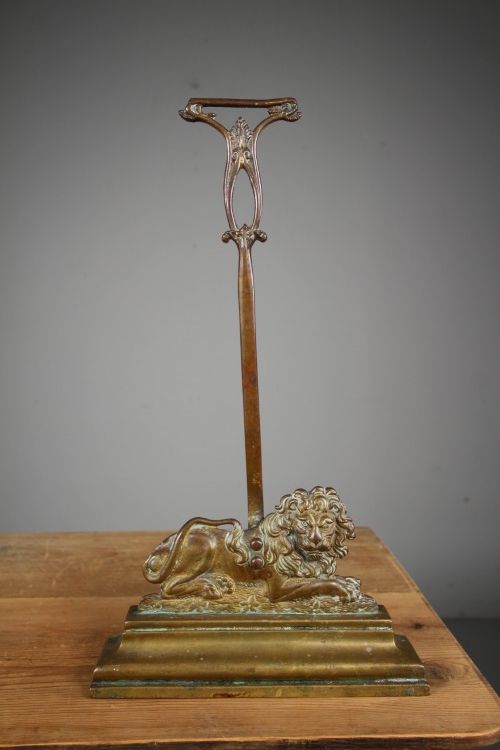
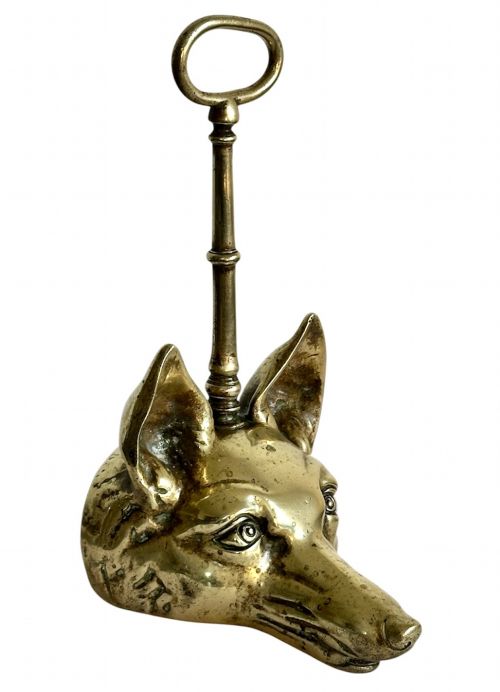
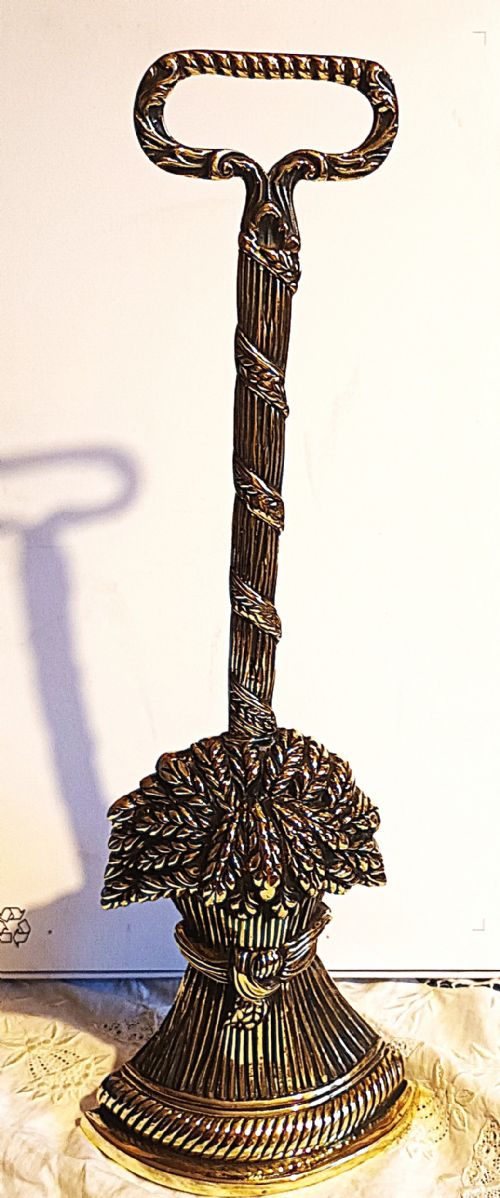
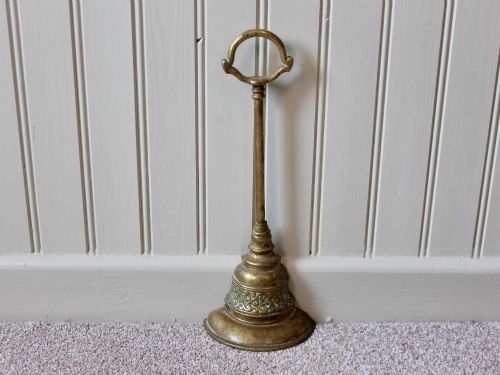
When you search for a vintage brass stop, you are looking at utilitarian hardware transformed into domestic ornament during the nineteenth and early twentieth centuries. These objects primarily take the form of doorstops, door porters, and bookends designed to hold open heavy interior doors or support volumes on a shelf.
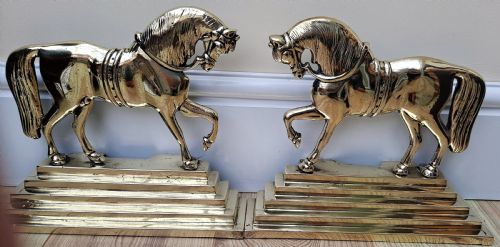
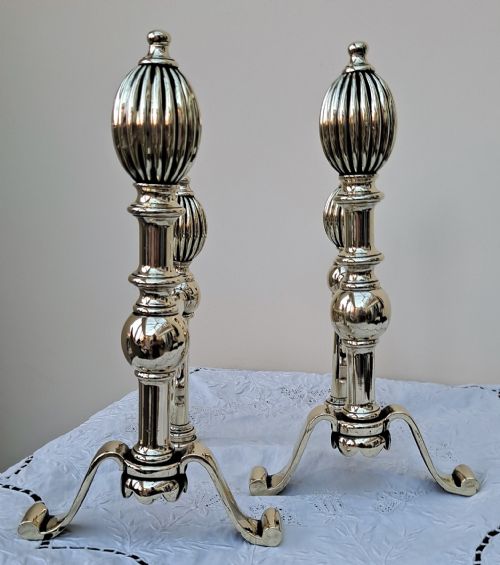
The pieces you are most likely to meet on this page date from the Victorian and Georgian periods, alongside a few later examples from the 1930s. They appear as figural casts of animals, mythological figures, and maritime subjects, as well as architectural chimney horses and andirons adapted for the floor.
Originating largely from English workshops, these items served a practical function in grand houses where heavy timber doors required substantial ballast. Today, collectors value them as much for their sculptural presence and patination as for their original utility.
How they were made
Makers relied primarily on metal casting techniques to form the solid bodies of these objects, pouring molten alloy into moulds. This process allowed for intricate relief work and sharp definition in figural subjects such as lions, horses, and human portraits.
The material palette centres on brass, frequently combined with cast iron or lead weighting in the base to ensure sufficient gravity for holding doors. Some examples incorporate supplementary materials like paint and marble to add colour and contrast to the finished casting.
Vintage Brass Stop Retail Price Guide 2026
Typical asking prices for vintage brass stop among the pieces listed under this phrase on Sellingantiques today, from the lower quarter to the upper quarter. They describe what is for sale here now, not the wider market.
Listings feature items spanning the Georgian and Victorian eras up to the 1930s, constructed from brass, cast iron, lead, marble, and paint.
What varies in quality
The quality of a cast depends heavily on the crispness of the detail and the fidelity of the original mould, separating sharp figural expressions from soft, worn castings. Pieces produced by known makers or well-established foundries generally display superior finishing and more refined chasing.
Weight and balance distinguish superior examples from lighter, purely decorative reproductions, as a proper door porter requires substantial heft to function. The depth and warmth of the natural metal patination also play a major role in the desirability of an individual piece.
Tonks
The Vintage Brass Stop Glossary
- Door porter
- A heavy portable doorstop designed with an upright handle for easy lifting and placement. These items were essential in large nineteenth-century residences.
- Andirons
- Horizontal metal bars raised on legs, used to support logs in a fireplace, though occasionally repurposed or grouped with door furniture. They share the same robust cast metal construction.
- Patina
- The surface sheen and colour acquired by metal through age, handling, and oxidation over decades. Collectors prize an undisturbed patination for its historical authenticity.
- Chimney horse
- An alternative nineteenth-century term for a heavy hearth accessory or door porter. They often feature figural or equestrian motifs.
Vintage Brass Stop: Frequently Asked Questions
What is a vintage brass stop used for?
These heavy metal objects were originally designed to prop open heavy interior doors or support rows of books on a shelf. Their considerable weight kept doors stationary in draughty hallways and large rooms.
In modern interiors, they function primarily as decorative floor sculptures and practical bookends that combine utility with period character.
How do I date a brass doorstop?
Dating relies on stylistic clues, casting methods, and the specific iconography popular during periods such as the Georgian, Victorian, and Edwardian eras. Figural subjects and costume details often point directly to nineteenth-century design trends.
Heavier sand-cast construction and natural wear patterns further help distinguish genuine antique examples from twentieth-century reproductions.
Are these pieces made of solid brass?
Most examples feature a solid cast brass exterior, though many incorporate internal lead weights or iron bases to increase their overall heft. This internal ballasting was necessary to ensure the object could hold heavy doors effectively.
Some variations also combine brass with materials like marble, paint, or cast iron elements for added structural stability.
How do I care for antique brass?
Maintenance requires only gentle dusting with a soft cloth to preserve the aged surface and accumulation of historical patination. Aggressive metal polishes should be avoided because they strip away the desirable dark oxidation that collectors value.
Keeping the pieces away from excessive moisture protects any internal iron components from rust and prevents damage to weighted bases.