
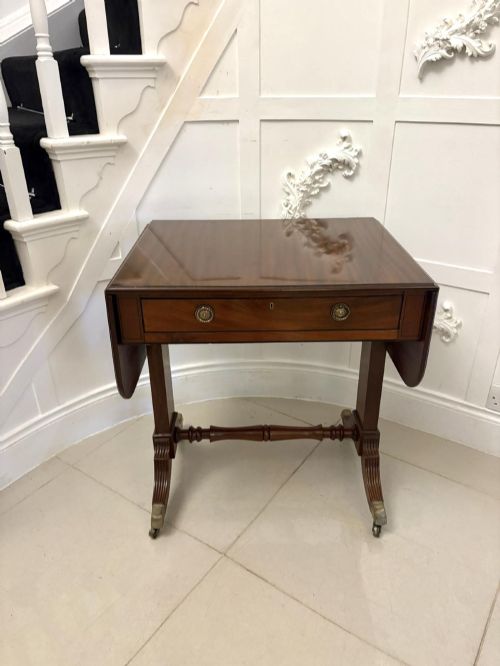
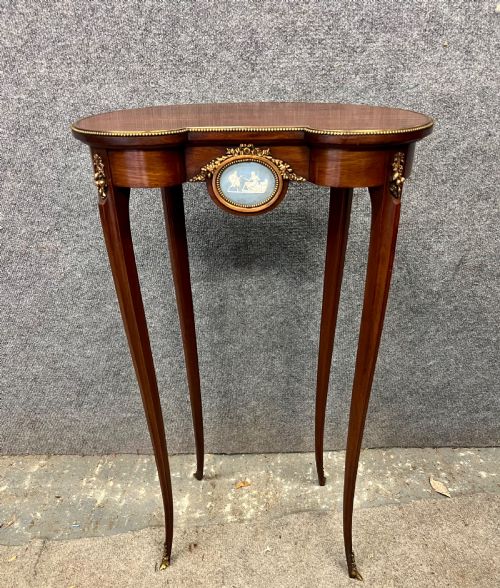
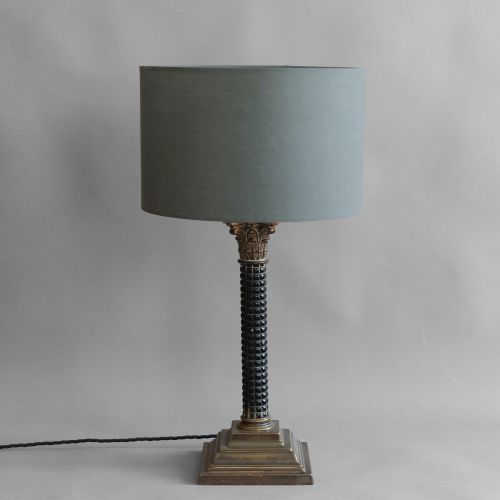
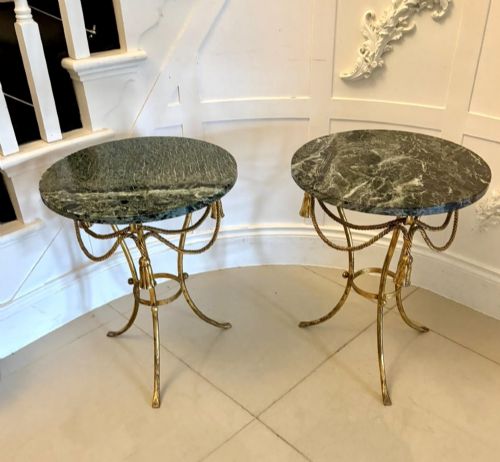

Vintage Brass Side Tables
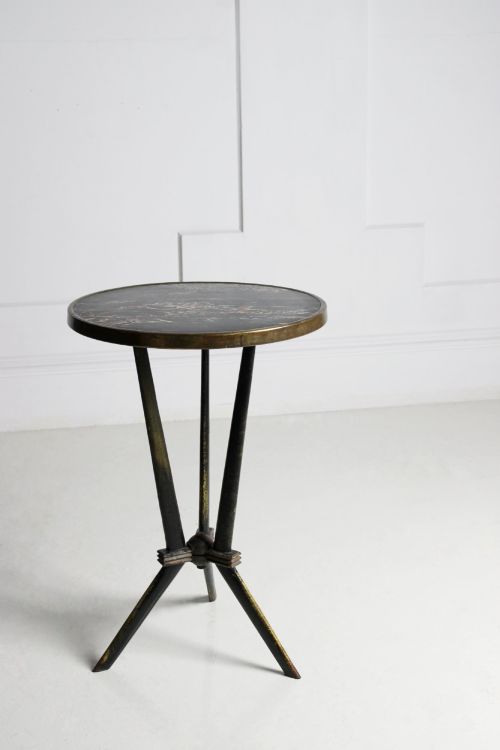
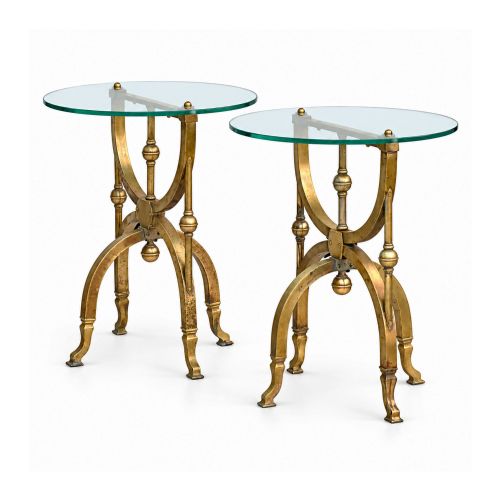
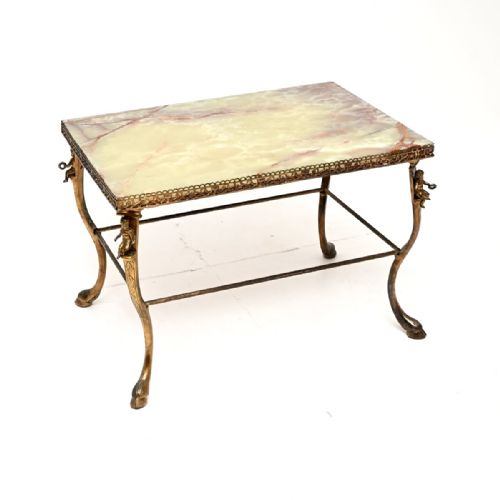
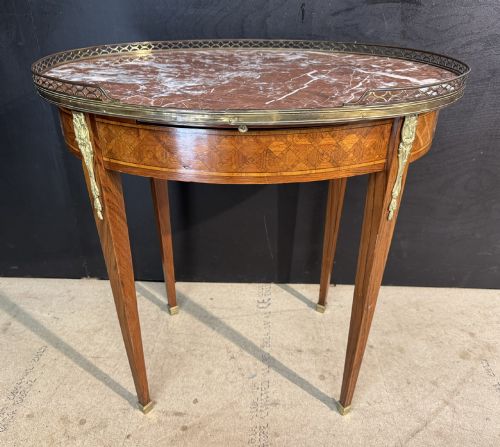
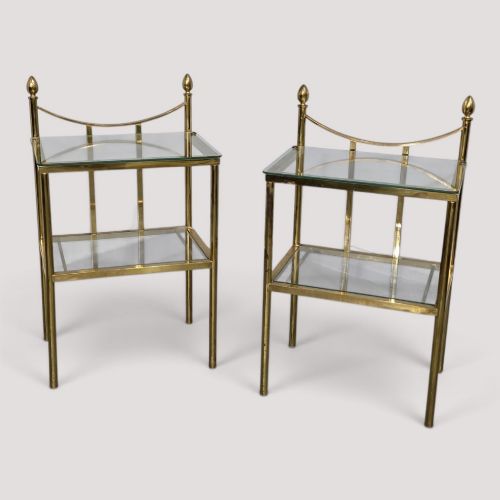
These vintage brass side tables bring metallic structure and surface utility to a room, offering compact support for lamps and objects.
Vintage Brass Side Tables
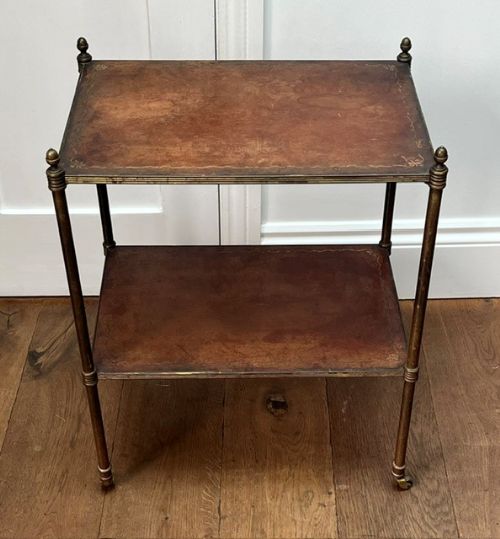
When searching for vintage brass side tables, a buyer encounters pieces designed to hold lamps, drinks, and books beside seating or beds. These forms include etageres, occasional tables, and low lamp tables spanning periods from the nineteenth century through the 1930s.
The materials paired with the metal define the visual weight of each piece, frequently combining brass with glass, marble, mahogany, and rosewood. Styles range from French Rococo Revival and Neoclassical to Art Deco and Hollywood Regency.
Originating from English, French, and Oriental workshops, these side tables appear as single items, pairs, and matching sets. The selection spans compact occasional pieces to multi-tiered etageres intended for display.
How they were made
Makers constructed these tables by combining cast or tubular brass frames with inset surfaces of glass, marble, or polished hardwoods such as mahogany and rosewood. Joinery and metal framing methods reflect the specific period of manufacture, from nineteenth-century hand assembly to early twentieth-century production.
Surface treatments involve lacquering, gilding, and fine parquetry inlay, alongside specialised decorative techniques such as champleve enamel or tooled leather inserts. Structural stability relies on secure corner bracing and tight joints between the metal supports and wooden or stone tops.
One unexpected survivor on the market is a fully restored luxury safe on an iron stand, proving people locked away valuables right beside their side tables.
What varies in quality
The calibre of a piece depends on the weight and finishing of the brass components, with heavier castings and crisp detailing distinguishing superior work. Finer examples display meticulous joinery in the underlying woodwork and secure integration of glass, marble, or wood surfaces.
Proportion and decorative harmony elevate certain items, particularly matched pairs and pieces featuring complex inlays or tiered etagere structures. The integrity of the original surface finish, whether patinated bronze or polished brass, indicates how well a table has survived.
Mallett of London·Maison Bagues·Dryad Leicester
The Vintage Brass Side Tables Glossary
- Etagere
- A set of open shelves for displaying small objects, often built with multiple tiers supported by brass uprights.
- Ormolu
- Gilded bronze or brass applied as a decorative mount on furniture, popular in French revival pieces.
- Marquetry
- Decorative veneer work arranged in geometric or pictorial patterns using various coloured woods.
- Parquetry
- Geometric mosaic woodwork forming patterns like squares or triangles on tabletops and shelves.
- Lowboy
- A small seventeenth- or eighteenth-century dressing table or side table featuring drawers beneath the surface.
Vintage Brass Side Tables: Frequently Asked Questions
How do I clean vintage brass tables?
Dust surfaces regularly with a soft, dry cloth to prevent the accumulation of grime on the metal and wood components. Avoid harsh chemical cleaners that can strip the original patina or damage delicate lacquered surfaces.
For glass or marble inserts, use mild soapy water applied sparingly with a cloth, drying thoroughly immediately afterward. Take care not to let moisture seep into the joins between the brass frame and wooden or stone tops.
Can I use a side table as a bedside cabinet?
Many compact occasional tables and etageres function well beside a bed for holding reading lamps, books, and night-time essentials. Open-shelf designs provide accessible storage beneath the main surface.
Consider the height of your mattress relative to the table surface to ensure comfortable reach before purchasing. Two-tier models offer extra space for storage without increasing the footprint.
Are these tables sturdy enough for daily use?
Most pieces are built with solid metal frames and stable wooden or stone tops designed to support normal household items like lamps and drinks. Frames featuring multiple tiers or intersecting stretchers often provide additional rigidity.
Heavier marble and glass tops rely on the weight of the material and supportive brass galleries to stay secure in place. Regular gentle handling ensures the structural joints remain tight over decades of use.
How do I identify Art Deco pieces?
Art Deco side tables frequently feature streamlined geometries, symmetrical forms, and polished brass paired with contrasting wood veneers or glass. These pieces often date from the 1920s and 1930s, reflecting modern industrial design influences.
Look for clean lines, tiered structures, and decorative restraint compared to earlier ornate nineteenth-century revivals. The absence of heavy carving in favour of smooth metallic surfaces helps distinguish this period.