
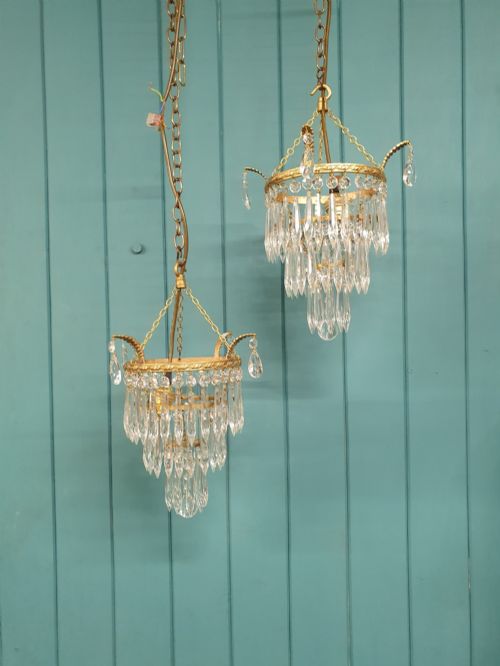
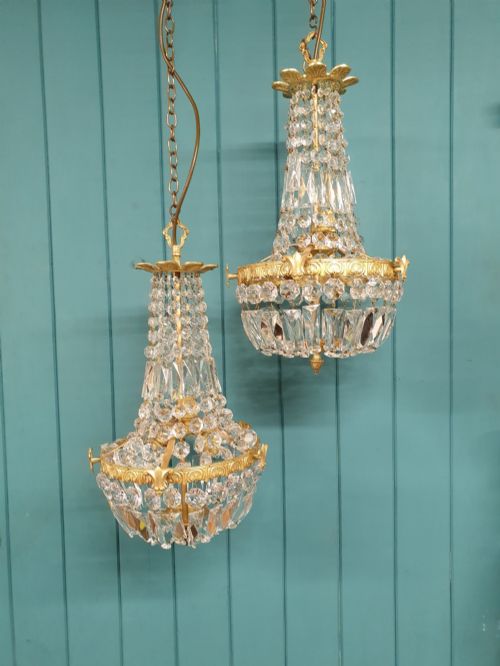
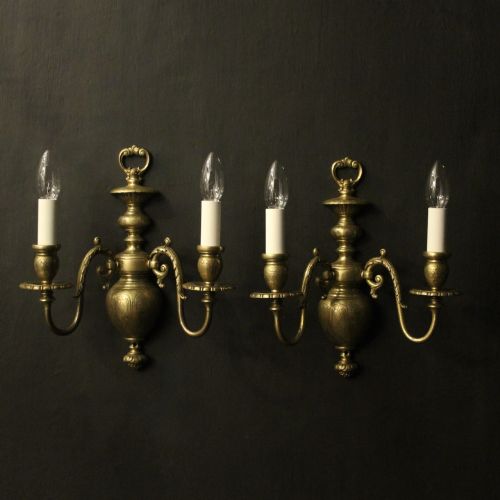
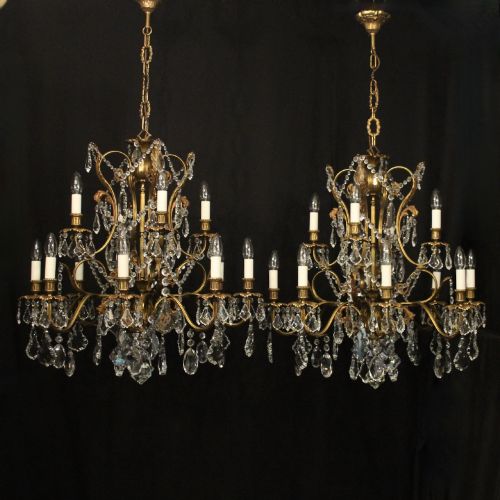
Vintage Brass Lighting Pair
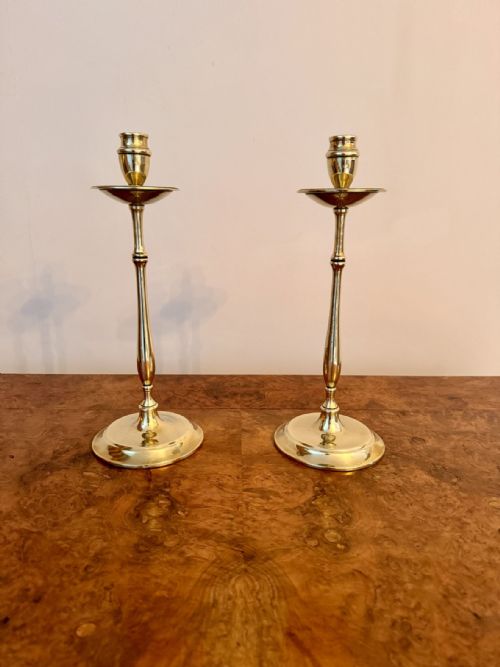
These vintage brass lighting pair options bring period character to a room through matched dual illumination.
Vintage Brass Lighting Pair
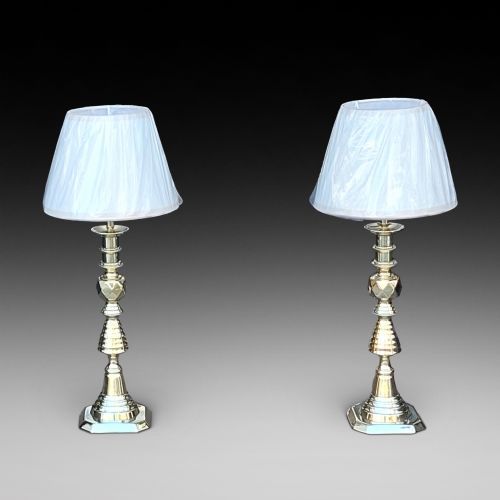
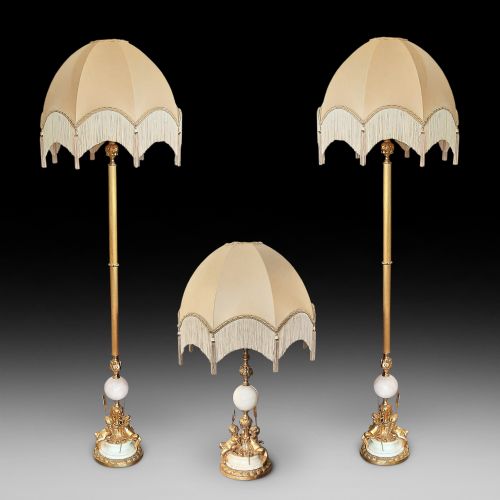
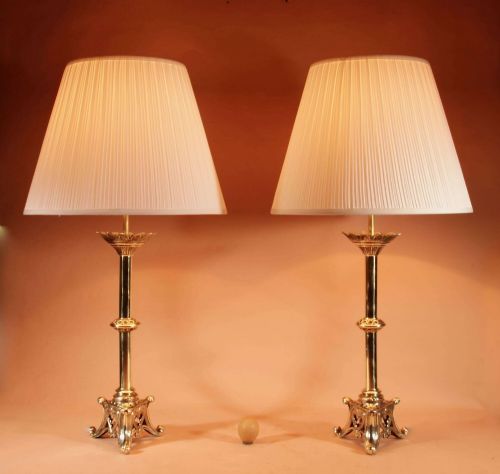
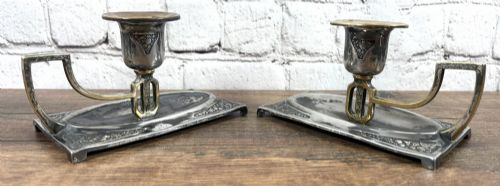
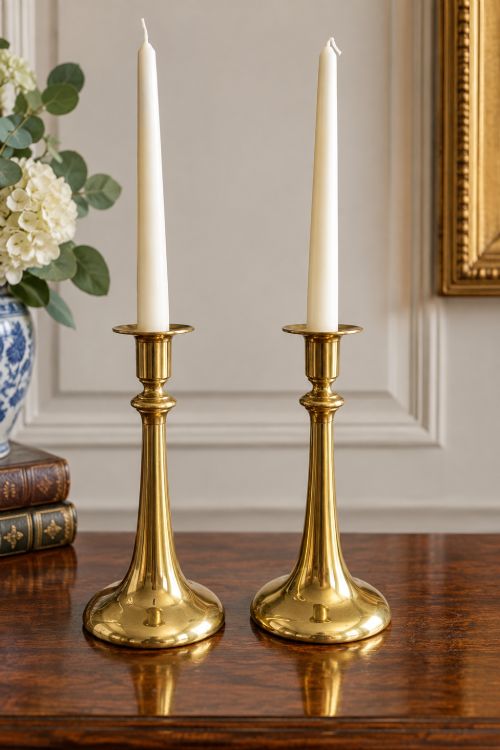
A vintage brass lighting pair comprises matched items designed to illuminate spaces symmetrically, frequently appearing as table lamps, wall lights, and candlesticks. These fixtures draw from periods spanning the Georgian era through the 1930s, offering coordinated lighting solutions for interiors.
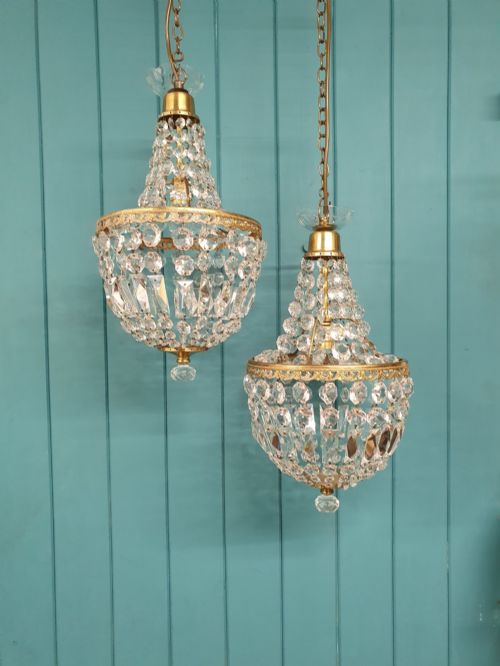
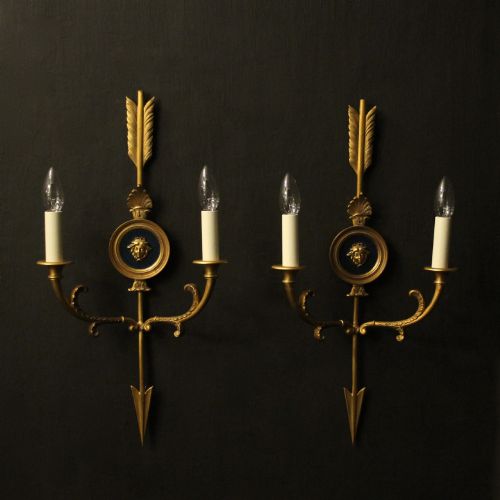
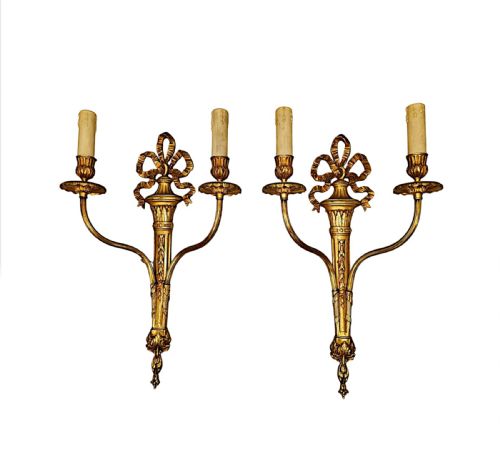
Table lamps and wall sconces dominate the selection, often incorporating materials such as crystal, glass, and fabric alongside the primary metal. French designs from the early twentieth century sit alongside nineteenth-century English and continental pieces.
Buyers encounter styles ranging from French Rococo and Empire to Arts and Crafts and Edwardian forms. The inventory includes utilitarian items converted for modern use alongside decorative candlesticks and multi-arm chandeliers.
What varies in quality
The refinement of the casting and chasing distinguishes finer pieces, where crisp details on floral motifs, figures, and architectural columns remain sharp. Weight and thickness of the metal indicate the underlying standard of manufacture.
The integration of secondary materials such as hand-cut crystal drops, genuine onyx bases, and layered gilding creates distinction between standard production and higher-end examples.
Standing terrier dogs hold candles aloft in a charming pair of early twentieth-century desk pieces.
W.A.S. Benson
The Vintage Brass Lighting Pair Glossary
- Ormolu
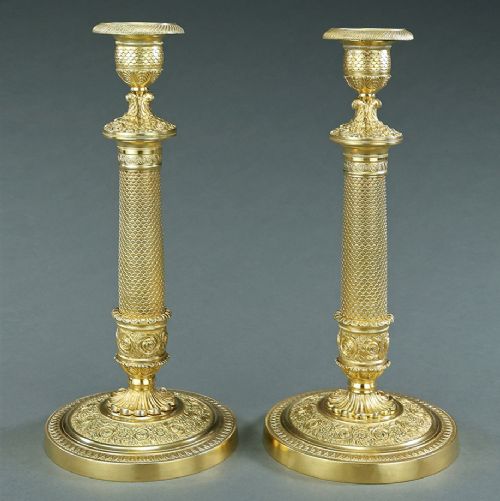
- Gilded bronze, where a finely ground gold-mercury amalgam is applied to a bronze base and heated to drive off the mercury. This technique creates a durable golden finish seen on French decorative objects.
- Champleve
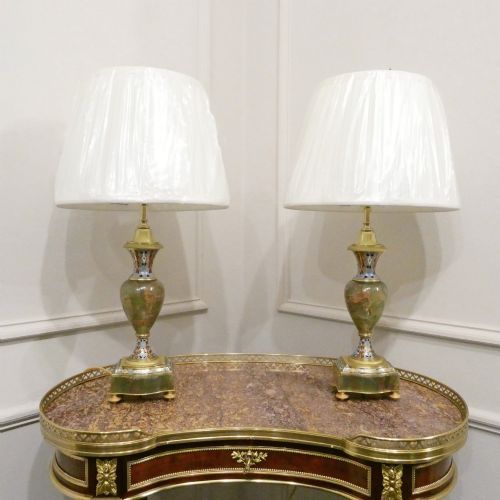
- An enamelling technique where troughs or cells are carved into the metal surface and filled with vitreous enamel before firing. It frequently decorates nineteenth-century French table lamps.
- Pricket candlestick
- A candlestick featuring a central spike or metal point designed to impale the base of a candle, rather than a socket to hold it. These follow seventeenth-century styles.
- Corinthian column
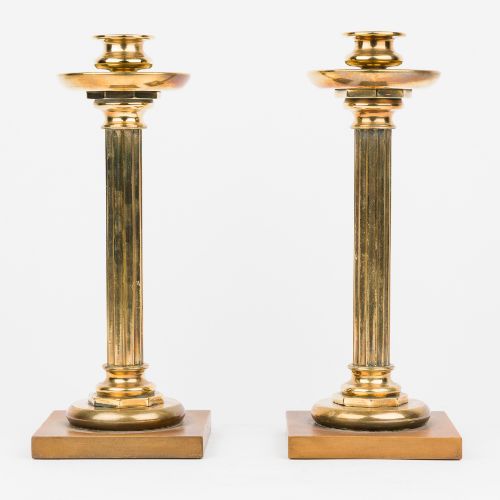
- An architectural order featuring ornate capitals decorated with acanthus leaves, frequently utilised for the shafts of nineteenth-century brass table lamps.
- Port hole
- A heavy glazed circular frame, adapted here in brass to serve as distinctive maritime-inspired wall fixtures.
Vintage Brass Lighting Pair: Frequently Asked Questions
How do I wire antique brass lamps for modern use?
Many older pieces arrive with modern electrical wiring or conversion fittings already installed by previous owners. If rewiring is necessary, a qualified electrician can thread modern cord through the central hollow columns without altering the exterior metalwork.
Original oil lamps and candlesticks often accommodate conversion kits that secure modern lamp holders within the existing candle sockets or burners. This allows the preservation of the antique housing while meeting current safety standards.
Can I mix different styles of wall lights in one room?
Pairing matching fixtures together ensures symmetry on either side of a mirror, fireplace, or doorway. Maintaining the same metal finish helps unify pieces even if their decorative periods differ slightly.
Using coordinated brass tones across different wall lights creates a cohesive scheme throughout the space. Sticking to related eras, such as Edwardian and Art Deco, prevents visual clashing.
How should I clean antique brass without damaging the finish?
Dusting with a soft dry cloth removes everyday particles without disturbing the aged patina that collectors value. Avoid harsh chemical polishes that strip away historical darkening and fine surface details.
Gentle cleaning with mild soapy water and a soft brush can address accumulated grime in recessed chasing or carvings. Thorough drying prevents spotting on the metal surface.
What distinguishes Georgian brass from Victorian pieces?
Georgian examples often display heavier cast construction with simpler profiles like seamed candlesticks. Their proportions reflect classical architectural proportions popular in the eighteenth century.
Victorian manufacturing introduced more ornate ornamentation and industrial casting techniques, resulting in heavier church candlesticks and revival styles. Details became more elaborate, drawing from Gothic, Rococo, and Renaissance sources.