


Vintage Brass Jug
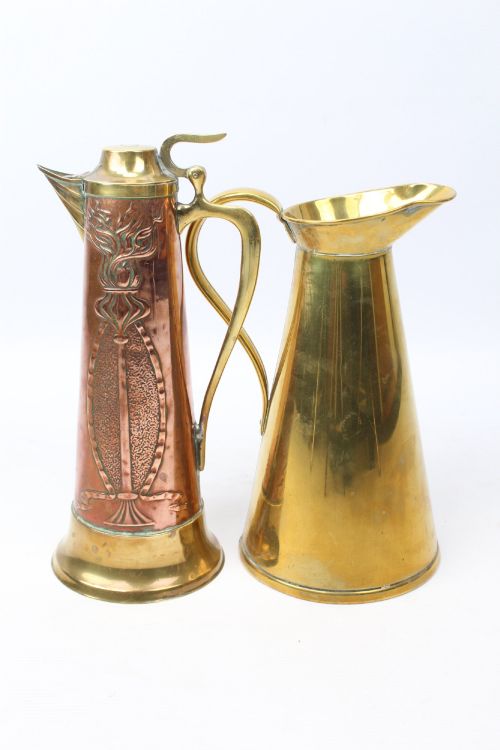
These vintage brass jug pieces bring heavy metal warmth and practical utility to a room, spanning Victorian utilitarian forms and decorative Arts and Crafts designs.
Vintage Brass Jug
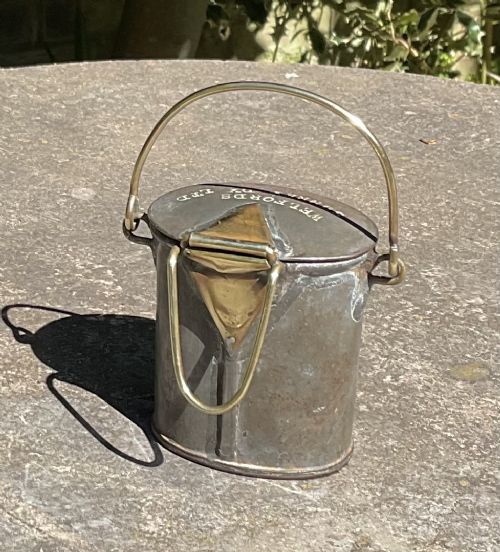
When you search for a vintage brass jug, you encounter domestic vessels and umbrella stands spanning the Victorian and Edwardian periods. The selection covers everything from small dairy cream cans and water carriers to large coopered oak floor pieces.
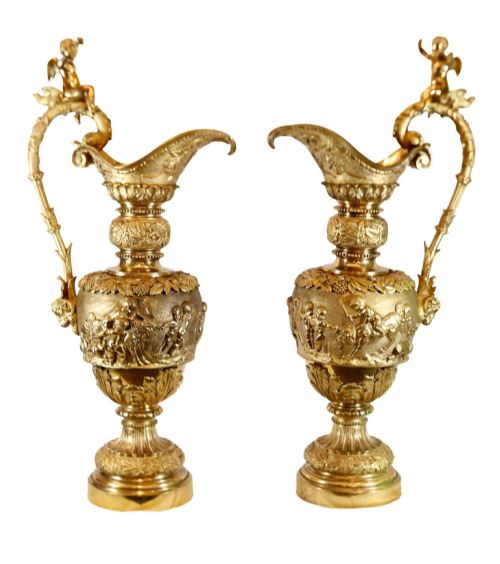
Most examples date from the nineteenth century through the early twentieth century. You meet plain household water jugs alongside decorative ewers and milk churns showing Dutch folk art or Arts and Crafts influence.
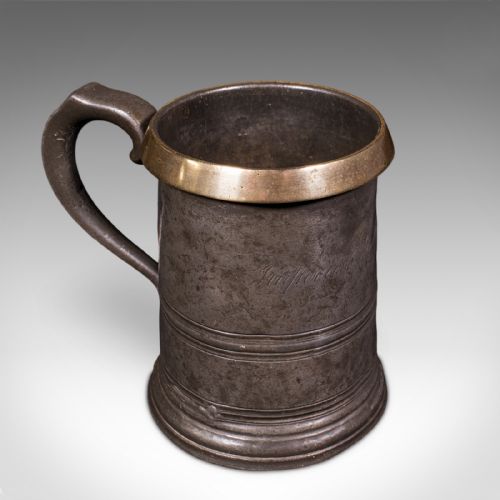
Common utilitarian forms include haystack measures and public house tankards. These items reflect the everyday metalwork of British and continental workshops.
Materials and construction
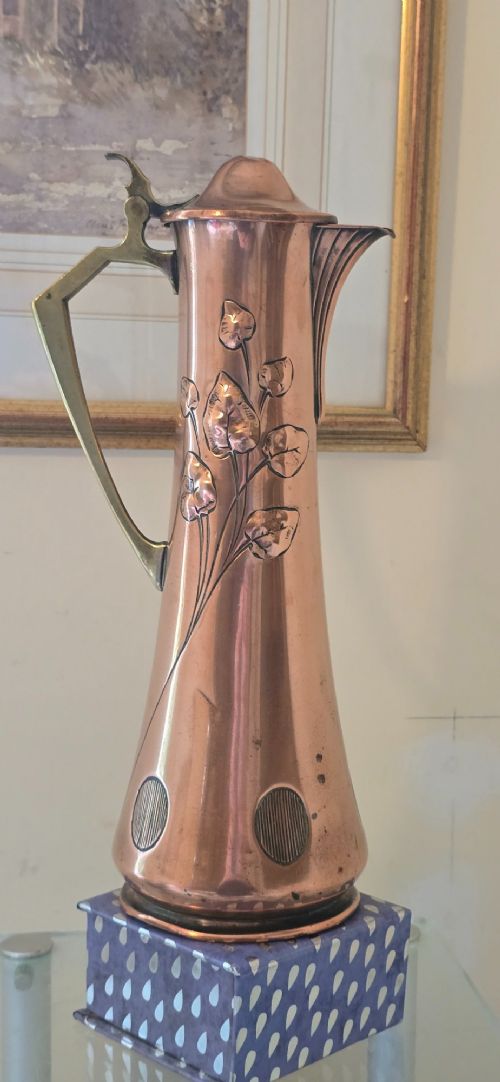
Makers built these vessels primarily from sheet brass and copper, often combining both metals on a single body. Handles and decorative mounts frequently use cast brass or gilt metal.
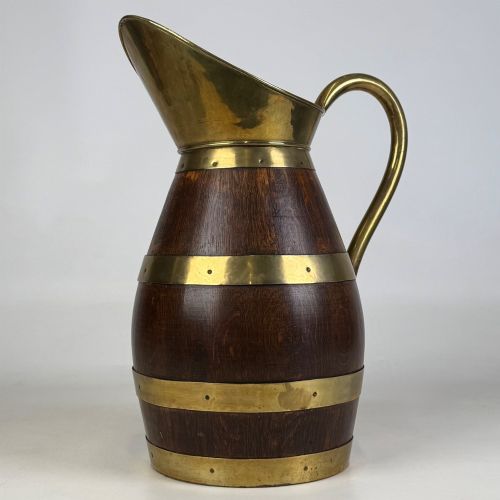
Wooden elements appear on coopered items, utilising solid oak bound with heavy brass bands. Smaller containers incorporate soldered seams and folded tinplate edges.
Surface finishes rely on hand polishing or natural ageing rather than modern synthetic coatings. Tool marks from hammering and turning remain visible on many older pieces.
Listings feature brass and copper combined with oak, pewter, and ebonised wood across Victorian and Edwardian periods.
Assessing quality and finish
Superior examples show crisp hand-chased relief work and substantial metal gauge rather than thin pressed sheet. Heavier walls and robust handle attachments indicate commercial or domestic grade durability.
The precision of the cooperage work distinguishes better wooden pieces, where the oak staves fit tightly against the brass binding. Makers who signed their work with stamp marks generally produced higher standard items.
Proportion and balance determine visual success, particularly on tall ewers and water jugs. Pieces retaining their original patination without over-zealous cleaning command stronger interest.
J Bower·Orme Evans And Co·H F Fearncombe And Co
The Vintage Brass Jug Glossary
- Haystack measure
- A traditional British standard liquid capacity measure featuring a bulbous body resembling a hayrick. These items served in domestic and commercial contexts.
- Coopered
- Constructed from wooden staves bound together by metal hoops, much like a barrel. This technique appears on larger vessels and umbrella stands.
- Ewer
- A large jug with a wide spout and flared base, often used for pouring water or as a decorative display piece. Many examples date from the Art Nouveau and Arts and Crafts periods.
- Tankard
- A cylindrical drinking vessel with a single handle, typically produced in pewter or metal-bound wood for public house use.
Vintage Brass Jug: Frequently Asked Questions
Can I use these jugs for water?
Many historical vessels retain their structural integrity and hold water without leaking. However, older solder joints and aged seams can degrade over decades of disuse.
It is safest to test containers for leaks over a sink before placing them on unprotected wooden furniture. Many buyers prefer to utilise them exclusively for dried flowers or as decorative objects.
How do I date a brass jug?
Examine the construction methods, handle attachments, and any stamped maker marks on the base or rim. Rolled seams and cast handle mounts often point toward Victorian or Edwardian workshop production.
Stylistic cues such as floral relief motifs suggest specific design movements like Arts and Crafts or Art Nouveau around nineteen hundred. Comparing the form to standard household catalogues helps narrow the decade.
Where were these metal items made?
Production centres included traditional British metalworking regions such as the West Midlands and Wolverhampton. Continental workshops also exported dairy and domestic vessels to the British market.
Local makers supplied public houses, dairies, and middle-class households with durable utilitarian items. Stamped maker marks often reveal the specific town or factory of origin.