

Vintage Brass Globe
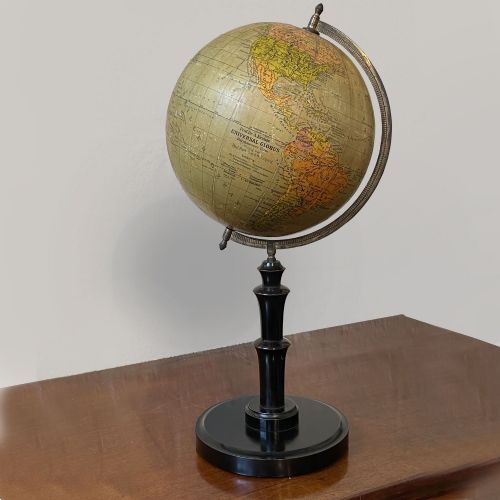
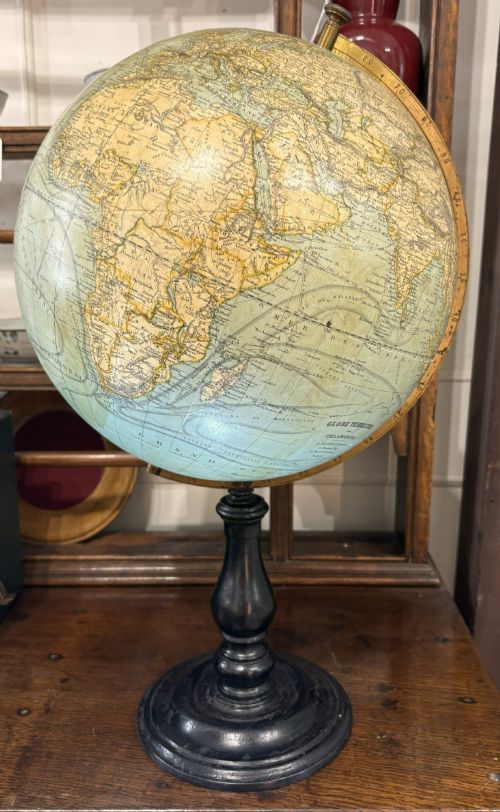
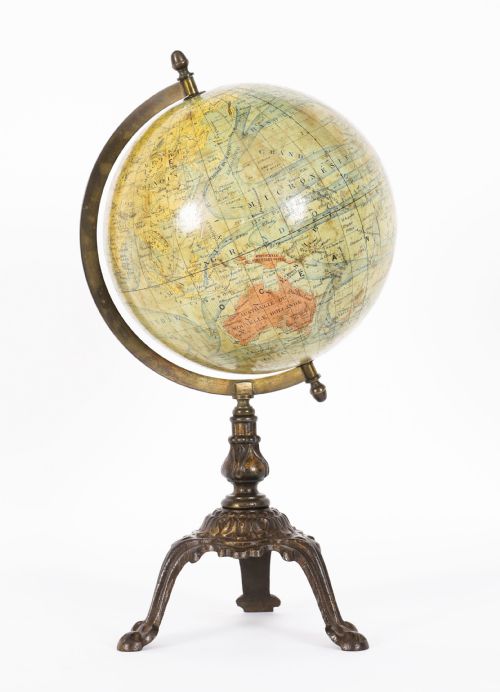
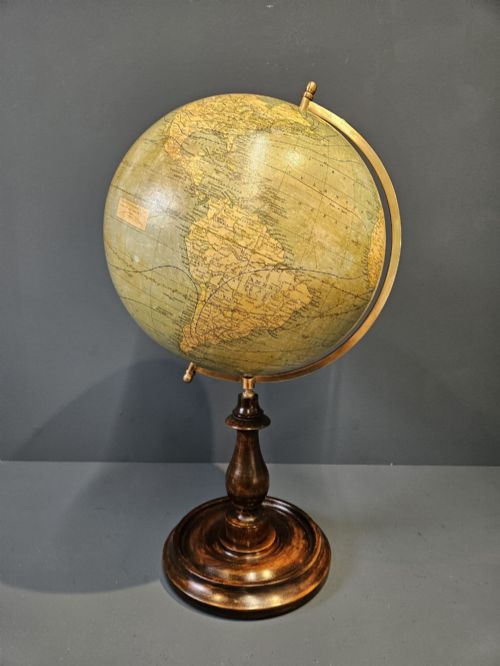
A vintage brass globe brings geographical history into a room, combining polished metal framework with detailed cartographic paper.
Vintage Brass Globe
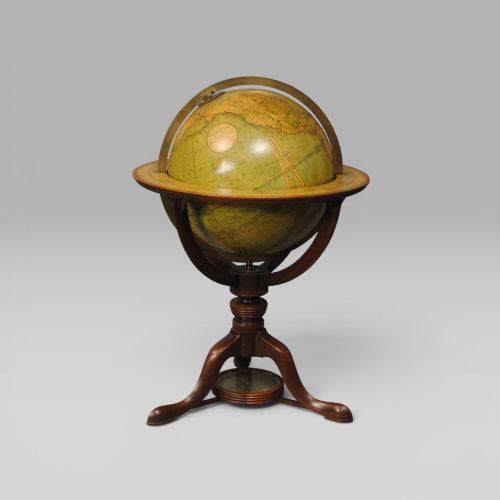
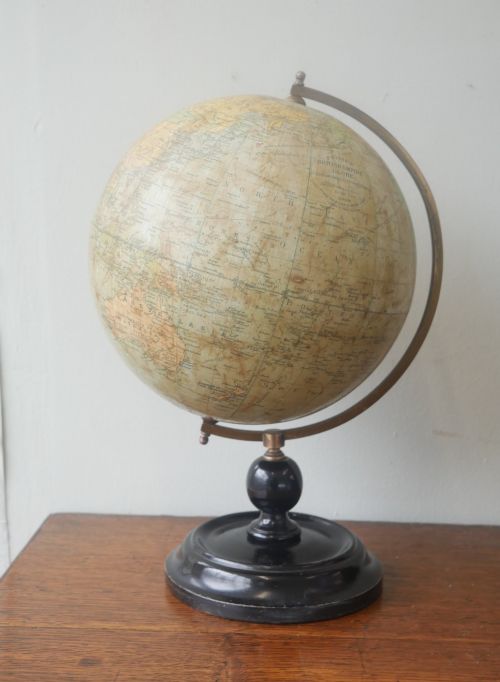
A vintage brass globe combines metal mountings with cartographic spheres, spanning desk-top models, floor-standing pieces and scientific instruments. Buyers searching for a vintage brass globe encounter items ranging from Victorian terrestrial spheres to mid-century world globes mounted on wooden feet or metal stands.
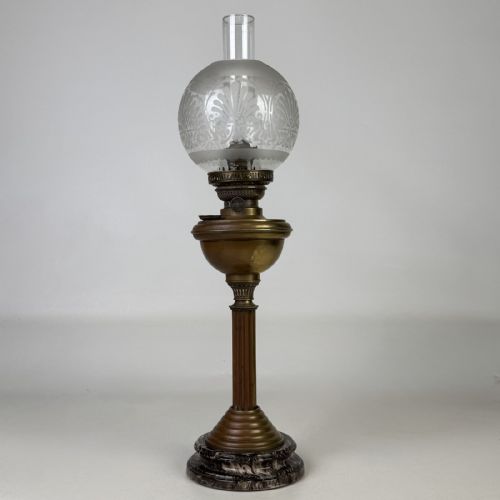
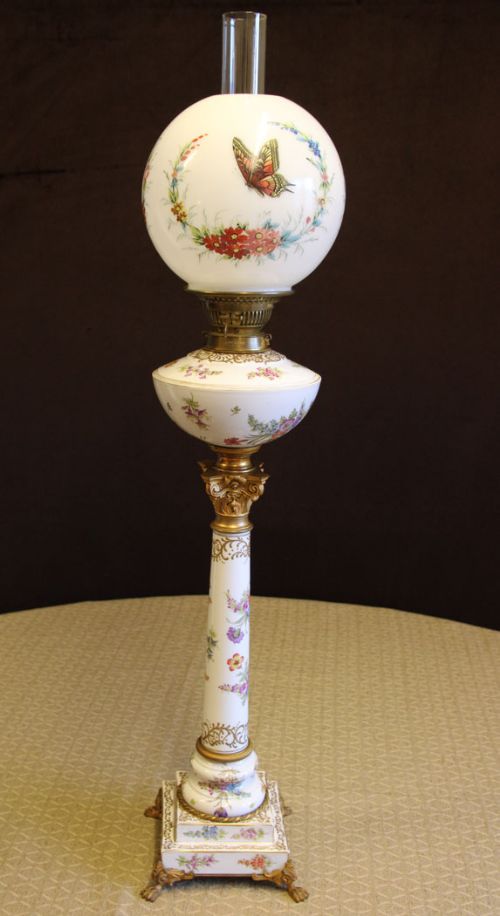
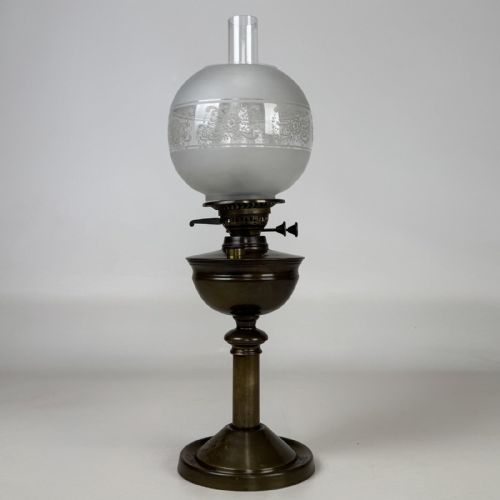
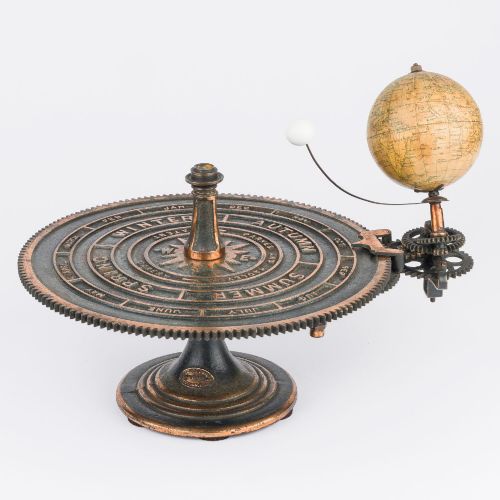
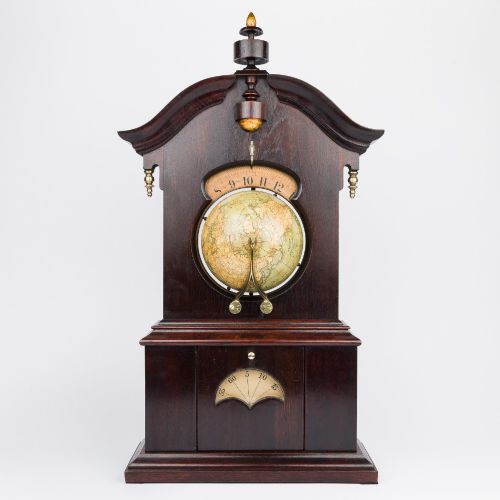
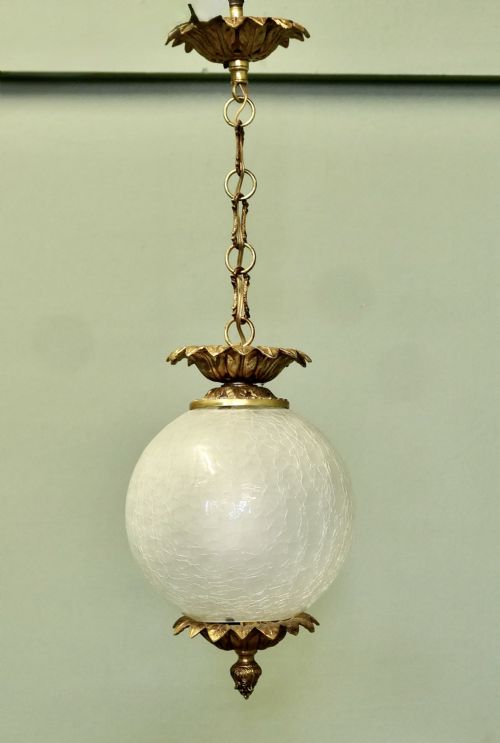
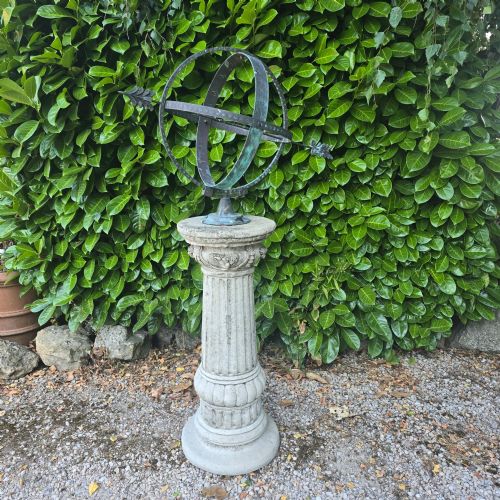
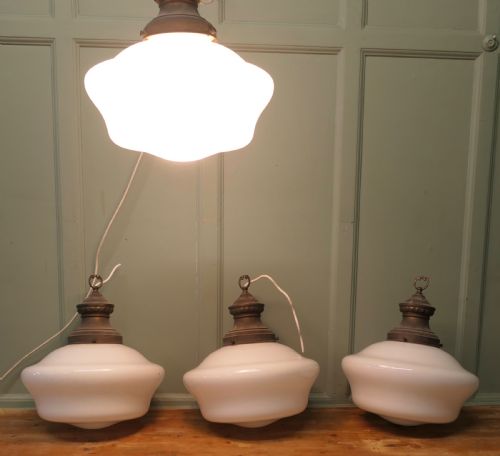
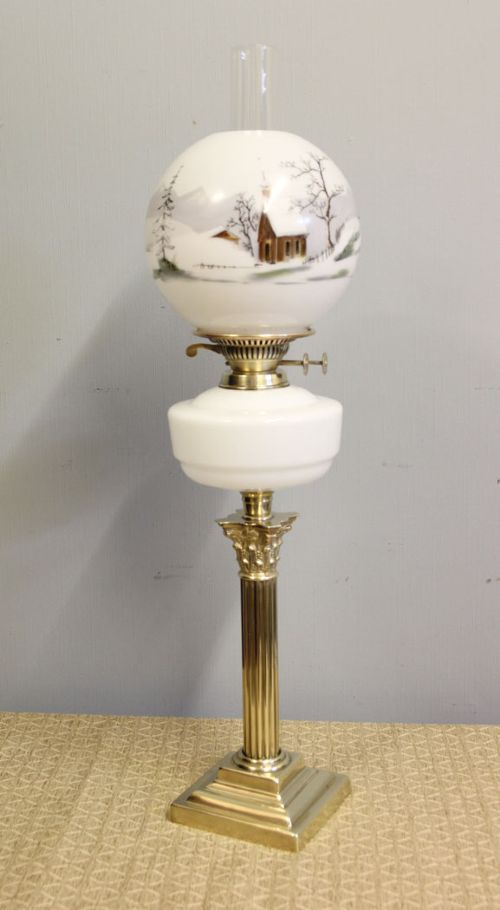
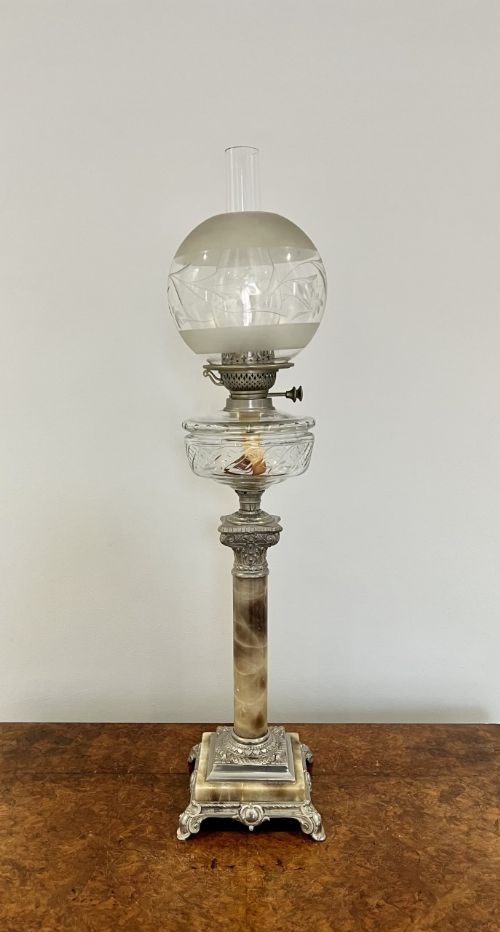
The selection includes specific cartographic makers and instruments dated across the nineteenth and twentieth centuries. Alongside traditional globes, the inventory incorporates brass-mounted oil lamps, pendant lights with glass globes, and armillary spheres.
Most pieces date from the Victorian and Edwardian eras through the nineteen-thirties, reflecting diverse styles from Gothic Revival to Art Deco and industrial design. These objects function simultaneously as historical artefacts and decorative furnishings for studies, libraries and living spaces.
Assessing quality and craftsmanship
Quality rests in the precision of the cartography and the crispness of the printing on the paper gores. Superior examples retain their original surface varnish and legible place names without excessive fading or paper loss.
The heft and finish of the brass hardware distinguish finer items from simpler production. Cast brass bases, graduated meridian rings, and original wooden or marble components indicate higher standards of period manufacture.
Vintage Brass Globe Retail Price Guide 2026
Typical asking prices for vintage brass globe among the pieces listed under this phrase on Sellingantiques today, from the lower quarter to the upper quarter. They describe what is for sale here now, not the wider market.
Some globes record political empires and colonies that vanished from maps over a century ago.
Lebegue and Cie·Phillips British Empire·Parkes and Hadley·George Philips and Son Ltd·Globe Watch Co·Hinks of Birmingham·Hughes and Son·Geographia·J Forest·Malby's·Carey·Ernest Hemingway collection·M Vivien·Chandy Charan and Co
The Vintage Brass Globe Glossary
- Terrestrial globe
- A spherical map representing the earth, detailing continents, oceans, and political boundaries. These pieces often feature brass meridian rings and wooden stands.
- Celestial globe
- A sphere mapping the stars, constellations, and astronomical coordinates. They correspond to the apparent positions of celestial bodies in the sky.
- Armillary sphere
- A model of objects in the sky consisting of a spherical framework of rings centred on the earth or sun. These brass instruments track astronomical movements.
- Gore
- A tapering strip of printed paper pasted onto a sphere to form a map. Multiple gores align to cover the curved surface of a globe.
- Meridian ring
- The graduated brass or metal ring surrounding a globe in which the sphere pivots. It measures degrees of latitude.
Vintage Brass Globe: Frequently Asked Questions
How do I clean a paper globe?
Dust the surface gently using a dry, soft microfibre cloth without applying pressure to the paper gores. Avoid water, solvents, and commercial cleaning sprays, as moisture damages historical paper and dissolves old adhesives.
For brass components, use a dry cloth to maintain the metal finish. Do not let polishes touch the printed map surface.
How do I date an old globe?
Examine the political boundaries, country names, and capital cities printed on the map gores. Comparing depicted railway lines, colonies, and territorial ownership against historical records helps narrow down the decade of production.
Maker signatures printed on the cartography and patents stamped into the brass bases provide further chronological markers.
Where should I place my globe?
Position the piece away from direct sunlight and damp environments to protect the paper cartography from fading and the brass from tarnishing. Desks, bookcases, and side tables in studies or libraries offer stable settings.
Ensure floor-standing models sit on level ground to protect the wooden or metal base structure.
What is the difference between terrestrial and celestial?
Terrestrial globes depict the surface of the earth, showing landmasses, oceans, countries, and shipping routes. They serve as geographical reference tools from specific historical periods.
Celestial globes map the night sky, displaying constellations, stars, and astronomical coordinates from the perspective of an observer outside the universe.